
Table of Contents
Honoring a Hero Rat
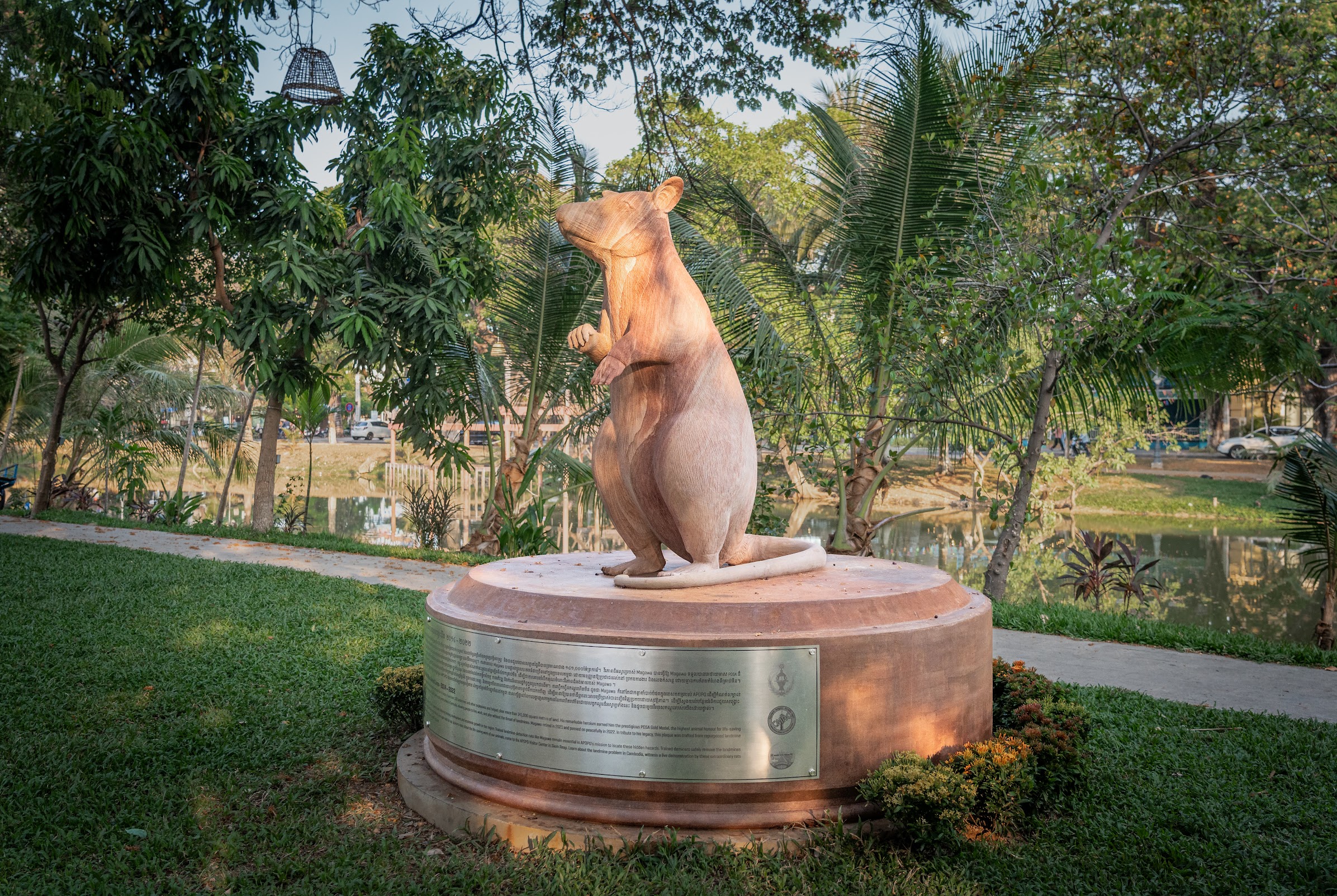
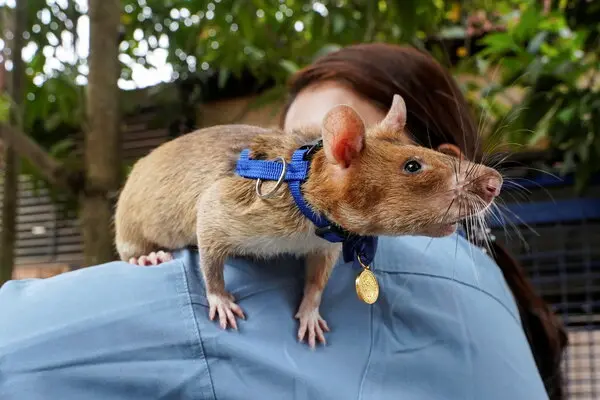
In Siem Reap, Cambodia, on April 4, 2026, a momentous event took place as a statue was unveiled to honor one of the most extraordinary animals to have ever lived—a rat named Magawa. This African giant pouched rat was not just any rodent, but a dedicated and brave worker who sniffed out over 100 landmines during his five-year career, saving countless lives and clearing massive swathes of dangerous territory. His actions have made him a hero not only among his handlers but also among the communities affected by the deadly legacy of landmines in Cambodia.
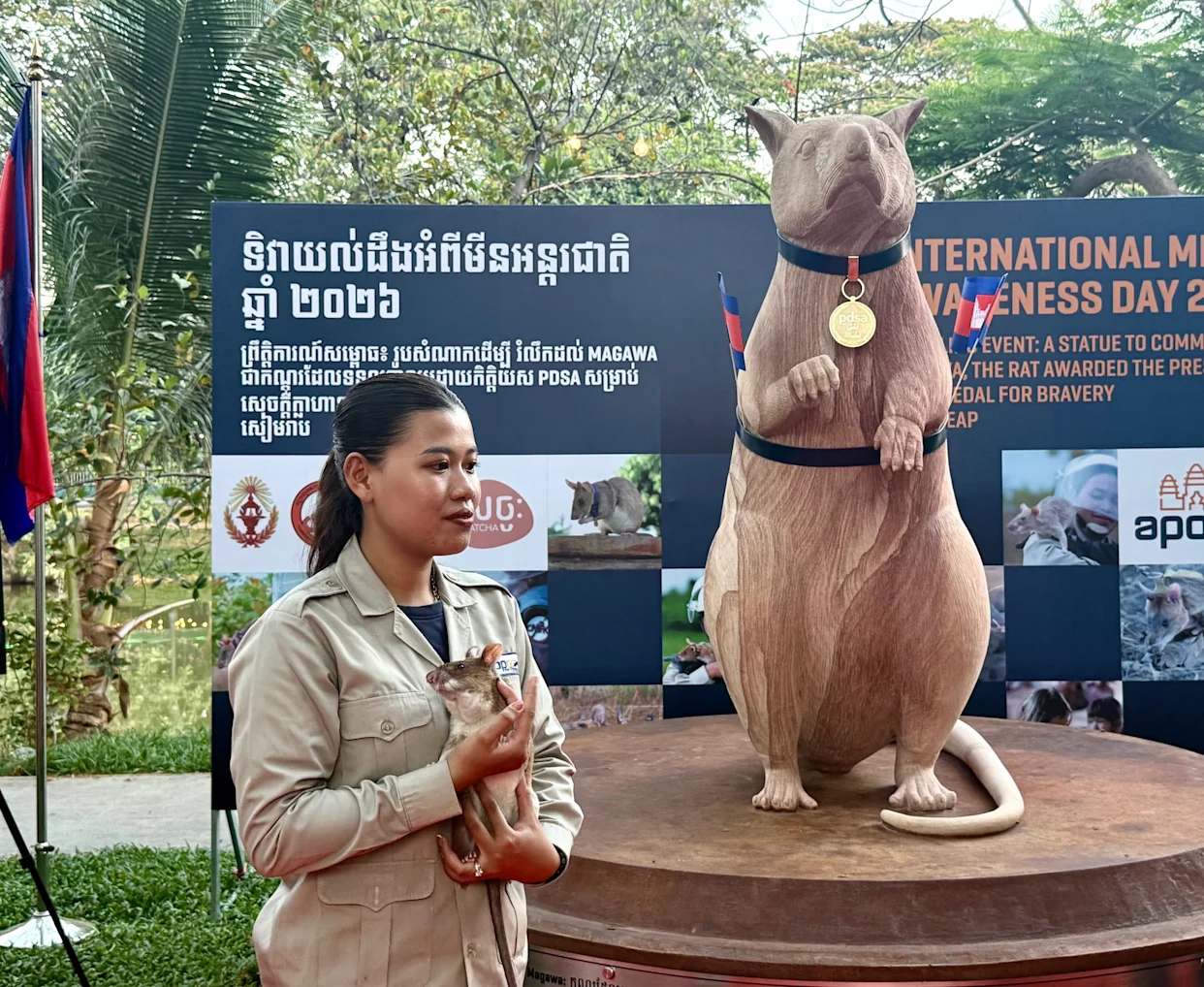
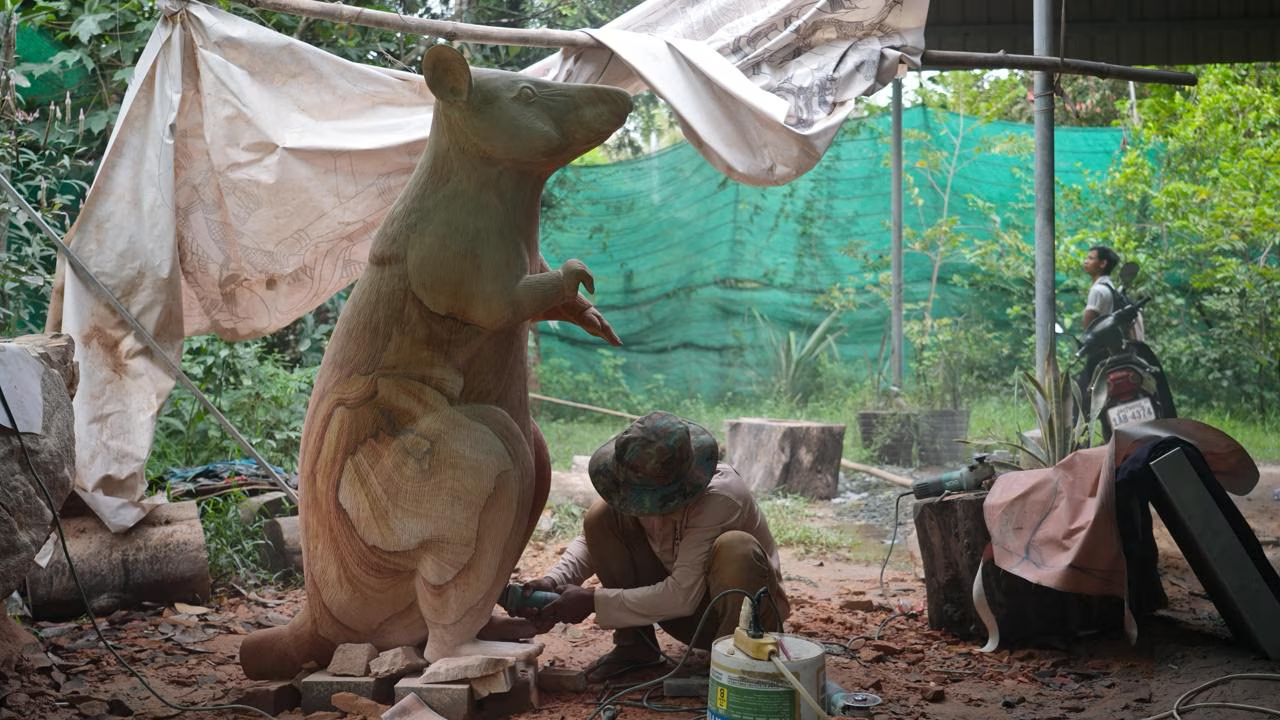
Magawa’s statue, a seven-foot-tall tribute to his bravery, was unveiled with great ceremony, complete with the Cambodian national anthem and blessings from Buddhist monks. The monument stands as a testament to the lives he saved and the difference one small creature made in the ongoing battle against the widespread landmine problem in Cambodia.
Magawa’s Extraordinary Career
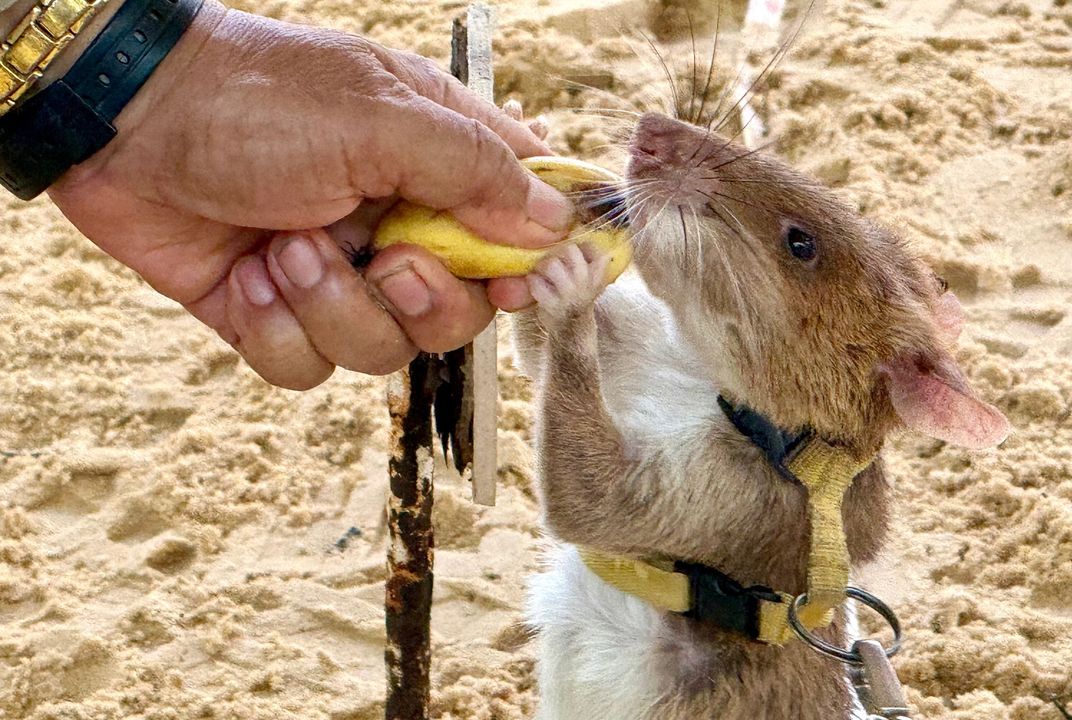
Magawa’s story began in 2013 at the headquarters of APOPO, a Belgium-based nonprofit that trains animals to detect landmines. He was part of an elite group of rats known as HeroRATs, specially trained to identify explosives by scent. Magawa’s training and subsequent success in landmine detection would make him a standout in the program, garnering international recognition for his work.
In 2016, Magawa was deployed to Siem Reap, Cambodia, where he began his career as a landmine detector. Working for APOPO, Magawa contributed to the clearing of 141,000 square meters of land in Cambodia—an area roughly the size of 26 football fields. He was quick, efficient, and methodical in his work, scanning vast areas that would have taken human teams weeks or even months to clear. His ability to clear a tennis-court-sized area in about 20 minutes made him an invaluable asset to the mine-clearing efforts in Cambodia.
The Science Behind the HeroRAT Program
Magawa’s success was largely due to the specialized training he received at APOPO. Using positive reinforcement, the rats were trained to detect the scent of explosives, particularly the chemical compounds found in landmines. The rats’ light weight made them ideal for the task—unlike human deminers or metal detectors, the rats didn’t trigger the mines. Instead, when a rat detected a landmine, it would scratch the surface, signaling to its handler that a potential threat was present.
This method of landmine detection is not only faster than traditional techniques but also significantly safer. Because of their small size and keen sense of smell, HeroRATs are able to navigate treacherous environments without triggering mines themselves. Their work has been instrumental in clearing areas of land that were once deemed too dangerous for human intervention.
Cambodia’s Landmine Problem
Cambodia remains one of the most landmine-contaminated countries in the world. The presence of landmines in Cambodia dates back to the Khmer Rouge era and the subsequent conflicts with Vietnam in the 1970s and 1980s. Millions of landmines were planted across the country, particularly in rural areas, where they continue to pose a deadly threat to local populations.
In the 47 years since the conflict, an estimated 18,800 people have been killed and 45,000 injured by landmines in Cambodia. The presence of landmines has also hindered development, preventing farmers from cultivating their land and restricting access to vital resources. The Cambodian government, alongside international organizations like APOPO, has been working to clear these dangerous remnants of the past. Despite significant progress, it’s estimated that 6 million landmines still remain scattered throughout the country.
Magawa’s Impact and Achievements
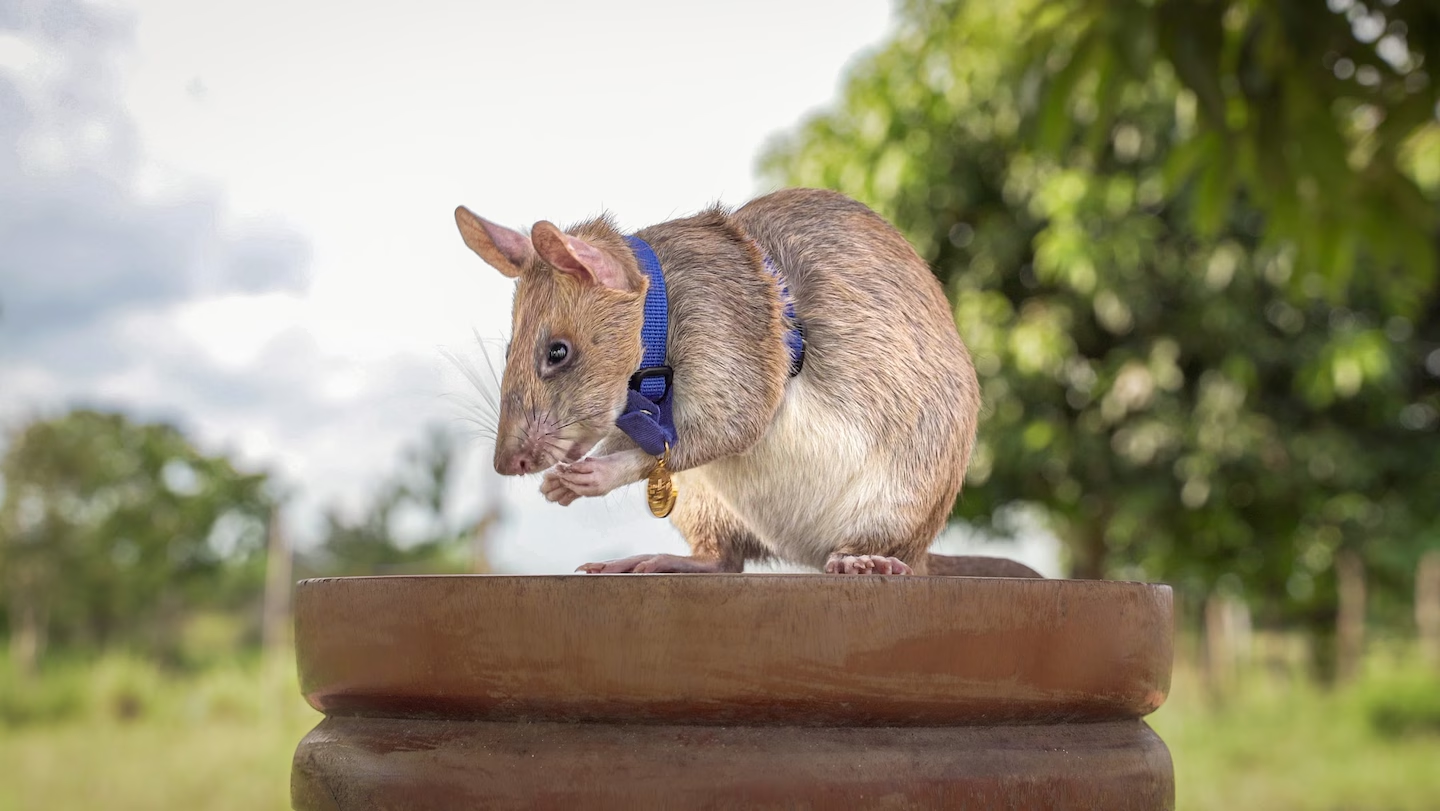
Magawa’s contribution to landmine clearance in Cambodia is nothing short of remarkable. Over the course of his career, he detected more than 100 landmines, a number that surpasses many of his colleagues in the HeroRAT program. His work cleared vast swaths of land, reducing the risk to both local populations and the humanitarian organizations working in the area.
In recognition of his extraordinary work, Magawa received the prestigious PDSA Gold Medal in 2020, becoming the first rat ever to receive the honor. The PDSA Gold Medal is awarded to animals who demonstrate exceptional bravery and devotion to duty, and Magawa’s achievements in landmine detection made him a deserving recipient.
The Unveiling of Magawa’s Statue
On April 4, 2026, the statue of Magawa was unveiled in Siem Reap, Cambodia, marking the third anniversary of his death. The ceremony was attended by officials from the Cambodian government, including the head of the Cambodian Mine Action and Victim Assistance Authority, as well as landmine survivors and children from a local school. The statue, hand-carved by local artists, stands as a tribute to Magawa’s legacy and the ongoing fight to rid Cambodia of its landmine problem.
The monument serves as a reminder of the importance of continued efforts to clear the landmines and the animals—like Magawa—who have played a crucial role in this process. As Michael Raine, a program manager for APOPO, noted, “Magawa delivered excellent results, and this is a good way to remember him and also remind people that there’s still a mine problem here in Cambodia.”
Magawa’s Successor: Ronin
While Magawa’s story has ended, the HeroRAT program continues to thrive. Ronin, Magawa’s successor, is one of the newest standout rats in the program. Ronin has already set a world record for detecting 109 landmines during his four-year career, proving that the legacy of Magawa lives on. Ronin, like Magawa, exhibits the same traits that made his predecessor so effective—quick work, strong focus, and a drive to succeed.
“Ronin has similar traits to Magawa: highly accurate and a strong work drive,” said Michael Raine. “He’s the next generation… there’s still a big job to be done.”
A Bright Future for the HeroRAT Program
The HeroRAT program, which began in 1997, has been a game-changer in the battle against landmines. While Magawa’s contribution was monumental, the work is far from over. With millions of landmines still scattered across Cambodia and other war-torn regions, the need for trained rats to detect explosives is as important as ever.
Apopo’s work continues, training new rats to carry on the legacy of Magawa and his fellow HeroRATs. The ongoing success of the program is a testament to the power of innovation and the unexpected heroes that make a difference in the world.
Magawa’s Enduring Legacy
Magawa’s legacy will endure long after his death. The statue in Siem Reap stands as a permanent reminder of the critical role that animals—like Magawa—have played in the effort to clear landmines and save lives. His bravery, dedication, and the lives he saved are an inspiration to all, and his work will continue to impact the future of landmine detection.
With the HeroRAT program still going strong, the fight to clear the landmines of Cambodia and beyond is far from over. As new generations of HeroRATs, including Ronin, step up to carry the torch, the world can be hopeful that one day, the deadly remnants of past conflicts will be eliminated for good.