

Imagine driving down a highway, your mind focused on the road, when something catches your eye—a small shape hidden near the roadside. At first glance, it seems like just another piece of debris. But something about it doesn’t sit right. You slow down to investigate, and what you discover is something that could change the course of the day—an animal in need of urgent help.
This is exactly what happened when a driver noticed something unusual by the side of the highway. What appeared to be a discarded object turned out to be an animal in distress, leading to a dangerous rescue operation. But this isn’t just a story of one rescue; it’s a reminder of how we all play a role in ensuring the safety of animals, especially when they’re in peril.
Would you be able to act in a situation like this, or would you drive past without realizing the urgency?
Table of Contents
- The Unlikely Hero: A Driver’s Quick Thinking
- The Urgency of Highway Rescues: Why Timing Matters
- The Aftermath: Saving the Dog and What Comes Next
- The Importance of Responsible Driving and Pet Safety
- How Communities Can Prevent Animal Injuries on Highways
- The Financial and Emotional Impact of Animal Rescue
- Home Safety: Pet-Proofing Your Space
- The Role of Technology in Preventing Animal Injuries
- Final Thoughts: The Power of Compassion and Action
The Unlikely Hero: A Driver’s Quick Thinking
As the driver approached a familiar stretch of highway, they noticed what seemed like an unusual object by the roadside. However, something seemed off about it, and instinctively, the driver decided to pull over. Upon closer inspection, they realized the shape wasn’t debris at all—it was a dog, partially hidden and clearly in distress. The dog was trapped and needed immediate help.
The driver didn’t hesitate. They immediately contacted local animal rescue services, and soon, a dangerous rescue operation was underway. But what made this rescue so urgent was not just the condition of the dog—it was the location. Being so close to the highway meant that the dog was at risk of being hit by oncoming traffic. The danger was real, and the pressure was mounting.
This brings up a crucial point: how often do we miss things in our everyday lives? This driver noticed something that could easily have been overlooked. Could you say the same for yourself?
The Urgency of Highway Rescues: Why Timing Matters
When it comes to highway rescues, timing is everything. The danger of being near fast-moving vehicles is high, and any delay can make the difference between life and death. In this case, the driver was able to act quickly, ensuring that the dog was safely removed from the roadside before any harm came to it.
Highway rescues are especially tricky due to the risks involved. Animal rescue teams and volunteers must navigate the added danger of busy, fast-paced traffic, all while trying to reach and protect the animal. Quick thinking, both from the driver and the rescue team, was vital in saving this dog’s life.
If you were the one in this driver’s shoes, would you have acted quickly enough to make a difference?
The Aftermath: Saving the Dog and What Comes Next
After the rescue, the dog was taken to a nearby animal shelter, where it received medical attention and care. It was clear that the dog had been living in a difficult situation, and the emotional and physical toll was evident. But the rescue didn’t stop at saving the dog—it was just the beginning of its journey to recovery.
For the dog, the experience was traumatic, but with proper medical care, nourishment, and a safe environment, the process of healing began. This story highlights something essential about animal welfare: rescue is only the first step. Rehabilitation and emotional recovery are just as important for the animal’s well-being.
How many abandoned or lost pets are out there waiting for someone to take the first step to help? What does it take to create a lasting change for them?
The Importance of Responsible Driving and Pet Safety

While this particular rescue happened near a highway, it raises an important point about pet safety—both in terms of our responsibility as pet owners and the role that drivers play in protecting animals. Highways and busy roads are some of the most dangerous places for animals, and pets can get lost, stray, or even wander into traffic without any warning.
- Pet owners must be responsible for ensuring their animals are properly contained, either in a safe yard or with a leash.
- Drivers need to stay alert for animals that may unexpectedly cross the road, especially in areas known to be prone to stray pets.
- Local governments can help by ensuring there are proper animal crossing signs and fencing in areas where animals are likely to wander onto highways.
Would your home or community be ready to act if you saw an animal in danger on the road? How much do we truly consider the safety of animals around us, especially when driving?
How Communities Can Prevent Animal Injuries on Highways
This story not only underscores the importance of personal responsibility in animal rescue but also highlights how community awareness can play a role in preventing injuries to animals. For example:
- Community organizations and local shelters can educate the public about the dangers of abandoning animals near highways.
- Pet identification systems like microchips or GPS collars can help reunite pets with their owners before they end up in dangerous situations.
- Collaboration between animal welfare groups and local authorities can help set up safe zones for animals near busy streets.
Think about this: How can we, as individuals and communities, ensure that fewer animals are lost or abandoned on highways? Are there steps you could take today to raise awareness or protect local wildlife?
The Financial and Emotional Impact of Animal Rescue
While the rescue itself was undoubtedly heartwarming, it also highlights the costs involved in animal welfare and the need for investment in rescue operations. From veterinary bills to transportation and temporary housing, rescues require significant resources. For the rescued dog, the journey didn’t end with just a safe arrival at the shelter—it included a long recovery period with medical care and therapy.
This brings us to an important consideration: the financial aspect of animal welfare. Animal rescues, shelters, and veterinary care all come with costs that must be met through donations, volunteering, and community funding. For animal lovers and rescue advocates, this can be an opportunity to contribute.
If we all contributed a little—whether by donating, volunteering, or advocating—we could ensure that more animals receive the help they need.
Home Safety: Pet-Proofing Your Space
Just as we discussed the dangers animals face on highways, home safety is just as crucial. In fact, many pets get injured or lost because of unsecured areas around the home. Here are some ways to protect your pets and ensure they don’t end up in harm’s way:
- Secure Your Yard: Fences should be tall enough and free of gaps where animals can escape.
- Leash Laws: Always keep pets on a leash when walking near busy streets or highways.
- Pet Identification: Make sure your pets are microchipped or wear visible identification in case they get lost.
- Supervised Outdoor Time: If your pet spends time outdoors, ensure they are supervised to prevent them from wandering off.
How safe is your home for your pets? Could you make your environment more secure to prevent situations like this one?
The Role of Technology in Preventing Animal Injuries
We live in a time when technology can significantly improve both animal welfare and home security. Here’s how technology can help:
- GPS Pet Trackers: These devices allow you to track your pet’s movements in real time, preventing them from wandering off without you knowing.
- Smart Cameras: Use cameras around your home and yard to keep an eye on your pets when they’re outside.
- Motion Detection Systems: Install sensors to detect movement around your property, especially in areas where animals might approach busy roads.
Would you consider investing in smart tech to protect your pet and improve their safety at home?
Final Thoughts: The Power of Compassion and Action
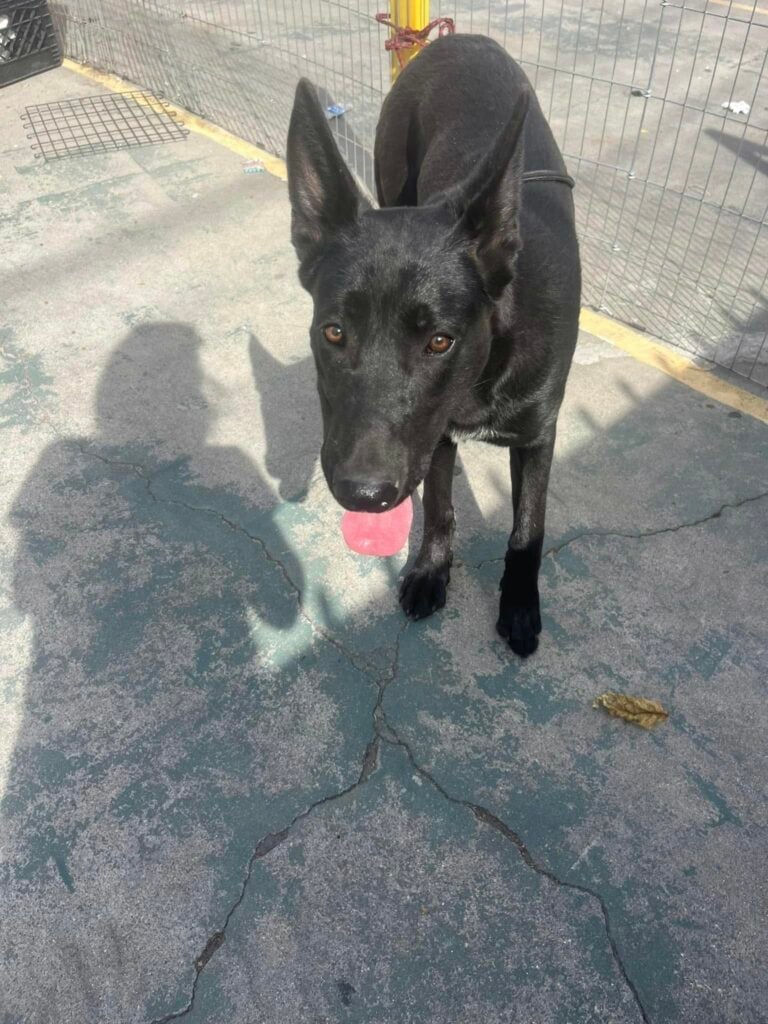
The rescue of the dog near the highway was a reminder that sometimes, a moment of awareness can change everything. Whether it’s a driver noticing an animal in need, a rescue team stepping in to save a life, or a community rallying to raise awareness, each act of kindness plays a role in creating a safer, more compassionate world for animals.
As we continue to be vigilant in protecting our pets, our communities, and our wildlife, we can work together to reduce accidents and ensure that every animal is treated with the respect and care they deserve.
Stay tuned for our next article on “Pet Safety Tech: How Smart Devices Are Changing the Future of Animal Protection”, where we dive into the latest innovations in keeping pets safe.