
Table of Contents
- The Challenge of Introducing a Kitten to an Older Cat
- Understanding Your Older Cat’s Behavior
- Preparing Your Home for the New Kitten
- Introducing the Cats: Gradual Exposure Is Key
- Signs of Stress and How to Handle Them
- Building Positive Relationships: Encouraging Interaction
- What to Do if the Introduction Doesn’t Go as Planned
- Conclusion: A Harmonious Home for Both Cats
The Challenge of Introducing a Kitten to an Older Cat
Introducing a new kitten to an older cat can be a daunting experience for both the pets and their owners. Cats are territorial animals, and an established adult cat may feel threatened or annoyed by the presence of a new kitten. However, with patience, understanding, and a few helpful tips, you can create a peaceful and harmonious relationship between the two.
This guide will walk you through the process of introducing a kitten to your older cat in a way that minimizes stress and promotes positive interactions. By understanding the dynamics of both the kitten and the older cat, you can ensure that the introduction is successful and that both cats feel comfortable and secure in their shared space.
Understanding Your Older Cat’s Behavior
Before diving into the introduction process, it’s important to understand your older cat’s temperament and behavior. Older cats, particularly those who have been the only pet in the house for a while, may have developed strong territorial instincts. They are used to having the household and their space to themselves, and any disruption to this routine can cause stress.
Many cats are naturally cautious when meeting new animals, and they may show signs of aggression or anxiety when faced with a new kitten. These behaviors could include hissing, growling, or hiding. Understanding that these reactions are normal will help you remain patient throughout the introduction process.
Additionally, consider your cat’s health, as older cats may have physical limitations or illnesses that could influence how they interact with a new pet. If your older cat is dealing with health issues, it’s essential to take things even more slowly to avoid causing unnecessary stress.
Preparing Your Home for the New Kitten
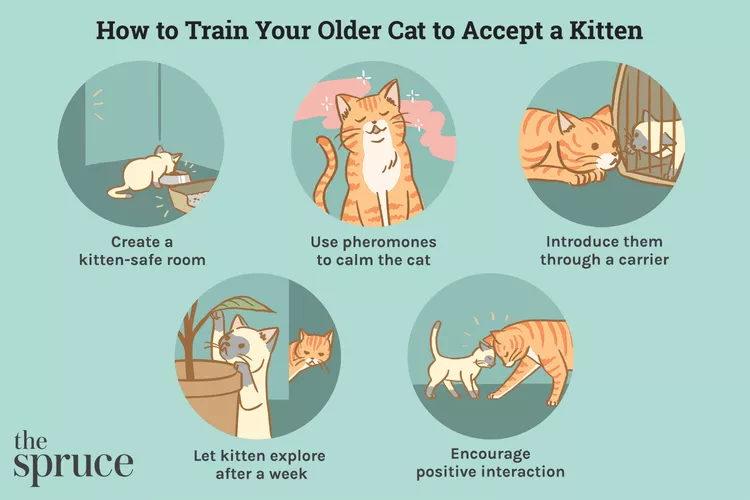
Before introducing your new kitten to your older cat, it’s important to make sure your home is prepared for the new arrival. One of the most important steps is to create a separate space for the kitten where it can feel safe and secure. This space should be equipped with food, water, a litter box, and a comfortable bed. It should also be a place where your older cat cannot easily access to prevent stress before the introduction.
This space allows the kitten to settle in and get accustomed to its new surroundings without feeling overwhelmed by the older cat. It also gives your older cat time to adjust to the idea of a new presence in the home.
During the first few days, keep the kitten in a separate room and allow the older cat to get used to the kitten’s scent without direct contact. This will help prevent any territorial aggression and give both animals time to adjust gradually.
Introducing the Cats: Gradual Exposure Is Key
The key to a successful introduction is taking it slow and allowing both cats to adjust at their own pace. Directly introducing the two cats right away can cause a lot of stress and potentially lead to aggression. Instead, follow these steps for a gradual introduction:
- Scent Exchange: Start by allowing the cats to become familiar with each other’s scent. You can do this by swapping bedding between the kitten and the older cat or gently rubbing a cloth on one cat and then letting the other cat smell it. This process helps the cats become accustomed to each other’s scent without the need for direct contact.
- Meal Time Association: Cats are often more willing to associate positive experiences with each other if food is involved. Try feeding both cats on opposite sides of a closed door, so they can smell and hear each other but not physically interact. Gradually, you can move their food bowls closer to the door over time to further associate each other’s presence with something enjoyable.
- Controlled Visual Introduction: After a few days of scent exchange and positive associations with food, you can start with controlled visual introductions. Use a baby gate, cracked door, or pet carrier to allow the cats to see each other without being able to make physical contact. Watch how they react—if they seem calm or curious, this is a good sign that the introduction is progressing well.
- Short, Supervised Meetings: Once the cats have shown signs of curiosity and are no longer reacting aggressively to each other’s scent or presence, allow them to meet face-to-face in a controlled, neutral space. Keep the interactions brief, and closely monitor their behavior. If either cat shows signs of aggression or fear, separate them and give them some time to calm down before trying again.
Signs of Stress and How to Handle Them
During the introduction process, it’s important to keep an eye out for signs of stress or aggression from either cat. Some signs that your older cat may be stressed include:
- Excessive hissing or growling
- Hiding or avoiding contact with you
- Loss of appetite or changes in eating habits
- Scratching or clawing at furniture or doors
If your older cat is displaying these behaviors, it’s essential to slow down the introduction process and give them more time to adjust. Don’t force interactions between the cats, as this could make the situation worse. Allow your older cat to approach the kitten at their own pace.
For the kitten, signs of stress may include excessive meowing, refusal to eat, or hiding. If the kitten seems overwhelmed, return it to its safe space and allow it to calm down before attempting another introduction.
Building Positive Relationships: Encouraging Interaction
Once both cats are comfortable with each other’s presence, it’s time to encourage positive interactions. Here are a few tips for fostering a bond between your older cat and the new kitten:
- Play Together: One of the best ways to encourage positive interactions is to engage both cats in playtime. Use interactive toys, like feather wands or laser pointers, to get them to focus on something enjoyable together. Playtime can help both cats feel more comfortable with each other’s presence while providing a distraction from any potential tension.
- Reinforce Good Behavior: Whenever your older cat and kitten interact peacefully, make sure to reward them with praise, treats, or extra playtime. Positive reinforcement helps both cats understand that calm and friendly behavior leads to rewards.
- Give Individual Attention: It’s important to continue to give your older cat individual attention and care during this process. Sometimes, older cats may feel neglected during the introduction, so spend quality time with them to ensure they feel secure and loved.
What to Do if the Introduction Doesn’t Go as Planned
While many cat introductions go smoothly, some may take longer, and in rare cases, they may not work out as expected. If your older cat is showing signs of extreme aggression or fear that don’t subside after a prolonged period, it may be necessary to seek professional help from a veterinarian or animal behaviorist.
It’s also possible that some cats simply do not get along, and in such cases, you may need to provide each cat with their own space in the home. However, don’t give up too quickly—many cats eventually learn to coexist peacefully with time and patience.
Conclusion: A Harmonious Home for Both Cats
Introducing a kitten to an older cat can be a challenging but rewarding experience. With patience, understanding, and a gradual introduction, it is possible for both cats to form a bond and coexist peacefully. Every cat is different, and some may take longer to adjust than others, but with the right approach, your older cat and new kitten can live together in harmony.
Remember to take it slow, observe their behavior, and provide positive reinforcement when needed. By doing so, you’ll help create a loving and secure environment for both your older cat and new kitten, allowing them to build a friendship that will last for years to come.