
Table of Contents
- The Zoo’s Breeding Program That Never Worked
- The Discovery That Shocked The Zoo
- Why Spotted Hyenas Are So Difficult To Sex
- The Internet Reacted With Humor And Fascination
- Why Hyena Conservation Matters
- The Strange World Of Spotted Hyena Society
- Why Captive Breeding Is Often More Complicated Than People Realize
- The Challenges Of Animal Identification Across Zoos
- Why People Are Fascinated By Animal Stories Like This
- The Zoo’s Plans Moving Forward
- What The Story Reveals About Nature And Science
The Zoo’s Breeding Program That Never Worked
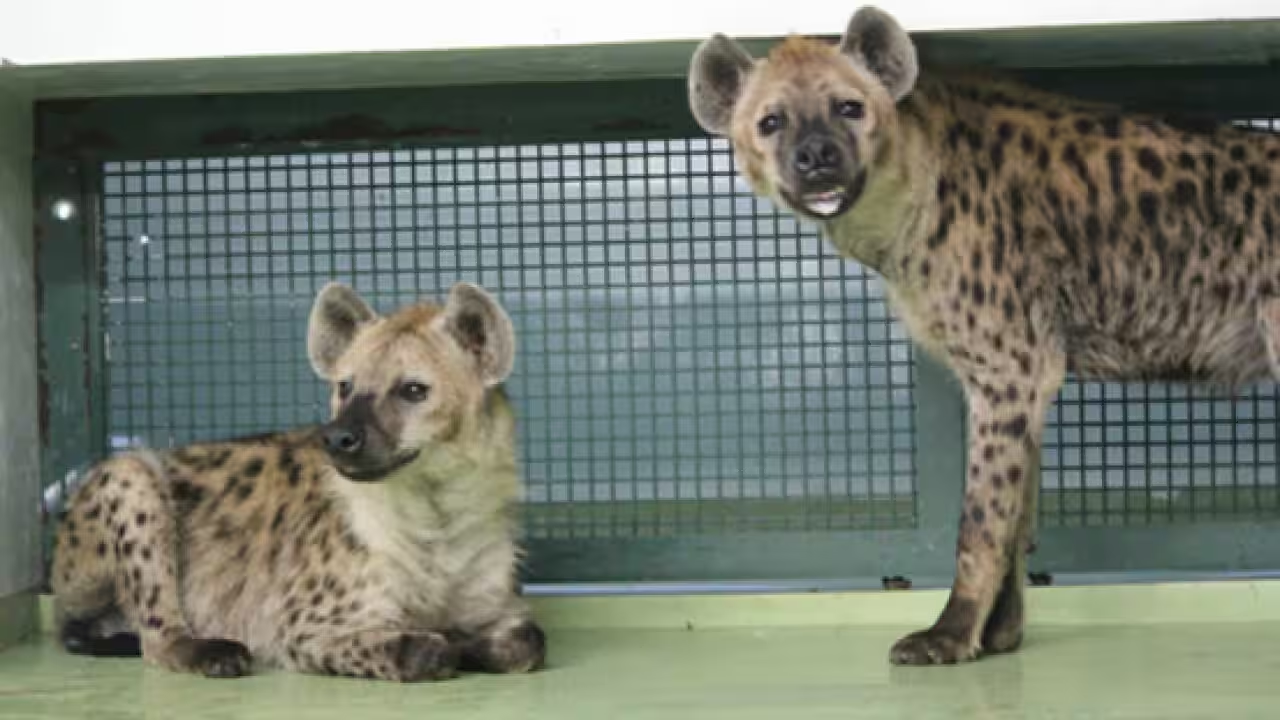
Maruyama Zoo in Sapporo had reportedly spent years trying to encourage breeding between Kami and Kamutori after receiving the pair from a South Korean zoo in 2010.
At the time of the transfer, the animals had been identified as a male and female pair suitable for breeding. Since spotted hyenas are relatively uncommon in zoos, successful reproduction would have been important for conservation efforts and long term captive population management.
But over time, zookeepers noticed something unusual.
Whenever the animals were housed together for breeding attempts, the encounters often ended in aggression rather than mating behavior. Instead of showing signs of pair bonding or reproductive interest, the hyenas frequently fought with each other.
At first, staff likely interpreted the behavior as compatibility issues or stress related challenges common in captive breeding programs. Animal reproduction in zoos is rarely simple. Many species require careful environmental adjustments, social compatibility, and timing.
However, one major clue eventually raised deeper questions: Kami, the supposedly female hyena, never displayed signs of estrus after reaching sexual maturity.
That inconsistency ultimately led the zoo to conduct more thorough testing.
The Discovery That Shocked The Zoo
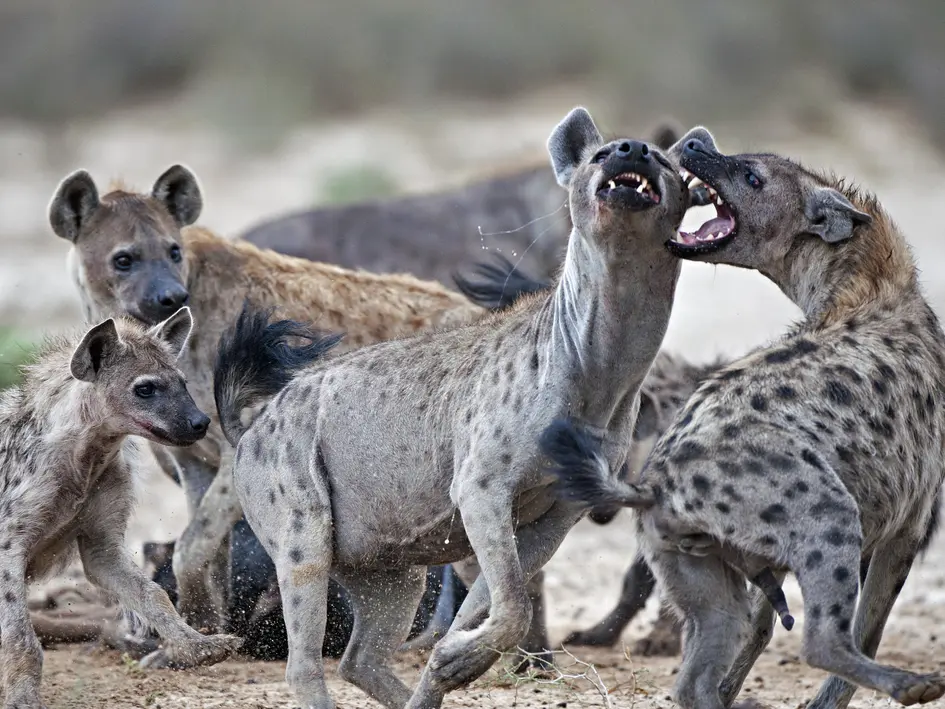
After years of failed breeding attempts, zoo veterinarians performed detailed medical examinations under anesthesia.
Using ultrasound imaging and hormone testing, they made an unexpected discovery: both Kami and Kamutori were male.
The announcement immediately drew global media attention because the misunderstanding had persisted for years despite both animals being managed as a breeding pair.
For many casual observers, the mistake sounded almost impossible. How could professional animal experts fail to identify the sex of two large mammals?
But experts familiar with spotted hyenas understood the explanation immediately.
Unlike many mammals, spotted hyenas possess some of the most unusual reproductive anatomy in the animal kingdom.
Why Spotted Hyenas Are So Difficult To Sex
The reason behind the confusion lies in the extraordinary biology of female spotted hyenas.
Female spotted hyenas possess enlarged genital structures that closely resemble male anatomy. In fact, the female’s clitoris is elongated to such an extent that it appears very similar to a penis. Females also lack the external vaginal opening typically seen in many mammals.
This unusual anatomy has fascinated and confused scientists for decades.
The similarities are so striking that determining sex visually can be extremely difficult, especially in younger animals or situations where detailed examinations are not performed. Even experienced professionals can struggle without advanced medical testing.
Researchers believe these anatomical traits are linked partly to the species’ hormonal environment and highly unusual social structure.
Among spotted hyenas, females dominate males socially. Female hyenas are often larger, more aggressive, and more socially powerful than males within clan hierarchies.
Their biology reflects this extraordinary evolutionary path.
The Maruyama Zoo case became a viral sensation largely because it revealed how strange and unfamiliar spotted hyenas truly are compared to public assumptions about mammals.
The Internet Reacted With Humor And Fascination
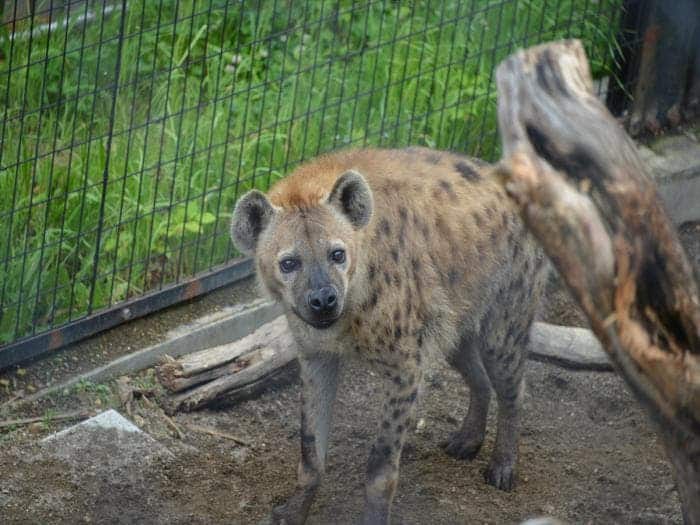
As soon as news of the discovery spread online, social media users reacted with endless jokes, memes, and disbelief.
Many people found humor in the idea that a zoo had unknowingly spent years trying to breed two male hyenas. Headlines describing the failed breeding attempts quickly spread across international news outlets and internet forums.
But beyond the jokes, the story also sparked genuine curiosity about spotted hyena biology.
Searches for hyena anatomy, female hyena behavior, and hyena reproduction reportedly surged after the news became widely shared. Many readers were shocked to learn that female spotted hyenas are among the most dominant females in the mammal world.
Wildlife experts often note that viral animal stories can unexpectedly educate large audiences. In this case, a humorous misunderstanding introduced millions of people to fascinating evolutionary science.
The internet initially laughed at the zoo’s mistake. Then many people became genuinely intrigued by the animal itself.
Why Hyena Conservation Matters
Although the story became comedic online, captive breeding programs serve an important purpose for many species.
Spotted hyenas are not currently among the world’s most critically endangered animals, but maintaining genetically healthy captive populations still matters for conservation, education, and research. Zoos around the world coordinate breeding efforts carefully to avoid inbreeding and preserve long term population stability.
Breeding programs often involve international cooperation, animal transfers, veterinary evaluations, and behavioral monitoring.
That complexity means mistakes can happen, especially with species possessing unusual biology.
The Maruyama Zoo case also highlighted how difficult wildlife management can become when dealing with animals that are not commonly understood even by experienced professionals.
For conservationists, the situation was embarrassing but also scientifically understandable.
The Strange World Of Spotted Hyena Society
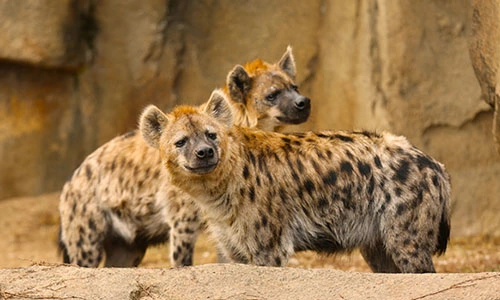
Part of what makes spotted hyenas so fascinating is that nearly everything about their social system challenges common assumptions about predators.
Popular culture often portrays hyenas as cowardly scavengers, largely influenced by movies and stereotypes. In reality, spotted hyenas are highly intelligent, cooperative hunters with complex social structures.
Their clans can include dozens of individuals organized into strict dominance hierarchies led by females. Female hyenas inherit social rank and often outrank adult males throughout their lives.
Scientists have studied hyenas extensively because their societies display advanced cooperation, strategic thinking, communication, and political behavior surprisingly similar to some primates.
Their unusual reproductive anatomy remains one of the most discussed features in animal biology because it appears connected to their dominance driven social evolution.
The Maruyama Zoo incident accidentally introduced many people to this broader scientific fascination.
Why Captive Breeding Is Often More Complicated Than People Realize
To outsiders, zoo breeding programs may sound simple: place a male and female together and wait for offspring.
In reality, successful captive breeding is enormously complex.
Animals must be behaviorally compatible, healthy, genetically appropriate, and environmentally comfortable. Some species require carefully simulated seasonal conditions or social environments before reproduction occurs naturally.
Stress, enclosure design, diet, medical conditions, and social hierarchy can all affect breeding success.
In some cases, animals simply do not reproduce despite years of effort.
That complexity initially delayed suspicion at Maruyama Zoo. Failed breeding attempts alone are not unusual in zoo management. It took repeated inconsistencies and the absence of expected reproductive signs before staff decided to conduct deeper testing.
The case became a reminder that zoological work involves constant observation, adaptation, and scientific uncertainty.
The Challenges Of Animal Identification Across Zoos
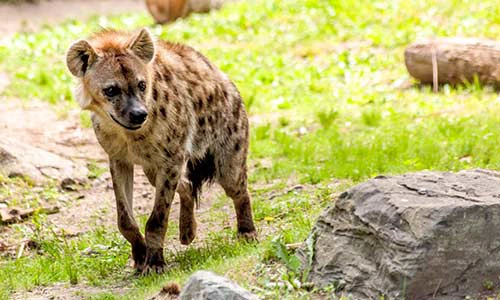
The story also raised broader questions about animal identification and transfers between zoological institutions.
When animals move internationally between zoos, institutions rely heavily on records, veterinary assessments, and prior documentation. In this case, the hyenas reportedly arrived from South Korea already identified as a breeding pair.
Errors in animal sex identification are uncommon but not unheard of, especially among species with subtle or deceptive anatomical differences.
For certain reptiles, birds, fish, and mammals, advanced testing may be necessary for complete certainty. Some species show very limited external sexual differences, particularly at young ages.
The hyena case became unusually famous because the misunderstanding lasted so long and involved such a biologically unusual species.
Still, experts noted that the mistake was scientifically understandable rather than absurd incompetence.
Why People Are Fascinated By Animal Stories Like This
The viral success of the story reflects humanity’s deep fascination with animals, especially when those animals challenge familiar assumptions.
People are naturally drawn to stories involving surprise, humor, or strange biological facts. The hyena case combined all three.
The idea that professional zookeepers unknowingly housed two males together for years created instant curiosity. But the deeper reason the story endured is because it revealed something genuinely extraordinary about nature itself.
Spotted hyenas defy many traditional expectations surrounding gender roles, anatomy, social power, and behavior in mammals.
Stories like this also remind people that nature is far stranger and more complicated than simplified textbook descriptions often suggest.
That unpredictability is part of what keeps animal science endlessly fascinating.
The Zoo’s Plans Moving Forward
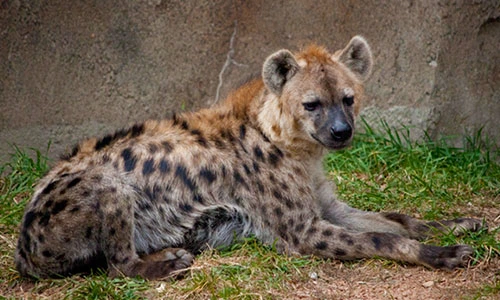
Despite the failed breeding program, Maruyama Zoo announced it still hoped to continue breeding efforts in the future.
The zoo stated it planned to obtain a female spotted hyena so that either Kami or Kamutori could potentially participate in a successful breeding program later on.
The announcement reflected an important reality of modern zoos: setbacks are common, but conservation work continues.
Captive breeding programs often involve long timelines, international coordination, and repeated challenges before success occurs. Patience becomes part of the process.
For the zoo, the story may have brought temporary embarrassment, but it also generated worldwide attention and unexpectedly educated millions about spotted hyenas.
What The Story Reveals About Nature And Science
The Maruyama Zoo hyena story remains memorable not simply because it was funny, but because it exposed how little most people know about some of the animal kingdom’s most remarkable species.
At first glance, the headline sounded almost absurd: a zoo accidentally trying to breed two male hyenas for years. But beneath the humor was a genuinely fascinating scientific explanation involving one of evolution’s strangest mammals.
The story also demonstrated how science constantly involves uncertainty, observation, and correction. Even experienced experts can encounter surprises when dealing with complex biology.
Most importantly, the viral reaction showed how curiosity can spread rapidly when science intersects with humor and storytelling. Millions of people who would never normally read about spotted hyena anatomy suddenly found themselves learning about hormones, reproductive evolution, social hierarchy, and zoological research.
In the end, the failed breeding program accomplished something unexpected. It transformed two hyenas in a Japanese zoo into global ambassadors for one of nature’s strangest and most misunderstood species.
And for many readers, the story became a reminder that the natural world is often far more bizarre, complicated, and fascinating than fiction could ever invent.