
Table of Contents
- A Mayor Steps Into the National Spotlight
- The Debate Over ICE Intensifies
- A Personal Perspective Shaped by Experience
- A Tragic Incident Fuels the Conversation
- Tensions Between Local and Federal Authorities
- The Role of Sanctuary Cities in the Debate
- Public Safety Versus Public Perception
- Political Risks and National Implications
- The Human Dimension of Immigration Policy
- What Comes Next for Immigration Debate
- A City at the Center of a National Conversation
A Mayor Steps Into the National Spotlight
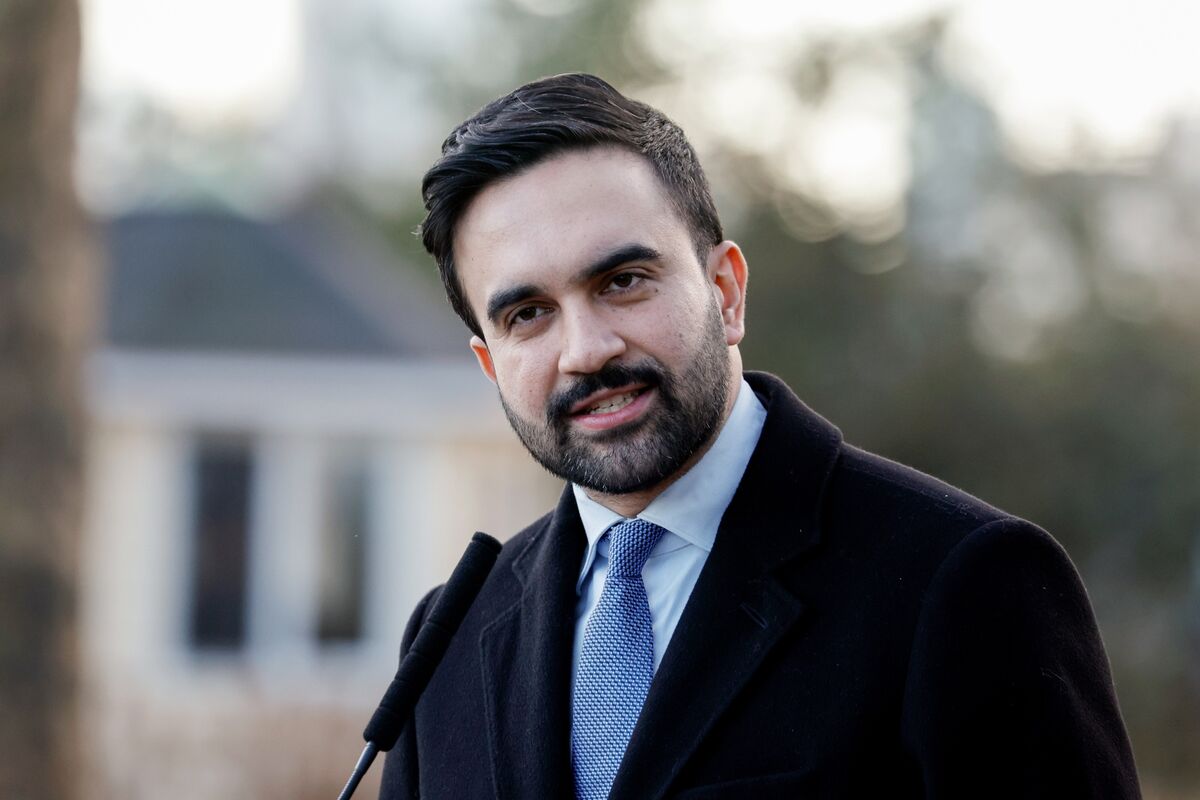
Zohran Mamdani’s rise to the mayor’s office marked a significant moment for New York City, a place long defined by its diversity and complex relationship with immigration policy. As a naturalized citizen born outside the United States, Mamdani has consistently framed his political identity around inclusion, equity, and protection for immigrant communities. His early days in office have been closely watched, not only by New Yorkers but by observers across the country.
His recent television appearance was meant to be a routine discussion about his first weeks in office. Instead, it quickly became a defining moment. When asked about calls from some Democrats to abolish ICE, Mamdani did not hesitate. He expressed clear support, positioning himself firmly within one side of an increasingly polarized national conversation. His remarks immediately drew attention, both for their directness and for the broader implications they carry.
The Debate Over ICE Intensifies

The question of whether ICE should continue to exist has been a contentious issue for years, but recent events have intensified the debate. Critics argue that the agency has overstepped its mandate, operating in ways that undermine trust within communities and raise concerns about civil liberties. Supporters, on the other hand, maintain that ICE plays a critical role in enforcing immigration laws and maintaining national security.
Mamdani’s comments brought renewed urgency to this discussion. By stating that he supports abolishing ICE, he aligned himself with a group of policymakers and activists who believe the current system is fundamentally flawed. His reasoning focused on the idea that the agency is not fulfilling its intended purpose and instead contributes to fear and instability among residents.
This perspective reflects a broader shift in how some leaders are approaching immigration enforcement. Rather than focusing solely on legal frameworks, the conversation is increasingly centered on human impact and the lived experiences of those affected by enforcement actions.
A Personal Perspective Shaped by Experience
Mamdani’s stance is not new. Throughout his political career, he has been outspoken in his criticism of ICE. During his campaign, he described the agency in strong terms, suggesting that it operates without sufficient accountability or adherence to legal standards. His background as an immigrant has shaped his perspective, giving him a personal connection to the issues at the heart of the debate.
In his recent remarks, he emphasized the emotional toll of enforcement actions, describing scenes of individuals being removed from their homes and communities. These images, he argued, are not isolated incidents but part of a broader pattern that undermines trust and creates fear. For Mamdani, the issue is not just about policy. It is about the values that guide how a society treats its residents.
His comments resonate with many who feel that immigration enforcement has become too aggressive. At the same time, they have drawn criticism from those who believe such views overlook the importance of enforcing existing laws.
A Tragic Incident Fuels the Conversation
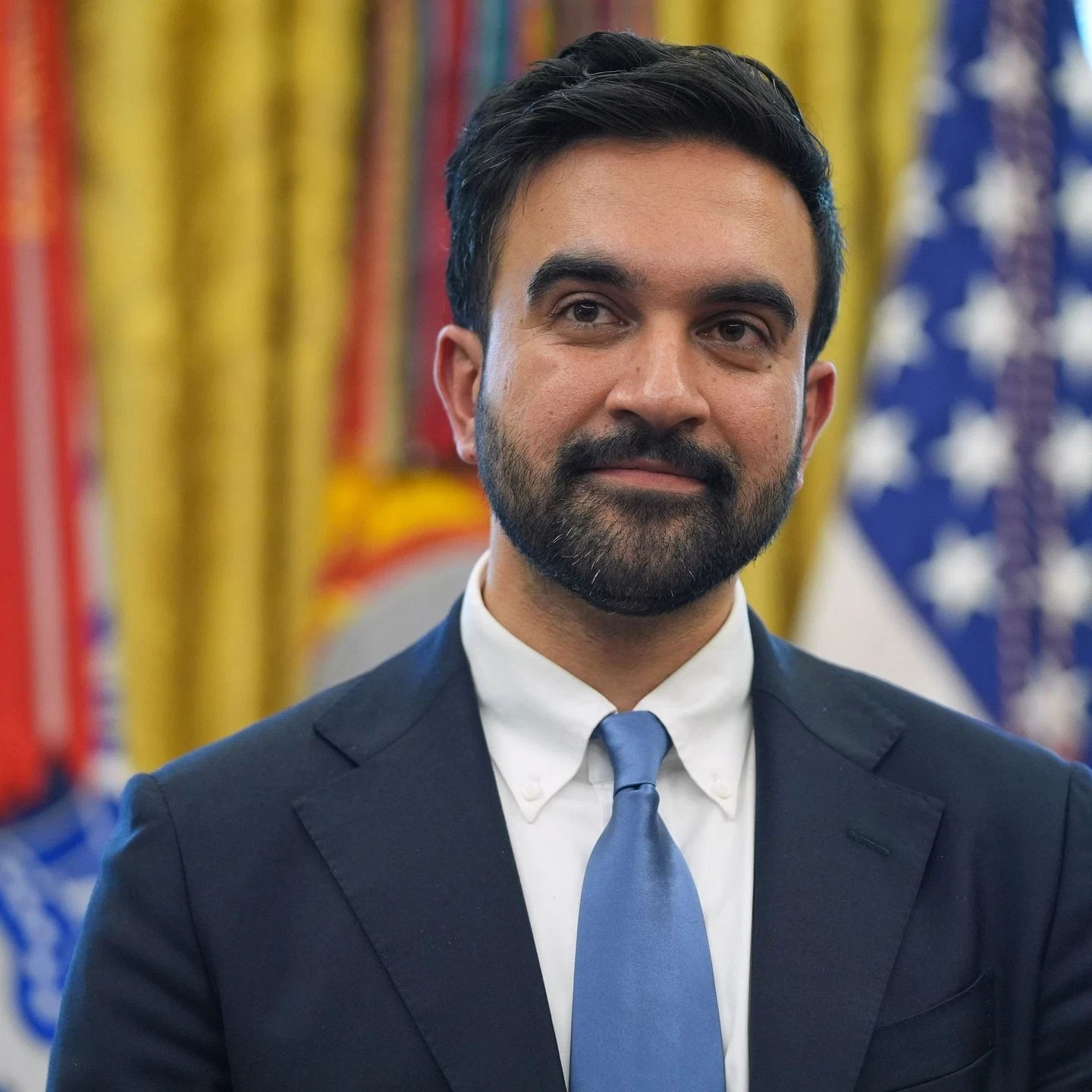
The debate has been further intensified by recent incidents involving ICE operations. One such case involved the fatal shooting of a civilian during an enforcement action, which has become a focal point for critics of the agency. Events like this have amplified calls for reform or abolition, as they raise questions about oversight, accountability, and the use of force.
While details surrounding such incidents are often complex and contested, their impact on public perception is undeniable. They serve as powerful examples for those arguing that the current system is broken and in need of fundamental change. For Mamdani, these events reinforce his belief that the agency is not operating in a way that aligns with its stated mission.
At the same time, federal authorities have pushed back against these narratives, emphasizing the challenges of enforcing immigration laws and the need to address individuals who may pose risks to public safety. This tension between local leaders and federal agencies underscores the complexity of the issue.
Tensions Between Local and Federal Authorities
Mamdani’s position also highlights a broader conflict between local governments and federal authorities. Cities like New York have adopted policies that limit cooperation with federal immigration enforcement, often referred to as sanctuary policies. These measures are designed to encourage trust between immigrant communities and local law enforcement.
However, they have also drawn criticism from federal officials, who argue that such policies hinder their ability to enforce the law. The relationship between city governments and federal agencies has become increasingly strained, with each side asserting its own priorities and responsibilities.
Mamdani has made it clear that he intends to stand firm in defending New York’s approach. He has emphasized that the city’s values are not negotiable and that protecting residents remains his top priority. This stance sets the stage for potential clashes with federal authorities, particularly as debates over funding and policy continue.
The Role of Sanctuary Cities in the Debate
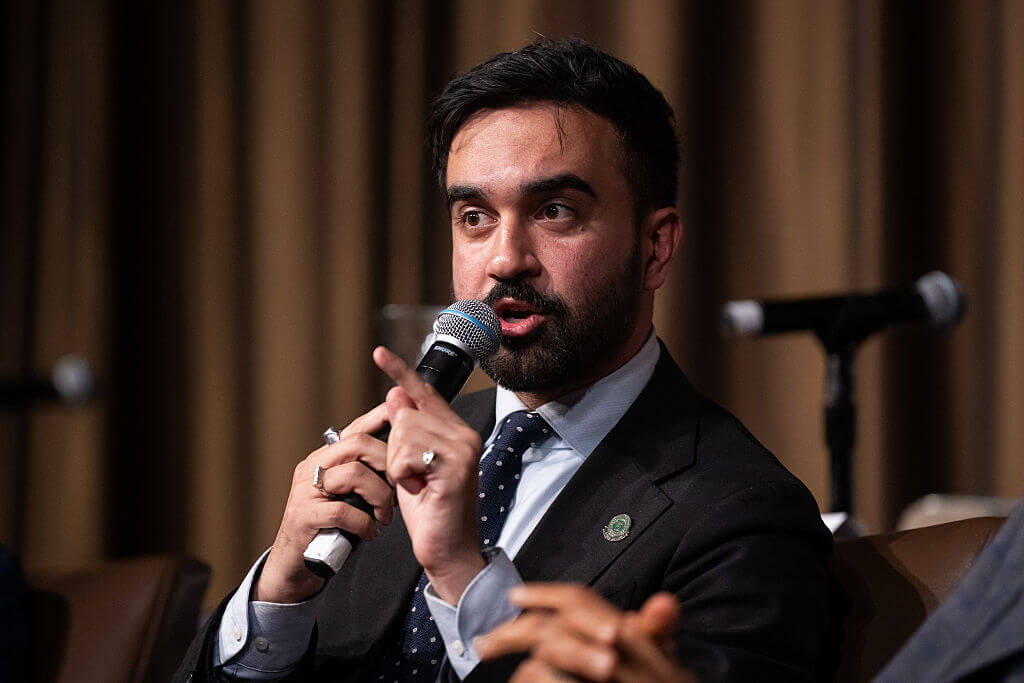
Sanctuary cities have become a central point of contention in the national conversation about immigration. Supporters argue that these policies make communities safer by encouraging cooperation with local law enforcement, regardless of immigration status. Critics contend that they create loopholes that allow individuals to evade federal enforcement.
Mamdani has defended the concept, noting that it has received support from leaders across the political spectrum in the past. He argues that focusing on individuals who have committed serious crimes is a more effective approach than broad enforcement actions that target large groups of people.
This perspective reflects a shift toward more targeted enforcement strategies, but it also raises questions about how to balance public safety with community trust. The debate is likely to continue, especially as new leaders like Mamdani bring fresh perspectives to the issue.
Public Safety Versus Public Perception
One of the central themes in Mamdani’s remarks is the distinction between public safety and public perception. He argues that aggressive enforcement tactics do not necessarily make communities safer. Instead, they may create an environment of fear that discourages people from cooperating with authorities or seeking help when needed.
This argument challenges traditional views of law enforcement, suggesting that safety is not solely determined by the presence of enforcement but by the quality of relationships within communities. It also raises important questions about how policies are evaluated and what metrics are used to measure success.
Opponents of this view argue that enforcement is a necessary component of maintaining order and that weakening agencies like ICE could have unintended consequences. The debate ultimately centers on differing visions of what safety means and how it should be achieved.
Political Risks and National Implications
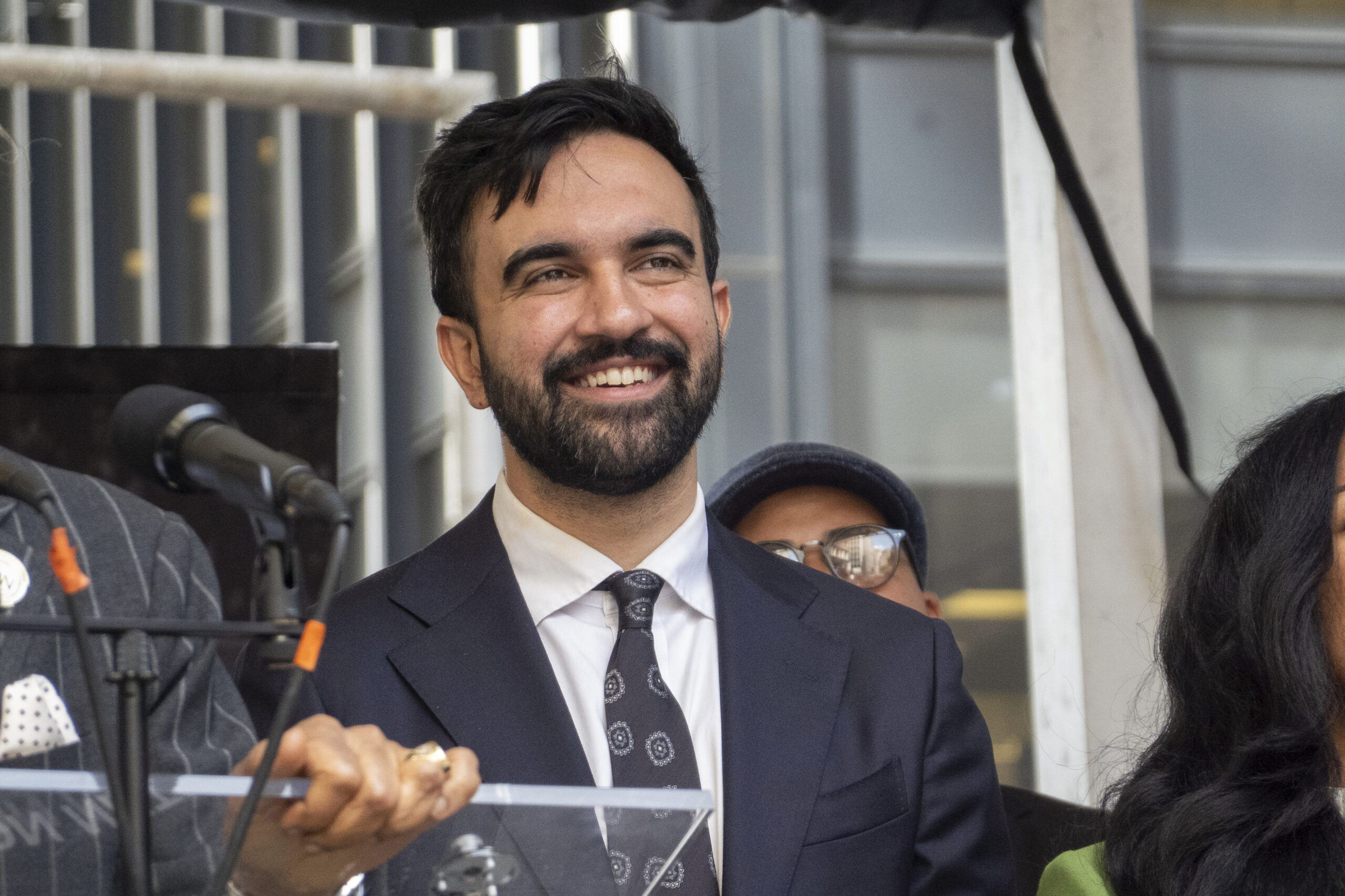
By taking a strong stance on such a controversial issue, Mamdani is also taking on significant political risk. His comments are likely to resonate with some voters while alienating others. In a city as diverse as New York, navigating these dynamics will be a critical challenge.
Beyond local politics, his remarks have national implications. As one of the country’s most prominent mayors, his views carry weight in broader policy discussions. They may influence how other leaders approach the issue and contribute to shaping the direction of the debate in the years ahead.
The response from federal officials, including the president, will also play a key role. Threats to cut funding to cities that adopt certain policies have already been مطرح, raising the stakes for local leaders who must balance their priorities with practical considerations.
The Human Dimension of Immigration Policy
At the heart of the debate is a deeply human issue. Immigration policy is not just about laws and regulations. It is about people, families, and communities. Mamdani’s remarks reflect an effort to bring that human dimension to the forefront, emphasizing empathy and understanding.
He has spoken about the impact of enforcement actions on individuals who may have built lives in the United States, often for many years. These stories highlight the complexity of the issue and the challenges of finding solutions that address both legal and moral considerations.
For many observers, this focus on humanity represents a necessary shift in the conversation. For others, it raises concerns about how to balance compassion with the need to enforce the law.
What Comes Next for Immigration Debate
As the debate over ICE and immigration enforcement continues, the coming months will be critical. Mamdani’s comments have added a new layer of urgency to an already complex issue, prompting discussions that extend far beyond New York City.
Policymakers will need to grapple with difficult questions about the role of federal agencies, the rights of individuals, and the responsibilities of local governments. The outcome of these discussions will have lasting implications for how immigration is managed in the United States.
For now, Mamdani’s stance serves as a reminder that leadership often involves taking positions that spark debate and challenge existing norms. Whether his views lead to meaningful change or deepen divisions remains to be seen.
A City at the Center of a National Conversation
New York City has long been a symbol of immigration and diversity, making it a natural focal point for debates about policy and identity. Under Mamdani’s leadership, the city is once again at the center of a national conversation, one that touches on some of the most fundamental questions facing the country today.
As summer approaches and political tensions continue to rise, the discussion around ICE, immigration enforcement, and community safety is unlikely to fade. Instead, it will continue to evolve, shaped by new developments, shifting public opinion, and the actions of leaders at every level of government.
In the end, the significance of this moment lies not just in what was said during a television appearance, but in what it represents. It is a reflection of a changing political landscape, a growing demand for accountability, and an ongoing struggle to define what justice and security mean in a complex and diverse society.