
Table of Contents
- Idaho Prepares For A Historic Execution Shift
- Why Idaho Is Moving Away From Lethal Injection
- What The New Rules Explain
- Who Can Serve On The Firing Squad
- Training Becomes A Major Requirement
- How The Execution Chamber Will Operate
- Medical Staff And Death Determination
- Witnesses, Media, And Public Access
- What Happens If A Court Issues A Stay
- The Chamber Renovation And Cost
- Idaho’s Place In The National Death Penalty Debate
- Critics See A Troubling Return
- Supporters Say The State Must Carry Out Sentences
- A New Chapter Begins July 1
Idaho Prepares For A Historic Execution Shift
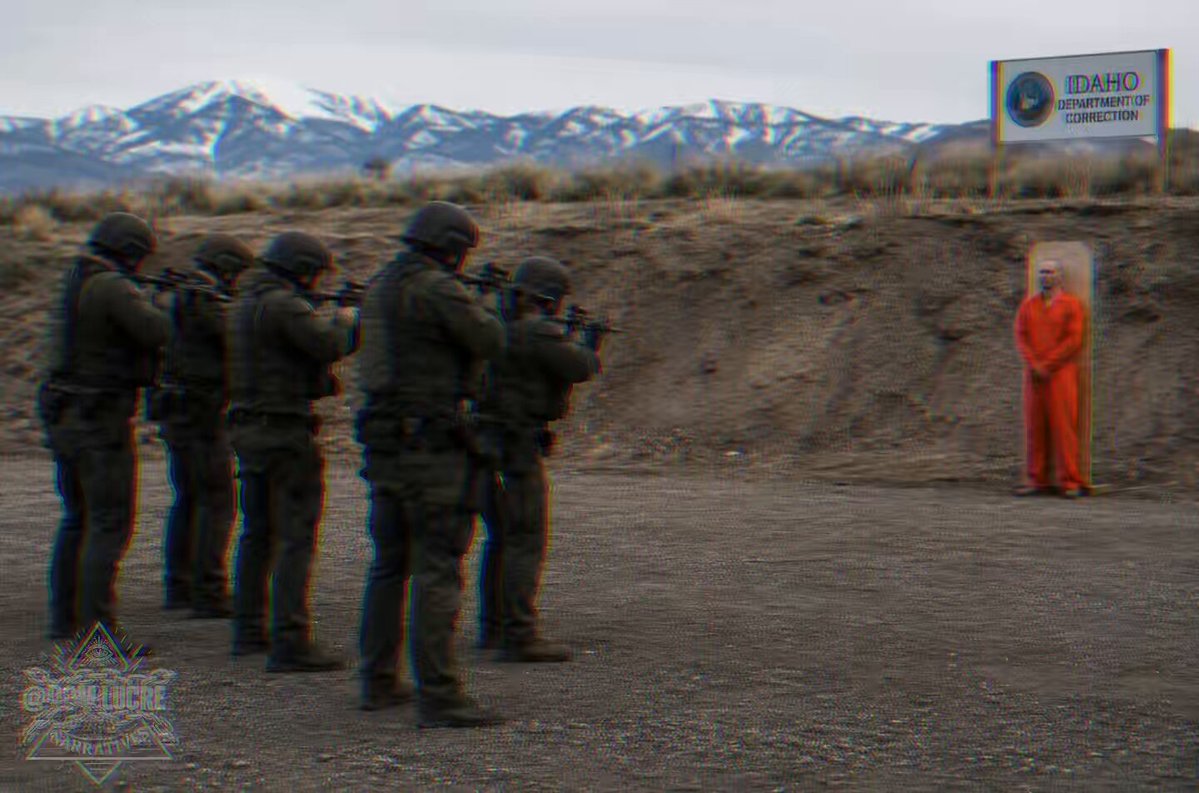
When Idaho released new rules explaining how firing squad executions will operate, the announcement immediately drew national attention. Beginning July 1, Idaho is set to make the firing squad its primary method of execution, placing the state at the center of one of the most controversial death penalty debates in America.
The new procedures from the Idaho Department of Correction outline who may serve on the firing squad, how the team will train, how the execution chamber will be managed, and what happens if a court stops the process at the last moment. The rules are detailed, formal, and written to show that the state intends to treat the process as a highly controlled government action.
But the public reaction is anything but simple. Supporters say Idaho is responding to repeated problems with lethal injection and trying to carry out court-ordered sentences. Critics say the move revives a brutal method of execution and raises serious questions about trauma, secrecy, transparency, and the meaning of justice.
What makes this moment so powerful is not only the method itself. It is the fact that Idaho is no longer treating the firing squad as a backup option. It is preparing to make it the state’s main execution system.
Why Idaho Is Moving Away From Lethal Injection

For decades, lethal injection has been the most common execution method in the United States. It was often presented as more clinical and less visibly violent than older methods. But in recent years, several states have struggled to obtain execution drugs, faced lawsuits over drug sources, or experienced failed execution attempts.
Idaho is one of those states. Problems with lethal injection have shaped the political and legal push toward firing squad executions. Lawmakers and state officials have argued that if death sentences are legally imposed, the state must have a reliable method to carry them out.
The shift did not happen overnight. Idaho previously restored the firing squad as a backup method. Then, after further concern about lethal injection, the state passed a law making the firing squad the primary execution method beginning in 2026.
That change transformed the firing squad from an emergency alternative into the default system. It also forced prison officials to create a full operating plan.
What The New Rules Explain
The new procedures explain the system in a way that leaves little doubt about how seriously Idaho is preparing. The Idaho Department of Correction says executions must be handled with professionalism, security, dignity, and strict compliance with state and federal law.
The rules cover everything from personnel selection to courtroom updates, witness access, training schedules, security, confidentiality, medical monitoring, and what happens after an execution is complete.
The policy also states that participation by staff and contractors is voluntary, with people allowed to withdraw from the process. That detail matters because executions place psychological and moral pressure on everyone involved, not only the person being executed.
The state is clearly trying to show that the process will not be improvised. Every stage is supposed to be documented, rehearsed, and controlled. Still, for critics, the detailed nature of the rules does not make the method less troubling. It simply makes the state’s return to firing squad executions more real.
Who Can Serve On The Firing Squad

Under the new rules, firing squad members must be volunteers with law enforcement experience and firearms training. They must hold peace officer certification for at least three years and must demonstrate accuracy under conditions similar to those inside the execution chamber.
The team will include three primary members, two alternates, and a team leader. Candidates cannot have recent disciplinary problems involving firearms, use of force, or similar conduct. They also cannot have a blood or legal relationship with the condemned person, the victim, or either family.
This requirement appears designed to reduce conflicts of interest and limit emotional or personal connections to the case. The state is also relying on law enforcement officers rather than ordinary prison staff because the role involves firearms proficiency and controlled use of weapons.
Even so, some law enforcement voices have warned that police officers are not necessarily emotionally suited to carry out planned executions. Police training usually focuses on preventing harm and responding to immediate danger. A scheduled execution is a very different situation.
Training Becomes A Major Requirement
The rules place heavy emphasis on training. Execution team members must complete at least four training sessions per year. If a death warrant is issued, training becomes more frequent. In the final 48 hours before a scheduled execution, the team must complete multiple additional sessions and rehearsals.
The firing squad training includes both live-fire and dry-fire practice. The broader execution team also includes escort staff, medical personnel, and administrative officials. Each group has specific responsibilities before, during, and after the execution.
This training structure is meant to reduce mistakes, confusion, and last-minute uncertainty. The state wants the process to be predictable and controlled, especially because any error during an execution could trigger legal challenges, public outrage, or emotional trauma for witnesses and staff.
But the training requirement also reveals how complex this system is. The image of a firing squad may sound simple to some people, but the state’s own rules show that carrying out an execution involves months of preparation, security coordination, medical oversight, legal monitoring, and post-event documentation.
How The Execution Chamber Will Operate

The procedures describe a heavily controlled execution chamber. The condemned person will be restrained in a chair. Medical monitoring equipment will be used to determine when heart activity has stopped. Witness areas will be available, and the county coroner will enter the chamber after the execution to pronounce death.
The firing squad will use state-provided firearms, and the shots are expected to be fired simultaneously from a short distance inside the chamber. The rules also allow for a second round of fire if the condemned person is not determined to be dead after an interval.
This is one of the most controversial parts of the policy. Supporters argue that the method is direct and avoids some of the drug-related failures that have plagued lethal injection. Critics argue that the possibility of a second round shows the method is not as simple or guaranteed as its supporters claim.
The state’s language is clinical and procedural. But behind that language is an act that remains deeply divisive: the government intentionally taking a life as punishment.
Medical Staff And Death Determination
Medical personnel have a defined role in the process. They are responsible for monitoring the condemned person’s condition and determining whether electrical and mechanical activity of the heart has ceased. The official declaration of death is then made by the coroner.
The use of medical staff in executions has long been controversial. Many medical organizations oppose participation in executions because it conflicts with the healing role of medicine. States often rely on anonymous or protected medical participants because the work can bring professional, ethical, and personal consequences.
Idaho’s rules protect the identities of execution team members, including medical team members. Only certain high-level officials may know the names of people involved.
Supporters say confidentiality protects participants from harassment or retaliation. Critics say secrecy makes it harder for the public to know whether executions are being carried out properly and whether participants are qualified.
Witnesses, Media, And Public Access

The new rules also address witnesses and media access. Witness viewing areas will be available, and approved media representatives may be allowed to observe under strict conditions. Recording devices, cameras, and phones are not allowed inside the execution chamber.
This creates another familiar tension. Executions are acts carried out by the state, which creates public interest in transparency. At the same time, prison officials argue that security, privacy, and order require strict limits on what witnesses can bring or record.
The result is a system where the public depends on official statements and witness accounts, rather than direct recordings of what happened. For critics, that can make the process feel hidden. For officials, it is part of maintaining control over one of the most sensitive events a prison system can conduct.
Idaho’s procedures also include plans for lawful demonstrations and security responses to unlawful disruption. That suggests the state expects public protest and has prepared for it.
What Happens If A Court Issues A Stay
The rules explain what happens if a court issues a stay of execution. If that happens, officials must stop the process, notify key leaders, secure weapons and ammunition, and begin returning the prison operation to normal.
This part of the policy matters because executions often involve last-minute legal action. Attorneys may file emergency appeals, courts may issue late rulings, and states may have to stop even after final preparations have begun.
A stay of execution can happen hours before a scheduled death or even closer to the planned time. Idaho’s rules show that the state is preparing for that possibility by requiring an immediate stand-down procedure.
That is not just a technical detail. It shows how capital punishment exists under constant legal pressure. Even after years of appeals, the final moments can still change.
The Chamber Renovation And Cost
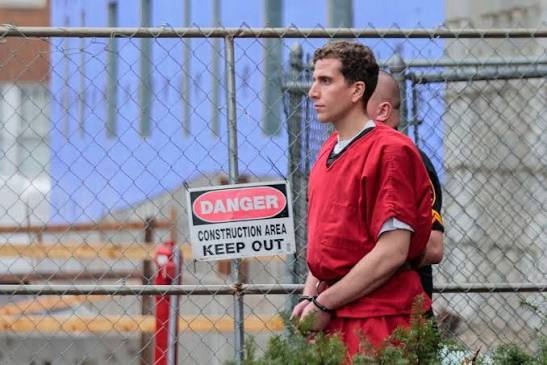
Idaho’s move to firing squad executions required physical changes to its execution chamber. The retrofit at the Idaho Maximum Security Institution south of Boise has been reported to cost more than $1.2 million, including construction, design, and engineering.
That cost has become part of the political debate. Supporters may see it as necessary spending to carry out valid sentences. Opponents may see it as a major public investment in a method they believe is cruel, outdated, or unnecessary.
The money also shows that this policy is no longer theoretical. Idaho has not only passed a law. It has built infrastructure, written procedures, purchased equipment, and prepared personnel.
That level of preparation signals that the state intends to be ready if an execution order comes after July 1.
Idaho’s Place In The National Death Penalty Debate
Idaho is not the only state that allows firing squad executions, but it stands out because the method is becoming its primary option. Other states that allow firing squads include Utah, Oklahoma, Mississippi, and South Carolina, but Idaho’s law places it in a more unusual position.
The change comes during a wider national debate over execution methods. Some states have explored nitrogen gas, electrocution, and firing squads as lethal injection has become more difficult to carry out. The federal government has also moved toward allowing more execution methods.
At the same time, public support for the death penalty has become more complicated. Some Americans continue to support capital punishment for the most serious crimes. Others oppose it because of wrongful conviction risk, racial disparities, cost, secrecy, or moral objections.
Idaho’s rules land directly in the middle of that debate. They do not settle the argument. They intensify it.
Critics See A Troubling Return
Death penalty opponents argue that firing squad executions are a step backward. They say the method is violent, traumatizing, and symbolic of a justice system returning to older forms of punishment.
They also warn that every execution method has been introduced with promises of reliability and humanity, only for problems to appear later. Lethal injection was once defended as cleaner and more modern, yet it has produced repeated legal fights and failed attempts.
For critics, Idaho’s new system may simply replace one set of problems with another. They argue that training and procedures cannot remove the moral and constitutional questions surrounding state executions.
Some advocates also worry about secrecy. When the identities of execution team members are hidden and parts of the process cannot be recorded, the public has limited ability to evaluate what really happens.
Supporters Say The State Must Carry Out Sentences
Supporters of the change argue that Idaho is responding to practical reality. If the state has a death penalty, they say it must have a method that can actually be used. Lethal injection drug shortages and failed procedures have left states searching for alternatives.
They also argue that victims’ families deserve finality after years or decades of appeals. In their view, repeated delays can deepen pain and make the justice system appear powerless.
Some supporters believe the firing squad may be faster and more reliable than lethal injection. They argue that the visible violence of the method does not automatically mean it is less humane than a drug protocol that may fail behind a medical curtain.
That argument remains fiercely disputed. But it explains why Idaho lawmakers and officials have pushed forward despite criticism.
A New Chapter Begins July 1
The new firing squad rules mark a turning point for Idaho and for the national death penalty conversation. The state has moved from debate to implementation, from lawmaking to logistics, from political theory to official procedure.
Beginning July 1, Idaho will be prepared to use firing squad executions as its primary method. Whether the state carries one out soon will depend on death warrants, appeals, court rulings, and the status of death row cases.
For now, the procedures have already done something significant. They have made visible the reality of what the law requires. They show who will be selected, how they will train, how the chamber will operate, how death will be confirmed, how witnesses will observe, and how the state will respond if a court stops the process.
For supporters, this is the state fulfilling its duty. For opponents, it is a disturbing return to a method many believed belonged to the past.
Either way, Idaho is now at the front of a national argument over punishment, justice, and the power of the state to take a life. The rules may be written in administrative language, but their meaning is anything but ordinary. They reveal a state preparing for one of the most serious actions any government can take.