
Table of Contents
- A Growing Problem for Homebuyers
- What Trump’s Threat Means for the Market
- The Rise of Institutional Investors and Their Impact on the Market
- Trump’s Position on Institutional Investors and Homeownership
- The Potential Consequences of a Ban
- Is a Ban the Right Solution?
- The Broader Impact of Trump’s Threat on Housing Policy
- What the Future Holds for Housing Markets
- Conclusion
A Growing Problem for Homebuyers
The United States has been grappling with a housing crisis for years. The median home price has soared to record highs, and many potential buyers find themselves priced out of the market. According to recent reports, institutional investors have been buying up single-family homes in large numbers, further driving up the cost of real estate. These investors, often large private equity firms or real estate investment trusts (REITs), are able to purchase homes in bulk and often outbid individual homebuyers, leaving many would-be homeowners with no choice but to rent.
The sheer volume of properties acquired by institutional investors is staggering. In some markets, institutional buyers have accounted for as much as 30% of all home purchases. This trend has led to widespread concerns that the influx of investors into the housing market is contributing to the skyrocketing costs of homeownership and exacerbating the affordable housing shortage.
What Trump’s Threat Means for the Market

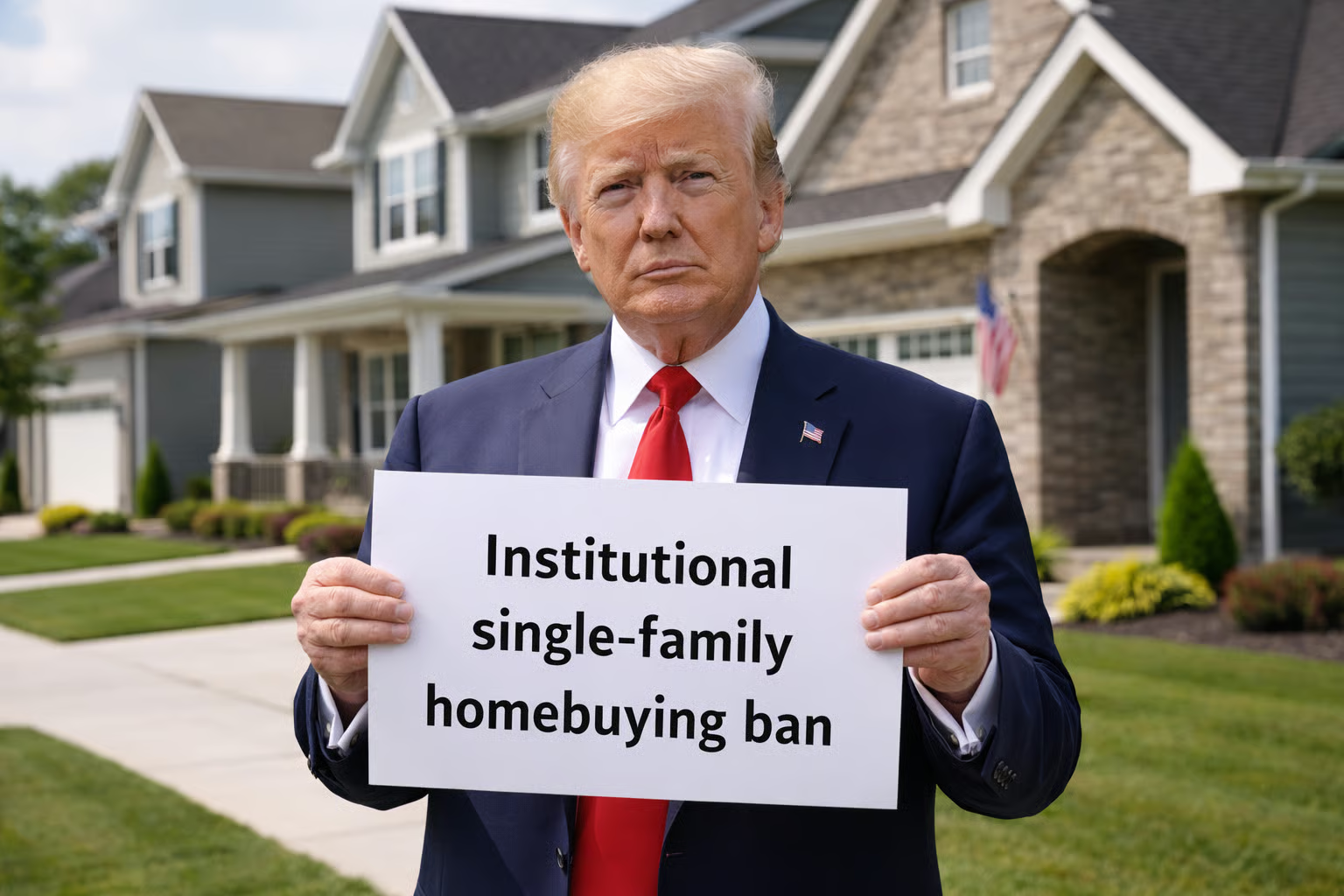
Trump’s recent comments about potentially banning institutional investors from purchasing single-family homes have sparked a heated debate. While the move is seen by some as a potential solution to the housing crisis, it also raises important questions about the role of institutional investors in the market. For years, investors have played a significant role in driving up prices in some of the most sought-after real estate markets in the U.S., but their purchasing power has also enabled the development of rental properties, which some argue is necessary to meet the growing demand for affordable housing.
Proponents of the ban argue that institutional investors are driving up the cost of homes for everyday Americans, making homeownership more difficult to achieve. They believe that limiting the ability of these investors to purchase single-family homes could create a more level playing field, allowing individuals and families to have a better chance at owning a home. However, critics of the idea caution that such a move could have unintended consequences, particularly in an already strained housing market.
The Rise of Institutional Investors and Their Impact on the Market
Institutional investors have become major players in the U.S. housing market, especially in the aftermath of the 2008 financial crisis. As home prices plummeted during the recession, investors saw an opportunity to purchase homes at a fraction of their original cost. Many of these homes were then converted into rental properties, and some investors even went so far as to buy up entire neighborhoods.
Since then, institutional investors have continued to expand their presence in the market, purchasing homes not just during economic downturns but also in times of prosperity. This has raised concerns about their influence on home prices, particularly in competitive markets. While these investors may provide much-needed rental housing, critics argue that their actions are contributing to the affordability crisis.
Trump’s Position on Institutional Investors and Homeownership
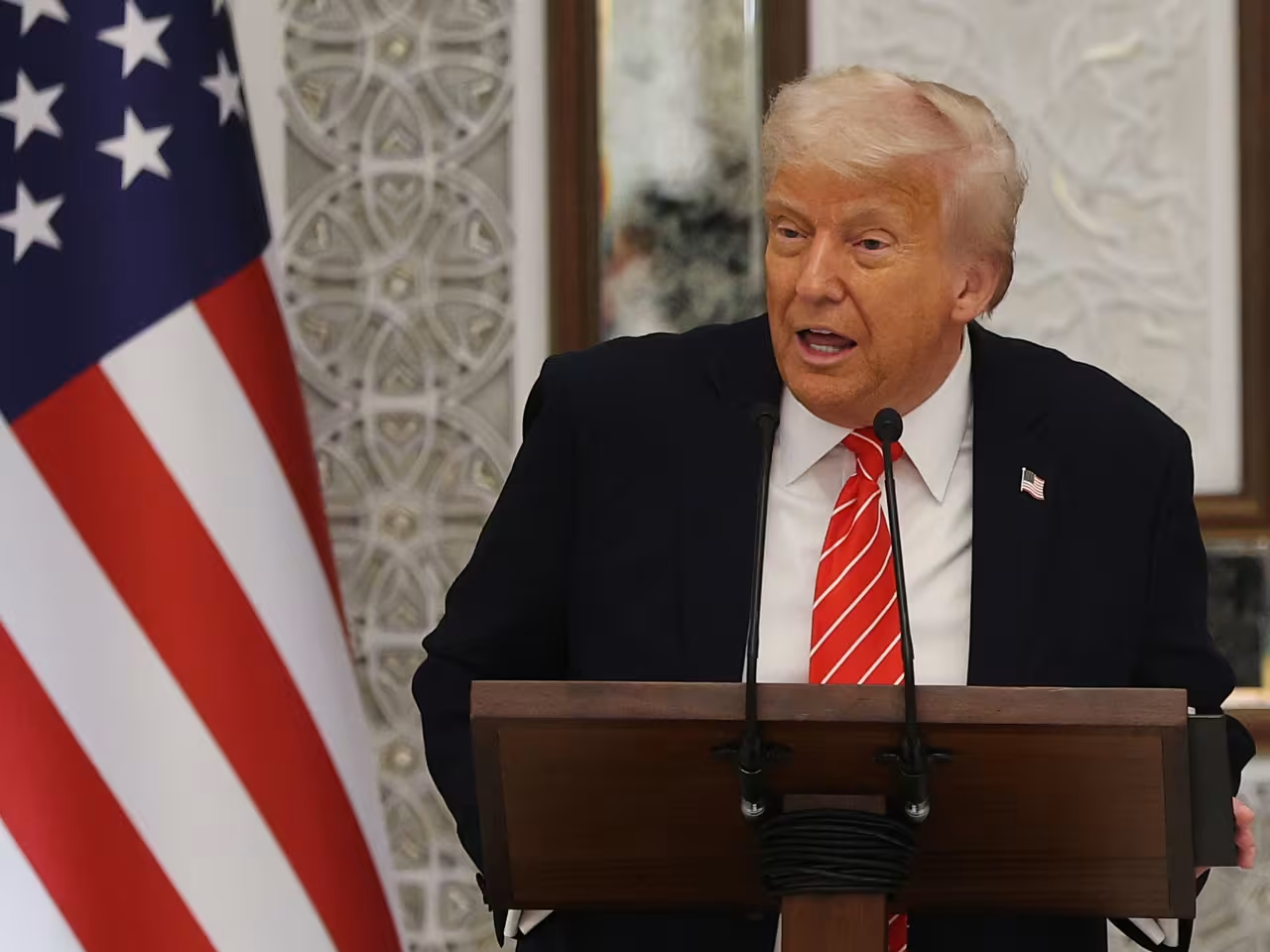
Trump’s comments about banning institutional investors from purchasing single-family homes are part of a broader conversation about the role of such investors in the U.S. economy. Trump has long been a critic of policies that he believes favor large corporations over individuals. In this case, his threat to limit the ability of institutional investors to purchase homes reflects his stance on protecting the interests of American families and promoting homeownership.
However, it is important to note that Trump’s position on institutional investors is not universally supported. Some economists argue that institutional investors play a crucial role in stabilizing the housing market by providing rental properties, especially as demand for housing continues to grow. These investors, they argue, help meet the needs of renters who may not be able to afford homeownership in the current market.
The Potential Consequences of a Ban
If Trump’s threat to ban institutional investors from purchasing single-family homes were to be implemented, it could have significant implications for the real estate market. On one hand, limiting institutional buying power could help make homes more affordable for individual buyers. With fewer investors in the market, home prices might stabilize, and more families could have the opportunity to purchase homes.
On the other hand, such a ban could have unintended consequences. Institutional investors are not just buying homes for investment purposes; they are also providing rental housing in many areas where supply is limited. A ban on their ability to purchase homes could reduce the availability of rental properties, potentially leading to higher rents and less housing stock for those who cannot afford to buy. Additionally, if institutional investors were forced to sell off large portfolios of properties, it could destabilize the market, leading to a potential drop in home values.
Is a Ban the Right Solution?
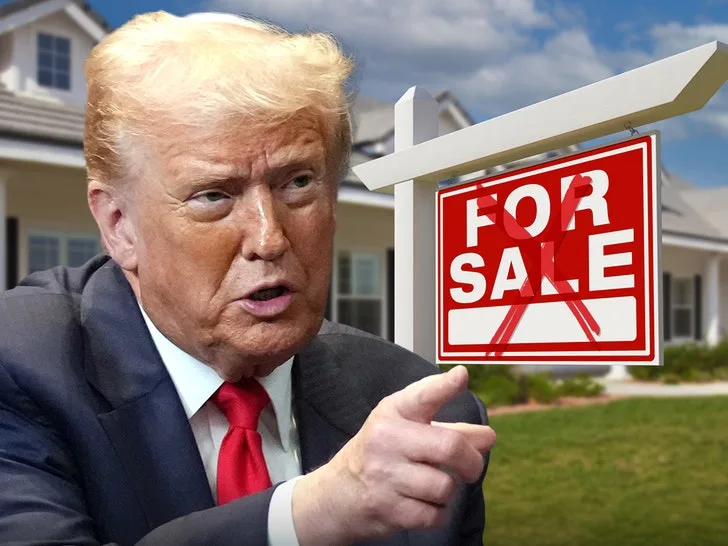
The debate over whether to ban institutional investors from purchasing single-family homes is complex. On one hand, limiting investor influence in the market could help address the affordable housing crisis and make homeownership more accessible. On the other hand, there are concerns about the potential disruptions to the housing market and rental supply that could arise from such a ban.
Ultimately, the solution may lie somewhere in between. Rather than an outright ban, policymakers could explore other measures to regulate the role of institutional investors in the market. For example, they could implement policies that incentivize investors to build more affordable housing or limit the number of properties an investor can purchase in a given area. Such measures could help balance the needs of both homebuyers and renters while ensuring that institutional investors can still play a role in the market.
The Broader Impact of Trump’s Threat on Housing Policy
Trump’s comments have brought the issue of institutional investors and housing affordability to the forefront of national discourse. Regardless of the outcome of the lawsuit or the potential implementation of a ban, the debate has sparked important conversations about the future of housing policy in the United States.
As the housing crisis continues to affect millions of Americans, policymakers will need to consider a variety of solutions to address the root causes of affordability challenges. Whether through regulating institutional investor activity, expanding affordable housing programs, or implementing new tax incentives for homebuyers, a comprehensive approach will be necessary to ensure that homeownership remains within reach for more Americans.
What the Future Holds for Housing Markets
Looking forward, the future of the housing market will depend on a combination of factors, including interest rates, housing supply, and the role of institutional investors. While a ban on institutional investors might provide temporary relief for homebuyers, it could also lead to market disruptions that could affect renters and home prices.
In any case, the conversation sparked by Trump’s comments has the potential to reshape how we think about housing policy in the U.S. As the debate continues, it will be important to focus on creating a housing market that works for everyone, not just institutional investors or wealthy individuals. Ensuring affordable housing options for all Americans should remain the priority.
Conclusion
Trump’s threat to ban institutional investors from purchasing single-family homes has added fuel to an ongoing debate about housing affordability and the influence of investors in the real estate market. While the proposed ban could help make homes more affordable for individual buyers, it also raises concerns about the potential consequences for renters and the broader housing market. As the issue continues to evolve, policymakers will need to strike a balance between regulating investor activity and ensuring that affordable housing remains accessible to all Americans. Only time will tell whether Trump’s threat will become a reality or if alternative solutions will emerge to address the housing crisis.