

Table of Contents
- The Cucciola Case
- The New Paid Leave Law: A Historic Step
- The Emotional Bonds Between Humans and Pets
- A Global First: Italy Leads the Way
- How the Law Will Impact Workers and Employers
- Why the Law Matters for Pet Owners
- The Growing Trend of Compassionate Workplace Policies
- What This Means for the Future of Pet Care
- A Change for the Better
The Cucciola Case
The foundation for Italy’s new law was laid back in 2017 with a landmark legal case known as the Cucciola case. This case involved a university librarian in Rome who took paid time off to care for her elderly dog, an English Setter. The librarian’s legal team argued that under Italian law, leaving an animal in a state of grave suffering was a criminal offense under Article 727 of the Italian Penal Code. The court ruled in her favor, setting a precedent for future legal battles concerning the rights of pet owners to care for their animals in times of illness.
While this ruling initially applied only to specific cases, it began to build momentum for broader legal and societal changes. The decision highlighted the growing need to acknowledge the role of pets in people’s emotional and mental well-being, ultimately paving the way for the new paid leave law.
The New Paid Leave Law: A Historic Step

Under the new law, workers in Italy are entitled to up to three days of paid leave per year to care for a seriously ill pet. This leave can be taken only if the employee provides a veterinary certificate confirming the need for urgent care, and the pet must be microchipped and registered. This policy is a recognition of the fact that, for millions of people, their pets are not just animals—they are family members, and their health and well-being are a priority.
The law has been praised by animal welfare advocates as a major step forward in recognizing the emotional and psychological bonds between humans and their pets. For many people, caring for a sick pet is not just a responsibility; it is a moral and emotional duty. Italy’s decision to treat this as a valid reason for paid leave represents a significant shift in workplace policies, placing importance on the emotional needs of workers and acknowledging the role of pets in human life.
The Emotional Bonds Between Humans and Pets
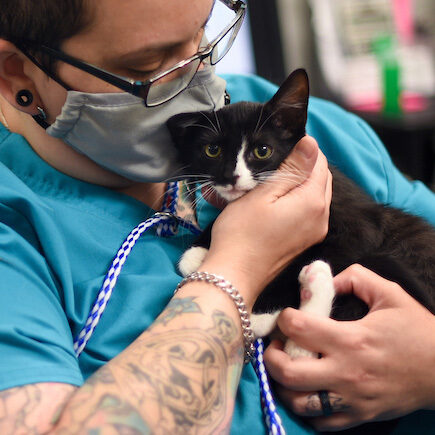
The health and emotional bonds between humans and their pets are well documented. Studies have shown that pets can provide significant emotional support, reduce stress, and even improve physical health by encouraging exercise and social interaction. For many households, a dog, cat, or other companion animal is an essential member of the family, offering companionship, loyalty, and comfort.
Despite this, pets are still legally considered property in many countries, including the United States. The new law in Italy challenges this framing by treating the care of a sick pet as a legitimate human obligation, not merely a lifestyle choice. This marks a departure from the traditional view of pets as property, emphasizing their status as family members with inherent value.
A Global First: Italy Leads the Way

Italy’s decision to offer paid leave for pet care has set a precedent that may inspire other countries to follow suit. While many nations have passed laws to protect animals from abuse and neglect, few have recognized the emotional needs of pet owners in the same way. In fact, this is the first time any country has officially acknowledged that caring for a pet in need of urgent medical attention is a valid reason for taking paid leave from work.
The policy has already sparked discussions in other countries about the possibility of implementing similar measures. In places like the United States, where the concept of pet care leave is still largely unheard of, Italy’s pioneering move could encourage a reevaluation of workplace policies and animal welfare laws.
How the Law Will Impact Workers and Employers

For workers, this new law offers a much-needed safety net for those who may otherwise face a difficult choice between caring for their sick pet and going to work. Many pet owners have experienced the stress of trying to balance work commitments with the emotional and financial strain of caring for a pet in need of medical attention. By providing paid leave, Italy is helping workers navigate this challenging situation without sacrificing their well-being or professional obligations.
Employers, on the other hand, will need to adapt to this new reality. While the law provides benefits for employees, it also places new responsibilities on businesses to accommodate pet care leave requests. Employers may need to adjust their scheduling, staffing, and leave policies to ensure that they remain compliant with the new law while still maintaining productivity. However, the long-term benefits of a happier, more supported workforce may outweigh the challenges in the short term.
Why the Law Matters for Pet Owners

For pet owners, this law is a long-awaited recognition of their emotional commitment to their animals. It acknowledges the fact that pets are more than just animals—they are companions, family members, and sources of emotional support. The new law gives pet owners the legal right to prioritize their pets’ health without fearing the consequences of missing work.
The policy also has the potential to spark a broader cultural shift in how pets are viewed in society. As more people recognize the importance of pets in their emotional and mental well-being, the idea of treating them with the same level of care and consideration as other family members could become more mainstream. This shift could lead to more compassionate workplace policies and a more empathetic approach to the needs of pet owners.
The Growing Trend of Compassionate Workplace Policies

Italy’s new paid leave law is part of a growing trend toward more compassionate workplace policies. In recent years, companies and governments around the world have begun to recognize the importance of work-life balance and the need to support employees’ emotional and mental health. Paid leave for pet care is just one example of this larger shift, which includes policies such as paid family leave, mental health days, and flexible work arrangements.
As the conversation around work-life balance continues to evolve, policies like Italy’s paid leave for pet care could become more common. Employers who recognize the value of their employees’ emotional well-being are likely to see improved morale, higher job satisfaction, and greater loyalty from their workforce.
What This Means for the Future of Pet Care

Italy’s decision to offer paid leave for pet care is a significant step toward recognizing the important role pets play in human lives. As the world continues to grapple with the challenges of modern life, policies like this one reflect a growing recognition of the need for compassion, empathy, and support for both workers and animals. It sets a powerful example for other countries to follow and challenges the traditional view of pets as property, placing them on equal footing with other family members.
The future of pet care in the workplace may see more countries adopting similar policies, ensuring that pet owners can care for their animals without fear of losing their jobs or facing financial hardship. It’s a step toward a more compassionate world where every living being, human or animal, is valued and supported.
A Change for the Better
Italy’s new law offering paid leave for pet care is a historic and much-needed change. It acknowledges the deep emotional bonds between humans and their pets and provides a legal framework for workers to care for their animals without jeopardizing their livelihoods. This law is not only a win for pet owners but also a step toward a more compassionate, empathetic approach to workplace policies.
As other countries look to Italy’s example, we may see a global shift in how pets are treated in the workplace. It’s a long-overdue recognition that pets are not just animals—they are family, and their well-being deserves the same attention and care as any other family member.