
Table of Contents
A Different Kind of Legacy
Jackie Chan’s fortune of $400 million is undeniably impressive, reflecting a career that spans over five decades. Yet, Chan has been vocal about his decision not to leave this wealth to his son. His rationale is simple: “If he is capable, he can make his own money. If he is not, then he will just be wasting mine.” This philosophy, shared in a 2011 interview, runs counter to what many might expect from one of the world’s wealthiest and most recognizable actors.
In many cultures, including Hollywood and Asia, it is common for the children of wealthy parents to inherit substantial fortunes. However, Jackie Chan has never been one to conform to these norms. His decision is rooted in a belief that money earned without effort holds little value. He wants his son to succeed on his own terms, without relying on his wealth. The idea that his son should “earn” his success resonates deeply with Chan, whose early life was anything but privileged.
Lessons from an Unforgiving Childhood
Jackie Chan’s success didn’t come easily. Born in 1954 in Hong Kong, Chan was enrolled in the Chinese Opera Research Institute at the age of seven, where he underwent grueling training. He has often recounted the harsh conditions of his youth, where discipline was enforced with physical punishment. This early hardship shaped his character and work ethic, teaching him the value of perseverance and self-reliance.
Chan’s determination to succeed in a competitive industry was not based on inherited advantages but on his ability to carve out a unique path. Initially, producers tried to turn him into another Bruce Lee, offering him roles that required intense stoicism and martial skill. However, Chan soon realized that his own style—one that blended daring stunts with physical comedy—would set him apart. His breakthrough in Hong Kong cinema was the result of his unique vision and relentless work ethic.
Breaking into Hollywood, however, was more complicated. Early films like The Big Brawl (1980) and The Protector (1985) failed to resonate with audiences because they didn’t allow Chan to bring his creative touch to the action scenes. It wasn’t until Rumble in the Bronx (1995) and the Rush Hour series that Chan became an international sensation. But even with global fame, Chan continued to emphasize the value of hard work and independence—values he hopes his son will embrace.
The Business Behind the Star
Jackie Chan’s success goes beyond acting. By 2025, his net worth is estimated at $400 million, not just from films but from strategic investments in production, endorsements, and branding. Chan expanded his influence by moving into producing and directing, securing a share of profits from films like Rush Hour 2 and Rush Hour 3. Reports indicate that Chan earned $15 million per film plus a percentage of the gross revenue, which amounted to over $126 million for these two sequels alone.
Beyond movies, Chan’s entrepreneurial ventures have played a significant role in his wealth. He has launched branded merchandise, collaborated with gyms, and even started the Jackie Chan Stunt Team, a group of martial artists who continue to work on his projects. His real estate holdings and brand endorsements further cement his financial success. In 2020, Forbes listed Chan among the top 100 highest-paid celebrities, reporting annual earnings of $40 million.
Chan’s financial acumen allowed him to diversify his wealth. Unlike many actors who rely solely on film income, Chan has built a business empire around his name. This includes everything from branded merchandise to global endorsements. By diversifying his income streams, Chan has ensured that his wealth will last long beyond his acting career.
A Legacy Beyond Money: Philanthropy and Empowerment
For Jackie Chan, legacy isn’t about the wealth he leaves behind but the impact he has on the world. His philanthropy reflects this belief, as he has dedicated much of his wealth and energy to charitable causes rather than personal inheritance. In 1988, Chan established the Jackie Chan Charitable Foundation, which provides scholarships, medical assistance, and disaster relief across Hong Kong and Asia. The foundation has helped countless individuals and families, providing much-needed resources in times of crisis.
In 2004, Chan expanded his charitable efforts by founding the Dragon’s Heart Foundation, which aims to improve the lives of rural Chinese residents. The foundation has built schools, provided disaster relief, and supported elderly communities. Chan’s philanthropy has always been about creating long-term change, with a focus on education, community development, and disaster relief.
As a UNICEF Goodwill Ambassador since 2004, Chan has advocated for children’s rights and post-disaster recovery. His involvement with UNICEF highlights his commitment to using his fame and fortune to make a positive difference in the world. For Chan, legacy is about building structures that outlast his career and leave a lasting impact on society.
Legacy Beyond the Bank Account
Jackie Chan’s decision not to pass on his wealth to his son is a reflection of his larger philosophy on legacy. Rather than leaving a financial inheritance, Chan believes in empowering others through education, mentorship, and the creation of opportunities. By focusing on building systems that benefit others, he has chosen to leave a more meaningful legacy—one that will continue to influence generations long after his death.
His approach is not unique in the world of celebrities. Other wealthy individuals, such as Daniel Craig and Ashton Kutcher, have publicly stated their intention to avoid large inheritances for their children, preferring instead to offer support only when it aligns with their children’s efforts. Jackie Chan’s perspective aligns with this view, underscoring the importance of earned achievement over unearned privilege.
The Importance of Discipline and Hard Work
Jackie Chan’s refusal to leave his fortune to his son is rooted in his belief in the importance of discipline and hard work. His own life story is a testament to the power of perseverance and dedication. From his early years in the harsh environment of the Chinese Opera Research Institute to his rise to international stardom, Chan has shown that success is not handed to you—it’s earned through consistent effort.
For Jaycee Chan, this lesson has been both difficult and rewarding. Although Jaycee has pursued a career in music and film, he has struggled to achieve the same level of success as his father. His 2014 arrest for marijuana possession added further complications to his journey. Despite these setbacks, Jackie Chan’s belief in discipline and perseverance has remained steadfast. He wants his son to prove his worth through his own efforts, not through inherited wealth.
Jackie Chan’s Impact on Future Generations
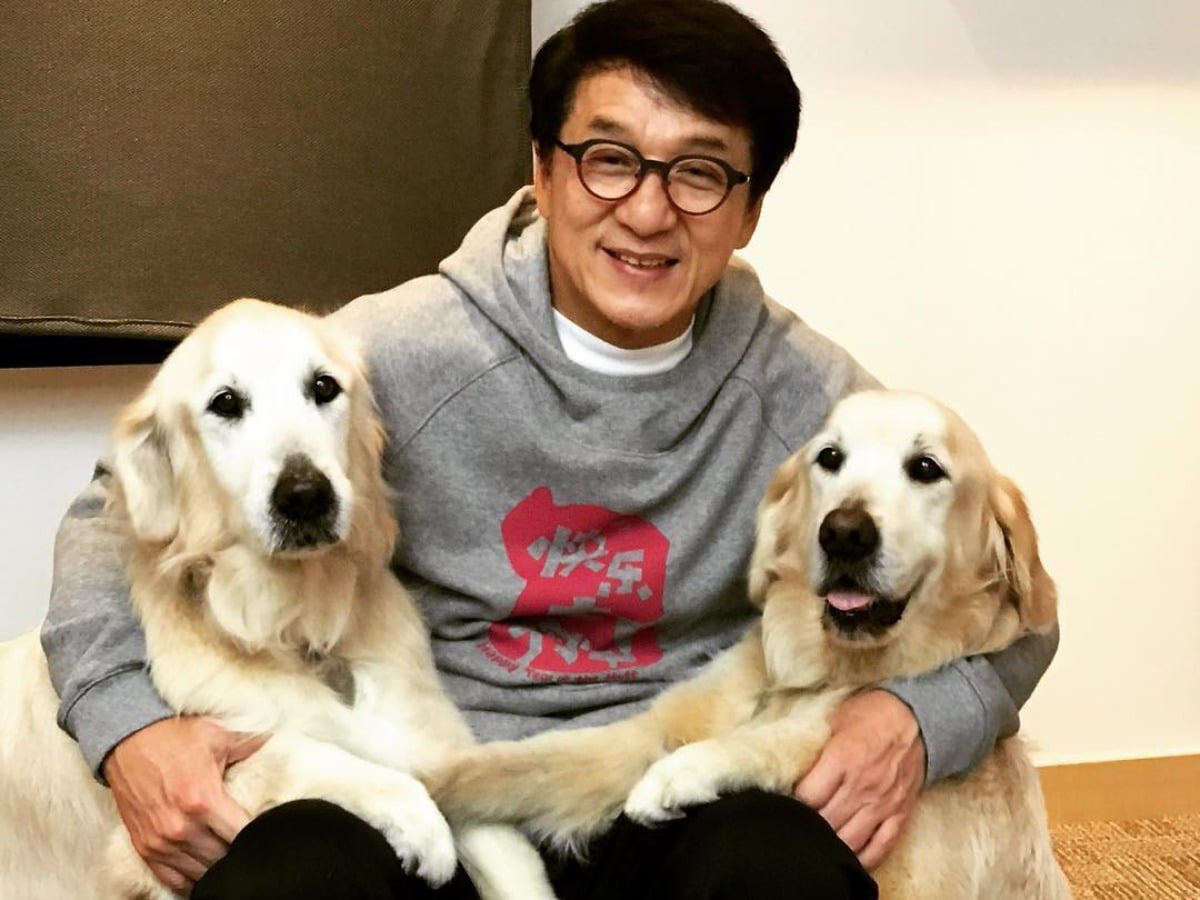
Jackie Chan’s approach to legacy is not just about what he leaves behind but how he shapes the future. His decision not to pass on his fortune has sparked conversations about the importance of hard work, financial independence, and personal responsibility. For many, Jackie Chan’s philosophy is a powerful reminder that success is not measured by what you inherit but by what you achieve on your own.
Jaycee Chan’s journey, though marked by challenges, is also a reflection of his father’s influence. While Jaycee may not have reached the same level of fame or success as his father, he has learned valuable lessons about discipline and responsibility. Jackie Chan’s approach to inheritance emphasizes the importance of creating one’s own path in life, rather than relying on the wealth of others.
Jackie Chan’s Enduring Legacy
Jackie Chan’s decision to forgo passing his fortune to his son is not just about money—it’s about values. His philosophy of discipline, hard work, and self-reliance has shaped his career and his family life. By choosing to invest in education, community development, and humanitarian efforts, Chan has created a legacy that will outlast his career.
For those who admire Jackie Chan’s work and life, his example is a reminder that success is not just about what you achieve but how you achieve it. His legacy will continue to inspire generations of fans, athletes, and philanthropists who seek to make a difference in the world.