
Table of Contents
- Introduction: Understanding the Japanese Educational System
- The Structure of Japan’s Education System: From Kindergarten to University
- Curriculum: Balancing Rigidity with Creativity
- Standardized Testing: The High Stakes of University Entrance Exams
- The Role of Technology in Japanese Education
- The Importance of Extracurricular Activities: Character Building Beyond Academics
- Challenges Facing the Japanese Education System
- The Future of Education in Japan: Moving Toward Innovation and Inclusion
- Conclusion: A Model of Success with Room for Growth
Introduction: Understanding the Japanese Educational System
When people think of Japan, one of the first things that come to mind is the country’s remarkable educational system. It’s one of the reasons why Japan has consistently ranked among the top countries in global educational performance metrics. With a focus on discipline, excellence, and individual growth, Japan’s education system is a model that many other nations look to when reforming their own educational practices. The system’s success lies in its ability to balance structure with creativity, fostering students who are not only highly intelligent but also culturally grounded. Let’s take a deeper look at what makes the Japanese education system so exceptional and how it shapes the future of its youth.
The Structure of Japan’s Education System: From Kindergarten to University
Japan’s educational system is divided into several distinct levels, each with its own specific purpose and goals. Education is compulsory for children from the ages of 6 to 15, which covers elementary and junior high school.
Elementary School
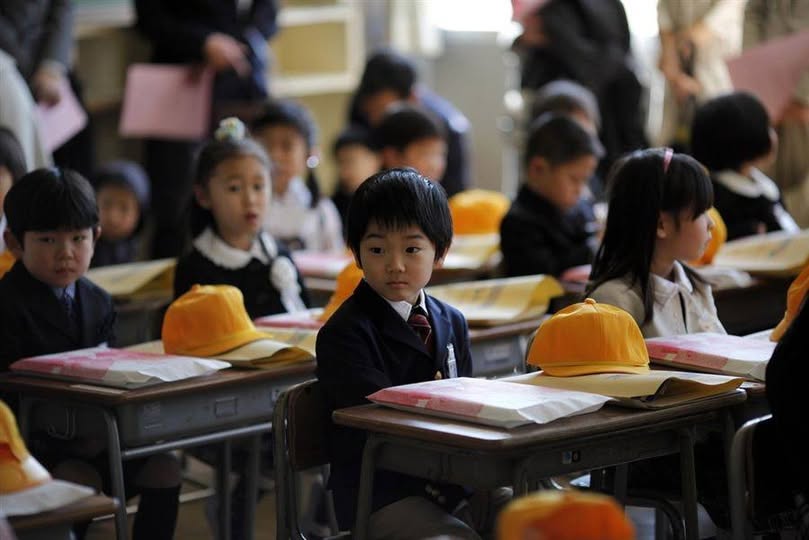
The first stage of education in Japan is elementary school, starting at the age of six. Elementary school lasts for six years and serves as the foundation for the children’s academic journey. The focus here is on broad-based learning, with subjects like Japanese language, math, science, social studies, and physical education. What stands out in Japanese elementary schools is the emphasis on character-building and moral education, where students learn the importance of cooperation, respect, and responsibility.
Junior High School
After completing elementary school, students proceed to junior high school, which lasts for three years. During this stage, students delve deeper into subjects such as science, history, and math, while also engaging in extracurricular activities that promote both intellectual and social growth. One notable aspect of junior high schools in Japan is the strong focus on discipline and order. Students are often responsible for cleaning their classrooms and the school environment, an important cultural lesson in responsibility and community.
High School
Following junior high school, students enter high school, which is not mandatory but is attended by the vast majority of students. High school in Japan typically lasts for three years, and students must pass an entrance exam to be admitted to their preferred institution. The Japanese high school system is intense, with a heavy emphasis on preparing students for university entrance exams. This pressure can be intense, as academic success is seen as a critical pathway to future opportunities in higher education and career prospects.
University and Higher Education
University education in Japan typically lasts for four years, although some programs, such as medicine, can take longer. Admission to universities is highly competitive, with rigorous entrance exams determining the students’ eligibility. Japanese universities are renowned for their research programs and academic rigor. Graduating from a prestigious university, such as the University of Tokyo or Kyoto University, significantly enhances career prospects in Japan.
Curriculum: Balancing Rigidity with Creativity
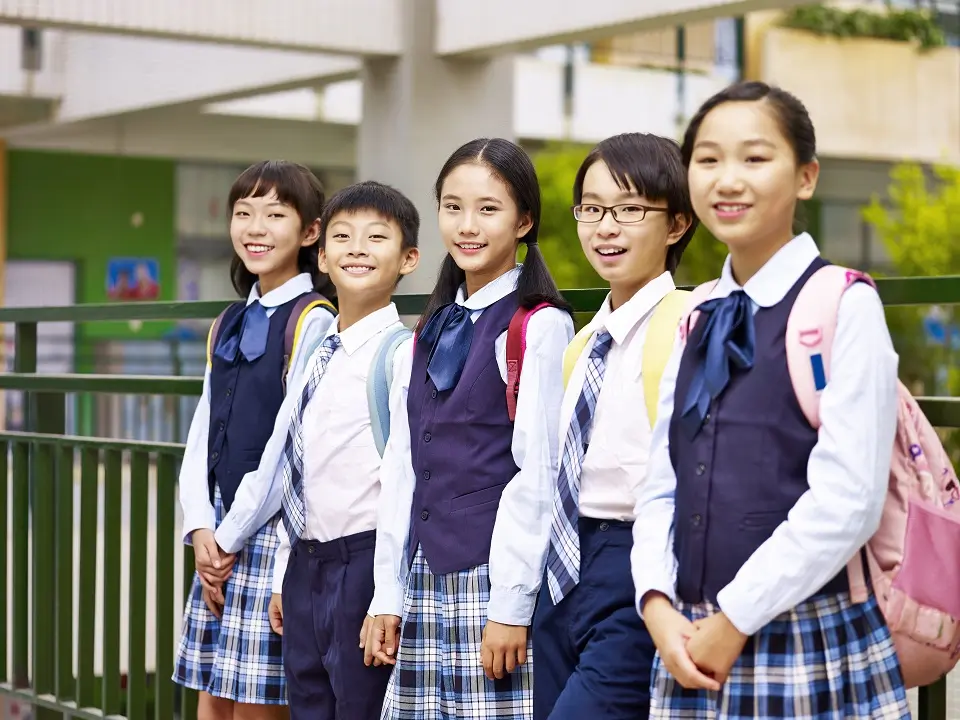
One of the defining features of the Japanese education system is the strict curriculum that ensures students meet high academic standards. However, there is also an increasing recognition of the need for creativity and critical thinking in today’s rapidly evolving global economy. Schools in Japan are known for their meticulous attention to detail in both academic subjects and the overall development of the child. The system strives to produce students who are not only knowledgeable but also capable of applying their knowledge in practical, real-world situations.
For instance, while rote memorization plays an important role in early education, there’s a noticeable shift towards problem-solving and analytical thinking as students progress to higher levels. In high school and university, there is a stronger emphasis on independent research, discussions, and examinations that test students’ ability to think critically and innovatively. The curriculum also includes moral and physical education, which reinforces Japan’s collective values of harmony, respect, and discipline.
Standardized Testing: The High Stakes of University Entrance Exams
One of the key aspects of the Japanese education system is its reliance on standardized testing, particularly when it comes to university admissions. The entrance exams are notoriously difficult and are seen as one of the most significant hurdles a student must face in their academic career. The exams test a wide range of subjects and are used by universities to determine the academic readiness of applicants.
The pressure to succeed in these exams leads to a highly competitive environment, with students often attending cram schools, or “juku,” to prepare for the exams. While these exams ensure that students have a solid foundation of knowledge, they have also been criticized for creating undue stress and promoting a “one-size-fits-all” approach to learning. This has led to calls for reform to make the process less intense and more focused on creativity and critical thinking rather than just memorization.
The Role of Technology in Japanese Education
Japan has long been a leader in technological innovation, and its education system is no exception. In recent years, schools have increasingly integrated technology into the classroom, with the aim of enhancing the learning experience and preparing students for the digital future. Many schools in Japan have equipped classrooms with digital boards, tablets, and other learning technologies to encourage interactive learning.
During the COVID-19 pandemic, Japan accelerated the use of online learning platforms, and digital classrooms became the norm for students across the country. This shift towards technology has opened new avenues for students to access educational resources and collaborate with peers from around the world, helping to bridge the gap in education during times of crisis.
The Importance of Extracurricular Activities: Character Building Beyond Academics
While Japan’s education system is highly focused on academics, extracurricular activities also play a significant role in a student’s development. Students are encouraged to participate in a variety of clubs and activities, such as sports, music, and cultural clubs. These activities provide students with an opportunity to develop social skills, leadership qualities, and teamwork abilities.
Japanese schools also have a unique tradition of involving students in the daily operations of the school, such as cleaning the classrooms and serving lunch to their peers. These tasks help students develop a sense of responsibility and teamwork, which are highly valued in Japanese society. The focus on teamwork extends beyond the classroom, with group-based activities often forming a central part of school life.
Challenges Facing the Japanese Education System
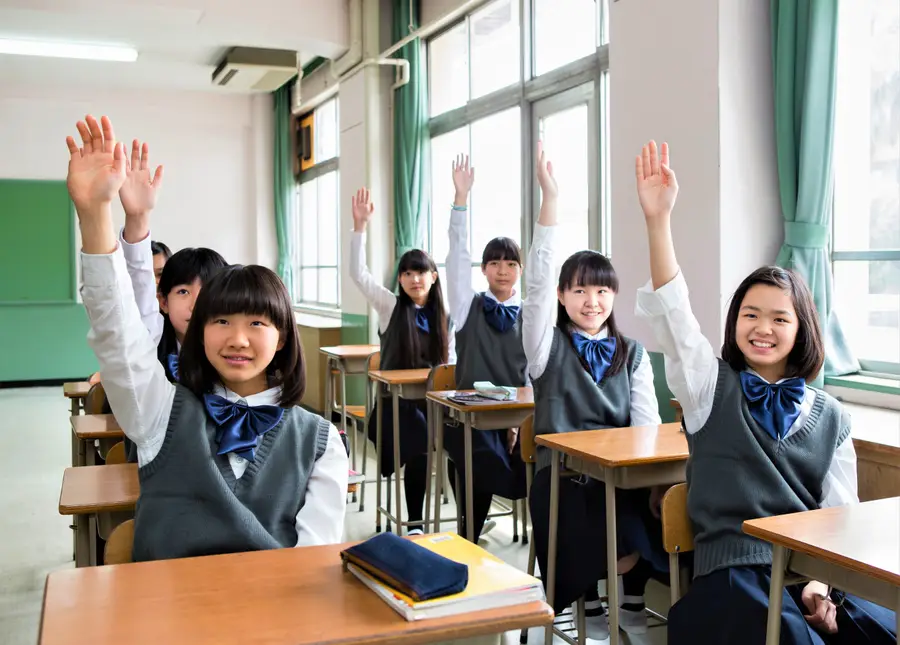
Despite its many strengths, Japan’s education system is not without its challenges. One of the most significant issues is the intense pressure placed on students, particularly during the university entrance exams. This pressure can lead to mental health issues such as anxiety and depression, with some students struggling to cope with the high expectations placed on them.
There are also concerns about the lack of diversity in the educational system, with critics arguing that it does not adequately prepare students for the globalized world. As Japan becomes increasingly interconnected with the rest of the world, there is a growing demand for more inclusive and diverse educational approaches that encourage creativity, problem-solving, and international collaboration.
The Future of Education in Japan: Moving Toward Innovation and Inclusion
Looking ahead, Japan’s education system is undergoing reforms to address some of these challenges. The government has recognized the need for a more inclusive, creative, and less stressful education system. As the world changes, Japan is focusing on fostering critical thinking, innovation, and global awareness in its students. Schools are adopting new teaching methods, including project-based learning, to encourage students to think outside the box and develop skills that will be essential for the future.
Moreover, the integration of technology into education is expected to continue to grow, helping students gain access to a wider range of resources and learning experiences. Japan’s commitment to education reform is a testament to its understanding that preparing future generations for the challenges of the 21st century requires adaptability, creativity, and a global mindset.
Conclusion: A Model of Success with Room for Growth
Japan’s educational system has undoubtedly set a global standard for excellence, with its rigorous academic framework and focus on developing well-rounded individuals. The country’s ability to produce top-tier students who excel academically, socially, and personally speaks to the strength of its educational practices. However, as the world changes, Japan recognizes the need for reform to address the growing demand for creativity, mental well-being, and diversity in its education system. By continuing to innovate while holding onto its core values, Japan will remain at the forefront of global education.