
Table of Contents
- Japan Leads Solar Innovation with Perovskite Technology
- Japan’s Bold Renewable Energy Strategy
- The Role of Iodine in Perovskite Solar Cells
- Perovskite Technology: The Future of Urban Solar Energy
- The Cost and Challenges of Perovskite Solar Cells
- A Rapid Rise in Solar Adoption in Japan
- Japan as a Global Leader in Renewable Energy
- What Other Countries Can Learn from Japan’s Approach
- The Future of Solar Power: Japan’s Path Forward
- A Solar Revolution in the Making
Japan Leads Solar Innovation with Perovskite Technology
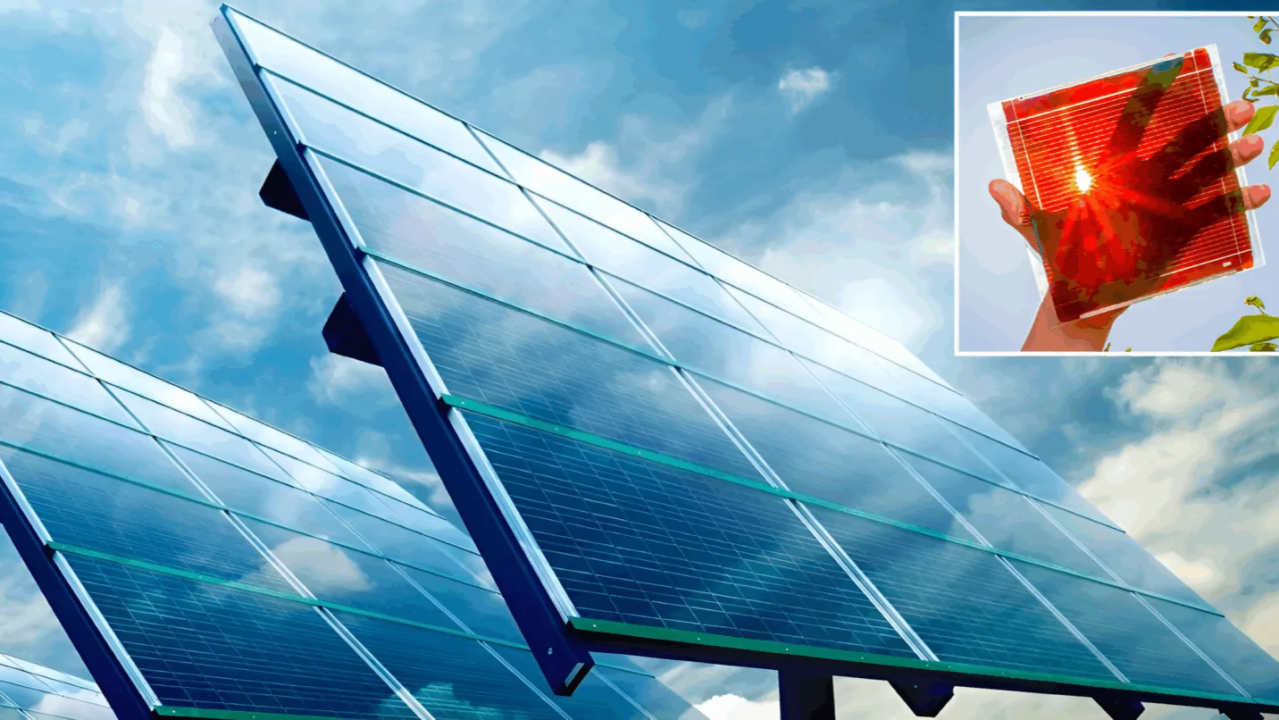
When news broke that Japan had unveiled its first solar super-panel—delivering more power than 20 nuclear reactors—the world took notice. The breakthrough is set to revolutionize the solar energy industry and play a critical role in global sustainability. By utilizing perovskite solar cells, Japan aims to transform urban energy production by making solar power more flexible, lightweight, and adaptable than ever before. This innovation could redefine how cities capture and distribute energy, particularly in densely populated areas where space is scarce.
The implications of this solar technology stretch far beyond Japan’s borders. As the world faces an urgent need to shift away from fossil fuels, Japan’s pioneering advancements in solar energy present a potential roadmap for other nations seeking to boost their renewable energy output. With the new generation of perovskite solar cells, Japan is setting a bold example for the future of clean energy.
Japan’s Bold Renewable Energy Strategy
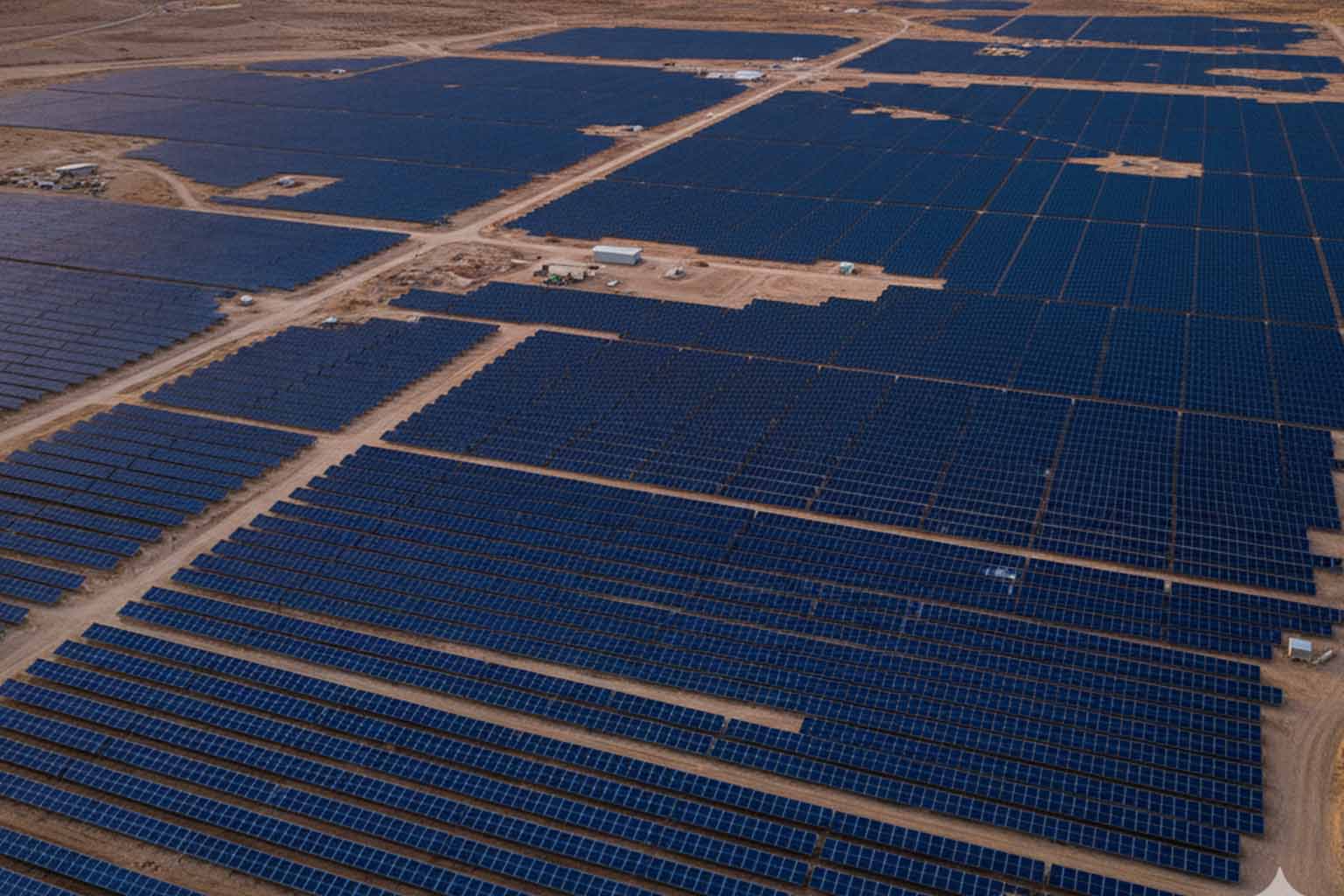
The Japanese government has committed to a bold renewable energy strategy aimed at reducing the country’s reliance on fossil fuels and nuclear power. One of the central pillars of this strategy is the development of polymer solar cells (PSC), which use perovskite technology to achieve higher efficiency and lower costs compared to traditional silicon-based solar panels. Japan’s long-term goal is to produce 20 gigawatts of electricity from PSCs by 2040, roughly equivalent to the energy produced by 20 nuclear reactors.
This ambitious plan is not just about securing energy independence; it’s also about strengthening national security and leading the global transition to clean energy. With perovskite technology, Japan hopes to become a dominant player in the renewable energy market and set the standard for sustainable urban energy solutions. The country’s leadership in this field is especially significant as it continues to grapple with the challenges of limited land space and high urban density.
The Role of Iodine in Perovskite Solar Cells
Japan’s position as the world’s second-largest producer of iodine provides it with a unique advantage in the production of perovskite solar cells. Iodine is a key ingredient in the manufacturing of these solar panels, and Japan’s domestic supply ensures that the country is not reliant on foreign imports for this crucial material. This self-sufficiency reduces vulnerabilities in the supply chain and strengthens Japan’s ability to lead the charge in renewable energy innovation.
In addition to its role in perovskite solar cell production, iodine also plays a critical part in other clean energy technologies, further bolstering Japan’s competitive edge in the global market. The country’s expertise in both solar panel technology and iodine production gives it a distinct advantage as it looks to expand its influence in the renewable energy sector.
Perovskite Technology: The Future of Urban Solar Energy
What makes perovskite solar cells truly revolutionary is their flexibility and adaptability. Unlike traditional silicon solar panels, which require large, flat rooftops or open land, perovskite panels can be lightweight and flexible, allowing them to be installed on a wide range of surfaces. From building facades and windows to car roofs and even streetlights, virtually every surface can become a source of renewable energy.
For a country like Japan, where space is at a premium, this versatility is a game-changer. The ability to integrate solar energy generation directly into existing infrastructure—without displacing other critical functions—offers a highly efficient way to expand the country’s renewable energy capacity. By turning buildings, vehicles, and public spaces into energy hubs, Japan can drastically increase its solar energy production, making it one of the most energy-efficient nations in the world.
The Cost and Challenges of Perovskite Solar Cells
Despite their tremendous potential, perovskite solar cells are not without their challenges. Currently, concerns over the durability of these panels and their relatively high upfront costs persist. However, researchers are making significant strides in addressing these issues. Projections suggest that by 2040, the cost of perovskite solar panels could drop to as low as 10 yen per watt, making them an attractive option for both residential and commercial use.
The price reduction is expected to come as manufacturing techniques improve and economies of scale take effect. Once perovskite solar cells become more affordable, Japan—and other nations—could see a massive uptick in adoption, driving the transition to renewable energy at an even faster pace.
A Rapid Rise in Solar Adoption in Japan
Japan’s solar energy sector has seen remarkable growth in the past decade. Since the 2011 Fukushima nuclear disaster, the country has rapidly expanded its renewable energy capacity, with solar power now accounting for nearly 10% of Japan’s electricity generation. This is a dramatic increase from just 1.9% in 2014, demonstrating Japan’s commitment to diversifying its energy sources.
The government’s renewable energy targets for 2030 are even more ambitious, aiming for 36–38% of total energy consumption to come from renewable sources. Perovskite solar cells will play a crucial role in achieving this goal, with their low cost and high efficiency enabling Japan to scale up its solar energy production at a pace not previously thought possible.
Japan as a Global Leader in Renewable Energy
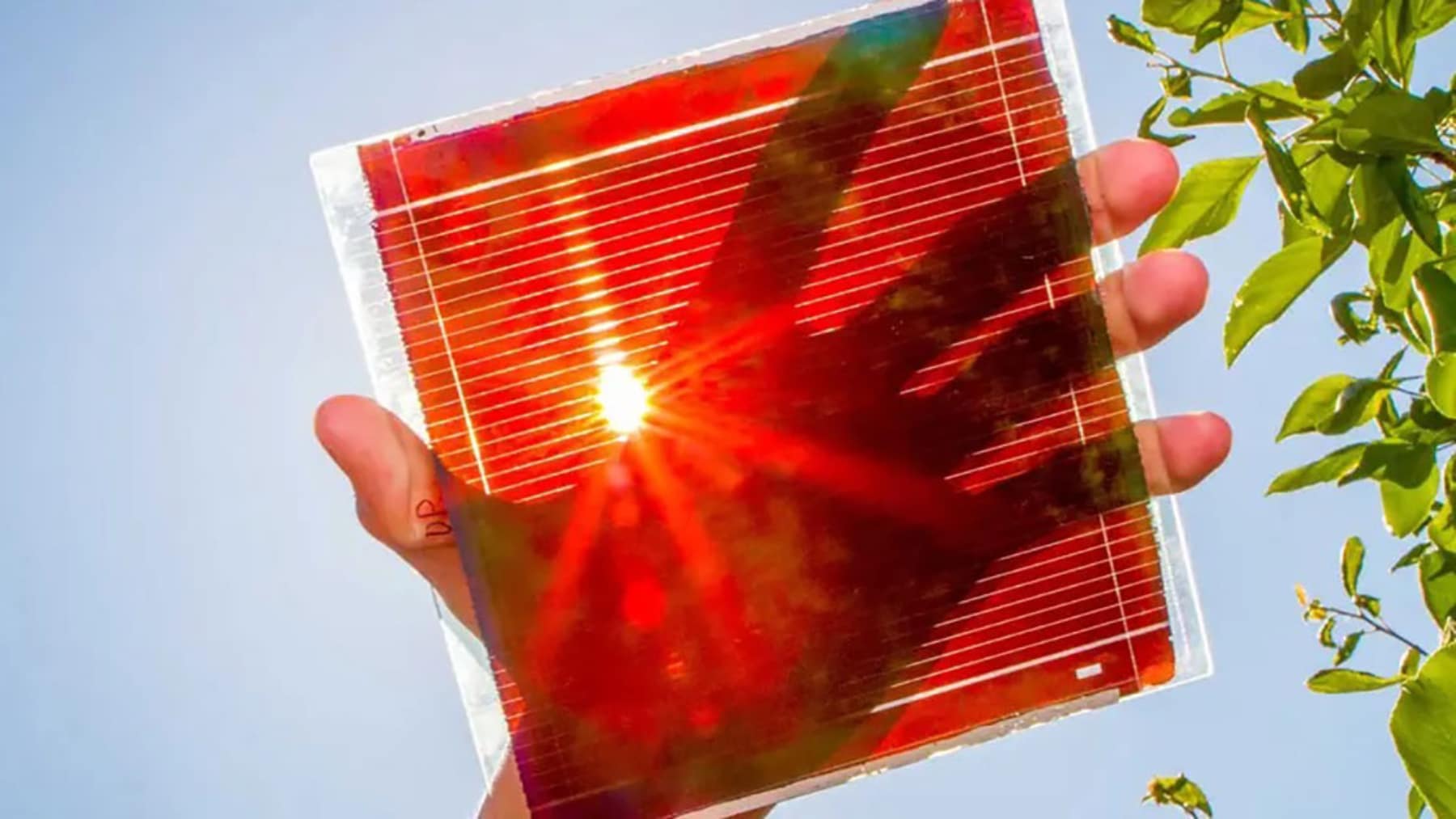
Japan is positioning itself as a global leader in renewable energy innovation, particularly in the field of solar power. The country’s focus on perovskite technology has the potential to reshape the global energy landscape, offering a viable solution to urban energy needs in densely populated areas. By leveraging its natural resources and fostering a culture of innovation, Japan is setting an example for other nations to follow.
In addition to its work on solar energy, Japan is also investing in other renewable energy technologies, including wind and hydropower. As the world continues to face the challenges of climate change, Japan’s leadership in clean energy is helping to shape a more sustainable future for all.
What Other Countries Can Learn from Japan’s Approach
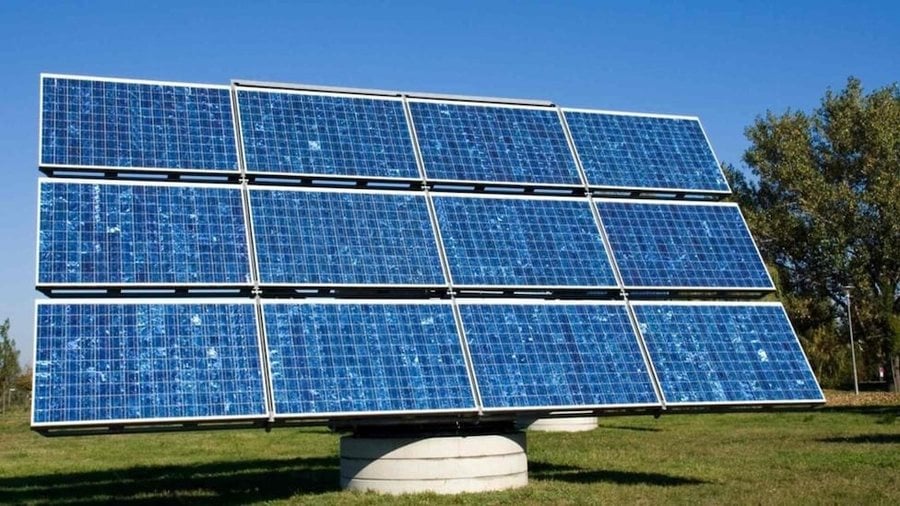
Japan’s commitment to renewable energy and its focus on perovskite solar technology offer important lessons for other countries looking to transition to clean energy. By combining government support, industry innovation, and cutting-edge materials science, Japan is creating a sustainable energy future that could serve as a blueprint for the rest of the world.
For other nations, particularly those with high population densities or limited land for traditional solar farms, Japan’s use of perovskite solar cells is a powerful demonstration of what is possible when technology is tailored to the unique challenges of urban environments. This approach could lead to the widespread adoption of solar energy in cities worldwide, helping to reduce global dependence on fossil fuels and mitigate the effects of climate change.
The Future of Solar Power: Japan’s Path Forward
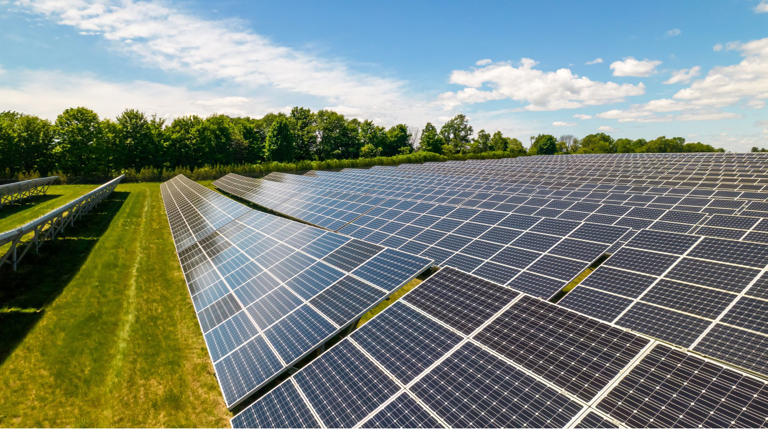
As Japan continues to develop and refine its perovskite solar cell technology, the country’s energy landscape is set to undergo a profound transformation. With the potential to generate more power than 20 nuclear reactors, these solar panels could dramatically reduce Japan’s reliance on conventional energy sources. As costs continue to fall and technology improves, Japan’s vision of an energy-independent, sustainable future is quickly becoming a reality.
Japan’s success in perovskite solar technology is not only a win for the country but also a win for the global renewable energy movement. By leading the charge in innovative solar power solutions, Japan is helping to pave the way for a cleaner, more sustainable world.
A Solar Revolution in the Making

The development of perovskite solar cells represents a revolutionary step forward in the quest for sustainable, urban solar energy. Japan’s bold strategy to integrate these solar panels into every available surface is poised to change the way cities around the world generate and consume energy. As the cost of perovskite panels continues to decrease and their efficiency improves, solar power will become an increasingly viable option for urban areas globally.
What Japan has accomplished is nothing short of groundbreaking, and as other countries look to replicate its success, the world is one step closer to a future powered by clean, renewable energy. The perovskite revolution is just beginning, and its impact will be felt for generations to come.