
Table of Contents
- What Happened with the Iran War?
- The Betrayal Sentiment Among Trump Supporters
- The Divide: Nationalism vs Globalism
- Rogan’s Perspective on the Voter Backlash
- The Changing Landscape of the Trump Base
- What This Means for Future Elections
- The Long-Term Impact of the Betrayal Sentiment
- What This Means for the Future of U.S. Politics
What Happened with the Iran War?
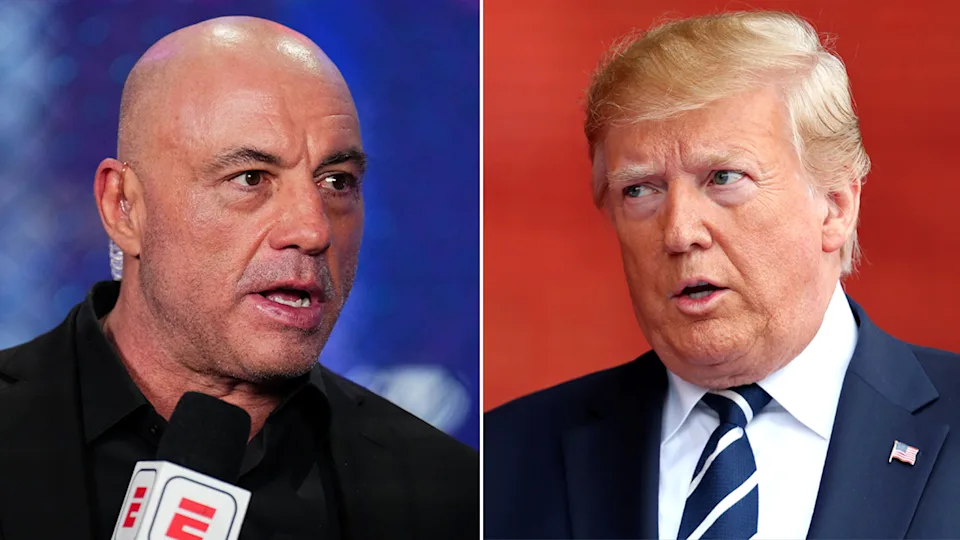
The United States has been involved in complex geopolitics surrounding Iran for decades, but under President Trump’s leadership, things escalated further. In January 2020, the U.S. assassinated Iranian General Qasem Soleimani, triggering retaliatory actions and heightened military tensions in the region. While this decision was widely supported by the hawkish elements of the Republican Party, it has left many Trump supporters questioning the wisdom of such military escalation. On Joe Rogan’s podcast, many voiced that they did not anticipate their leader to be so aggressive in foreign conflicts, particularly after Trump’s campaign promises of “America First” and the end of endless wars.
The Betrayal Sentiment Among Trump Supporters
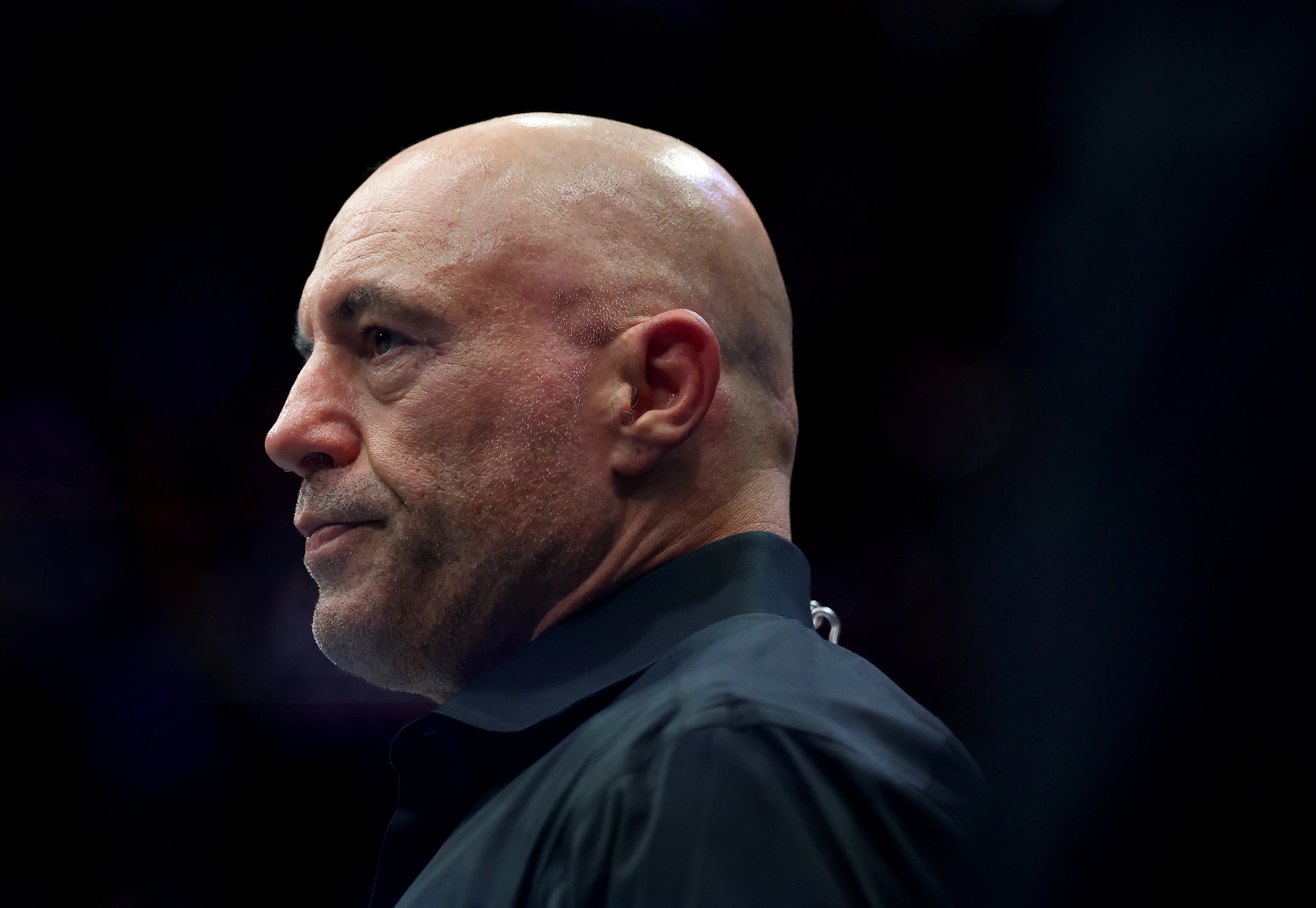
Rogan’s insight into the feelings of Trump voters isn’t just a commentary on the policy itself; it’s a reflection of how foreign decisions are often at odds with the expectations set by the president’s base. Many voters, particularly those who rallied behind his “Make America Great Again” campaign, did so with the hope that he would steer the country away from entanglements in foreign conflicts. But now, the very base that got Trump elected is questioning his alignment with the establishment politics they despise.
For many, the issue isn’t just the Iran war—it’s the broader context of what Trump promised versus what he delivered. Trump’s “America First” policy was meant to prioritize U.S. interests, but actions like the assassination of Soleimani have left many wondering if the president’s international actions align with his domestic rhetoric. This divide has sparked a real conversation about whether Trump’s foreign policy is truly serving the needs of his voters, or if it’s feeding into the deep-rooted political machine that many hoped he would dismantle.
The Divide: Nationalism vs Globalism
At the heart of this betrayal sentiment is the ongoing battle between nationalism and globalism. Trump voters, many of whom identify with the former, feel that their president’s shift toward more global interventions contradicts the very principles that his election represented. The Trump administration’s approach to Iran has raised questions about whether the president has truly stayed true to his promises of limiting foreign intervention and focusing on U.S. interests above all else.
It’s a shift that could play out in future elections, as the base begins to question what “America First” actually means in practice. Are they seeing a U.S. president who is committed to reducing foreign conflicts, or a leader who is still beholden to military-industrial interests?
Rogan’s Perspective on the Voter Backlash
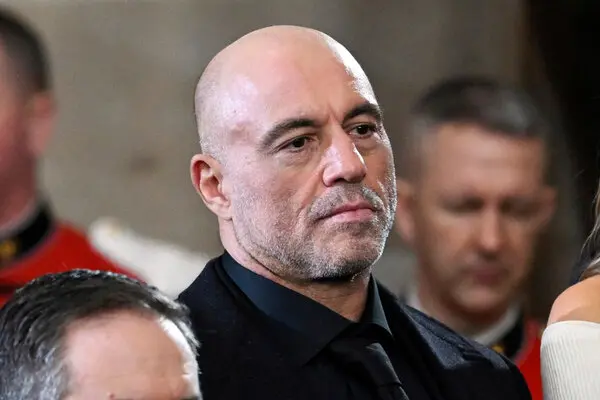
Joe Rogan, who has always been an influential voice in the political discourse, has said that the backlash from Trump voters isn’t just about policy—it’s about trust. These voters feel that they were promised something different during the election, only to be met with actions that they now see as politically motivated or even dishonest. Rogan suggests that this betrayal sentiment isn’t just a momentary feeling; it reflects a broader sense of disillusionment with the political system as a whole.
This view is not just exclusive to the Iran war but extends to other aspects of Trump’s presidency, including his relationship with the media, his stance on China, and his handling of the pandemic. As Rogan pointed out, many voters feel they’ve been misled about Trump’s true political intentions, which has caused a rift between the president and his original supporters.
The Changing Landscape of the Trump Base
This betrayal sentiment is not only significant in the context of the Iran war but also speaks to a deeper shift in the Trump base itself. Initially, Trump’s appeal lay in his anti-establishment persona and his promises to “drain the swamp.” Over time, however, his foreign policy decisions and his apparent alignment with military and political elites have put him at odds with the grassroots supporters who once saw him as a champion of the little guy.
This growing divide is not only concerning for Trump but for the Republican Party as a whole. As tensions mount over the direction of U.S. foreign policy, the party will have to reckon with how to balance the desires of their traditional, more interventionist allies and the base that is increasingly skeptical of foreign entanglements.
What This Means for Future Elections
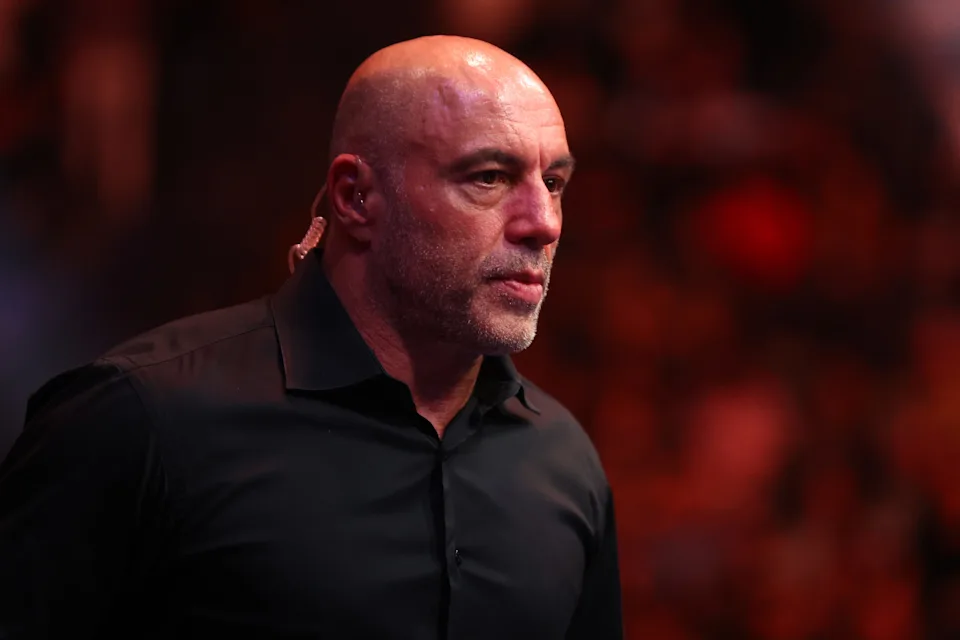
The way Trump handles the growing backlash from his voters could have far-reaching consequences for the 2024 election. If he cannot regain the trust of the base that put him in office, it could open the door for a challenger who better reflects the desires of the more populist side of the Republican Party.
In this context, Trump’s future in politics hinges on his ability to reconcile his actions with his base’s expectations. Will he double down on military interventions or pivot back to the promises that won him support in the first place?
The Long-Term Impact of the Betrayal Sentiment
The Iran war and the broader foreign policy actions taken by the Trump administration may serve as a case study in what happens when a political leader’s actions betray the very principles that got them elected. The consequences of this betrayal will likely ripple through the Republican Party and the electorate for years to come. This could affect everything from future election outcomes to the overall political discourse surrounding the role of the United States in global conflicts.
Moreover, the growing disillusionment within Trump’s base may provide an opportunity for other political leaders to tap into the anti-interventionist sentiment that has started to surface more prominently in U.S. politics. Whether or not Trump can pivot and reclaim his base will be a key factor in determining his political future.
What This Means for the Future of U.S. Politics
The Iran war may be the spark that ignites a broader discussion about trust, betrayal, and the future of U.S. foreign policy. As Joe Rogan has pointed out, the betrayal felt by Trump voters is not just about a single policy; it’s about a broader sense of disillusionment with the political system as a whole. This sentiment may reshape U.S. politics in the coming years, forcing politicians to reconsider their approach to foreign interventions and how they communicate with their bases. What follows could very well determine the direction of U.S. politics for generations to come.