
Table of Contents
- The Epstein Files: A Case That Won’t Disappear
- What the DOJ’s Review Could Mean
- The Epstein Files Transparency Act: A New Chapter
- The Department’s Transparency Record Under New Leadership
- The Redactions: What Are They Hiding?
- The Pressure on the DOJ: Will Anyone Be Held Accountable?
- The Role of Ghislaine Maxwell in the Epstein Scandal
- Public Outrage: What’s at Stake for Victims
- What Comes Next for the Epstein Case?
The Epstein Files: A Case That Won’t Disappear
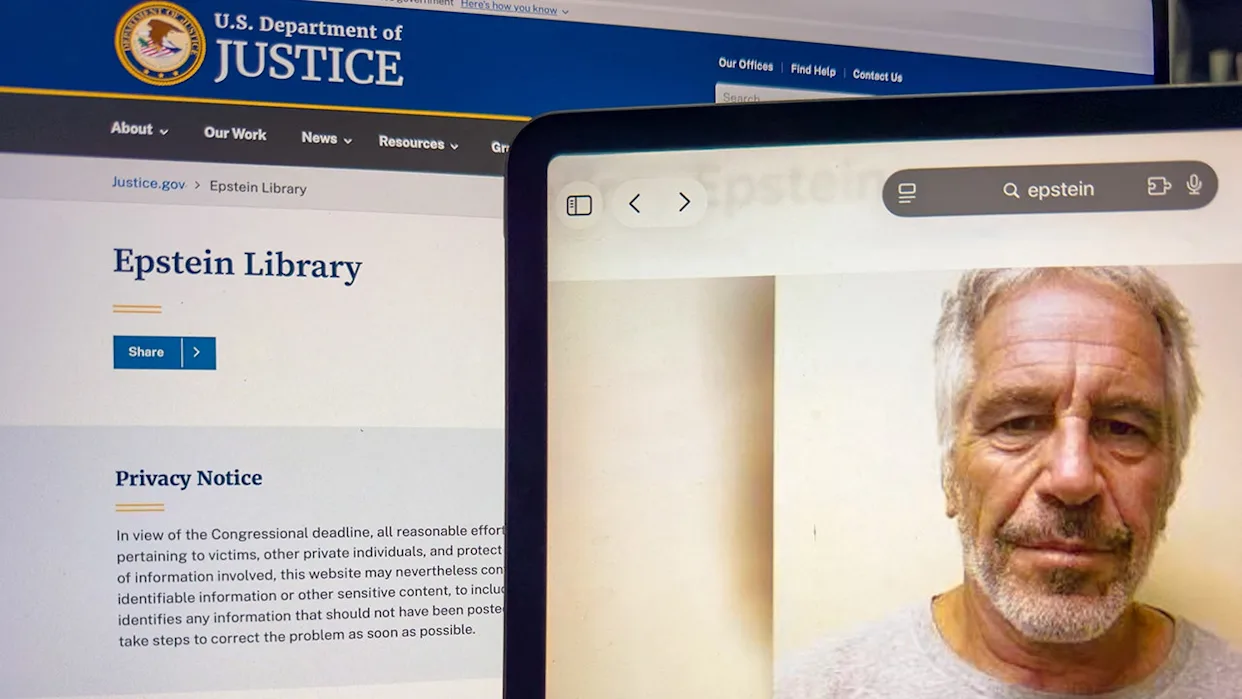
Epstein’s name became synonymous with scandal after he was convicted for sex crimes involving minors. His arrest and subsequent death in 2019 ignited a wave of public and governmental scrutiny. However, the files related to his case were long kept under wraps by the Justice Department, sparking conspiracy theories and distrust. Congress eventually passed the Epstein Files Transparency Act, demanding the release of these files, but the battle over their full disclosure is far from over.
In recent years, the Justice Department’s handling of these files has faced severe criticism. Documents and evidence that were expected to shed light on Epstein’s network have often been heavily redacted, leaving investigators and the public questioning the integrity of the DOJ’s process. A recent move by the DOJ’s Inspector General to examine how these materials were produced and handled may be the key to uncovering the truth.
What the DOJ’s Review Could Mean
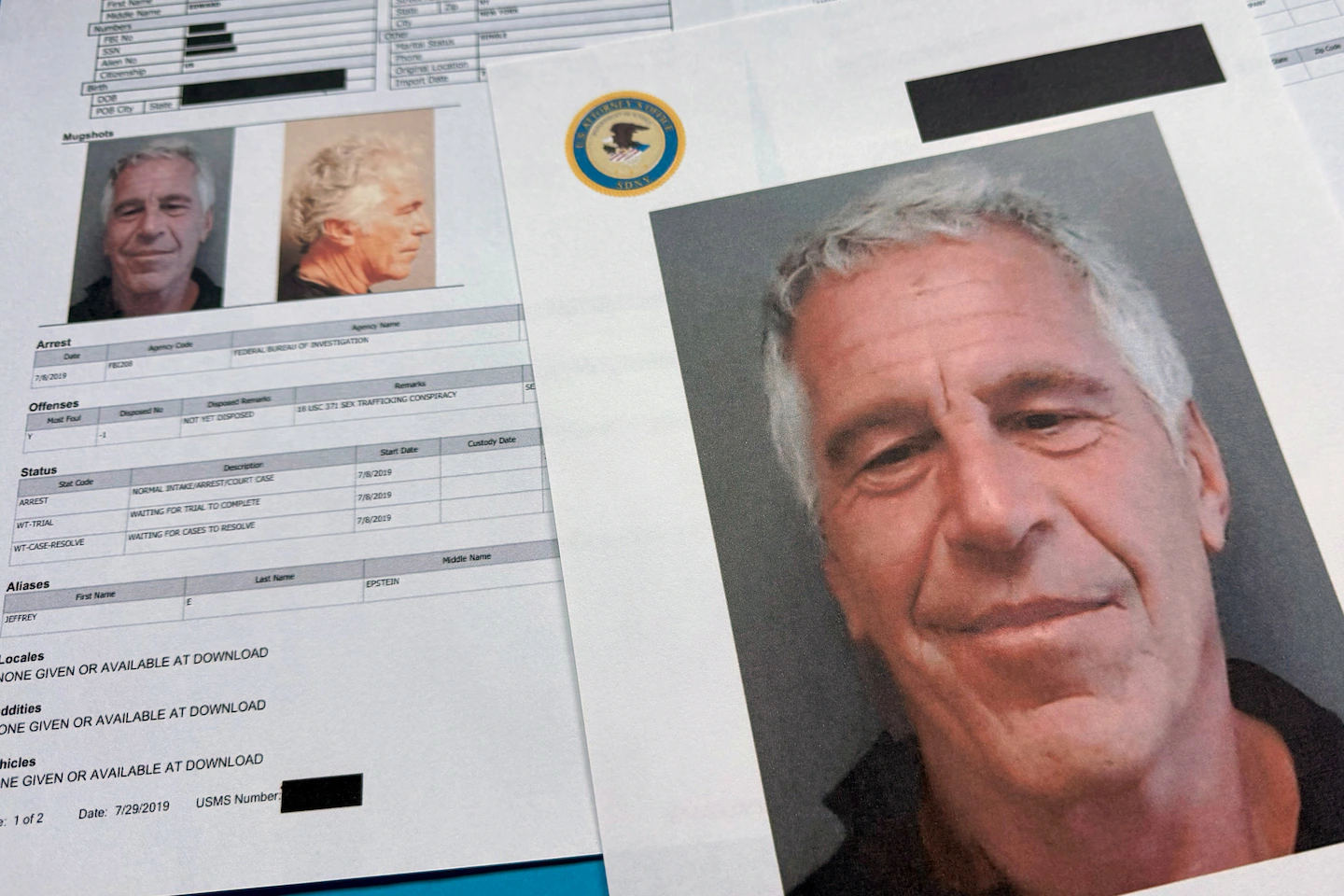
The Inspector General’s review will focus on several critical issues, including how the Justice Department identified, collected, and produced responsive materials. One of the most pressing concerns is the extensive redactions that have obscured key details in the files. Epstein’s victims have long claimed that other influential men were involved in the abuse, yet the documents released thus far provide little insight into whether investigators pursued these leads.
The investigation’s scope is wide, and it aims to examine not only the processes used to gather and release the files but also how the department has addressed issues following the documents’ release. This review could determine whether the DOJ’s actions were motivated by bureaucratic negligence or something more insidious. If the Inspector General’s report reveals flaws in the handling of evidence, it could lead to calls for further investigations and possible reforms within the department.
The Epstein Files Transparency Act: A New Chapter
Congress passed the Epstein Files Transparency Act after years of frustration over the DOJ’s failure to disclose critical information about Epstein’s activities. This law mandated the release of documents related to Epstein’s case, yet the process has been slow and controversial. Lawmakers, particularly those who co-sponsored the act, have expressed disappointment with the DOJ’s over-redactions and the continued withholding of significant materials.
One key missing piece is the alleged list of Epstein’s associates and co-conspirators, a document that was promised to be released but has never seen the light of day. Some lawmakers, like Rep. Thomas Massie, have criticized the DOJ for dragging its feet, and for failing to prosecute anyone other than Epstein and Ghislaine Maxwell. This frustration highlights the growing demand for accountability, not just for Epstein but for those who enabled his criminal activities.
The Department’s Transparency Record Under New Leadership

When Todd Blanche took over as Acting Attorney General, many hoped for a new era of transparency. Blanche has insisted that his department is more open than its predecessors, yet his handling of the Epstein files has been met with skepticism. Critics argue that Blanche is eager to close the book on the Epstein case and move on.
In a recent interview, Blanche stated that the DOJ should not focus on Epstein moving forward. This sentiment was echoed in his comments about the investigation into Epstein’s death, where he suggested that it was time to stop dwelling on the past. Such remarks have sparked outrage among those who believe the case deserves continued attention, especially given the ongoing suffering of Epstein’s victims.
The Redactions: What Are They Hiding?
The heavy redactions in the documents released by the DOJ have only fueled suspicions about what’s being hidden. Many of Epstein’s victims, as well as journalists and activists, have criticized the department for making it difficult to uncover the full extent of the crimes. The release of unredacted documents could potentially reveal crucial information about the scope of Epstein’s network and the people involved.
Some experts suggest that the redactions may be protecting powerful individuals who are still in positions of influence. Others argue that the DOJ is simply trying to avoid the embarrassment of exposing its failures in the case. Regardless of the reason, these redactions continue to hinder efforts to bring justice to the victims.
The Pressure on the DOJ: Will Anyone Be Held Accountable?

The DOJ’s failure to prosecute anyone beyond Epstein and Maxwell has led to widespread calls for further action. Victims and their advocates are pushing for the DOJ to pursue new leads, investigate other potential co-conspirators, and hold more individuals accountable.
The review by the Inspector General could determine whether the DOJ’s actions have been adequately transparent or if more needs to be done. If the investigation reveals significant flaws in how the department handled Epstein’s case, it could lead to political pressure for further action. This could include renewed investigations or even the reopening of cases that were previously closed.
The Role of Ghislaine Maxwell in the Epstein Scandal
Ghislaine Maxwell, Epstein’s long-time associate and co-conspirator, was convicted for her role in procuring minors for Epstein’s abuse. Her case has been seen as a significant victory for justice, but many are questioning whether her sentence is enough. Some believe that Maxwell is merely a small piece of the puzzle and that the full extent of her involvement is yet to be revealed.
Maxwell’s sentence may provide some closure for her victims, but it raises important questions about the broader implications of her actions. The DOJ’s handling of her case, along with the ongoing review of the Epstein files, could reveal new details about how deep her involvement truly went.
Public Outrage: What’s at Stake for Victims
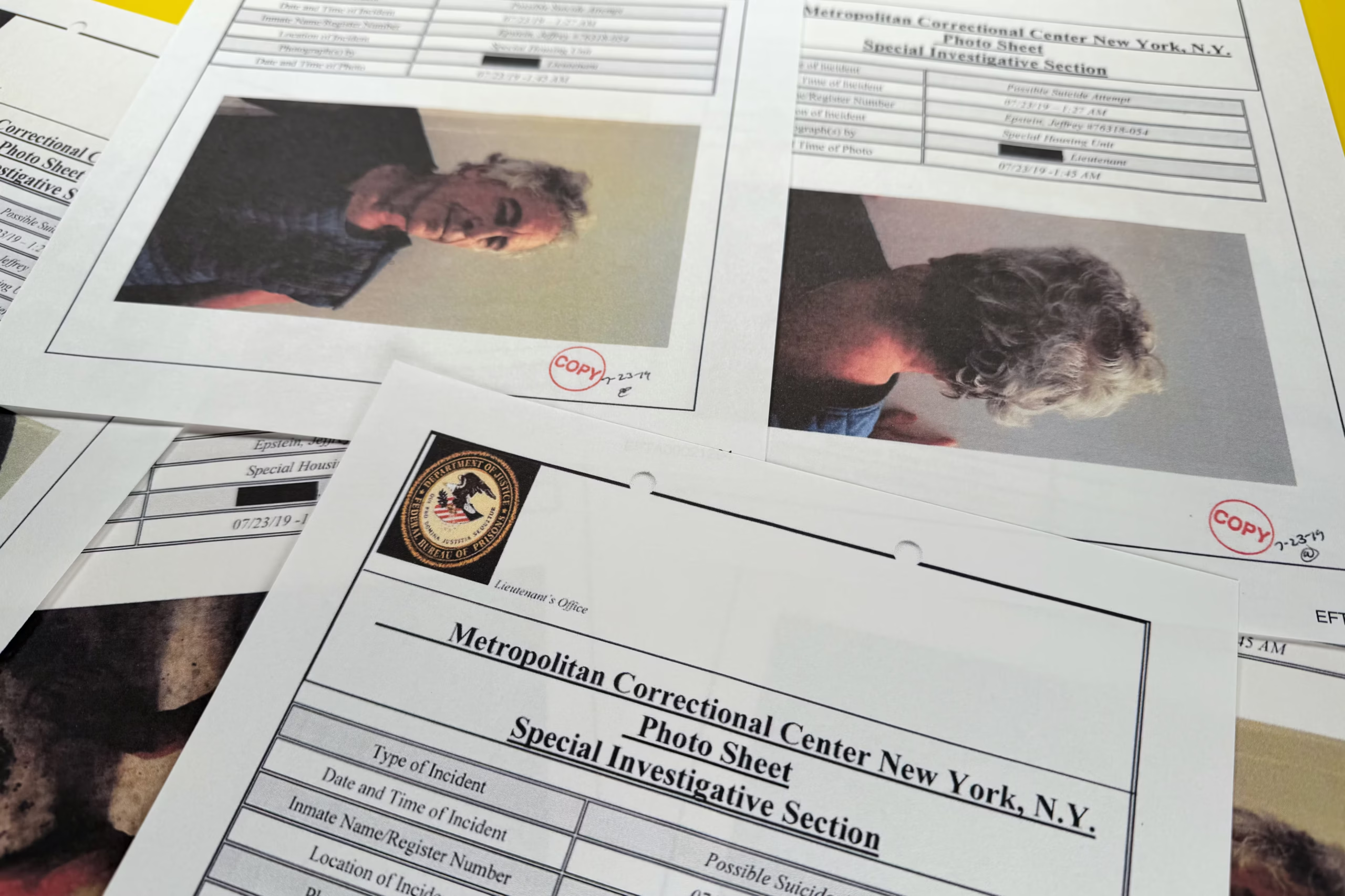
The Epstein case is not just a legal matter – it is deeply personal for the victims who continue to suffer from the abuse they endured. For many, the failure to bring justice to those responsible for Epstein’s actions is a bitter reminder that the system often fails the most vulnerable.
The review of the Epstein files could be a turning point for the victims. If the DOJ is found to have mishandled evidence or failed to fully investigate all leads, it could lead to a renewed commitment to justice. This is a critical moment for the victims, who are hoping that their voices will finally be heard.
What Comes Next for the Epstein Case?
As the DOJ’s Inspector General continues its review, many are left wondering what will happen next. Will the department take meaningful steps to address the flaws in its handling of the Epstein files? Will the victims see more accountability, or will the case be swept under the rug?
One thing is certain: the Epstein case is far from over. The continued investigation and the review of the files are crucial for ensuring that justice is served. It remains to be seen whether the DOJ will rise to the challenge, or if this scandal will continue to haunt the department for years to come.