
Table of Contents
Kim Jong Un’s Leadership and Legacy
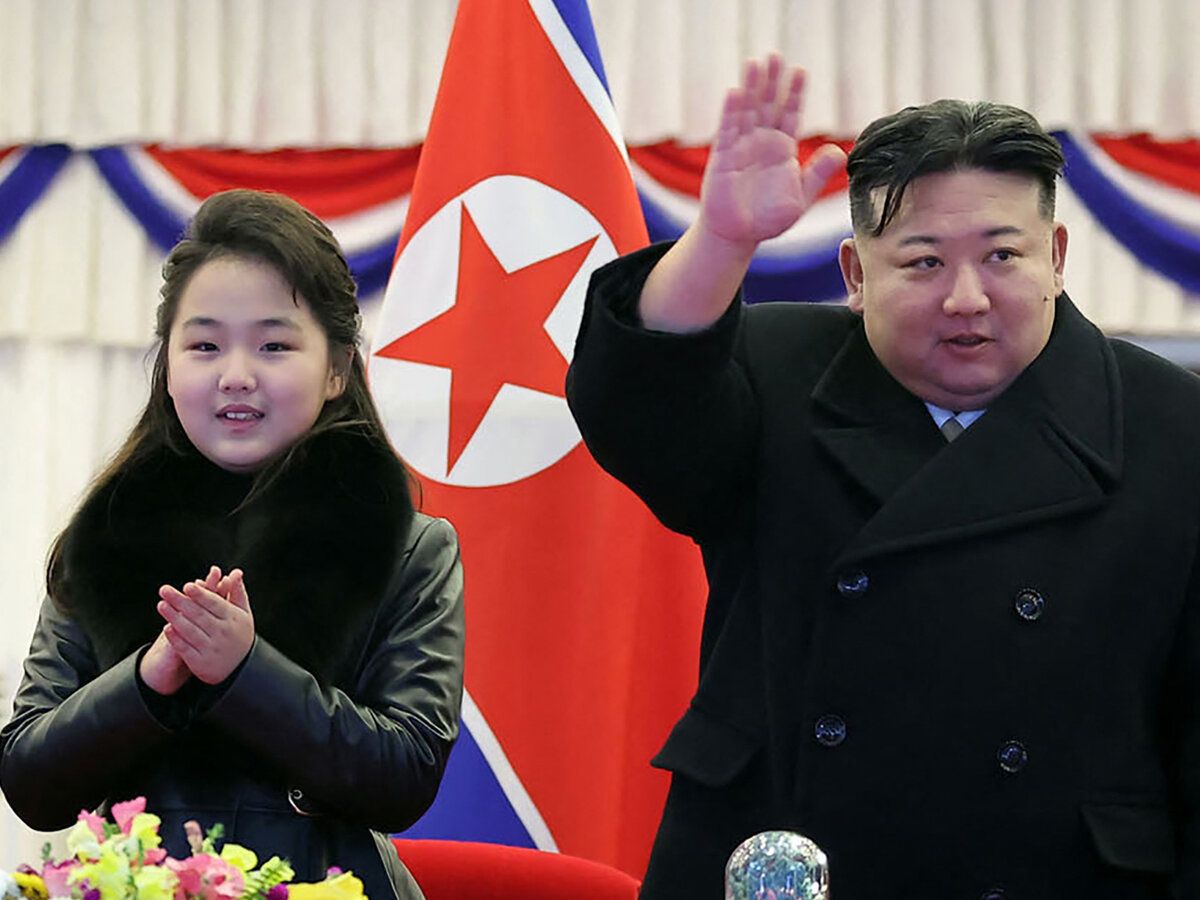
Kim Jong Un, who has been in power since 2011, is the third member of the Kim family to lead North Korea following the deaths of his father, Kim Jong Il, and his grandfather, Kim Il-sung, the founding leader of the country. Under Kim Jong Un’s rule, North Korea has continued to maintain its authoritarian regime, focusing heavily on military development, including nuclear weapons, and suppressing political dissent. His leadership has been marked by a mix of aggressive diplomacy and internal crackdowns, with the regime maintaining a tight grip on power and its citizens.
Kim Jong Un’s leadership has had significant implications for both North Korea and its neighbors, especially South Korea, the United States, and China. His pursuit of nuclear weapons and missile tests has led to heightened tensions in the region and with global powers. However, his more recent diplomatic efforts, including meetings with U.S. President Donald Trump, have raised the possibility of a shift in North Korea’s approach to international relations. Despite these attempts at engagement, North Korea’s authoritarian nature has remained unchanged.
The announcement of his daughter potentially succeeding him in power signals that Kim Jong Un may be preparing for a long-term family dynasty. Whether this move is part of a strategic plan to consolidate power or simply a reflection of personal preference remains unclear, but it raises the question of what will happen to the country after his reign.
Who is Kim Jong Un’s Daughter?
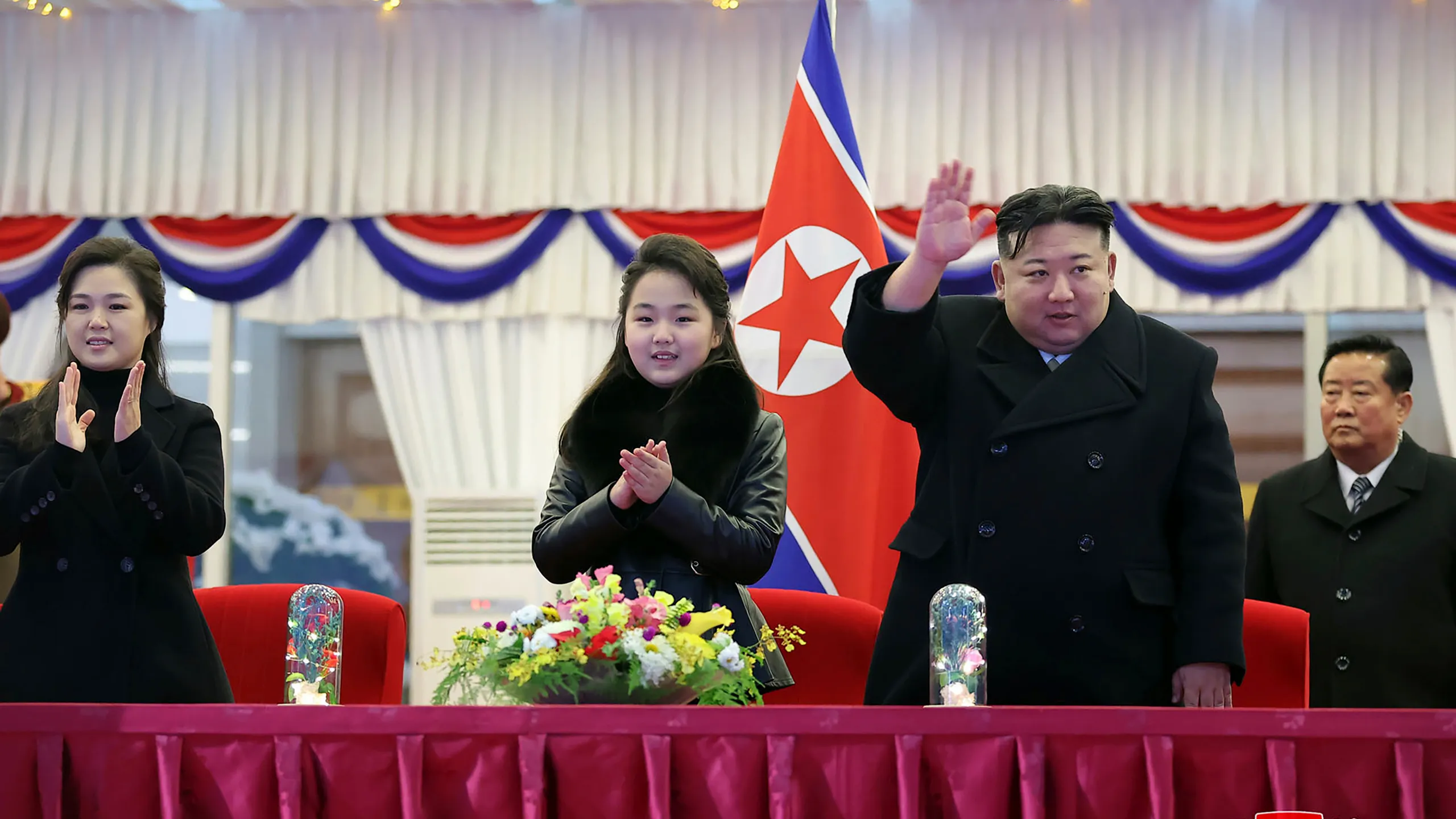
Kim Jong Un’s daughter, who has not been officially named in most public reports, has largely remained out of the public eye, similar to her father during his early years of power. However, the young girl has made a few public appearances with her father, sparking rumors about her potential role in the regime. In recent years, state media in North Korea has occasionally featured her in images with her father, signaling that she may be preparing to take a more prominent position in North Korean politics.
While there is little concrete information about her age or political experience, her public appearances have fueled speculation that she is being groomed as a successor. Analysts believe that Kim Jong Un’s decision to introduce his daughter to the public could be part of an effort to secure the regime’s future and solidify the Kim family’s control over the country.
Kim Jong Un’s daughter is believed to have been born in the early 2010s, making her potentially in her teenage years. Given the secretive nature of the regime, details about her education, upbringing, and role within the government remain largely unknown. What is certain, however, is that her emergence in the public sphere signifies a major shift in the country’s leadership structure, with the possibility of the first female leader in North Korean history.
What This Means for North Korea’s Future
The prospect of Kim Jong Un’s daughter assuming leadership raises several critical questions about the future of North Korea. Historically, the country has been ruled by the Kim family, with each successive leader being chosen within the family. This dynastic structure has created a sense of continuity but has also led to questions about the ability of the regime to adapt to a rapidly changing world.
If Kim Jong Un’s daughter is indeed set to succeed him, it would mark a historic shift in North Korean leadership. While North Korea has long been characterized by its traditional patriarchal system, a female leader could challenge this established norm and potentially signal a new direction for the country’s political future. It is unclear, however, how much influence Kim Jong Un’s daughter would have in her early years as leader, as she would likely face significant challenges in consolidating power and gaining the support of key military and political figures within the regime.
The introduction of a young female leader could also have significant implications for North Korea’s relationships with other countries, particularly South Korea, the United States, and China. It is possible that her leadership could lead to a shift in North Korea’s foreign policy, depending on how she navigates relations with the international community. Given the patriarchal nature of the Kim family regime, it is difficult to predict whether a female leader would enjoy the same level of influence and respect as her male predecessors.
North Korea’s Political Structure and the Role of the Military
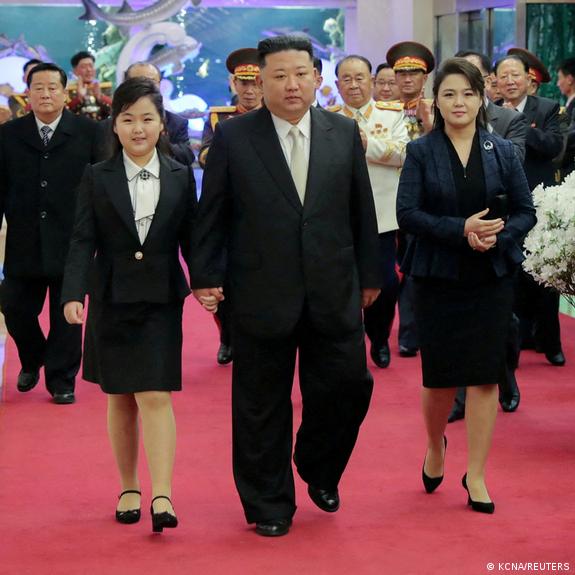
One of the key challenges any new leader in North Korea faces is the centrality of the military in the country’s politics. North Korea’s political system is heavily influenced by the military, which has played a crucial role in supporting the Kim family’s rule. While Kim Jong Un’s rule has seen him strengthen his control over the military, a new leader, especially one who is young and inexperienced, may find it difficult to maintain the same level of power and influence over the armed forces.
The military’s support is vital to the survival of the regime, and any change in leadership must ensure the continued loyalty of military officials. If Kim Jong Un’s daughter is to take control, she will likely have to rely on key military figures to help solidify her position. This could lead to a period of instability as the military evaluates her leadership capabilities and decides whether to support her.
In addition to military support, Kim Jong Un’s daughter would need to navigate the complex web of internal politics within the regime. While the Kim family’s rule has been absolute, the country’s political apparatus is filled with factions and rivalries that could complicate any transition of power. Whether or not she has the political acumen and backing necessary to maintain control over these factions remains to be seen.
Kim Jong Un’s Legacy and the Future of North Korea’s Nuclear Program
Another critical issue facing Kim Jong Un’s daughter, if she assumes leadership, is the future of North Korea’s nuclear program. Under Kim Jong Un’s rule, North Korea has made significant advancements in its nuclear weapons and missile technology, which has been a central aspect of the regime’s military strategy. Kim Jong Un’s daughter would inherit a country that is highly focused on its nuclear capabilities, and how she handles this issue could have far-reaching implications for global security.
The nuclear issue has been one of the most contentious aspects of North Korea’s foreign relations, particularly with the United States and South Korea. If Kim Jong Un’s daughter follows in her father’s footsteps and continues the development of nuclear weapons, it could lead to further tensions with the international community. Conversely, if she seeks to negotiate or de-escalate tensions, it could open the door for more diplomatic engagement, particularly with the United States and its allies.
Regardless of her approach, the future of North Korea’s nuclear program will likely remain a defining feature of her leadership, and how she navigates this issue could shape the country’s future for years to come.
The Global Reaction
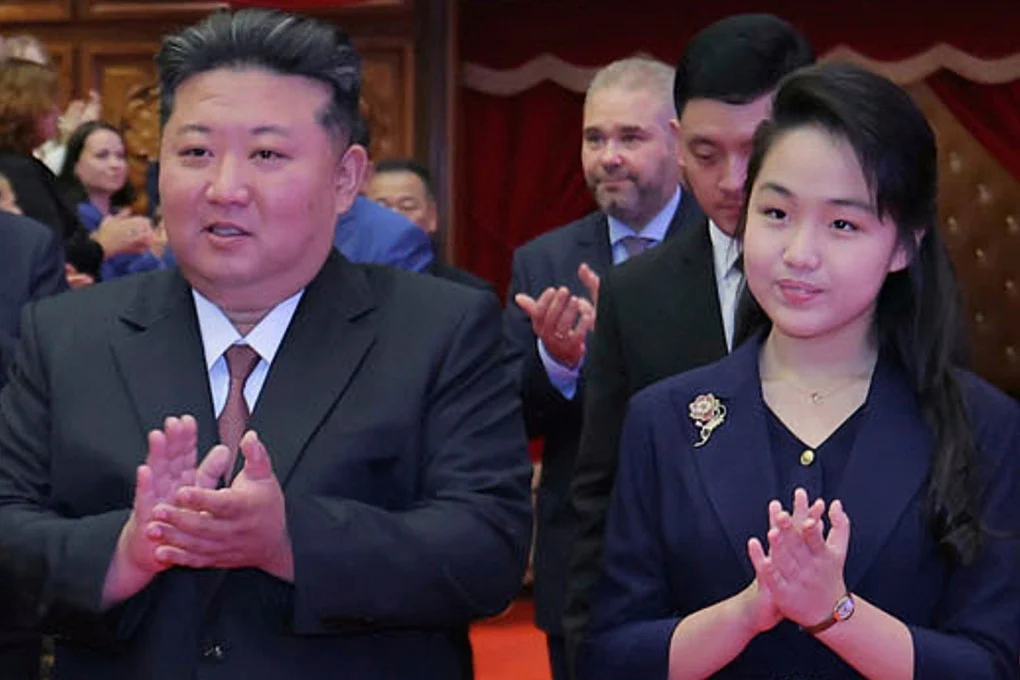
The potential succession of Kim Jong Un’s daughter has significant implications for North Korea’s relationships with the international community. The country’s diplomatic posture, particularly toward South Korea, the United States, and China, could change depending on how the new leader approaches global affairs.
For South Korea, the emergence of a young female leader in the North could be seen as a challenge to the traditional understanding of North Korean leadership. South Korea, which has long viewed North Korea’s leadership as a male-dominated, authoritarian system, could face a period of uncertainty as it adjusts to the possibility of a female leader in the North.
The United States, which has been engaged in sporadic talks with North Korea over the years, may also find the leadership transition complicated by the rise of a new leader, especially if she deviates from the policies of her predecessors. How the new leader approaches denuclearization and international diplomacy will be key to shaping future relations with the West.
Conclusion:
Kim Jong Un’s potential decision to name his daughter as the next leader of North Korea is a significant development that could shape the future of the country for generations to come. If she does take control, it would mark a dramatic shift in the country’s dynastic leadership, which has been dominated by male figures for decades. Her leadership will face immense challenges, particularly in navigating the military and political structures that have kept the Kim family in power.
While the future of North Korea under a female leader remains uncertain, the emergence of Kim Jong Un’s daughter represents a turning point in the country’s political history. The coming years will be critical in determining whether she can maintain the Kim family’s grip on power, manage the country’s nuclear program, and navigate complex international relations. As the world watches, it remains to be seen how North Korea’s next chapter unfolds.