

Table of Contents
- Why Kristen Stewart is Considering Leaving the U.S.
- The Impact of ‘America First’ on Hollywood
- The Political Climate’s Role in Hollywood Careers
- The Broader Implications of Trump’s Impact on Hollywood
- The Power of Celebrity Voices in Political Discourse
- What Kristen Stewart’s Potential Exit Means for Hollywood’s Future
- Conclusion
Why Kristen Stewart is Considering Leaving the U.S.
Kristen Stewart’s recent comments about considering leaving the U.S. are far more than just an expression of frustration — they reflect a growing sense of alienation in the entertainment industry. Under Trump’s presidency, the American film industry has faced increasing scrutiny and pressure, particularly when it comes to issues of global influence and nationalistic policies.
Stewart has always been a vocal critic of Trump’s policies, but her remarks suggest a deeper concern about the future of creative freedom in Hollywood. The America First agenda, which prioritizes domestic production and national interests, has led many industry insiders to feel that the global nature of Hollywood is being threatened. Stewart, who has worked in international cinema and whose career spans across multiple countries, expressed a fear that this shift could limit the global collaboration and storytelling that has defined American cinema for decades.
Her comments are also a reflection of the broader trend in Hollywood where political divisions are increasingly affecting career decisions. While some have chosen to stay silent, others, like Stewart, have been unafraid to take a stand against policies that they feel stifle the free expression that has long been associated with the film industry.
The Impact of ‘America First’ on Hollywood

Since Donald Trump took office, his administration’s emphasis on putting American interests first has been felt in all sectors of society — and Hollywood is no exception. The film industry, which has traditionally been a global leader in entertainment, has been forced to adapt to new challenges under America First policies.
One of the most visible shifts has been the growing emphasis on producing films domestically. The U.S. government has encouraged American filmmakers to prioritize local talent, technologies, and resources, leading to a trend of increasingly nationalistic film productions. This has raised concerns among industry professionals, many of whom rely on international markets for revenue and success. The increasingly insular nature of Hollywood could alienate not only global audiences but also the talent that Stewart represents — talent that thrives in a multicultural and international space.
The Political Climate’s Role in Hollywood Careers

The political climate under Trump has also affected the way Hollywood operates. Increasing restrictions on international partnerships, trade tariffs on foreign productions, and an overall shift in how the U.S. is perceived on the global stage have made it more difficult for filmmakers to collaborate across borders. This growing tension has created a rift between the political forces pushing for isolationism and the industry’s desire for global cooperation.
For someone like Kristen Stewart, who has starred in internationally acclaimed films such as Clouds of Sils Maria (a French-Swiss production) and Personal Shopper (a French film), this political shift represents a significant challenge. Stewart’s career has spanned multiple countries and cultures, allowing her to build relationships with filmmakers around the world. Under the America First policy, these international collaborations could be jeopardized, leading to an uncertain future for actors and directors who thrive in a globalized film industry.
The Broader Implications of Trump’s Impact on Hollywood

Kristen Stewart’s comments about leaving the U.S. also serve as a barometer for Hollywood’s growing frustration with the political climate in the country. In addition to Stewart, numerous other artists and creators have expressed concern over the effect of Trump’s policies on their careers. These concerns span a variety of issues, from immigration restrictions and travel bans to the cultural isolation that comes with nationalist rhetoric.
The impact is not limited to just American filmmakers but affects global talent as well. The rise of nationalist sentiments under Trump has made it more difficult for foreign filmmakers and actors to work in the U.S., potentially leading to a brain drain in the entertainment industry. The cultural exchange that once defined Hollywood could be replaced by a more narrow, domestically focused industry, which could result in a less diverse range of stories being told.
The Power of Celebrity Voices in Political Discourse
Kristen Stewart’s stance on Trump’s America First policies is part of a larger trend in Hollywood where celebrities use their platform to address political issues. As one of Hollywood’s most influential voices, Stewart’s comments carry weight, and her potential departure from the U.S. could signal to her fans and followers that even the biggest stars are questioning the direction of the country.
While celebrities have always played a role in political discourse, the Trump era has seen a surge in political activism from figures in the entertainment world. From actors like Stewart to directors and producers, many have used their influence to speak out against what they see as the harmful effects of nationalist policies on the film industry. This shift highlights the role of Hollywood as not just a place of entertainment but also as a space where cultural and political issues intersect.
What Kristen Stewart’s Potential Exit Means for Hollywood’s Future
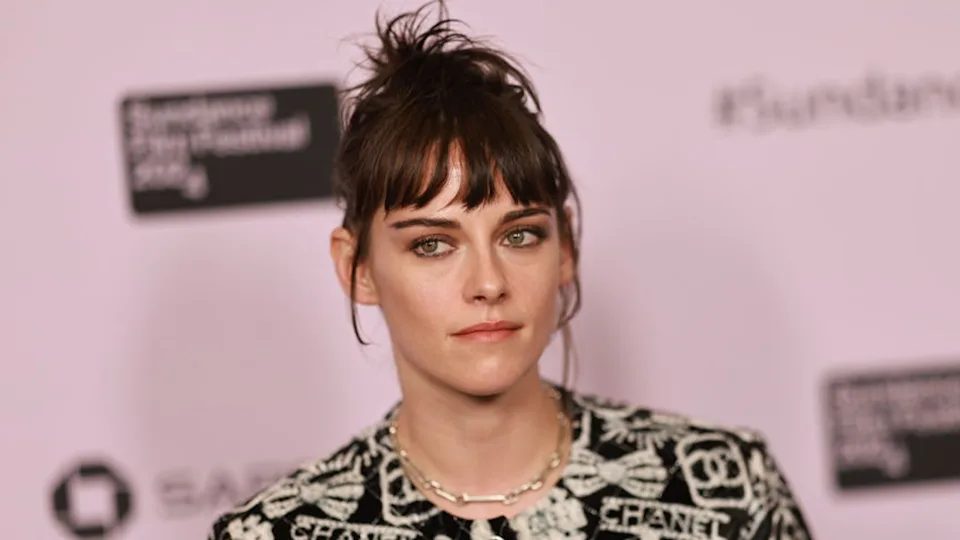
Kristen Stewart’s potential exit from the U.S. serves as a powerful symbol of the tensions between politics and Hollywood. It also raises important questions about the future of the American film industry in the age of America First. Will Hollywood become more isolated, focusing on domestic productions at the expense of international collaboration? Or will the film industry find ways to navigate the political landscape and maintain its global reach?
One thing is certain: the shift in political and cultural dynamics has forced Hollywood to reckon with its role in a changing world. If more celebrities like Stewart decide to leave, or if Hollywood begins to favor domestic productions over international collaboration, the industry could see a fundamental shift that alters how films are made, distributed, and consumed.
Conclusion
Kristen Stewart’s comments about potentially leaving the U.S. are part of a larger conversation about the intersection of politics and entertainment. The America First policies under Trump have had a profound effect on the way Hollywood operates, with growing concerns about the future of international collaboration and the role of foreign talent in U.S. productions.
As the entertainment industry navigates these political challenges, it’s clear that the future of Hollywood will depend on how it adapts to the shifting political landscape. Whether Stewart’s fears are realized or not, one thing is clear: the cultural power of Hollywood, and the role of politics in shaping that power, will continue to evolve in the years to come.