
Table of Contents
What is Laser Weed Control?
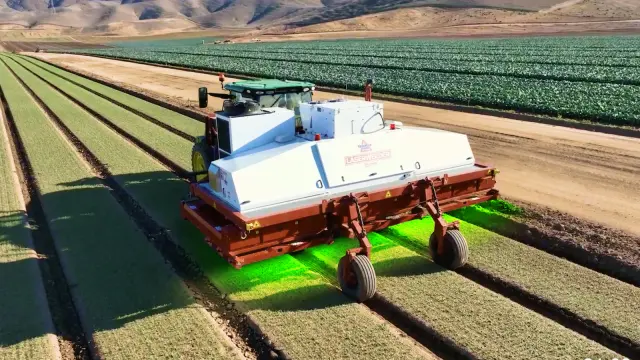
Laser weed control is a groundbreaking approach that uses high-powered lasers to identify and target weeds within a field. The technology operates by detecting weeds through advanced imaging systems and firing lasers that destroy the weed’s cellular structure, effectively killing it. This method offers a precision-level approach that can target weeds while leaving crops untouched.
In traditional weed control methods, farmers often use broad-spectrum herbicides, which can affect the environment and non-target plants. Laser technology provides a more targeted and environmentally friendly solution, focusing solely on the weeds that need to be removed, with minimal collateral damage to surrounding crops.
How Laser Technology Works in Weed Control

The process begins with a camera system that scans the field. This system uses infrared sensors and advanced algorithms to identify the shape, size, and location of weeds. Once a weed is detected, a high-powered laser is directed precisely at the target, burning the weed at a cellular level. This method is incredibly fast and efficient, with lasers capable of killing weeds in fractions of a second.
The lasers are designed to operate without harming nearby crops, which are generally more resilient to the targeted heat of the laser. This allows for selective weed removal, meaning that farmers can apply the technology to only the problematic weeds, leaving beneficial plants unaffected.
The ability to control weeds with such precision is a major advantage over traditional methods, which often result in chemical runoff, contamination, and unintentional harm to non-target species.
Benefits of Targeted Laser Weed Control
- Reduced Herbicide Usage: By using lasers instead of chemicals, farmers can significantly reduce their reliance on herbicides. This helps to lower costs and decrease the environmental impact of farming, such as water pollution and soil degradation.
- Precision and Efficiency: Laser technology offers high precision in weed targeting. The system is designed to only eliminate the unwanted plants, preserving valuable crops and reducing waste.
- Cost-Effective: While the initial investment in laser technology can be significant, the long-term savings on herbicides and labor costs make it a cost-effective solution for many farmers. Additionally, this technology can help farmers improve crop yields by eliminating competition from weeds.
- Environmental Sustainability: With less herbicide use, laser technology offers a more sustainable farming method that minimizes chemical exposure to the soil, water, and surrounding ecosystems. This aligns with the growing push for sustainable agricultural practices that reduce farming’s carbon footprint.
- Weed Resistance Management: Over time, weeds can develop resistance to certain herbicides, rendering them less effective. Laser-based weed control reduces this risk, as the method targets individual plants and does not rely on chemicals that can lead to resistance buildup.
Challenges and Limitations of Laser Weed Control

Despite its promising potential, laser weed control is not without its challenges. One of the primary concerns is the initial investment in the technology. While the long-term benefits may outweigh the upfront costs, not all farmers may be able to afford the technology, especially small-scale or resource-limited farmers.
Additionally, the system requires high-quality sensors and cameras to accurately detect weeds in real-time. The accuracy of the technology is crucial for its success, and any flaws in the detection system could lead to ineffective weed control or damage to crops.
Another limitation is that laser technology works best in dry conditions, as moist or wet plants may not absorb the laser energy as effectively. Farmers operating in regions with high humidity or frequent rainfall may face challenges in using this technology consistently.
Future Implications for Precision Farming
The development of laser weed control is part of a larger movement toward precision farming, which seeks to optimize agricultural practices through technology. Precision farming uses data-driven approaches to make farming more efficient, sustainable, and profitable. Laser technology aligns with these goals, providing a more accurate and environmentally friendly method of weed management.
As the technology continues to evolve, we can expect even greater efficiencies and improvements in its design. Advances in machine learning and artificial intelligence may further enhance the system’s ability to detect and target weeds, making it even more precise and adaptable to different farming environments.
Moreover, the use of lasers could extend beyond weed control. In the future, this technology may be applied to other aspects of farming, such as pest control, plant health monitoring, and crop thinning, further revolutionizing the way farmers approach field management.
How Laser Weed Control Compares to Traditional Methods
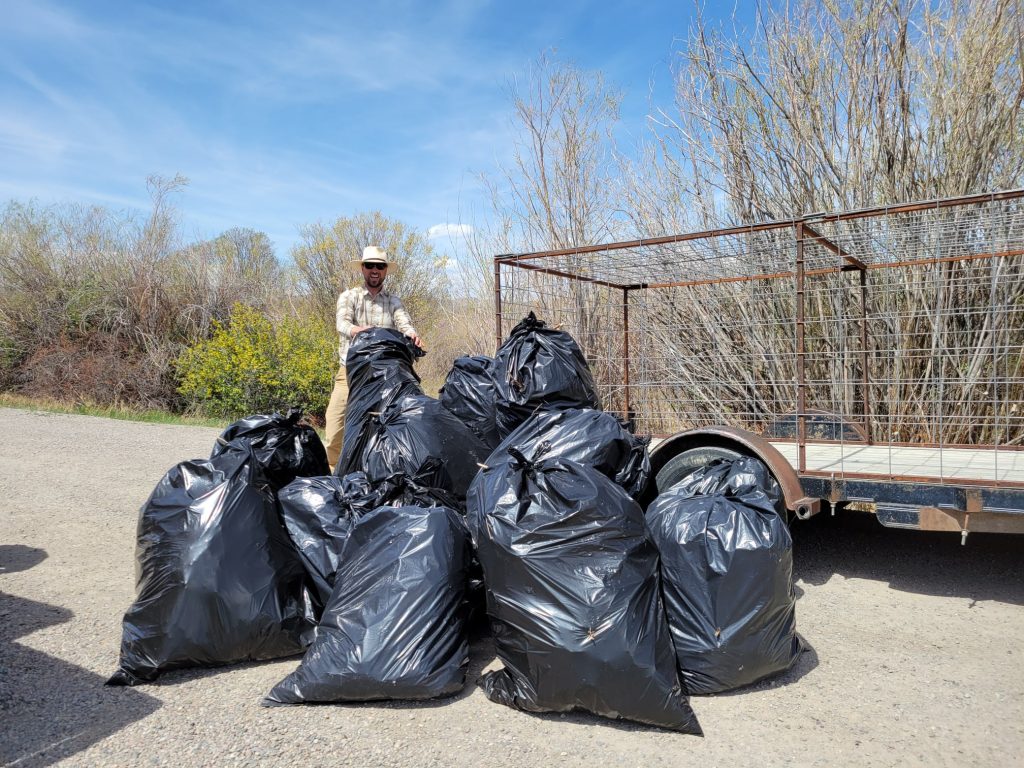
When compared to traditional weed control methods, laser technology offers several advantages. Herbicides, while effective, can cause significant harm to the environment, including soil contamination, water pollution, and damage to beneficial insects like bees. Herbicides also require frequent reapplication, leading to higher costs and increased exposure to chemicals.
Mechanical weed control, such as plowing or mowing, is another common practice. However, these methods can be labor-intensive, disruptive to the soil, and often require the use of additional fuel and equipment. Laser technology, on the other hand, eliminates the need for constant chemical or mechanical intervention, offering a more streamlined and sustainable approach.
Economic Impact on Farmers
Laser weed control offers potential economic benefits to farmers. While the upfront cost of purchasing and implementing the technology may be high, the long-term savings on herbicides and labor costs can make it a worthwhile investment. Additionally, the ability to reduce weed competition can lead to higher crop yields and better-quality produce.
Farmers who adopt this technology may also benefit from a more positive public image, as consumers are increasingly concerned about the environmental and health impacts of chemical use in agriculture. By embracing innovative and sustainable practices, farmers can appeal to environmentally conscious consumers and potentially open up new markets for their products.
Conclusion
Targeted laser technology represents a major leap forward in weed management, offering a more sustainable, efficient, and cost-effective alternative to traditional methods. As precision farming continues to gain traction, technologies like laser weed control are paving the way for more environmentally friendly agricultural practices that can benefit both farmers and the planet.
While there are challenges to overcome, such as high initial costs and technological limitations, the potential for widespread adoption of laser technology in agriculture is promising. With continued advancements in the field, laser weed control could become a standard practice in farming, helping to create a more sustainable and productive agricultural future.