
Table of Contents
Bulgaria’s Parliament Takes a Bold Stand
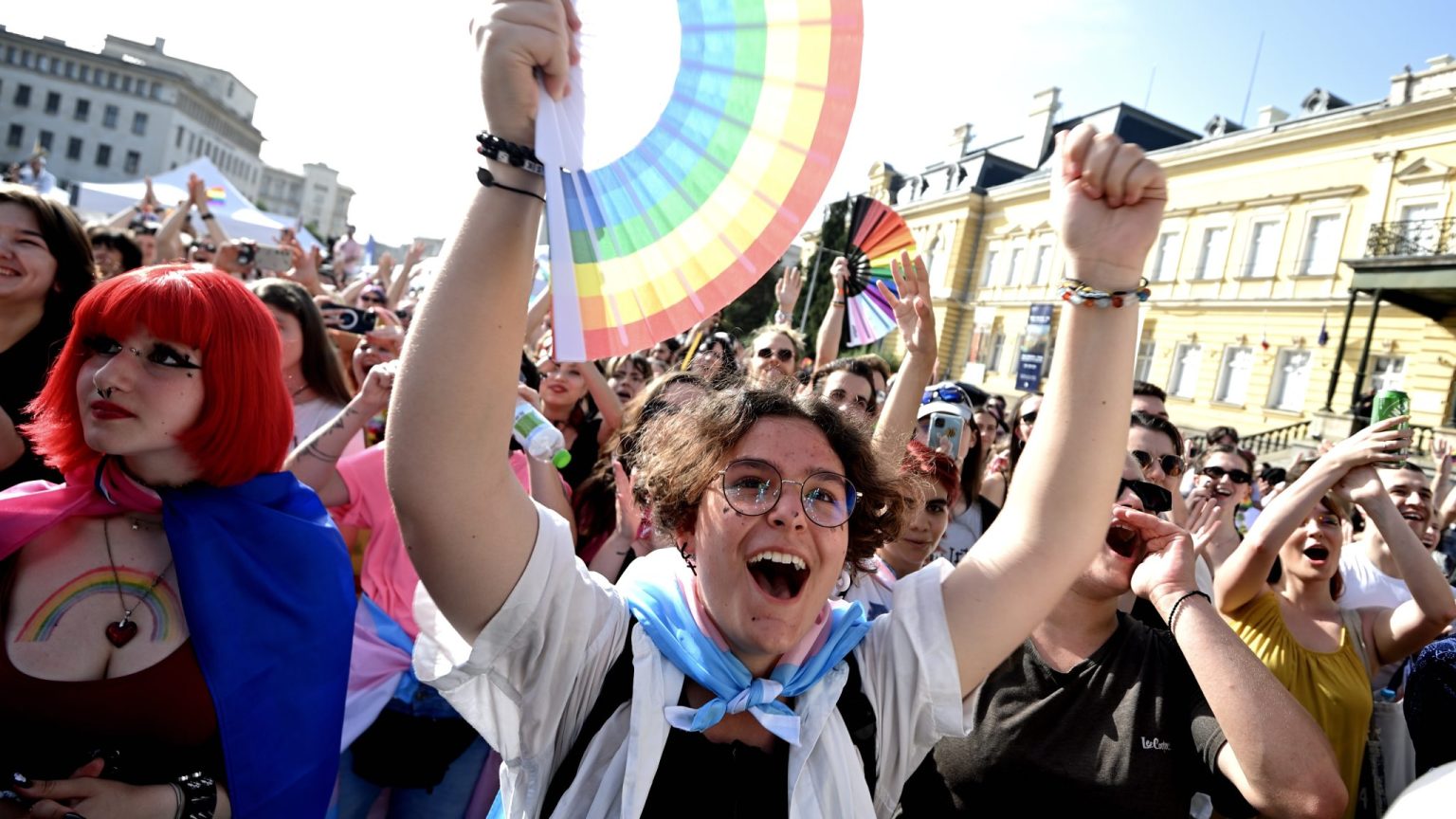
The surprise decision by Bulgaria’s parliament to outlaw LGBT propaganda in schools came after a swift and heated debate. The law, which passed with overwhelming support, seeks to restrict the promotion of LGBT rights and issues in primary and secondary educational institutions. The bill is the latest in a series of moves by the Bulgarian government to curtail what some lawmakers and groups see as the spread of “untraditional values.”
What makes this decision particularly striking is the lack of prior public discussions and warnings about such a law. It seemed to emerge out of nowhere, catching both proponents and critics of LGBT rights off guard. The law’s swift passage has left many questioning the motivations behind it, especially in a country that has prided itself on moving towards greater European integration and human rights in recent decades.
What Does It Actually Ban?
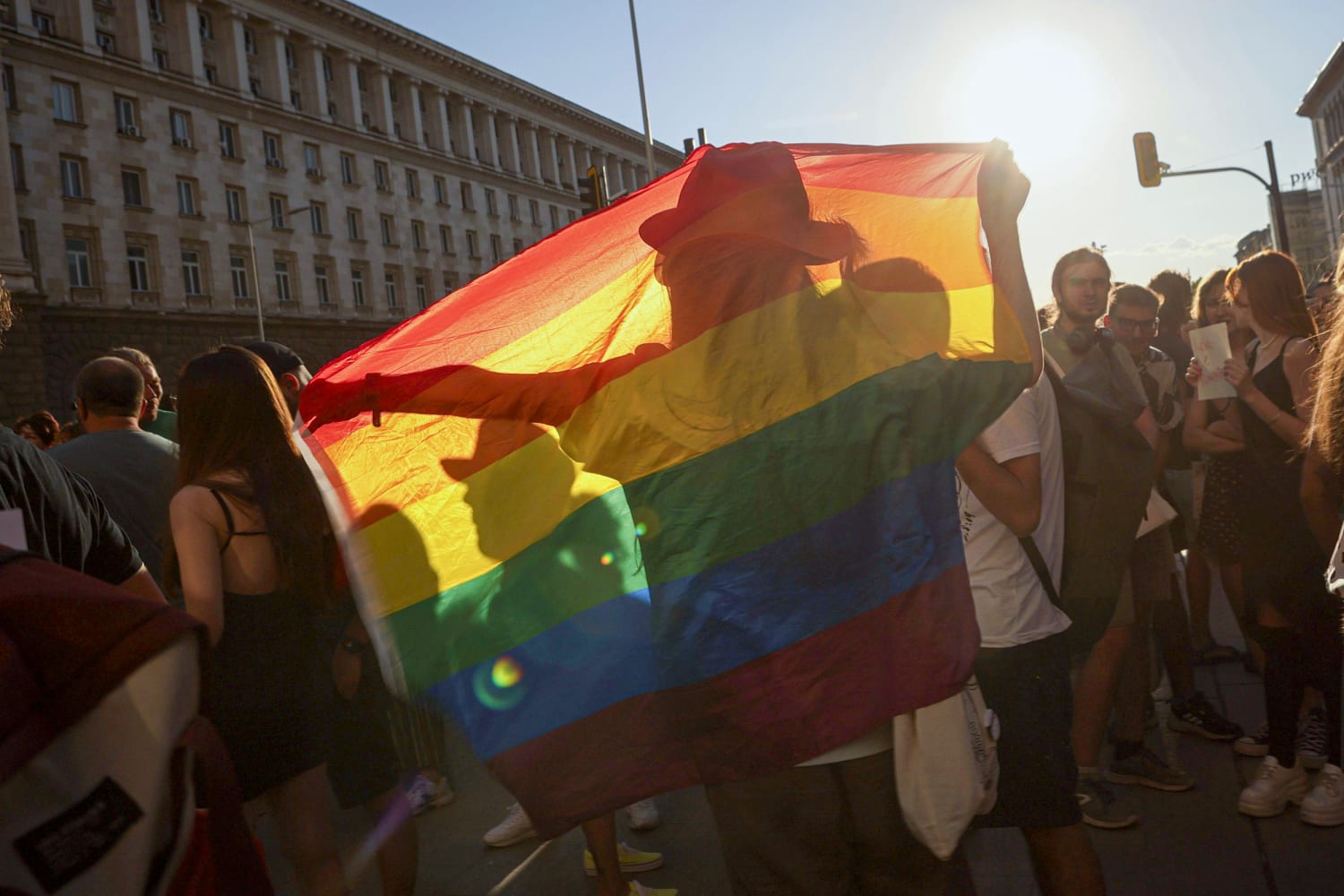
The law itself is vague in some areas, but its core message is clear: schools must refrain from promoting LGBT rights or offering education on LGBT-related topics. The ban extends to the curriculum, teaching materials, and any form of public discussion within the school environment that could be interpreted as promoting LGBT issues.
Critics argue that the law could result in censorship of necessary conversations around LGBT rights, leaving students with a skewed understanding of gender and sexual diversity. Supporters, on the other hand, believe the law is a safeguard for protecting traditional values and shielding children from what they perceive as ideological indoctrination.
The law is particularly controversial in its application to teachers and educators. While LGBT advocacy groups argue that it limits free expression, others argue that it’s essential for parents and communities to have a say in what their children are taught, particularly when it comes to sensitive issues like gender and sexuality.
What It Means for Bulgaria’s LGBT Community
For Bulgaria’s LGBT community, the passing of this law is a major setback. Activists have long fought for greater recognition and acceptance of LGBT rights in the country, which remains one of the more conservative nations in the European Union. While LGBT rights have improved in many parts of Europe, Bulgaria has remained reluctant to fully embrace equality for LGBTQ+ citizens.
The new law has sparked fears that it will lead to further marginalization of LGBT individuals, particularly young people who may already struggle with discrimination and stigmatization. Many worry that the law will create a hostile environment for LGBT students, who may now feel even more isolated and unsupported within the education system.
Supporters of the law argue that it simply reflects the will of the majority and that parents have the right to shield their children from what they see as “foreign” values. However, the law’s critics maintain that it infringes upon fundamental human rights and undermines efforts to create a more inclusive society.
Outrage and Concern
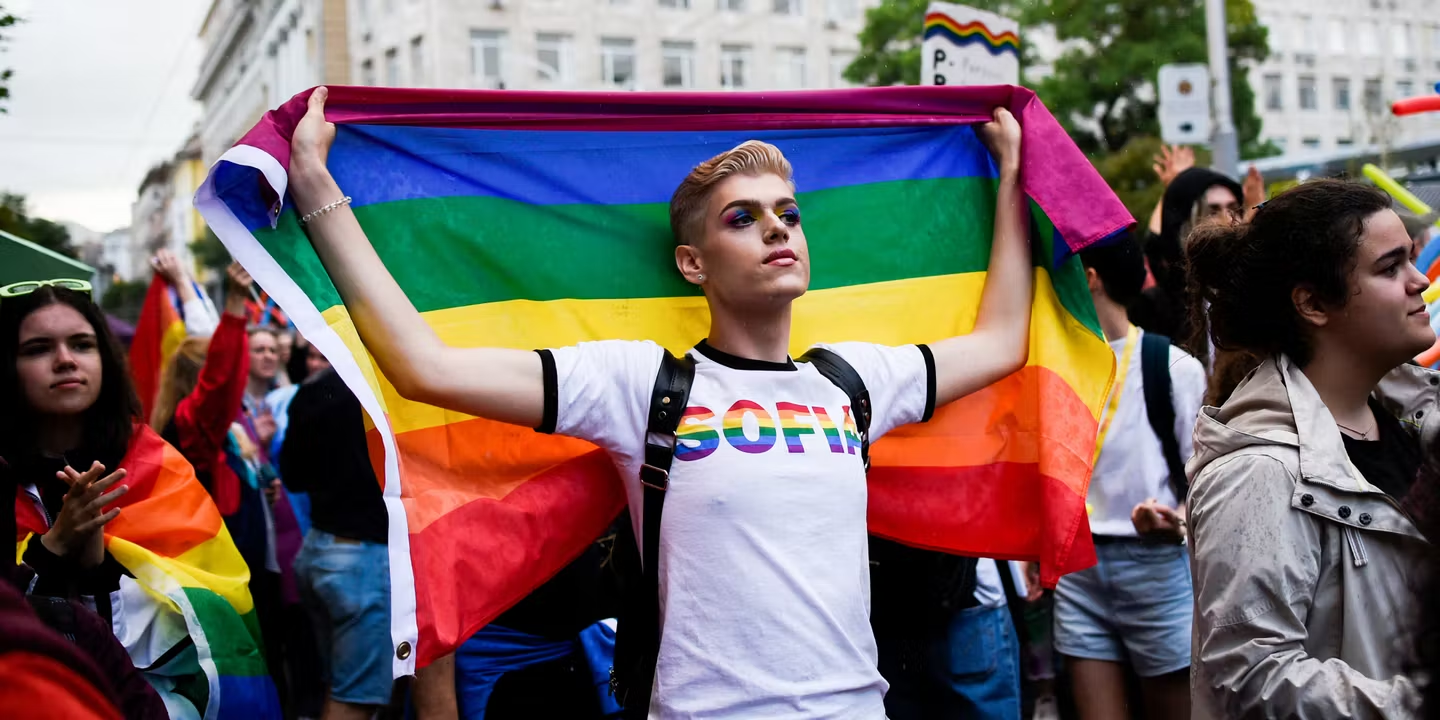
The decision has not gone unnoticed beyond Bulgaria’s borders. European leaders and international human rights organizations have expressed their outrage at the law, calling it a step backward for LGBT rights and freedom of expression. The European Union, which Bulgaria is a part of, has long championed human rights and anti-discrimination laws, and this move has put the country at odds with its European counterparts.
Some European politicians have urged the Bulgarian government to reconsider the law, arguing that it undermines the country’s commitment to EU values, including equality and non-discrimination. However, Bulgarian officials have defended the decision, claiming that the law aligns with the country’s cultural and moral values, which they argue should take precedence over external pressure.
In addition to EU reactions, various human rights groups, including Amnesty International and Human Rights Watch, have condemned the law, calling it a direct attack on the rights of the LGBTQ+ community. These organizations have vowed to continue advocating for the repeal of the law and for stronger protections for LGBT individuals in Bulgaria.
The Role of Traditional Values in Bulgaria’s Political Landscape
To understand why this law passed, it’s essential to look at Bulgaria’s political landscape and the role of traditional values in the country’s governance. The passing of the LGBT propaganda ban is part of a broader trend of conservative movements gaining traction in many Eastern European countries, including Bulgaria. Many of these movements are focused on defending what they see as traditional family values against the spread of what they perceive as foreign, liberal ideologies.
This trend is fueled in part by a growing backlash against globalism, liberalism, and perceived threats to national identity. Political leaders have framed this law as a defense against the erosion of national values, and it has found significant support among religious groups and conservative factions within Bulgarian society. This shift highlights the increasing divide between more liberal European Union values and the traditional values espoused by some Eastern European nations.
What Will Teachers and Students Face?
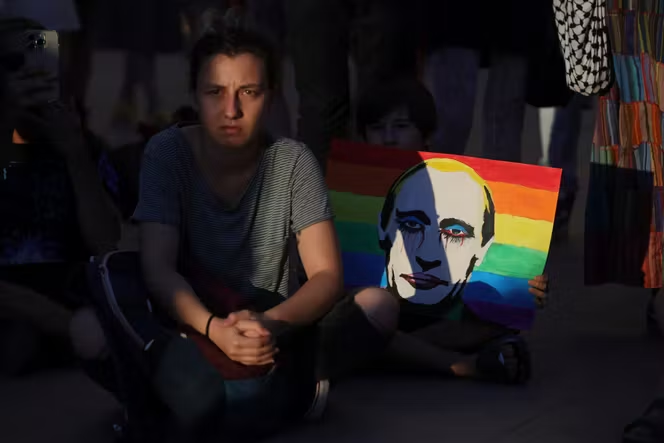
The immediate impact of this law will likely be felt within the classroom. Teachers will now have to navigate the complexities of discussing LGBT topics without crossing the line into “propaganda.” The fear of repercussions could lead some educators to self-censor, avoiding important discussions about LGBT issues entirely to avoid legal consequences.
Students, particularly those who identify as LGBT, may also feel the effects. With less representation in the curriculum and fewer discussions about LGBT topics, these students may feel even more isolated and unsupported. Furthermore, the law may discourage schools from providing resources or support systems for LGBT students, such as counseling services or safe spaces.
This could contribute to an atmosphere of silence and ignorance about LGBT issues, potentially perpetuating harmful stereotypes and stigmas. Without adequate education, students may grow up with a limited understanding of the diverse range of gender identities and sexual orientations, leading to discrimination and misunderstanding in the future.
Potential for Broader Censorship
While the law specifically targets LGBT topics in schools, many worry that it could set a dangerous precedent for censorship in other areas of society. Some critics fear that this law is only the beginning of a broader crackdown on free expression, with the potential for similar measures targeting other progressive causes.
The decision has raised alarms about the future of free speech and democratic values in Bulgaria. If this law stands, it could lead to more restrictive laws on a wide range of issues, from gender equality to freedom of the press. This creates a slippery slope where government censorship could increasingly shape what is allowed in public discourse, limiting citizens’ ability to freely express their opinions.
Conclusion
Bulgaria’s decision to outlaw LGBT propaganda in schools is a momentous event that will have lasting consequences for both the LGBTQ+ community and the country as a whole. While supporters of the law argue that it reflects the will of the majority and protects traditional values, critics see it as a grave violation of human rights and freedom of expression. As the law continues to unfold, it is clear that this issue is not just about LGBT rights; it’s about the very nature of democracy, freedom, and the role of government in shaping the future of education.
This law has sparked a larger conversation about the clash between traditional values and progressive ideals, one that will likely continue to reverberate across Europe. What remains to be seen is whether Bulgaria will continue down this path or whether international pressure will push the government to reconsider the impact of such laws on human rights, education, and the future of the country.