

Table of Contents
- A Dinner That Turned Deadly
- The Hidden Threat in Your Fridge
- The Timeline of the Outbreak
- What Makes Listeria So Dangerous?
- The Human Toll Behind the Statistics
- How to Spot the Symptoms Early
- Why Ready Meals Are Riskier Than You Think
- The Cost of Convenience
- What You Can Do to Stay Safe
- What This Means for the Food Industry
- Lessons From a Tragedy
- The Bigger Picture
A Dinner That Turned Deadly
It was supposed to be a quick, comforting meal — a bowl of pasta from the fridge after a long day. But for several people across the UK, that convenience turned into tragedy.
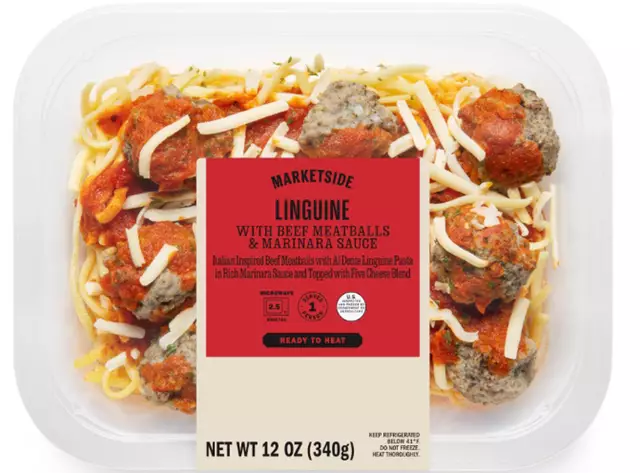
Health authorities have linked a deadly outbreak of Listeria to ready-made pasta meals sold in supermarkets, sparking nationwide alarm.
At least two people have died, and several others have been hospitalized. The warning is clear: even the most ordinary food can hide extraordinary danger.
But what makes this bacteria so dangerous — and how can something so simple as pasta lead to death?
Let’s break down what happened, what experts are uncovering, and how you can protect yourself and your family.
The Hidden Threat in Your Fridge
Listeria monocytogenes — the bacteria behind the outbreak — isn’t new. It’s been lurking in our food systems for decades.
But what makes it terrifying is its stealth and resilience.
Unlike most bacteria that die in cold temperatures, Listeria can grow even in your refrigerator. That means your pre-packed salad, sandwich, or pasta meal could quietly become a breeding ground while you sleep.
In this case, health authorities traced infections to chilled ready-to-eat meals, including pasta dishes distributed through major grocery chains.
Consumers reported symptoms ranging from fever and muscle pain to severe gastrointestinal distress. For some, particularly the elderly and immunocompromised, the infection proved fatal.
The Timeline of the Outbreak
According to the UK Health Security Agency (UKHSA), reports of listeriosis began surfacing in early October.
At first, they seemed isolated — a few hospital admissions here and there. But as the cases multiplied, investigators noticed a disturbing pattern: most patients had eaten the same brand of ready-made pasta meals shortly before falling ill.
Samples from victims’ fridges confirmed the presence of Listeria monocytogenes.
Within days, products were pulled from shelves, and a national food safety recall was issued.
But for some families, the warning came too late.
What Makes Listeria So Dangerous?
Listeria isn’t your average foodborne bacteria.
Most pathogens cause symptoms within hours. Listeria can take days or even weeks to manifest — long after the contaminated food has been eaten or discarded.
Once inside the body, it can invade the bloodstream and cross into the brain or placenta, causing:
- Meningitis
- Sepsis
- Miscarriage or stillbirth in pregnant women
Even a small dose can trigger severe illness. And because it thrives in cold environments, refrigeration doesn’t stop it — it only slows it down.
That’s why experts are urging extra caution with chilled, ready-to-eat foods like deli meats, soft cheeses, and pre-cooked meals.
The Human Toll Behind the Statistics
Behind every statistic lies a story of heartbreak.
One victim was a 74-year-old retiree who reportedly enjoyed ready-made pasta “almost every other night.” Another was a new mother who developed flu-like symptoms days after eating a pre-packaged meal, later losing her baby to infection-related complications.
Doctors say these cases are reminders that food safety isn’t just about expiration dates — it’s about invisible risks we can’t see.
“Listeria is deceptive,” said Dr. Rachel Houghton, a microbiologist at King’s College London. “It doesn’t make food look or smell spoiled. You could eat something that seems perfectly fine — and still end up in intensive care.”
How to Spot the Symptoms Early
If you’ve eaten a ready meal recently and are feeling unwell, it’s crucial to act fast.
Common Listeria Symptoms (within 1–4 weeks of exposure):
- Fever and chills
- Muscle aches
- Fatigue
- Nausea or diarrhea
- Headache and stiff neck (a sign of infection reaching the brain)
In pregnant women, Listeria can cause:
- Mild flu-like symptoms
- Premature labor
- Stillbirth
If you suspect you’ve been exposed, see a doctor immediately — especially if you’re pregnant, over 60, or have a weakened immune system.
Early antibiotic treatment can often prevent complications and save lives.
Why Ready Meals Are Riskier Than You Think
Ready-to-eat meals have become a staple of modern life — fast, convenient, and seemingly safe. But the very things that make them appealing also make them vulnerable.
Most are cooked, chilled, and stored before being shipped long distances. If any part of that process falters — even slightly — bacteria can multiply.
Even worse, Listeria can survive cooking if reheating isn’t thorough.
Experts advise that all ready meals should be heated to at least 75°C (167°F) before eating, regardless of what the packaging says.
“Don’t trust the microwave timer,” warns Dr. Houghton. “Trust your thermometer.”
The Cost of Convenience
This outbreak has reignited debate about the price we pay for convenience.
The global ready-meal industry is worth billions, fueled by busy lifestyles and the demand for quick solutions. But in our rush to save time, we may be overlooking the hidden costs — compromised nutrition, excess packaging, and, in cases like this, real health dangers.
Public health experts are now calling for:
- Stricter storage regulations for chilled foods
- More frequent testing of factory environments
- Clearer labeling for at-risk consumers (such as pregnant women and the elderly)
As Dr. Houghton puts it:
“Every outbreak should be a lesson, not a headline. If we forget too soon, it will happen again.”
What You Can Do to Stay Safe
You can dramatically reduce your risk of listeriosis with a few simple habits:
- Check expiration dates carefully. Never eat chilled foods past their “use by” date.
- Keep your fridge below 5°C (41°F). Listeria thrives in warmer conditions.
- Reheat thoroughly. Always heat ready meals until steaming hot all the way through.
- Separate raw and cooked foods. Prevent cross-contamination in storage and preparation.
- Wash fruits and vegetables. Even produce can carry Listeria from soil or handling.
- Be cautious if pregnant or immunocompromised. Avoid high-risk foods like soft cheese, deli meats, and pre-made salads.
Remember — prevention is your best defense.
What This Means for the Food Industry
This outbreak isn’t just a health warning—it’s a wake-up call for the food industry.
Supermarkets, manufacturers, and regulators are under increasing pressure to rebuild consumer trust through transparency and accountability.
Experts predict new food-safety technologies—like AI contamination detection, blockchain traceability, and smart packaging sensors—will soon become standard to prevent similar tragedies.
Because in today’s world, one contaminated meal can trigger a global crisis within hours.
Lessons From a Tragedy
For the families who lost loved ones, the damage is irreversible. But their stories might save others.
Every outbreak teaches us something new — about hygiene, vigilance, and the delicate chain that connects farm to fork.
And as chilling as these incidents are, they remind us of one truth: food safety begins at home, but it must be guaranteed by those who feed the world.
So the next time you reach for a ready meal, take a second to check — the label, the temperature, the smell. Because one careless moment in the kitchen could mean the difference between dinner and disaster.
The Bigger Picture

In an age of mass production and instant meals, outbreaks like this reveal just how fragile modern convenience really is.
Behind every plastic container and barcode lies a network of farmers, factories, and transport systems — all working in a delicate balance.
When even one link fails, the results can be deadly.
Maybe it’s time we rethink what “fast food” really means — and remember that safety, not speed, should always come first.