

Imagine this: You’ve lost your dog, searched every corner of the neighborhood, posted flyers, and checked shelters—but your beloved pet is nowhere to be found. Just when you’ve lost hope, you get a call that leaves you stunned: your dog has been found in the most unexpected place.
This is the story of a missing dog who turned up somewhere that no one could have predicted, and the journey to reunite them will change how you think about pet safety, home security, and emotional well-being for animals.
Table of Contents
- How It All Started: The Search for a Missing Dog
- The Unexpected Discovery: Where Charlie Was Found
- The Emotional Roller Coaster of Pet Recovery
- What This Missing Dog Teaches Us About Pet Safety
- The Financial and Emotional Investment of Pet Ownership
- The Impact of Technology on Pet Safety
- How to Create a Pet-Proof Home
- The Role of Community in Pet Recovery
- Final Thoughts: The Unpredictable Journey of a Lost Pet
How It All Started: The Search for a Missing Dog
The journey of a lost pet begins with the heartbreak of separation. In this case, a beloved dog named Charlie went missing under mysterious circumstances. The owners, desperate to find their furry friend, searched everywhere—from local parks to neighborhood streets. They never expected the heartwarming twist of fate that would ultimately bring their dog home.
As time passed, the emotional toll weighed heavily on both the owners and the community. Missing pet posters went up, social media posts were shared, and even local animal shelters were notified. The likelihood of finding Charlie was growing slimmer by the day. But sometimes, the universe has different plans.
The Unexpected Discovery: Where Charlie Was Found
Weeks passed, and the family was beginning to lose hope. But then, out of the blue, a phone call came in. Charlie had been located—but not in the usual places. Rather than finding the dog in a nearby park or hidden in someone’s backyard, he was discovered at a completely unexpected location. Charlie was found miles away from home, in an area that left everyone baffled.
The twist? Charlie was found at an animal shelter in a distant town, an unexpected journey that left the owners astounded and grateful. The question was no longer where, but how—how did this dog travel such a distance without any apparent signs of distress?
The Emotional Roller Coaster of Pet Recovery
When pets go missing, the emotional toll on their owners is overwhelming. The search can feel never-ending, and the uncertainty makes every day a challenge. For the family, the moment they received the call about Charlie’s discovery was a moment of pure relief.
Think about the emotional connection we share with our pets: they are family. The joy of being reunited after such a stressful ordeal is both uplifting and humbling.
But this story isn’t just about the joy of recovery—it also offers valuable lessons about pet safety and the importance of preventative measures in ensuring our pets are protected from the start.
What This Missing Dog Teaches Us About Pet Safety

Charlie’s unexpected journey across town highlights how crucial it is to keep our pets safe, especially in unpredictable circumstances. Whether your dog is escaping from home or becoming disoriented, there are steps you can take to ensure they have the best chance of returning to you.
Here are some essential tips for pet safety:
- Microchipping: One of the most reliable ways to track your pet’s whereabouts is through a microchip. Unlike collars, microchips can’t be lost or removed. If your pet is found, a veterinarian can scan the chip and quickly reunite you with your dog.
- Secure Your Home: Ensure that your home is pet-proofed. While it may seem like an obvious tip, many pets escape through open gates or windows left ajar. Double-check your home’s boundaries and always make sure that your pet can’t slip through unnoticed.
- Tracking Devices: Consider investing in a pet GPS collar. These devices provide real-time tracking, making it easier to locate your pet if they wander off.
- Pet Identification: Ensure your pet’s tags are up to date with your current contact information. If you haven’t updated their tags in a while, now is a great time to do so.
These measures aren’t just for the worst-case scenario; they’re for everyday peace of mind. After all, your pet’s safety should be just as much a priority as your own.
The Financial and Emotional Investment of Pet Ownership
Investing in the safety of your pet is more than just an emotional decision—it’s also a financial one. The cost of preventative measures like microchipping, tracking devices, and home security can seem daunting at first, but the emotional rewards far outweigh the expense.
Here’s how you can make smart investments in pet care:
- Pet Health Insurance: Just like humans, pets need coverage for unexpected health issues. Having health insurance can save you thousands in medical costs, especially if your pet gets injured or sick.
- Upgraded Home Security: Investing in security systems like cameras and motion detectors can help you monitor your pet’s movements, especially when you’re not home. Many modern home security systems can be paired with pet tracking systems to give you complete peace of mind.
- Pet-Related Tech: Whether it’s a pet door with a sensor or a smart pet feeder, technology designed for pet care is on the rise. It’s a great way to keep your pet safe and make your life more convenient.
By investing in your pet’s safety, you ensure that you don’t have to go through the emotional turmoil of a missing pet.
The Impact of Technology on Pet Safety
The rise of smart home devices and pet technology is revolutionizing how we care for our pets. In addition to GPS trackers and smart collars, there are innovative solutions like automated pet doors, video monitoring, and even activity trackers that measure your dog’s movements.
This technology can significantly reduce the risk of your pet going missing. Imagine receiving an alert on your phone whenever your dog leaves a designated area—giving you the chance to act quickly.
But the benefits don’t stop there. Technology can also track your pet’s health, monitor their eating habits, and even help with training.
How to Create a Pet-Proof Home
While technology can help you track and monitor your pet, it’s also important to secure your home to prevent escapes in the first place. Here are some quick home improvement tips to make your living space more pet-friendly:
- Secure Your Yard: If you have a yard, ensure that your fences are tall enough and free of gaps. Check for weak spots or areas where your pet could squeeze through.
- Install Pet Gates: Inside your home, consider installing pet gates to prevent your dog from roaming areas where they might get lost or injured.
- Pet Doors: Installing a pet door that only opens for your pet’s microchip can give them a safe way to go outside without risk of escape.
- Designate a Pet Area: Create a dedicated space in your home for your pet. This can reduce the chances of them wandering off or getting into places they shouldn’t be.
These home improvements make it easier to manage your pet’s safety, especially if you’re someone who values convenience and peace of mind.
The Role of Community in Pet Recovery
One of the most heartwarming aspects of Charlie’s story is how the local community rallied together to help find the missing dog. It’s a reminder of how valuable local networks can be in times of crisis.
If your pet goes missing, don’t hesitate to reach out to your community. Post on social media, contact local shelters, and ask friends to keep an eye out. Many pets are found because people in the community take an active role in helping.
Charlie’s recovery wouldn’t have been possible without the help of the compassionate individuals who went above and beyond to ensure the dog’s safe return. It’s a reminder that we’re all part of a bigger network of support—whether that’s in our neighborhoods, on social media, or in local animal rescue organizations.
Final Thoughts: The Unpredictable Journey of a Lost Pet
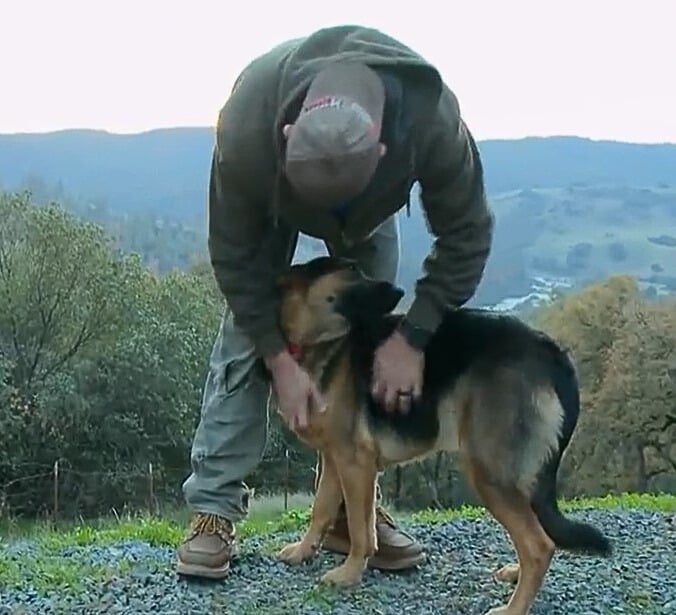
The journey of a missing pet is often unpredictable and emotional, but the outcome can be transformative. Charlie’s story proves that with the right mix of pet safety, community support, and investments in technology, we can significantly reduce the risk of losing our furry friends.
The next time you think about investing in your home or your pet, remember: your pet’s safety and emotional well-being are just as important as any other part of your life.
Stay tuned for our upcoming article on “Top Pet Safety Technologies of 2025”, where we dive deeper into how tech can transform your pet care routine.