
Table of Contents
- The Moment Luxury Went Wrong
- Why This Story Exploded Across China
- The Beginning: A Visit That Should Have Been Simple
- “Fine. Bring the manager. And bring a tray.”
- The Four-Hour Lesson in Respect
- Why Did This Hurt Louis Vuitton So Much?
- Revenge Spending — and Revenge NOT Spending
- The Walk-Out Heard Across Social Media
- Why China Loves This Story So Much
- But the Real Discussion Behind the Story Is About Class
- Finance Angle: Why $84,000 in Cash Matters
- Travel & Tourism Angle: Shopping Abroad vs. Shopping at Home
- Home-Improvement Angle: Luxury Is About Lifestyle
- If This Happened to You — What Would You Do?
- Luxury Brands: The Pressure to Change
- Final Reflection: Money Can Buy Bags — But Not Respect
The Moment Luxury Went Wrong
Imagine walking into a world-famous luxury store — polished marble floors, soft golden lighting, the quiet classical music that makes every handbag feel like art. Now imagine being ignored, judged, and brushed aside the second you enter.
That happened to a woman in China who walked into a Louis Vuitton store expecting world-class service but instead received the coldest possible welcome.
What happened next became one of the most satisfying revenge stories on Chinese social media.
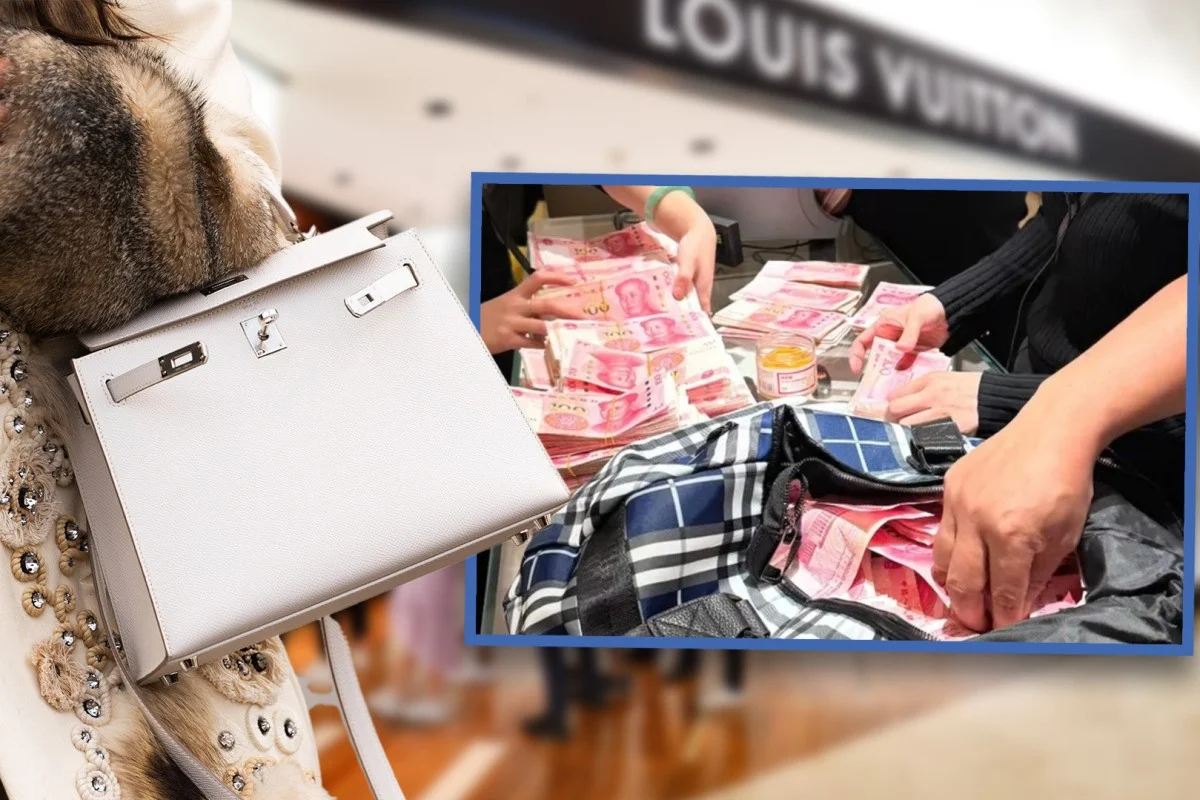
She pulled out 84,000 US dollars in cash, stacked it on the counter, and made the staff count every single bill.
For four hours.
Then, when they finally finished?
She calmly gathered her things…
…and walked out without buying a single item.
Why This Story Exploded Across China
The story isn’t just about a rude salesperson or a frustrated customer.
It tapped into something much bigger — a cultural nerve:
What happens when ordinary people gain wealth faster than luxury brands gain humility?
In modern China, luxury shopping is not just about fashion.
It’s about pride, identity, financial achievement, and how global brands treat emerging markets.
And this single act — forcing Louis Vuitton staff to count cash for hours — symbolized something millions of shoppers have felt:
“If you look down on me, I’ll remind you exactly who’s paying your salary.”
The Beginning: A Visit That Should Have Been Simple

The woman reportedly entered the Louis Vuitton boutique intending to buy a bag — a high-end model she had been wanting for a long time.
But immediately:
- Staff ignored her
- No one greeted her
- She was followed suspiciously
- Other customers were prioritized
- A staff member allegedly gave her a judgmental look from head to toe
To anyone who has shopped in a luxury store before, this reaction isn’t unfamiliar.
Luxury sales staff sometimes make snap judgments based on appearance — a problem global luxury houses have struggled to escape.
But this shopper wasn’t having it.
She asked a question.
They responded rudely.
She asked to see a specific item.
They rolled their eyes and acted annoyed.
That was when everything changed.
“Fine. Bring the manager. And bring a tray.”

Instead of arguing, she stayed calm.
She sat down.
Opened her bag.
And began pulling out stacks of cash — neatly packed bundles of banknotes worth over 600,000 RMB, roughly $84,000 USD.
The store went silent.
Staff who had ignored her rushed over instantly.
Security stepped back.
The manager hurried out.
Everyone noticed her now.
She simply said:
“Count it.”
The Four-Hour Lesson in Respect
In luxury retail, money speaks louder than anything else.
But this time, it wasn’t used to buy — it was used to teach.
Staff counted.
And counted.
And counted.
Dozens of stacks.
Each bill checked.
Each bundle confirmed.
Four exhausting hours.
Employees rotated because their fingers cramped.
Customers watched, confused.
People online later joked:
“She gave them the world’s most expensive overtime shift—paid in humiliation.”
But the real reason she did it wasn’t comedy.
It was dignity.
Why Did This Hurt Louis Vuitton So Much?
Luxury brands rely heavily on image — especially in China, one of the world’s most powerful luxury markets.
A story like this does more than entertain:
- It exposes customer service flaws
- It damages brand reputation
- It triggers online debate
- It pressures brands to retrain staff
- It challenges the “only serve rich-looking customers” stereotype
And the message that spread was clear:
If luxury brands want Chinese money, they need to show Chinese respect.
Revenge Spending — and Revenge NOT Spending
Psychologists refer to this behavior as part of consumer power dynamics.
When a customer feels looked down upon, they may “reverse” the power imbalance through revenge actions:
- Returning items
- Demanding service
- Public exposing
- Withholding purchases
- Creating viral content
But this woman took it to another level.
She weaponized time — the most expensive resource in luxury retail.
She didn’t want free items.
She didn’t want apologies.
She wanted staff to feel the weight of their assumptions.
And they did.
The Walk-Out Heard Across Social Media
After the last bill was counted and verified…
Staff asked, suddenly polite:
“Ma’am, which item would you like to see now?”
She smiled.
Packed her bag.
And said:
“None.”
She then walked out.
Leaving behind four hours of chaos — and a lesson the staff will likely never forget.
This ending spread like wildfire because it’s what so many people fantasize about doing when they are treated unfairly.
Why China Loves This Story So Much
This revenge tale went viral on Weibo, Douyin, Xiaohongshu, and even international forums.
Why?
Because it reflects:
1. The rise of new wealth
You can no longer judge Chinese shoppers by appearance.
Many self-made millionaires dressed casually have faced discrimination in high-end stores.
2. Luxury brands struggling with cultural sensitivity
China is now one of the largest luxury-spending countries in the world.
Yet many retail staff still cling to old-fashioned stereotypes.
3. The emotional satisfaction
Everyone loves a justice story — especially one involving money, arrogance, and a powerful comeback.
4. The fantasy element
Most people don’t carry $84,000 in cash.
So when someone uses it to humble rude employees, it feels almost cinematic.
But the Real Discussion Behind the Story Is About Class
While entertaining, this incident touches deeper issues:
• Why do luxury staff treat people differently based on appearance?
Because luxury retail often encourages “profiling” customers — prioritizing those who look wealthy.
• Why do consumers seek validation from luxury brands at all?
Luxury is often tied to identity, status, and achievement, especially in rapidly developing countries.
• Why do revenge stories resonate so strongly online?
Because they flip power structures people feel trapped in daily.
There’s a psychological truth here:
When we feel invisible, we long to become impossible to ignore.
This woman did exactly that.
Finance Angle: Why $84,000 in Cash Matters
Let’s break down the financial symbolism:
- In China, paying in cash is rare at luxury stores
- Most wealthy consumers use cards or mobile apps
- Bringing physical cash suggests deliberate planning
- It also demonstrates liquidity — something many people associate with old-school wealth
- Forcing staff to count cash turns money into a physical burden, not just a number
This story isn’t just about disrespect — it’s also about the value of money and how people use it to assert control.
Travel & Tourism Angle: Shopping Abroad vs. Shopping at Home
Chinese luxury consumers often travel to:
- France
- Italy
- Singapore
- Japan
- South Korea
- Dubai
…to buy designer goods, often because customer service abroad can feel warmer than local boutiques.
This story may reinforce a growing trend:
“If I’m going to spend tens of thousands, I’ll do it somewhere I’m treated well.”
Luxury tourism — already a multi-billion-dollar industry — thrives when consumers feel respected.
Incidents like this push more shoppers toward international luxury destinations.
Home-Improvement Angle: Luxury Is About Lifestyle
Surprisingly, luxury shopping stories tie back to broader lifestyle trends:
- People who buy luxury often invest heavily in home décor
- The psychology behind “beautiful things” links to both fashion and home improvement
- Consumer behavior in luxury malls influences spending habits in other sectors
The desire to own beautiful, high-quality goods doesn’t end at handbags — it extends to homes, furniture, and personal environments.
Luxury is rarely isolated.
It’s part of a wider lifestyle ecosystem.
If This Happened to You — What Would You Do?
Here’s the question that electrified online debates:
If staff treated you rudely in a luxury store, would you fight back, or walk away quietly?
Would you:
- Call the manager?
- Report the staff?
- Buy elsewhere?
- Teach them a lesson like she did?
Most people said they wish they had the courage — or the cash — to do what she did.
But others argued:
“It’s fun to read, but a complete waste of time.”
And that’s where the story becomes even more interesting.
Because it forces everyone to reflect on:
- How you expect to be treated
- What respect means to you
- What money can or cannot buy
- Whether luxury is worth the emotional cost
It’s a revenge story — but also a mirror.
Luxury Brands: The Pressure to Change
After the incident went viral, many commenters predicted:
- More training for staff
- Stricter customer service standards
- Reduced “profiling” behavior
- Better handling of wealthy domestic consumers
Luxury houses cannot afford bad PR in China.
One viral story can affect sales, tourism spending, and even investor confidence.
In the world of high-end retail, reputation matters more than any price tag.
Final Reflection: Money Can Buy Bags — But Not Respect
The Chinese woman who walked out of Louis Vuitton without purchasing anything proved one thing:
Respect is worth more than any luxury brand.
Her $84,000 became a tool of empowerment — not consumption.
And in a world where people constantly feel judged by:
- appearance
- income
- status
- fashion
- lifestyle
…this story hits differently.
It’s not about the bag.
It’s about dignity.
And maybe that’s why millions shared it — because everyone knows what it feels like to want to be treated like a human being, not a stereotype.