
Table of Contents
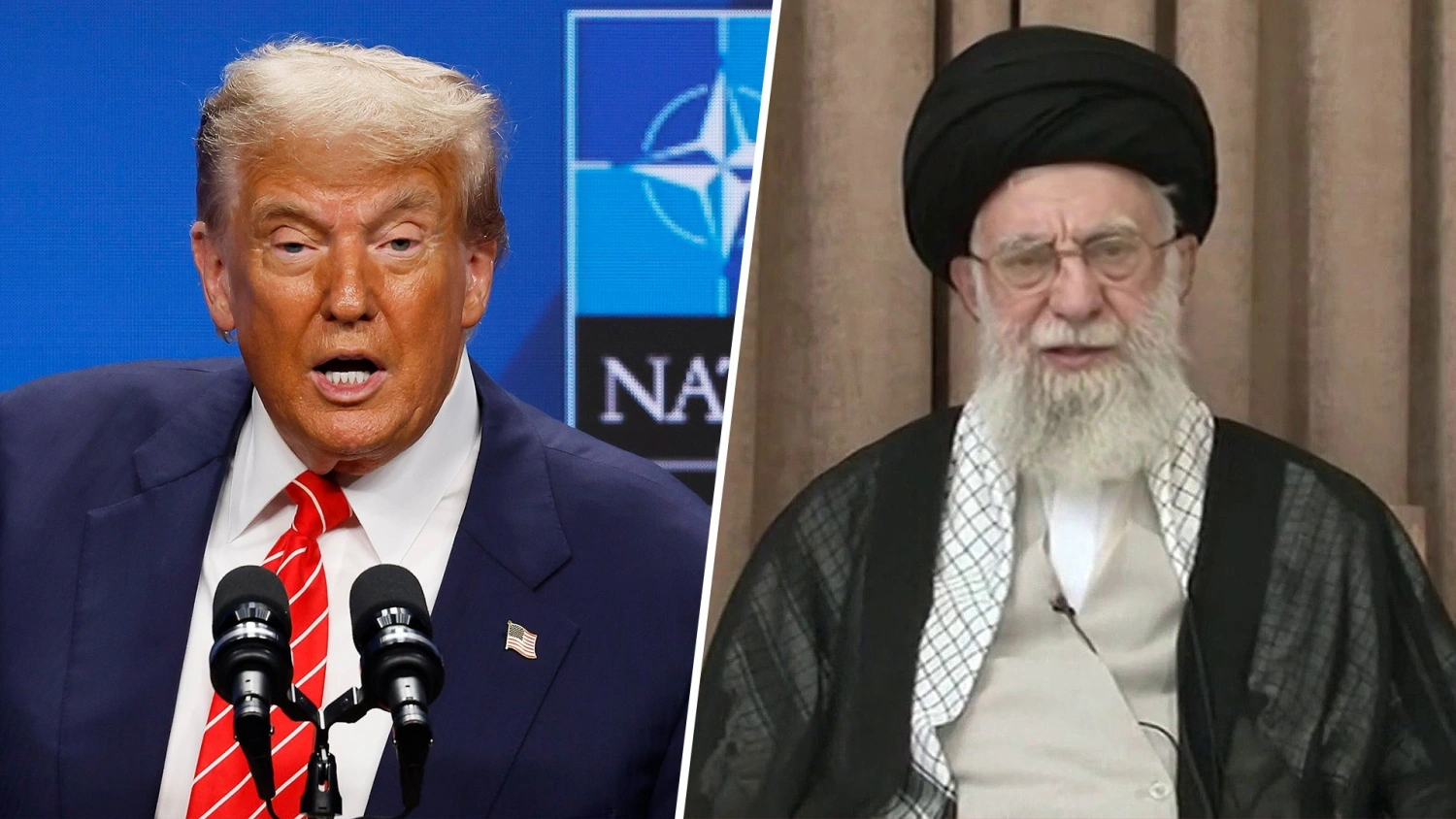
- Polls Show Massive MAGA Support For Military Action
- Why The Iran Conflict Has Become So Politically Explosive
- Tucker Carlson Publicly Breaks With Trump
- Megyn Kelly And Mark Levin Ignite Conservative Civil War
- Most Americans Oppose Trump’s Handling Of Iran
- The Return Of America First Questions
- Why Trump’s Base Remains Loyal
- Concerns About Escalation Continue Growing
- What The Iran Conflict Could Mean For MAGA’s Future
Polls Show Massive MAGA Support For Military Action
The latest polling numbers reveal overwhelming support for the Iran strikes among Trump’s core supporters.
According to polling data discussed by CNN Chief Data Analyst Harry Enten, roughly 89 percent of MAGA supporters approve of the military attacks targeting Iran. Only a small percentage expressed opposition.
Enten described the support as “tremendously popular” among Republican voters, especially within the pro Trump movement.
The polling drew attention because Trump originally built much of his political identity around criticizing previous U.S. military interventions in the Middle East. During his campaigns, Trump repeatedly attacked endless wars and promised to prioritize American interests at home.
Now, however, many of those same supporters appear strongly behind military escalation involving Iran.
Additional polling referenced in political reporting found that around 77 percent of Republicans overall approved of the strikes, though self identified MAGA Republicans expressed even stronger enthusiasm than non MAGA conservatives.
Analysts noted that MAGA Republicans were significantly more likely to strongly approve of military action than traditional Republicans.
That distinction has become increasingly important because it demonstrates how closely Trump’s personal influence still shapes the political attitudes of his core supporters.
Why The Iran Conflict Has Become So Politically Explosive
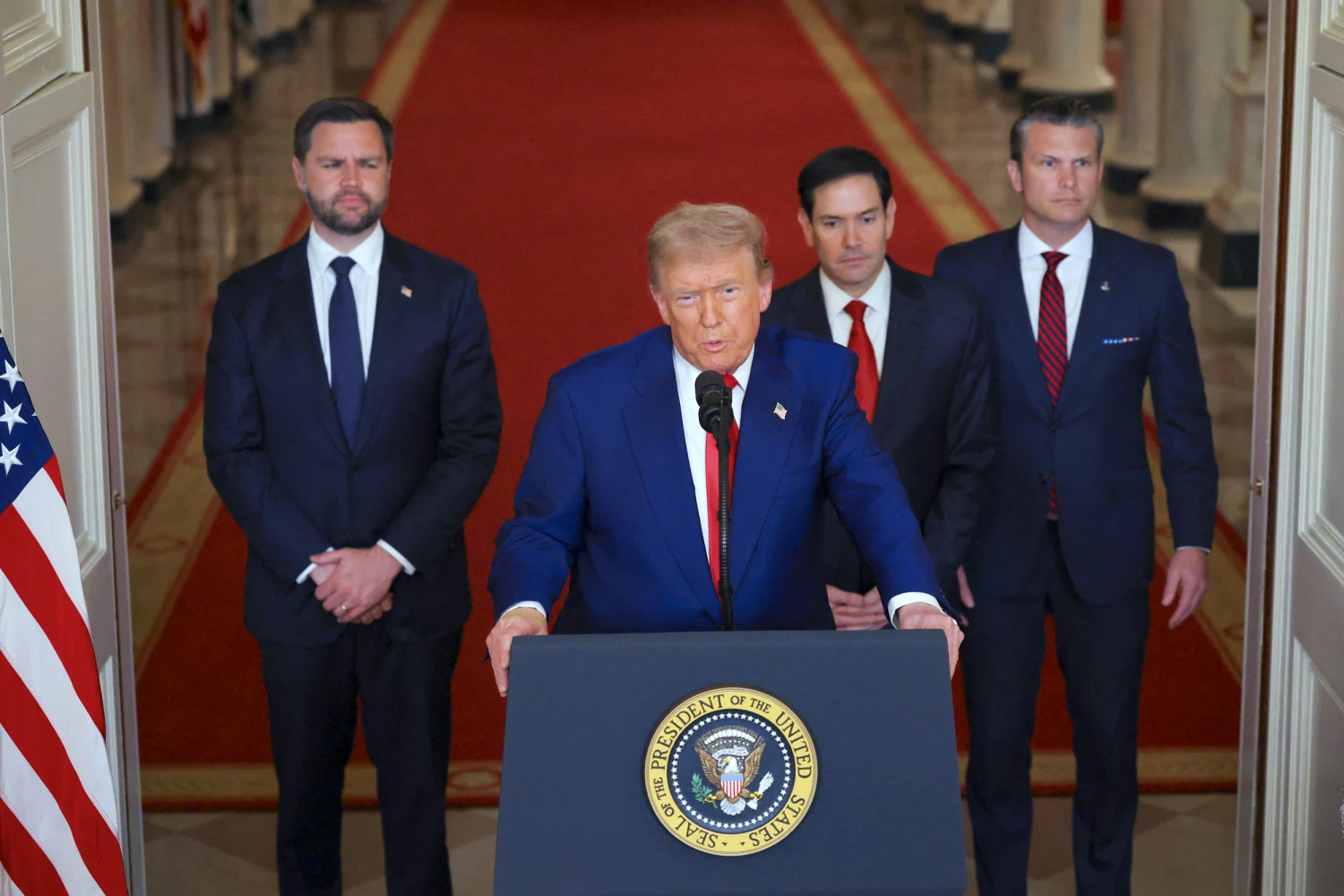
The military action involving Iran has quickly evolved into more than just a foreign policy issue. It has become a political loyalty test inside conservative circles.
Supporters of the strikes argue the attacks demonstrate strength against a longtime adversary accused of supporting regional instability and anti American groups across the Middle East.
Many pro Trump voters see aggressive action as necessary deterrence and believe the United States must respond forcefully to threats involving Iran and its allies.
Others argue that Trump’s willingness to authorize strikes reflects decisive leadership during a dangerous international crisis.
But critics fear the conflict could pull America deeper into another costly and unpredictable war in the Middle East.
That concern is especially significant because opposition to foreign wars once served as one of the defining features of Trump’s political movement.
For years, many MAGA supporters criticized Republican establishment figures for supporting military interventions overseas. Trump himself frequently argued previous administrations wasted American lives and money on conflicts with unclear objectives.
Now, some conservatives are questioning whether the movement is abandoning those earlier principles.
Tucker Carlson Publicly Breaks With Trump
One of the biggest surprises surrounding the Iran conflict has been the backlash from several influential conservative media personalities who were once viewed as close allies of Trump.
Among the most notable critics was Tucker Carlson.
The former Fox News host strongly criticized the military action, reportedly describing it as “absolutely disgusting and evil” during comments to media outlets.
Carlson’s criticism immediately drew attention because he remains one of the most influential voices among conservative audiences.
Trump later publicly responded to Carlson’s comments, saying the media figure had “lost his way.”
The president also argued that Carlson no longer represented the MAGA movement, insisting that “MAGA is America First” while claiming Carlson no longer aligned with those values.
The public disagreement highlighted a growing fracture between Trump and parts of the populist conservative media ecosystem that once strongly supported him.
For many observers, the conflict revealed how foreign policy can rapidly divide political coalitions even when they remain united on domestic issues.
Megyn Kelly And Mark Levin Ignite Conservative Civil War
The internal conservative conflict intensified even further after radio host Megyn Kelly voiced skepticism about the war.
Kelly emphasized that supporting Trump did not mean blindly supporting every military decision without questioning potential consequences.
Her comments reflected concerns shared by some conservatives who fear another prolonged Middle East conflict could drain resources and destabilize the region further.
But the criticism quickly escalated into personal attacks involving conservative commentator Mark Levin.
Levin strongly defended Trump’s handling of the conflict and lashed out at Kelly online, leading to a highly public public feud that spread across social media.
Kelly responded aggressively, mocking Levin in return and fueling days of viral online exchanges between supporters of both figures.
The controversy eventually attracted involvement from other major MAGA personalities, including former Congresswoman Marjorie Taylor Greene, who sided with Kelly during the dispute.
The social media battle exposed growing tension within conservative media circles over whether supporting Trump also requires supporting military escalation abroad.
Most Americans Oppose Trump’s Handling Of Iran
While Trump appears to maintain overwhelming support from his core base, broader national polling tells a very different story.
According to a recent Economist and YouGov survey, most Americans disapprove of Trump’s handling of the Iran situation.
The poll found that approximately 56 percent of U.S. adults disapproved of how Trump was managing the conflict, while only 36 percent approved.
That contrast between MAGA voters and the general public demonstrates how polarized opinions surrounding foreign policy have become.
For Trump politically, the divide creates both opportunities and risks.
Strong support from the Republican base could strengthen loyalty heading into future political battles and elections. However, broader national disapproval may create concerns among moderate voters and independents uneasy about military escalation.
Political analysts say the situation reflects a familiar pattern in American politics where highly motivated partisan supporters often view military action differently than the general population.
The Return Of America First Questions
Perhaps the biggest ideological question surrounding the Iran conflict is what “America First” now means to Trump supporters.
Originally, many voters associated the phrase with avoiding costly foreign wars and focusing instead on domestic economic growth, border security, and reducing overseas involvement.
Critics now argue that military escalation against Iran appears inconsistent with those earlier promises.
Supporters counter that America First does not mean weakness or isolationism. Instead, they argue it means acting aggressively when American interests or allies face threats.
This disagreement has sparked broader debates among conservatives about how the movement should approach global conflicts moving forward.
Some believe strong military action is necessary to project power and maintain deterrence.
Others worry the conflict risks repeating mistakes associated with previous wars that lasted years and cost trillions of dollars.
The debate may ultimately shape the future direction of conservative foreign policy long after the Iran conflict itself ends.
Why Trump’s Base Remains Loyal
Despite criticism from several media figures, Trump continues maintaining remarkable loyalty among his core supporters.
Political experts say one reason involves trust.
Many MAGA voters believe Trump acts differently from traditional politicians and assumes military action only when necessary. Supporters often frame his decisions as strategic rather than ideological.
Others argue Trump’s communication style also plays a major role. His supporters frequently view criticism from media figures or political opponents as confirmation that he is challenging establishment systems.
That dynamic has helped Trump maintain strong loyalty even during controversial moments.
The Iran conflict may be another example of how Trump’s political identity allows him to maintain support on issues that might damage other politicians.
Even when conservative commentators criticize him, polling suggests his direct connection with voters remains unusually powerful.
Concerns About Escalation Continue Growing
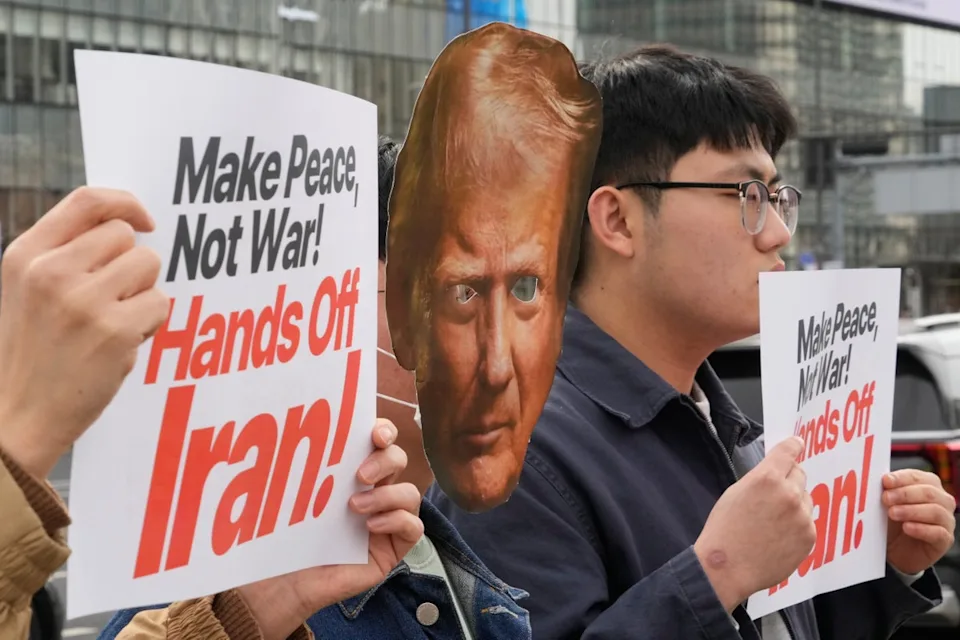
Despite strong MAGA approval, concerns about escalation continue spreading among military analysts and international observers.
Many experts warn that conflicts involving Iran can quickly expand beyond isolated strikes.
Iran maintains influence through allied groups across several countries in the Middle East, raising fears of broader regional instability if tensions continue escalating.
Questions also remain about how long the military campaign could last and whether additional U.S. involvement may eventually become necessary.
Critics fear public opinion could shift dramatically if the conflict becomes prolonged or if American casualties increase.
Historically, support for military action often changes as wars continue and costs become clearer over time.
For now, however, polling suggests Trump’s core supporters remain firmly aligned behind his decisions.
What The Iran Conflict Could Mean For MAGA’s Future
The political impact of the Iran conflict may extend far beyond foreign policy headlines.
The debate is exposing competing visions inside the conservative movement itself. One faction views aggressive military strength as fully compatible with MAGA principles. Another believes avoiding overseas conflict was central to the movement’s identity from the beginning.
How that argument evolves could influence Republican politics for years.
The situation also demonstrates how Trump continues reshaping conservative ideology around his personal leadership rather than traditional party doctrines.
Many voters who once strongly opposed Middle East intervention now appear supportive largely because Trump himself supports the action.
That level of influence remains one of the defining characteristics of modern American politics.
As tensions with Iran continue unfolding, the political consequences may become just as significant as the military ones.
The conflict is no longer only about foreign policy. It has become a test of loyalty, identity, and the future direction of the MAGA movement itself.
Whether the current support remains stable may ultimately depend on what happens next in the Middle East and how long Americans are willing to support another potentially open ended conflict overseas.