
Table of Contents
- The Big Announcement
- The Drugs That Will Be Covered
- How the Policy Will Affect Medicare Patients
- Why This Matters for America’s Healthcare System
- A Breakthrough in Obesity Treatment
- The Growing Popularity of GLP-1 Medications
- The Financial Impact of GLP-1 Medications
- The Role of Insurance Companies and Pharma Companies
- The Political Debate Over Healthcare Pricing
- What’s Next for Healthcare in America?
- Conclusion
The Big Announcement
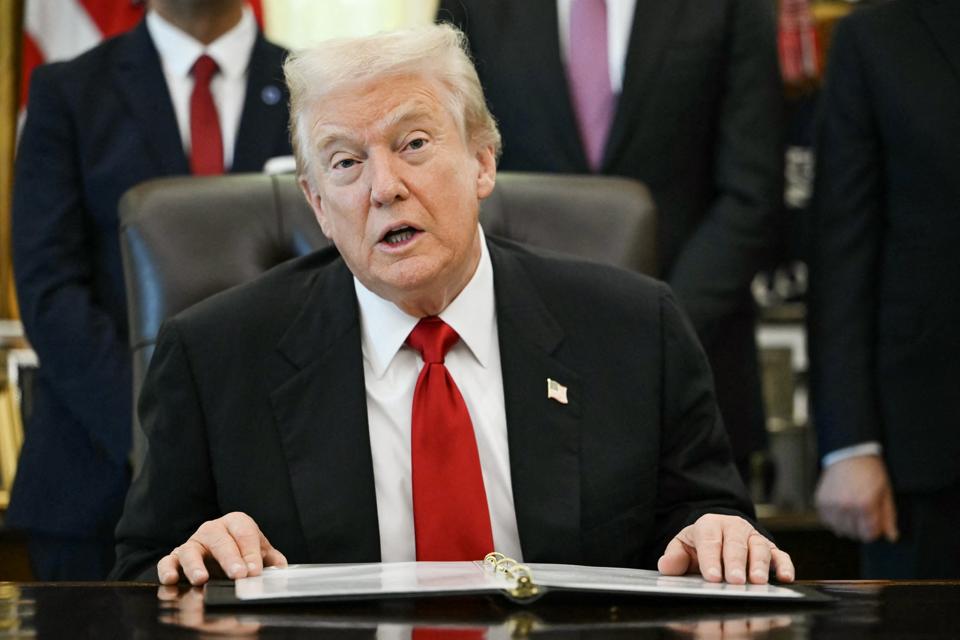
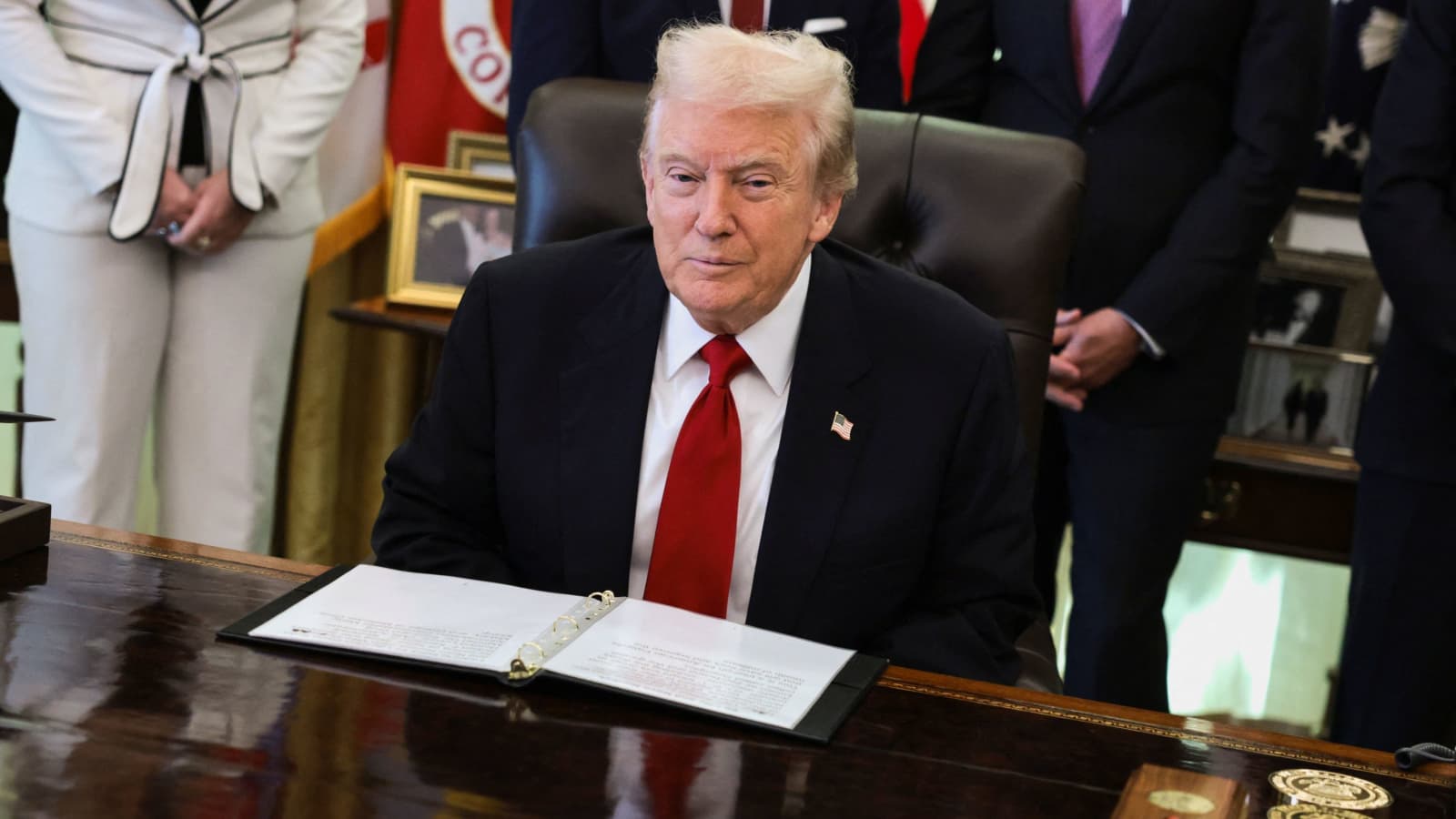
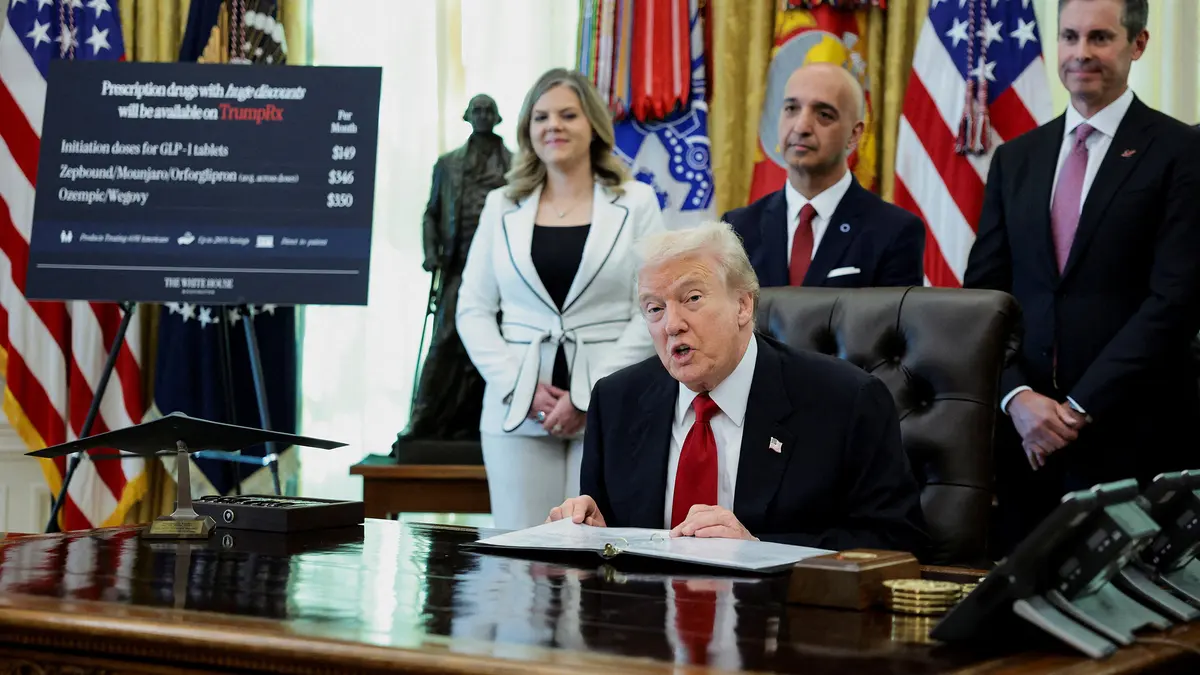
During an event focused on seniors, President Trump announced that Medicare would cover GLP-1 weight-loss drugs for just $50 per month, a massive reduction from the $2,300 it currently costs. Trump emphasized the significance of this decision, pointing out that many Americans—especially those on Medicare—have struggled with the high costs of prescription medication. “Think of it,” he said, “$50 a month instead of $2,300. This is a breakthrough for Medicare recipients who can now access life-changing medication for a fraction of the price.”
The Drugs That Will Be Covered
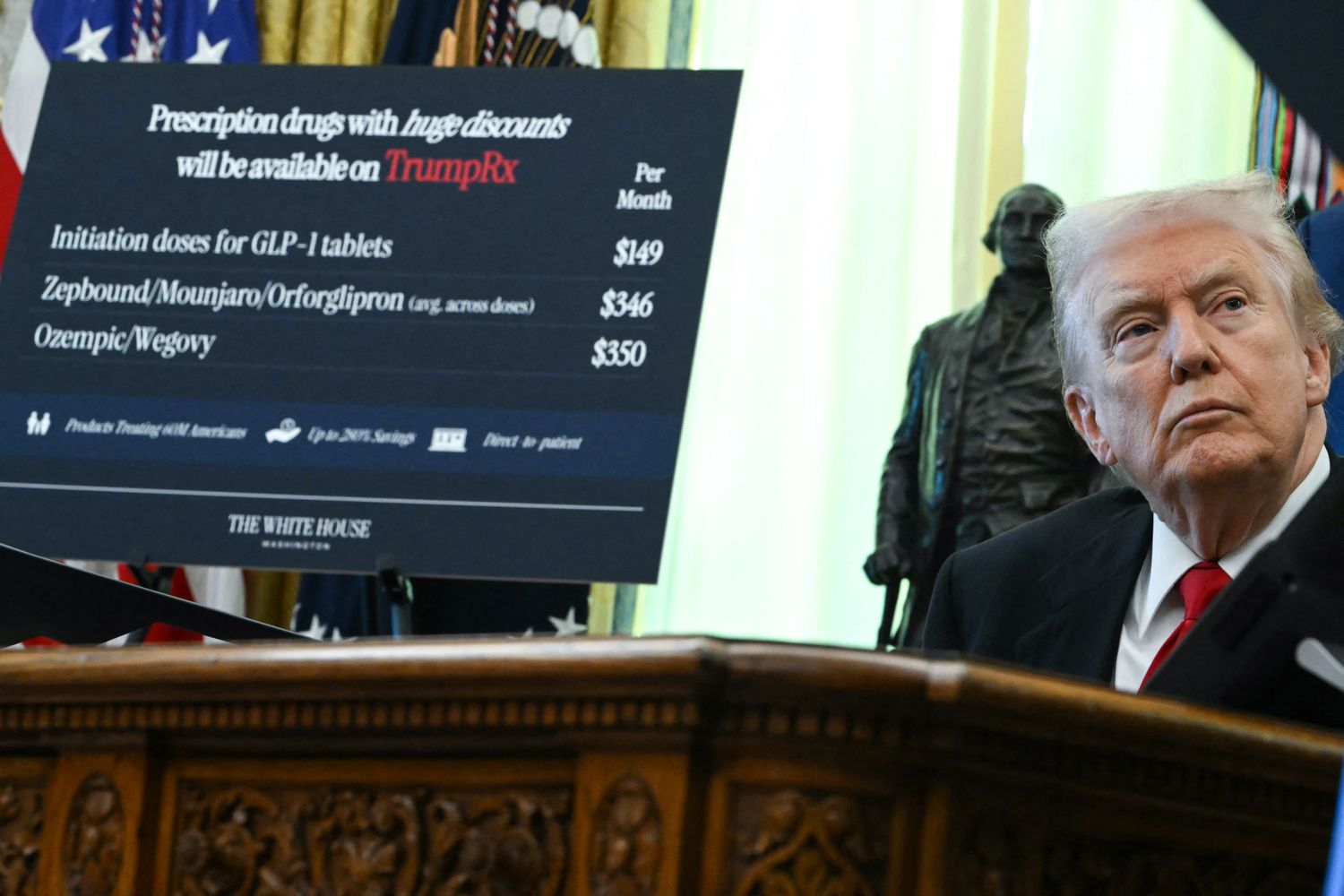
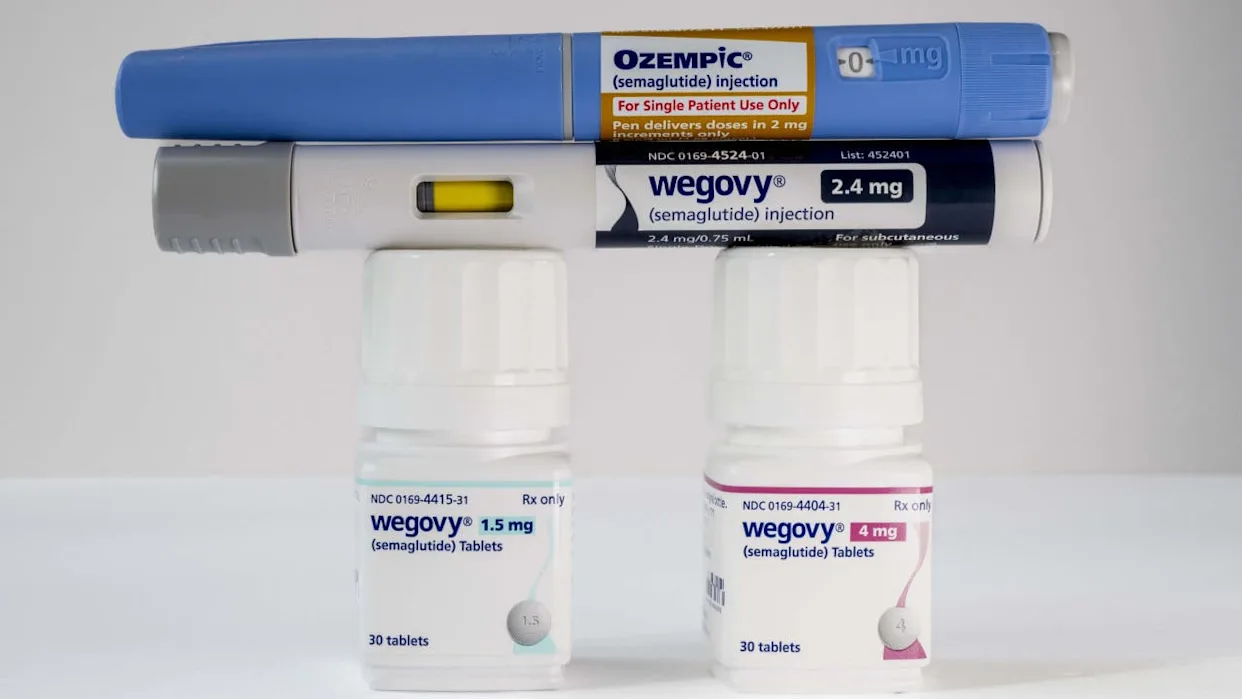
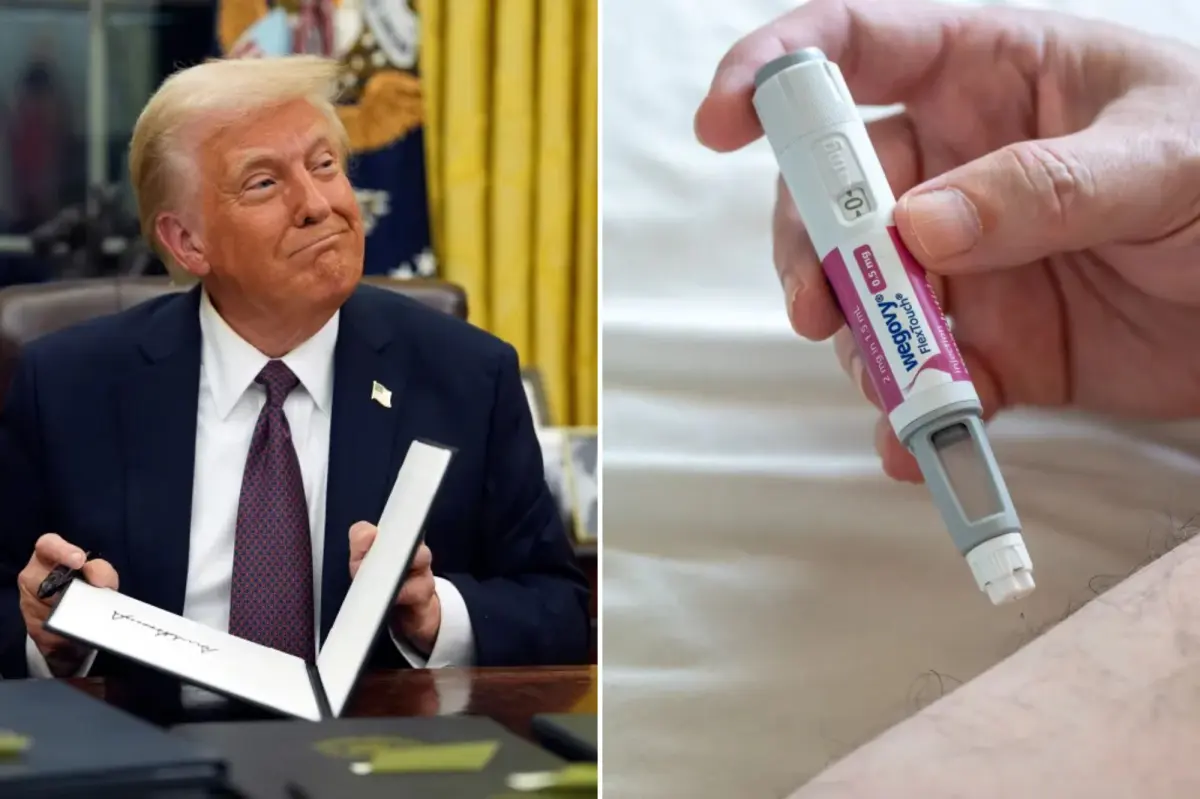
The primary drugs covered under this new policy include Ozempic, Wegovy, and Zepbound—three of the most popular GLP-1 medications available today. Originally designed for the treatment of Type 2 diabetes, these medications have also proven effective for weight loss, helping individuals shed significant pounds while also managing blood sugar levels. GLP-1 drugs work by mimicking a hormone that helps regulate insulin production, making patients feel fuller, which in turn supports weight loss.
How the Policy Will Affect Medicare Patients
With over 66 million Americans covered by Medicare, this new policy will have a far-reaching impact, especially since many older adults struggle with obesity and related health conditions. The affordability of these drugs is especially important as the number of obese Americans continues to rise, with the Centers for Disease Control and Prevention (CDC) estimating that nearly 42% of U.S. adults are obese. By providing these medications at a significantly lower cost, the government hopes to improve the health and quality of life for many seniors, giving them a fighting chance against obesity-related diseases such as heart disease, stroke, and diabetes.
Why This Matters for America’s Healthcare System
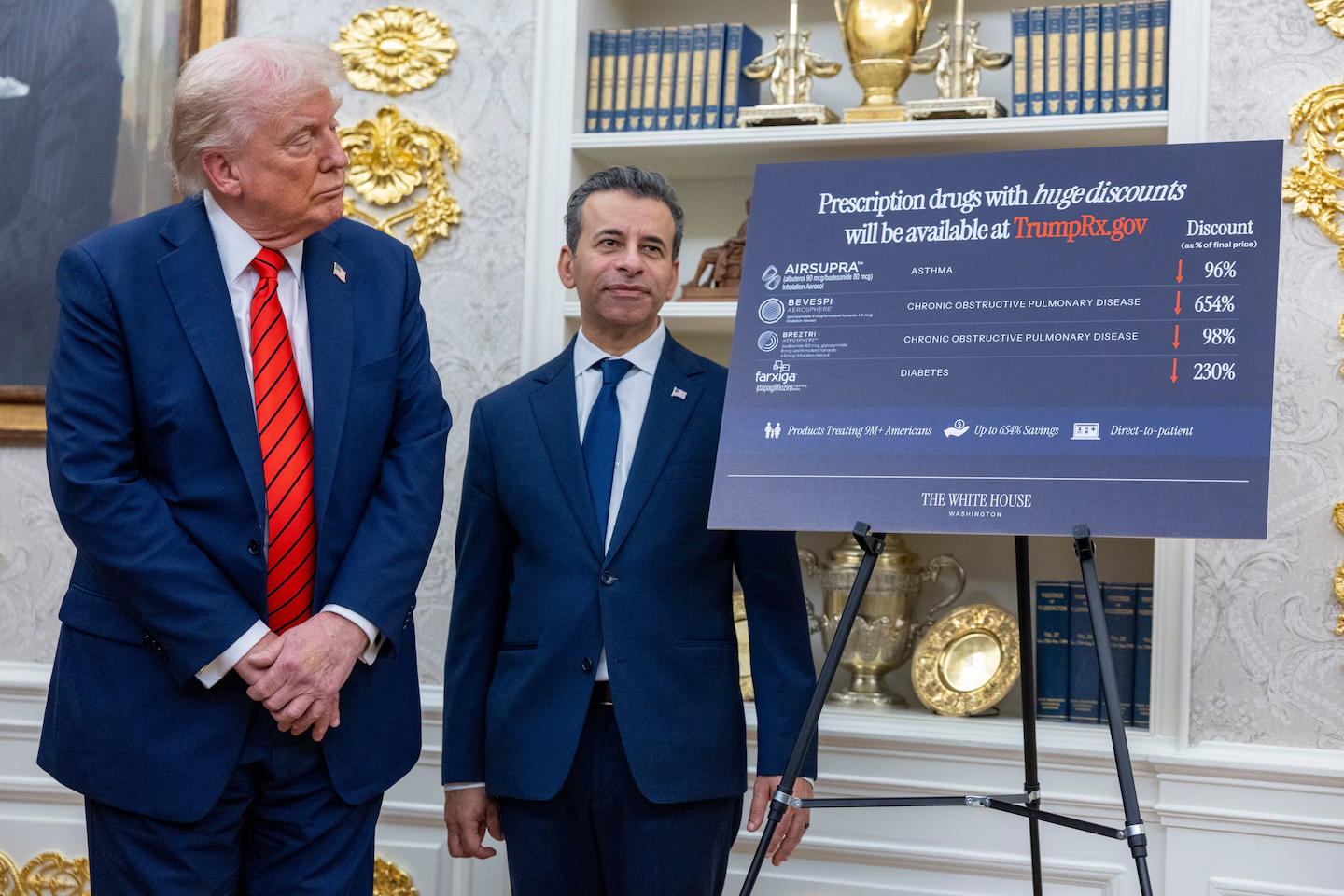
This decision signals a larger shift in America’s healthcare system, where cost reduction and improved access to medication are being prioritized. For years, prescription drug prices have been a significant burden on the American population, with millions of people unable to afford necessary medications. Trump’s announcement comes on the heels of broader efforts by his administration to reduce the cost of pharmaceuticals through direct negotiation programs, which aim to lower the prices for medications, particularly for seniors.
A Breakthrough in Obesity Treatment

GLP-1 weight-loss drugs have revolutionized the treatment of obesity in recent years. These medications work by increasing insulin sensitivity, slowing gastric emptying, and reducing hunger, all of which contribute to weight loss. Wegovy, for example, has been shown to help patients lose an average of 15-20% of their body weight, a significant improvement compared to traditional weight-loss methods. Ozempic, originally intended for Type 2 diabetes, has also gained popularity for its effectiveness in weight management.
The Growing Popularity of GLP-1 Medications
As obesity rates in the United States continue to climb, the demand for effective weight-loss solutions has grown. GLP-1 medications have become a go-to solution for many Americans looking to manage their weight and improve their health. A recent survey found that approximately one in eight U.S. adults were taking GLP-1 drugs, signaling their widespread acceptance and success in the weight-loss community. With Medicare coverage now making these medications more accessible, it’s likely that this trend will continue to rise.
The Financial Impact of GLP-1 Medications
The price of GLP-1 medications has been a major point of concern for many individuals, especially those on fixed incomes like seniors. Currently, the drugs can cost up to $2,300 per month without insurance, a price tag that is out of reach for many Americans. Under the new policy, the $50 per month cost for Medicare patients will make these life-changing medications far more affordable. This could lead to better health outcomes for millions of Americans who previously could not access the treatment they needed.
The Role of Insurance Companies and Pharma Companies
While Trump’s announcement is a victory for Medicare recipients, it also brings attention to the role of insurance companies and pharmaceutical companies in pricing healthcare. Pharmaceutical companies have long been criticized for the high costs of medications, and this new policy raises questions about whether these companies will lower their prices across the board. Insurance companies, on the other hand, may face pressure to follow suit and offer better coverage for these medications to keep up with government programs like Medicare.
The Political Debate Over Healthcare Pricing
The decision to reduce the cost of GLP-1 weight-loss drugs for Medicare patients is not without controversy. While many praise the move for making healthcare more affordable, others argue that it may be politically motivated, aimed at securing votes in the upcoming elections. Critics also point out that the move could lead to unintended consequences, such as reduced access to other essential medications for seniors. The political debate over healthcare pricing continues to be a key issue in American politics, with both sides of the aisle pushing for different solutions to the high cost of drugs.
What’s Next for Healthcare in America?
The decision to offer GLP-1 weight-loss drugs at a reduced price is just one step in the ongoing battle to make healthcare more affordable in the U.S. With the November election on the horizon, the issue of prescription drug prices is expected to be a major topic of debate. As the country grapples with rising healthcare costs, more initiatives like this one may emerge, paving the way for future reforms that could benefit millions of Americans.
Conclusion
Trump’s announcement to make GLP-1 weight-loss drugs available for $50 per month to Medicare patients marks a pivotal moment in the effort to reduce prescription drug costs. By making these medications more accessible, millions of Americans could benefit from better weight management and improved overall health. While the decision is not without its critics, it represents a step toward making healthcare more affordable for those who need it most. As the policy takes effect in July, it will be interesting to see how other states and programs follow suit in their efforts to lower prescription drug costs.