
Table of Contents
Who Was El Mencho and Why His Death Mattered
Nemesio Oseguera Cervantes, also known as El Mencho, had risen from humble beginnings in the state of Michoacán to become one of Mexico’s most feared and sought‑after drug lords. Once involved in street‑level drug trafficking in the United States, El Mencho returned to Mexico and co‑founded the Jalisco New Generation Cartel around 2009. Under his leadership the cartel expanded rapidly into at least 20 states, diversifying into not just drug trafficking but extortion and other criminal enterprises. Its influence touched communities across Mexico and contributed to rising levels of narco‑violence that have marred the country’s security landscape for decades.
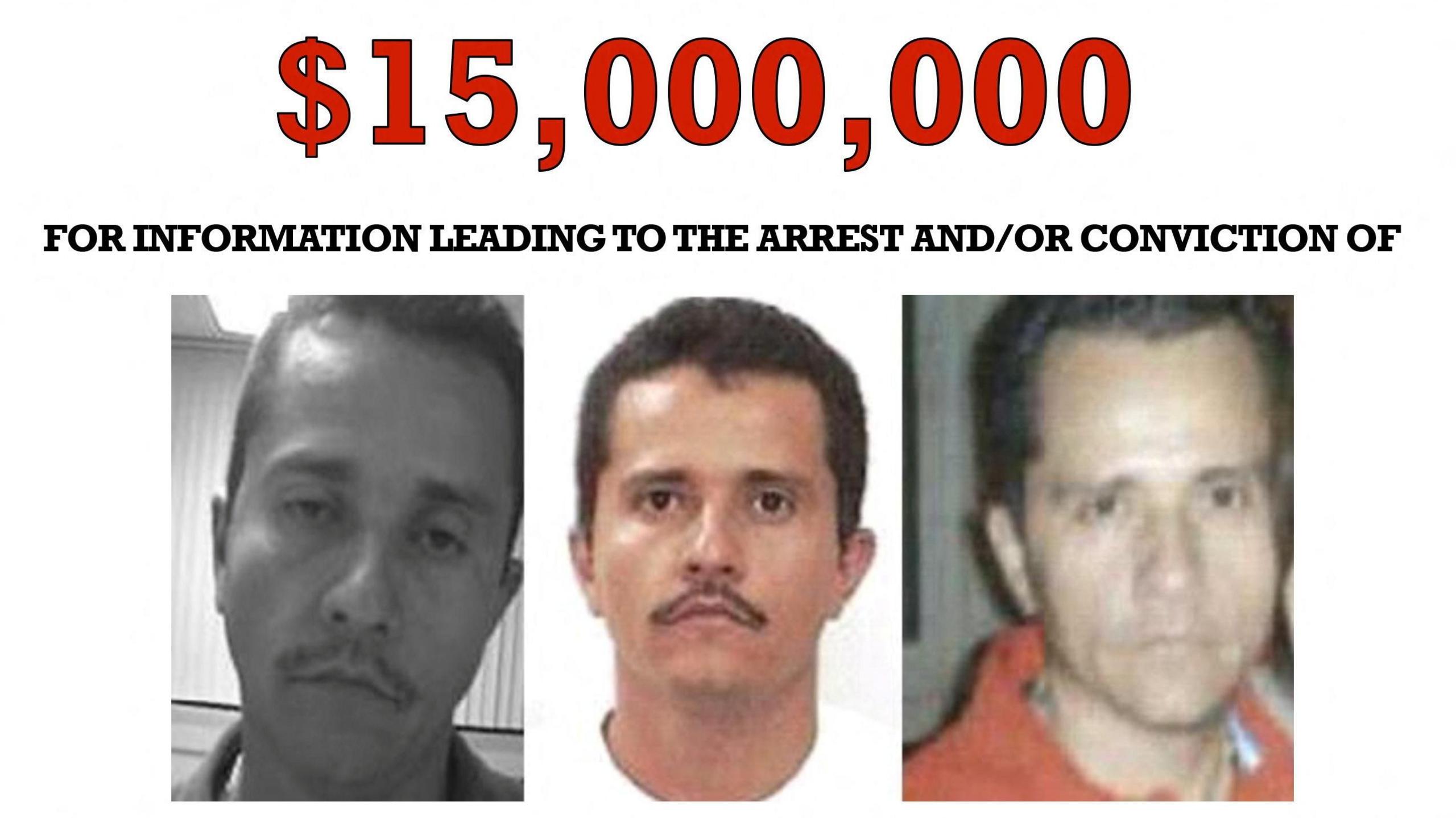
El Mencho was present on wanted lists for both Mexican and U.S. authorities, and at one point a reward of up to $15 million was offered for information leading to his capture. He was often described as one of the most powerful criminal figures in the Western Hemisphere, rivaled only by leaders of other major cartels. His cartel was known for deploying high‑powered weapons, including makeshift explosives and drones, and for its brutal responses to law enforcement actions.
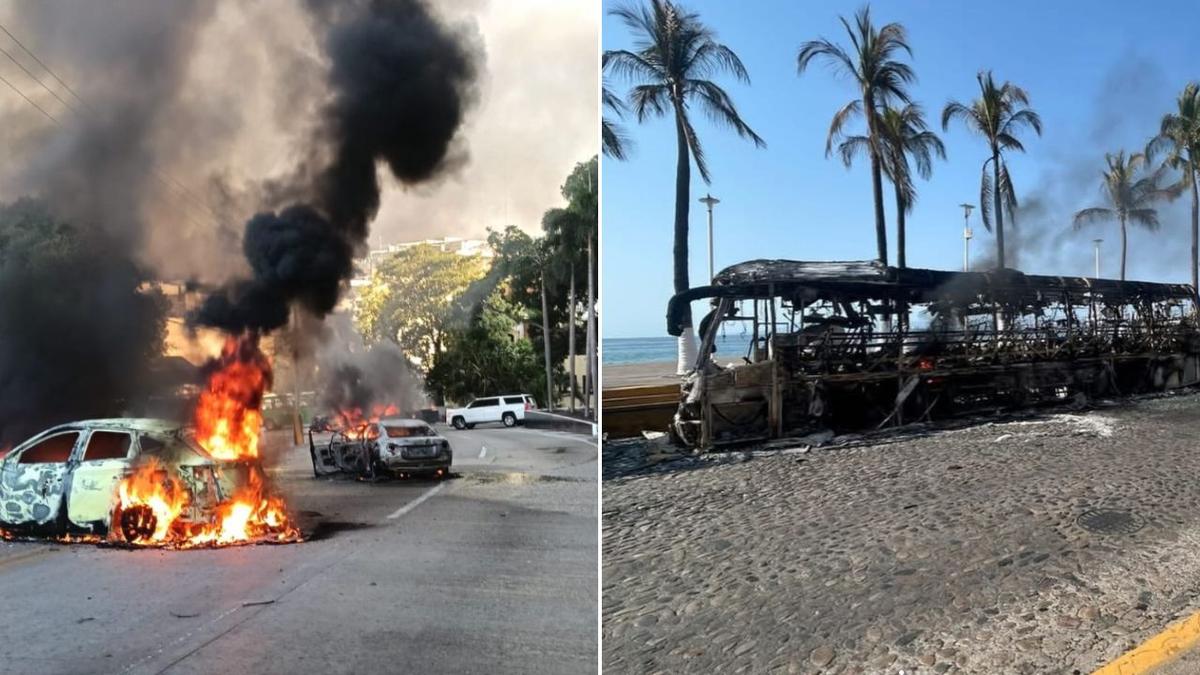
When security forces finally cornered El Mencho during a raid in Tapalpa, Jalisco the immediate response from the CJNG elements was violent and strategic. Gunmen erected hundreds of roadblocks across at least 20 Mexican states and engaged in coordinated arson attacks, setting fire to vehicles, banks and businesses to express retaliation and to attempt to disrupt government and civilian movement.
The Violence That Spread Across Mexico
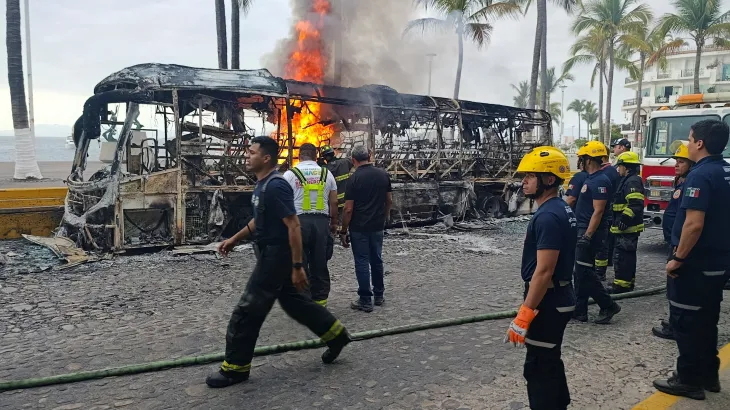
The reaction to El Mencho’s death was swift and dramatic. In the immediate hours and days after the announcement, armed supporters of the cartel launched coordinated attacks on highways and city streets, erected roadblocks to block transport routes, and set vehicles and structures ablaze in towns and cities. Reports indicated that the violence was particularly intense in states such as Jalisco, Michoacán, Guanajuato and others, where cartel influence remains significant and where CJNG has long maintained infrastructure and armed cells.
For residents in cities like Guadalajara and Puerto Vallarta, the unrest translated into disrupted travel, canceled flights, and widespread fear as smoke rose into the sky and roads became impassable. Many ordinary citizens found themselves caught in the middle of retaliatory violence, forced to shelter in place or flee to safety as the unrest unfolded.
The violent backlash was also deadly for security forces. Reports confirmed that dozens of members of the Mexican National Guard and other law enforcement personnel were killed during clashes with cartel gunmen. These casualties underscored how deeply entrenched organized crime is and how lethal the environment remains even after major targeted operations.
State and Federal Responses to the Chaos
In response to the unrest, Mexican authorities, including President Claudia Sheinbaum and top military leaders, called for calm and coordination while deploying thousands of additional troops and security personnel to affected regions. These reinforcements were intended to restore order and prevent further escalation of violence. Government statements emphasized that despite the chaotic aftermath, the death of El Mencho was a strategic success in the fight against cartel dominance and narcotics trafficking.
President Sheinbaum highlighted the strength of Mexico’s military and security apparatus and reaffirmed determination to reduce the power of criminal networks without depending on foreign troops on Mexican soil. This stance sought to reassure citizens that the state remained in control despite the dramatic scenes of violence.
Local authorities in several cities also implemented emergency measures. Schools and public institutions in some states were closed temporarily, and travel advisories were issued to residents and visitors. Consulates from foreign governments, including the United States, cautioned their citizens in Mexico to stay inside and avoid unnecessary travel during peak periods of unrest.
Impact on Ordinary Citizens and Daily Life
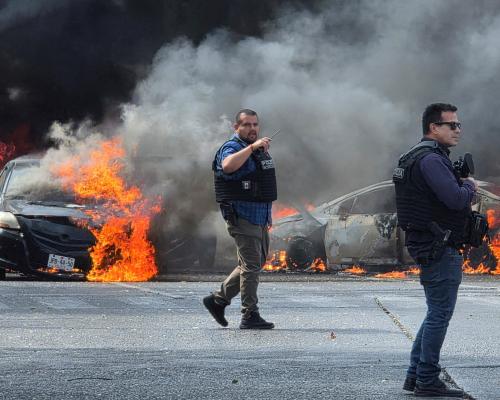
For residents in affected regions the violence was not limited to reports of roadblocks and fires. In some areas, transportation systems were partially suspended, businesses closed their doors, and airports operated with limited staff as officials tried to balance public safety with continuity of essential services. Travelers found themselves stranded as airlines canceled flights to and from major tourist destinations like Puerto Vallarta and Guadalajara.
In Tijuana and other border cities, authorities managed to maintain relative calm after the initial waves of violence, yet the memory of attacks and the sight of burned vehicles on city streets left many residents shaken. Local leaders urged calm and offered reassurance, but the psychological impact of cartel retaliation lingered.
Many families found themselves adjusting travel plans or sheltering at home as they waited for official word that conditions had stabilized. Social media posts and amateur videos capturing moments of chaos spread widely, giving a sense of the fear that gripped communities across Mexico during this period.
Broader Security Implications and Expert Warnings
Analysts have responded to these events by noting that while eliminating a major cartel leader can disrupt criminal networks, it can also create fractures and power vacuums that trigger intense struggles for control. With El Mencho gone, rival groups or internal factions within the CJNG could seek to consolidate power, potentially prolonging cycles of violence in the months to come.
Security experts have warned that past operations against cartel leadership figures sometimes result in temporary escalations of violence as criminal organizations react unpredictably to shifts in hierarchy. The question now raised by analysts is how the Mexican government and regional security forces will adapt their strategies to prevent further outbreaks and to sustain pressure on cartel groups without inadvertently exacerbating instability.
The events also illustrate the enduring challenge Mexico faces in addressing the deeply embedded structures of organized crime. The CJNG had not only become a dominant cartel but also a symbol of how criminal organizations can embed themselves into local economies, infrastructure and social dynamics. Breaking this grip requires more than tactical victories; it demands long‑term political, social and economic strategies that address root causes of cartel influence.
A Nation on Edge but Not Defeated
Despite the violent backlash and the fears it stoked among citizens and visitors alike, Mexican authorities and federal leaders have emphasized resilience. Efforts to restore order, clear roadblocks and resume normal civic activities were underway even as the immediate aftermath of El Mencho’s death played out. Government officials reiterated that the operation marked a significant chapter in Mexico’s ongoing battle against cartel power and narcotics trafficking.
For many citizens the events were a stark reminder of the persistent risks and the long road ahead. Yet the responses from both civil authorities and security forces demonstrate an ongoing commitment to regaining control and ensuring public safety. The broader international community, including neighboring countries affected by drug trafficking and organized crime, watched closely as Mexico navigated this period of uncertainty.
Conclusion
The killing of El Mencho and the subsequent wave of violent retaliation across Mexico exposed both the harsh realities of cartel influence and the complex challenges of dismantling entrenched criminal networks. What began as a major tactical achievement for Mexican forces resulted in a broader upheaval that disrupted daily life, endangered public safety and raised questions about long‑term security strategies. As officials work to reestablish order and prevent future outbreaks of violence, the nation remains on alert, grappling with the dual imperatives of justice and stability in the face of powerful organized crime.