
Table of Contents
- Mexico’s Role in FIFA World Cup 2026
- The Cartel Violence Problem
- The Impact on the FIFA World Cup 2026
- Will the World Cup Be Relocated?
- Mexico’s Response to Cartel Violence
- The Role of the Cartels in Mexico’s Economy
- The Likelihood of Tournament Disruption
- What Can Be Done to Mitigate the Threat?
- The Future of the FIFA World Cup in Mexico
- Conclusion: A Crucial Decision for FIFA
Mexico’s Role in FIFA World Cup 2026
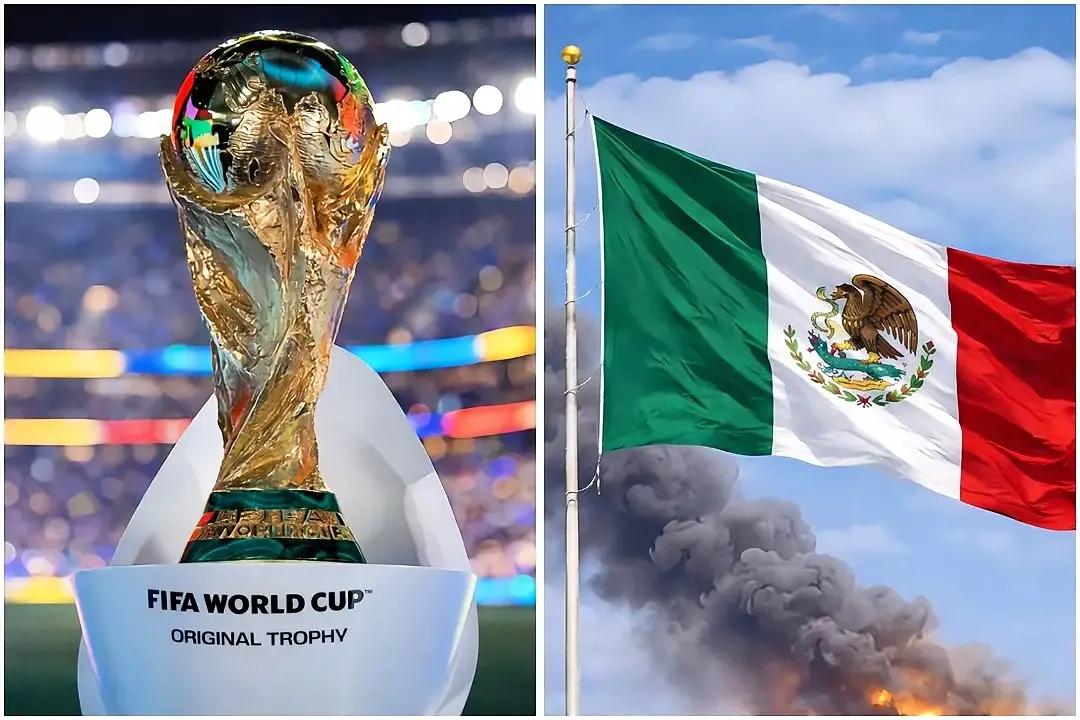
The 2026 FIFA World Cup will be the first to feature three host countries, with Mexico, the United States, and Canada sharing the responsibility. Mexico, which has hosted the tournament twice before, holds a prominent role in the upcoming event, with cities like Guadalajara, Mexico City, and Monterrey slated to host matches. However, the escalating violence tied to drug cartels in certain regions of Mexico has raised alarms about whether the country will be able to safely manage the tournament’s logistics, including the safety of its visitors. This comes at a time when the Mexican government is already struggling to combat cartel-related violence in various parts of the country.
The Cartel Violence Problem
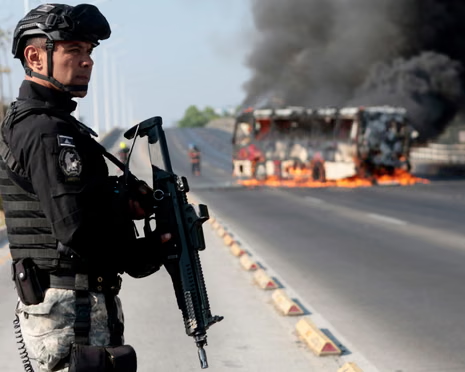
Mexico has long been grappling with the influence of powerful drug cartels. While violence has primarily been concentrated in certain areas, such as Guerrero, Jalisco, and Michoacán, it has begun to spill into larger urban areas, including popular tourist destinations. This has prompted international concern about the safety of travelers heading to Mexico for the World Cup. Cartel violence involves drug-related killings, kidnappings, extortion, and clashes with security forces, making it a serious issue for the country’s public safety and tourism industry. With the World Cup attracting millions of international visitors, the need to ensure a secure environment becomes even more critical.
The Impact on the FIFA World Cup 2026
As preparations for the 2026 World Cup continue, the Mexican government faces the task of balancing the need for national security with the expectations of FIFA. While the tournament is a source of national pride, the looming threat of cartel violence poses a unique challenge. FIFA has stringent security requirements for host nations, and the safety of fans, players, and officials is paramount. These security concerns could lead to discussions about relocating certain games from Mexico to other host countries. FIFA’s primary goal is to ensure a safe and enjoyable experience for all involved, but if violence escalates, the organization may have to consider alternatives.
Will the World Cup Be Relocated?
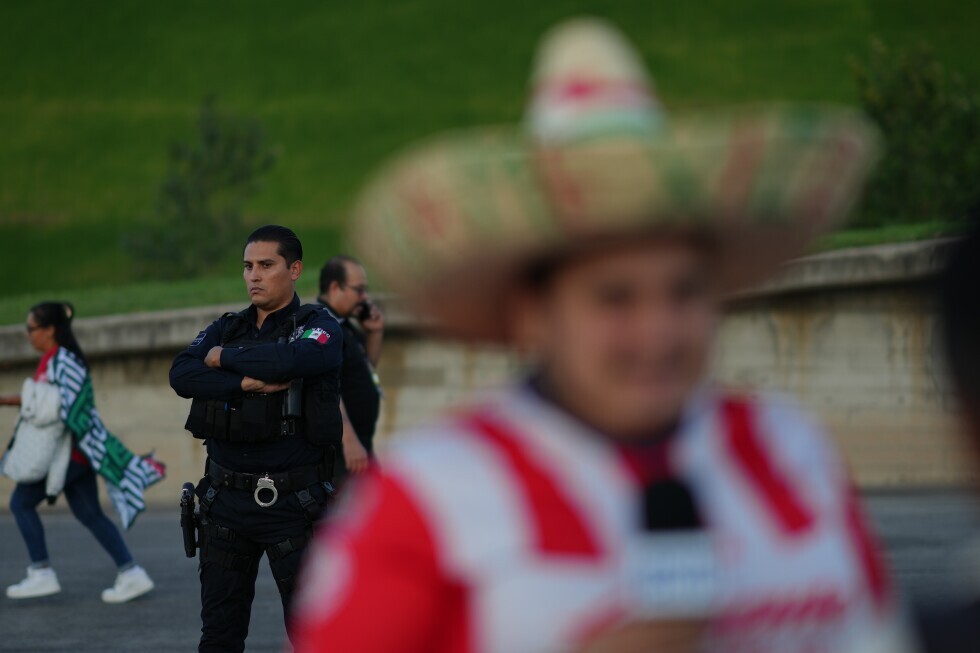
At this stage, the likelihood of relocating World Cup matches from Mexico remains uncertain. FIFA has not officially expressed any intent to move games, but the conversation around it is growing louder. The decision would ultimately depend on the severity of the violence and the measures taken by the Mexican government to address the situation. Relocating games is not an easy decision and would involve logistical challenges, such as rearranging the tournament schedule and ensuring that the necessary infrastructure is available in other host countries. However, if the safety risks become too high, FIFA may be forced to make difficult decisions in order to protect the integrity of the event.
Mexico’s Response to Cartel Violence
In response to the growing violence, the Mexican government has taken steps to strengthen security in areas affected by drug cartels. President Andrés Manuel López Obrador’s administration has ramped up military presence in key regions to combat cartel violence, but the situation remains precarious. Local authorities in cities hosting World Cup games are also working closely with FIFA to implement additional safety measures, including enhanced crowd control and heightened security at venues. However, the effectiveness of these measures in curbing cartel violence is still up for debate. The government’s ability to regain control over these regions in the coming years will be crucial to the success of the World Cup in Mexico.
The Role of the Cartels in Mexico’s Economy
While the cartels are undoubtedly a threat to public safety, their influence extends far beyond violence. Mexico’s economy is intertwined with drug cartels in complex ways, from illicit trade to money laundering. Many regions affected by cartel activity are also economically dependent on tourism, and the World Cup represents a potential boon for these areas. However, the presence of cartel violence could discourage tourists, which would significantly harm local economies already struggling with security issues. The Mexican government must address these economic and security concerns to ensure that the tournament’s benefits are fully realized without putting the lives of visitors at risk.
The Likelihood of Tournament Disruption
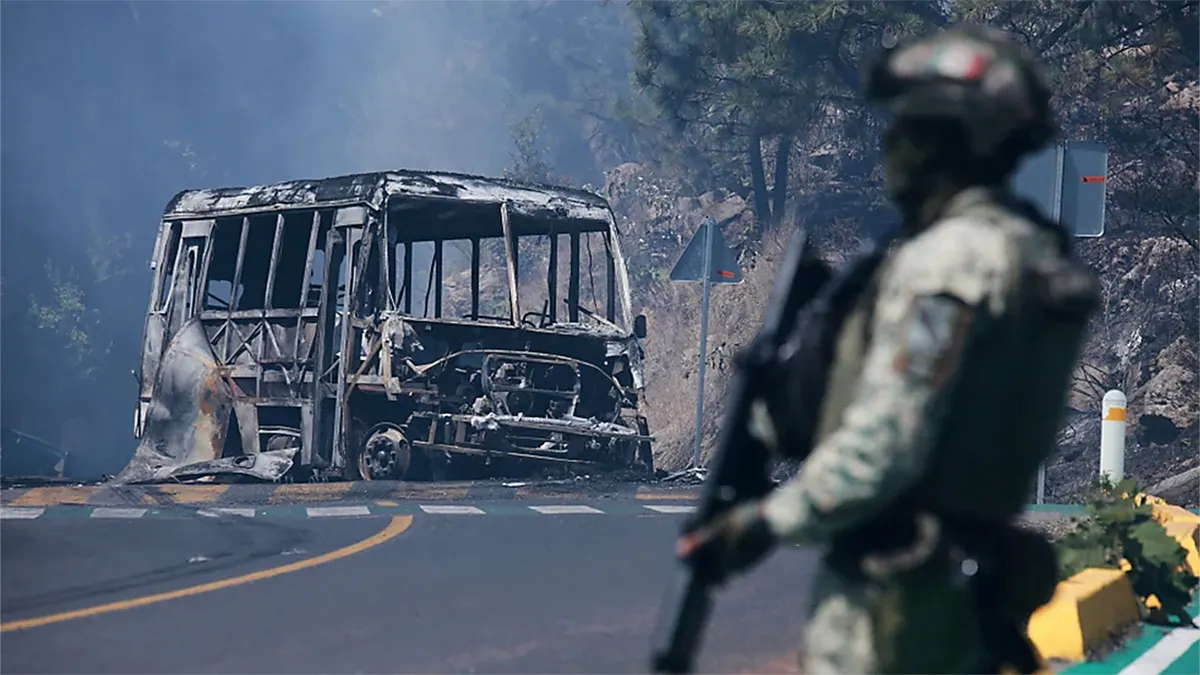
FIFA’s decision to relocate matches will depend on the extent of the violence and the Mexican government’s ability to stabilize the situation. If violence continues to escalate in the lead-up to the World Cup, FIFA may be left with no choice but to consider shifting matches to the United States or Canada. However, given the logistical challenges, FIFA would likely prefer to keep Mexico as a host nation. The presence of local fans and the country’s rich footballing history make it an integral part of the 2026 World Cup. Ultimately, FIFA will have to weigh the risk of potential violence against the need for a truly global celebration of the sport.
What Can Be Done to Mitigate the Threat?
To avoid the possibility of relocating World Cup matches, Mexico’s government will need to take more decisive actions to combat cartel violence. This includes not only strengthening law enforcement efforts but also investing in the socio-economic development of regions affected by cartels. Ensuring that local communities feel safe and supported is key to preventing further violence and ensuring that the World Cup can proceed without incident. Additionally, FIFA may need to work closely with Mexican authorities to implement specific security measures around the event, ensuring that fans can attend matches without fear for their safety.
The Future of the FIFA World Cup in Mexico
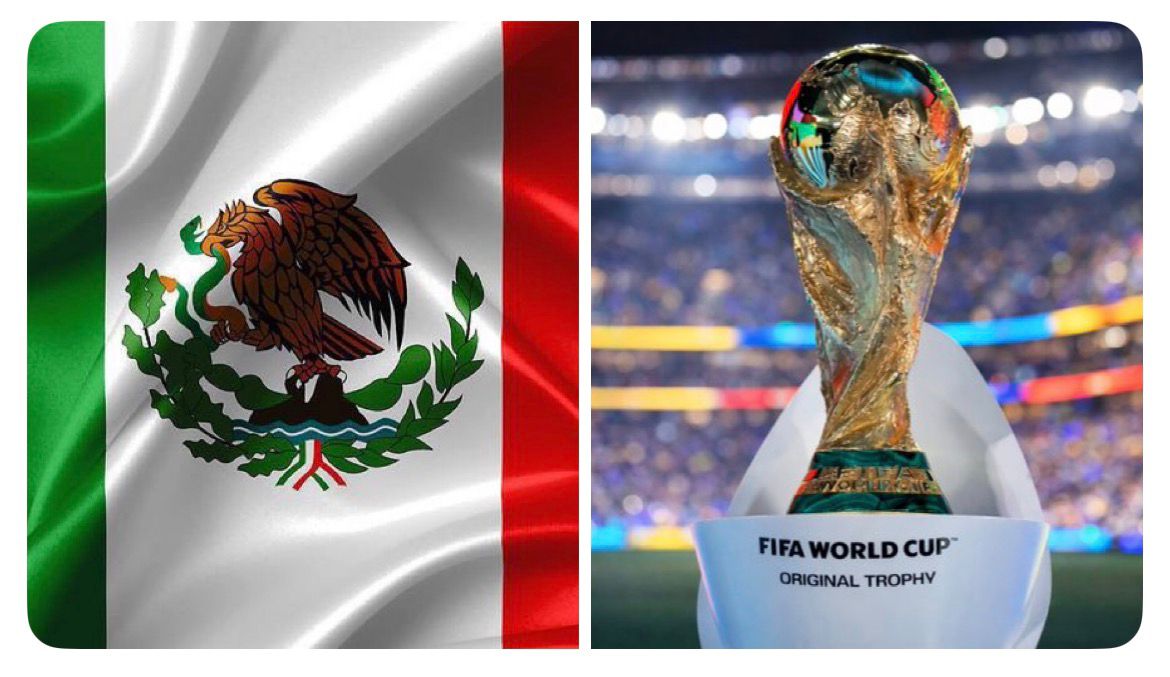
Looking beyond the 2026 World Cup, the ongoing issue of cartel violence will continue to be a challenge for Mexico. However, hosting such a high-profile event could be an opportunity for the country to improve its security infrastructure and address the root causes of violence. The exposure from the World Cup may help bring attention to the country’s struggles, leading to increased international support for anti-cartel efforts. The success or failure of Mexico’s role as a host nation in 2026 will have lasting implications for the country’s relationship with FIFA and its ability to host future international sporting events.
Conclusion: A Crucial Decision for FIFA
The prospect of Mexico’s participation in the 2026 FIFA World Cup is at a crossroads, with cartel violence posing a significant threat to the tournament’s safety. While it is unlikely that FIFA will make any immediate decisions to relocate games, the situation requires close monitoring. The safety of fans, players, and officials must remain the top priority, and both FIFA and the Mexican government must work together to ensure that the event goes off without a hitch. As the tournament approaches, the world will be watching closely to see if Mexico can overcome these challenges and successfully host the World Cup, or if the threat of violence will force a shift in the event’s location.