
Table of Contents
- The Violence Following the Drug Lord’s Death
- The Role of the Military in Mexico’s Security Strategy
- The Cartel Wars and the Fight for Control
- The Economic and Social Costs of the Violence
- The Role of the U.S. in Mexico’s Security Challenges
- The Humanitarian Crisis and the Role of International Organizations
- The Future of Mexico’s Security Strategy
- Conclusion
The Violence Following the Drug Lord’s Death
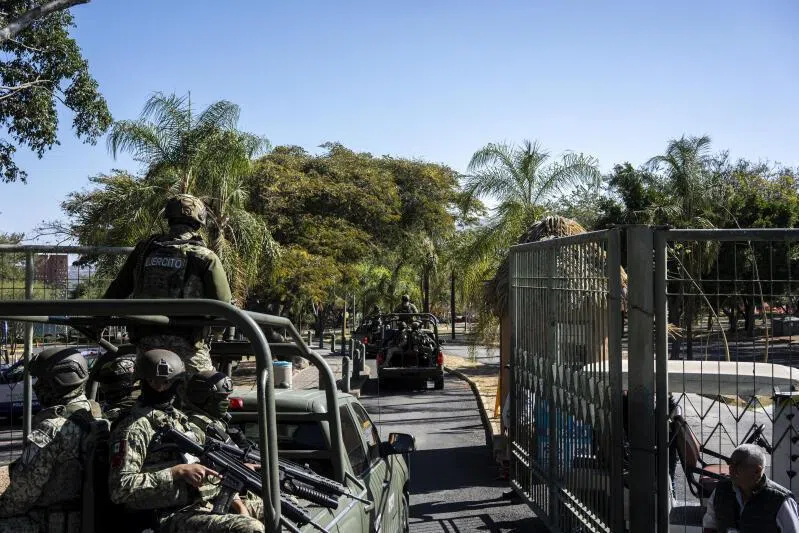
The death of a major drug lord is a significant event in the world of organized crime, often leading to chaos and power struggles among rival factions. In this case, the death of a notorious leader in Mexico’s criminal underworld triggered a wave of violence as his associates and rival gangs fought to take control of his operations. What ensued was a series of violent clashes, kidnappings, and armed confrontations that quickly spread across multiple regions of the country.
The violence was not limited to the drug cartel’s members. Ordinary citizens and law enforcement personnel found themselves caught in the crossfire, with civilians fearing for their safety and police officers being targeted by cartel members. The scale of the violence and the increasing number of casualties prompted the Mexican government to take drastic action to restore order.
The government’s decision to deploy a significant number of troops is part of a larger strategy to curb the influence of organized crime and provide immediate security in the affected regions. However, it also reflects the long-standing challenges Mexico has faced in dealing with the drug trade and the violence that comes with it.
The Role of the Military in Mexico’s Security Strategy
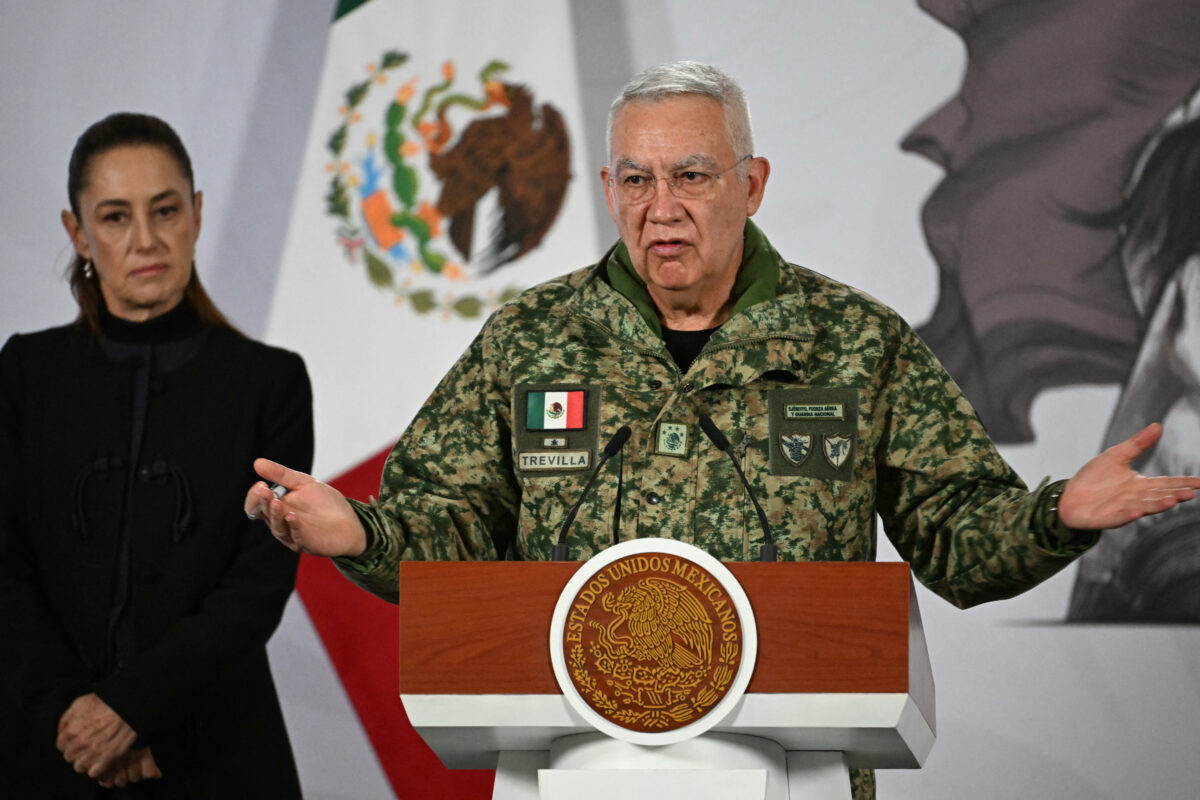
Mexico’s use of the military in combating drug-related violence is not a new strategy. In fact, it has been a cornerstone of Mexico’s security approach for over a decade. The Mexican military has been heavily involved in anti-narcotics operations, often working alongside police forces to combat the influence of powerful drug cartels.
In recent years, the military has increasingly taken on a more visible role in addressing internal security threats, particularly as violence has escalated. While some critics argue that the military’s presence in civilian areas can lead to human rights violations and a lack of accountability, the government maintains that the armed forces are necessary to stabilize regions plagued by cartel violence.
The decision to deploy 10,000 troops is seen as a direct response to the severe security challenges posed by the drug trade. With police forces often outgunned and outmanned by criminal organizations, the Mexican government has turned to the military to ensure that violence does not spiral out of control. However, this decision also highlights the limitations of relying on military force to address the root causes of the violence, such as poverty, corruption, and the widespread availability of illegal drugs.
The Cartel Wars and the Fight for Control
One of the key factors driving the violence following the drug lord’s death is the intense power struggle among rival cartels. When a prominent figure in the criminal underworld is eliminated, it creates a vacuum of power, leading to a fierce battle for control over lucrative drug routes, trafficking routes, and territory. This conflict often plays out in the form of violent confrontations, assassinations, and attacks on rival cartel members or even innocent bystanders.
The power vacuum left by the death of a major drug lord often causes instability in local communities, as different factions fight to establish dominance. These battles can result in devastating consequences for civilians, with innocent people caught in the crossfire. The government’s deployment of troops is an attempt to break this cycle of violence and restore control to areas that have been overrun by cartel forces.
In the broader context, the cartel wars represent a deeper issue: the Mexican government’s struggle to dismantle the organized crime networks that control vast regions of the country. While military force can help suppress the violence temporarily, it does little to address the root causes of cartel power, such as drug demand, corruption, and economic inequality.
The Economic and Social Costs of the Violence
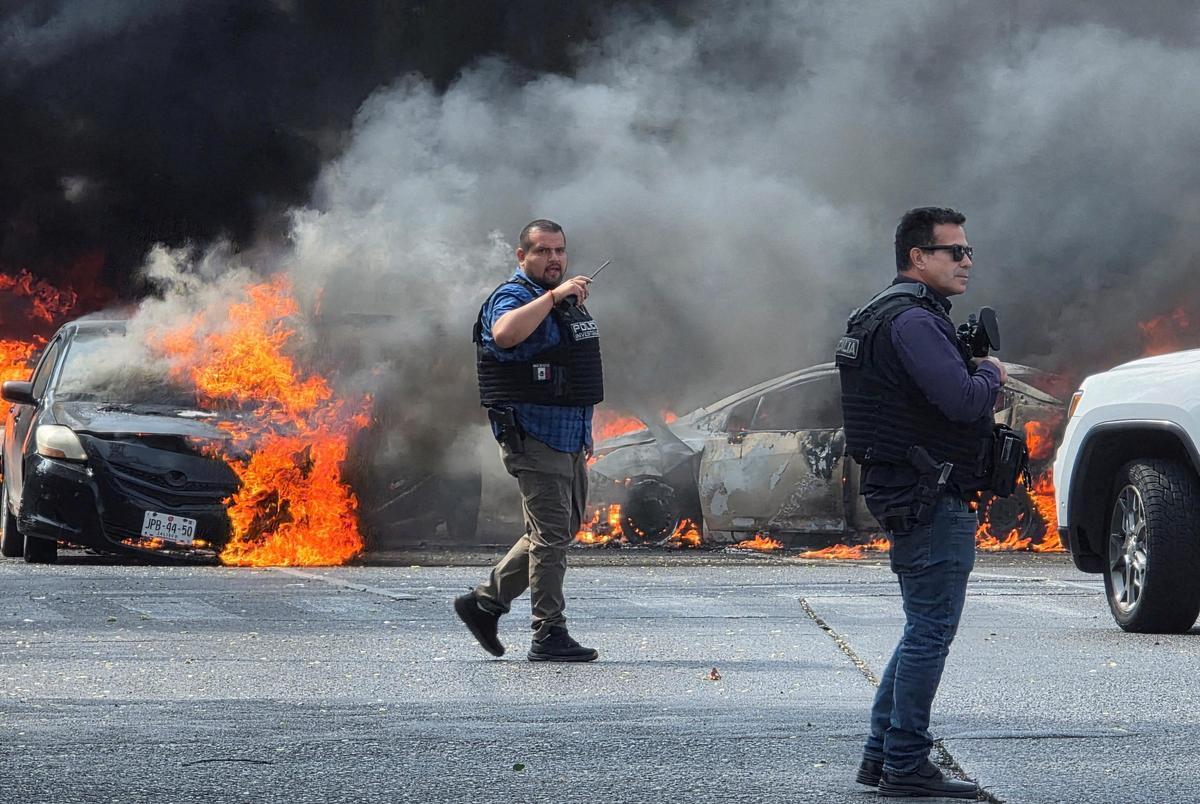
The violence sparked by the death of a major drug lord also comes with significant economic and social costs. Cities and towns affected by cartel violence often see a decline in investment, tourism, and overall economic activity. Businesses are forced to close, and residents live in fear, which stifles economic growth and development.
The long-term impact of cartel violence also affects education, healthcare, and social services. Children growing up in areas controlled by criminal organizations face significant challenges, including limited access to education and the risk of becoming involved in criminal activity. In many cases, young people are recruited by cartels as a means of survival, further perpetuating the cycle of violence and poverty.
Moreover, the continuous conflict between law enforcement and cartels places a significant strain on Mexico’s police and military resources. As the government funnels more resources into the fight against organized crime, other sectors such as healthcare, education, and infrastructure often suffer from underfunding.
The Role of the U.S. in Mexico’s Security Challenges
The United States has long been involved in Mexico’s efforts to combat drug-related violence, given that the U.S. is a major consumer of illegal drugs trafficked through Mexico. American law enforcement agencies, including the DEA (Drug Enforcement Administration), work closely with Mexican authorities to target drug cartels and disrupt smuggling operations.
In recent years, the U.S. has provided financial and logistical support to Mexico’s anti-narcotics efforts, including funding for surveillance equipment, intelligence sharing, and training for Mexican law enforcement agencies. However, the level of cooperation between the two countries has been a topic of debate, with critics arguing that the U.S. needs to do more to address the demand for illegal drugs in its own country.
The U.S. also plays a role in Mexico’s security through its efforts to combat gun trafficking. Many of the weapons used by Mexican cartels are sourced from the U.S., and efforts to curb the flow of firearms into Mexico have been an ongoing challenge. While the U.S. government has pledged to support Mexico’s security initiatives, the complexity of the situation requires a more comprehensive, collaborative approach to addressing the root causes of the violence.
The Humanitarian Crisis and the Role of International Organizations
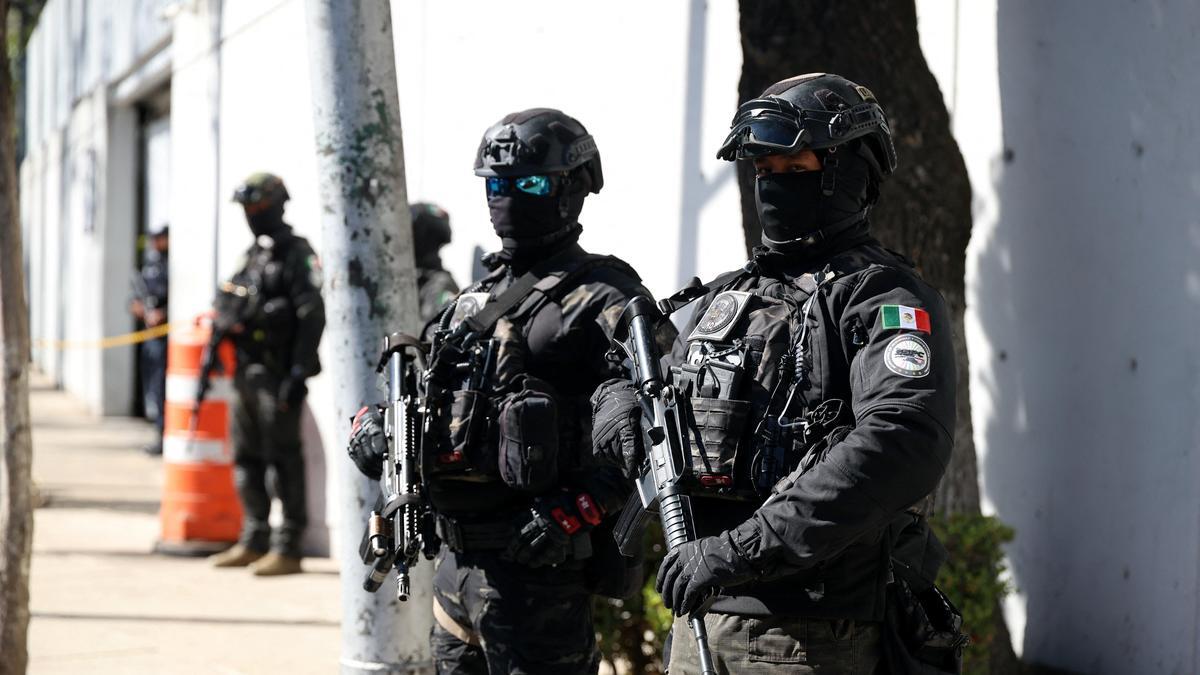
The violence in Mexico is not just a security issue—it is also a humanitarian crisis. Thousands of innocent civilians have been caught in the crossfire of the cartel wars, and many have been forced to flee their homes to escape the violence. Internally displaced people (IDPs) now number in the hundreds of thousands, with little access to adequate shelter, food, or healthcare.
International organizations, such as the United Nations and non-governmental organizations (NGOs), have been providing support to those affected by the violence. These groups have been working to provide humanitarian aid, medical assistance, and protection for vulnerable populations, including women and children.
However, the scale of the crisis and the ongoing violence make it difficult for these organizations to provide comprehensive support. Many areas remain too dangerous for aid workers to access, and the sheer number of displaced people makes it challenging to provide assistance on the ground. The international community has called for increased cooperation with the Mexican government to address the humanitarian needs of those affected by the violence.
The Future of Mexico’s Security Strategy
The deployment of 10,000 troops is just one step in Mexico’s ongoing effort to combat cartel violence, but it raises important questions about the country’s long-term security strategy. Military action alone is unlikely to be enough to fully address the issue of drug-related violence, and experts argue that a more comprehensive approach is needed.
The Mexican government must not only focus on military and police interventions but also invest in social programs that address the root causes of cartel power. These include tackling poverty, improving education, and providing economic opportunities in regions where cartels operate. The government must also work to reduce corruption within its own ranks, as corrupt officials often act as facilitators for the drug trade.
For the strategy to succeed, Mexico will need continued support from the international community, including both the U.S. and global organizations. Only through a multi-faceted approach that combines law enforcement, social reform, and international cooperation can Mexico hope to break the cycle of violence that has plagued the country for decades.
Conclusion
Mexico’s decision to deploy 10,000 troops in response to the violence sparked by the death of a major drug lord is a significant step in the fight against organized crime. However, this move alone will not solve the country’s ongoing security challenges. While the deployment may provide temporary relief, it is crucial that Mexico pursues a more comprehensive strategy that addresses the root causes of cartel violence and strengthens its institutions.
As the Mexican government continues its efforts to combat the influence of drug cartels, the international community must remain engaged, offering both humanitarian aid and support for long-term solutions. The road to peace and security in Mexico will require not just military intervention, but a commitment to social reform, economic development, and international cooperation.