

When prosecutors announced criminal charges against a Michigan homeowner months after a fatal garage burglary shooting, the decision immediately reignited one of America’s most emotional legal debates. How far can homeowners legally go to protect their property, and when does self defense cross the line into criminal conduct?
The case has attracted national attention because it combines several of the most controversial issues surrounding firearms, home invasions, and self defense laws. On one side is a homeowner who says he acted after discovering multiple people breaking into his detached garage during the middle of the night. On the other is the family of a 17 year old who lost his life and now believes prosecutors should pursue an even more serious charge than the one already filed.
As the legal battle begins, the incident is becoming another example of how quickly split second decisions during a crime can lead to years of courtroom arguments over what the law actually allows. It also highlights the difficult balance prosecutors must strike between recognizing a person’s right to defend their home and determining when deadly force may no longer be legally justified.
Table of Contents
- A Nighttime Burglary Turned Into A Deadly Encounter
- Prosecutors Believe The Shooting Went Beyond Self Defense
- Family Says Manslaughter Is Not Enough
- Defense Attorney Calls Charges Unjustified
- Why The Direction Of The Suspects Matters
- The Teenagers Also Face Criminal Charges
- Self Defense Laws Continue To Divide Public Opinion
- Community Reaction Reflects A National Divide
- Prosecutors Emphasize Responsibility Alongside Gun Rights
- What Happens Next
- A Case That May Influence Future Self Defense Discussions
A Nighttime Burglary Turned Into A Deadly Encounter
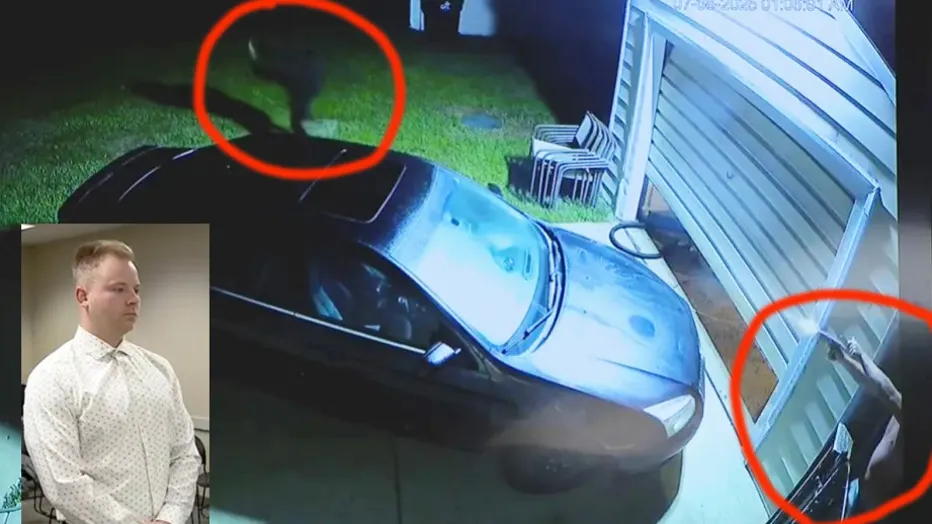
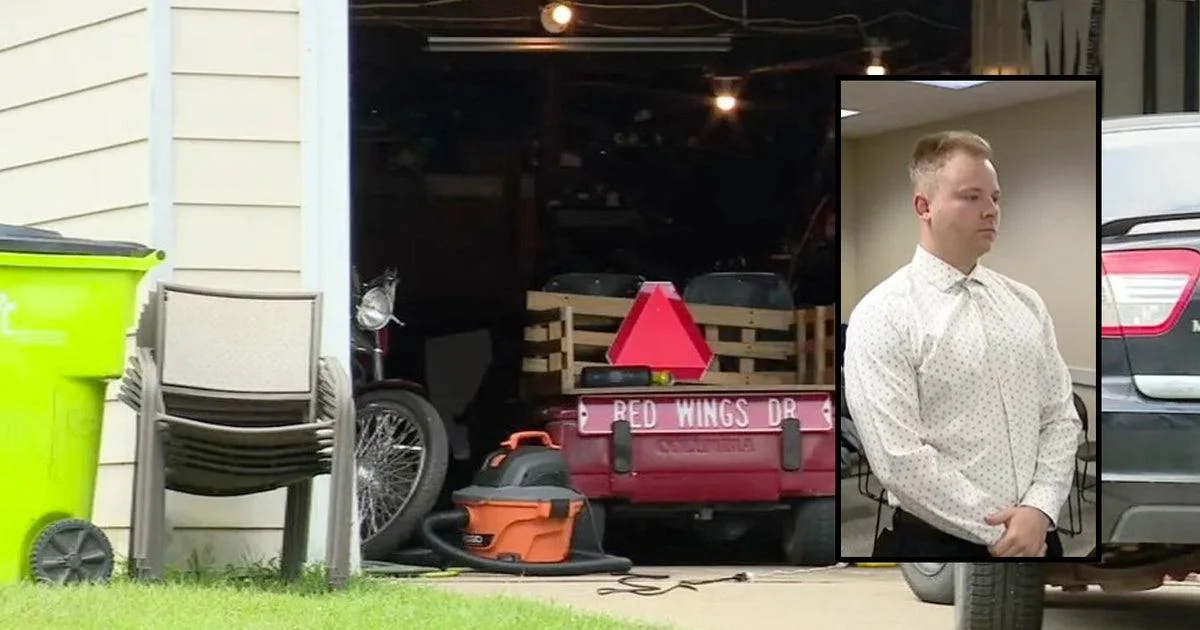
According to investigators, the events unfolded shortly after 1 a.m. when several individuals allegedly entered a detached garage at a home in White Lake Township, Michigan.
Authorities believe the group intended to burglarize the property before the homeowner became aware of their presence.
Instead of remaining inside the house while calling police, prosecutors allege the homeowner armed himself with a legally owned 9mm handgun and confronted the situation outside.
Investigators say several shots were fired during the encounter.
One teenage suspect was fatally wounded while another allegedly suffered a gunshot injury to the leg.
The remaining suspects fled the area.
Although the burglary itself lasted only minutes, the legal consequences are expected to continue for much longer.
Prosecutors Believe The Shooting Went Beyond Self Defense
Several months after completing their investigation, prosecutors announced criminal charges against the homeowner.
Rather than accusing him of intentional murder, authorities charged him with manslaughter, assault with intent to cause great bodily harm, and firearm related offenses.
The decision reflects prosecutors’ conclusion that the homeowner’s actions allegedly exceeded what Michigan law permits during a self defense situation.
According to investigators, the evidence suggests multiple rounds were fired after the burglary suspects had already begun running away from the property.
Officials argue that distinction is central to the case.
Prosecutors maintain that while homeowners have important legal protections when defending themselves, those protections are not unlimited.
Once an immediate threat has ended, the legal justification for using deadly force becomes much more difficult to establish.
Family Says Manslaughter Is Not Enough
For the family of the teenager who died, the criminal charges brought little comfort.
Relatives have publicly stated they believe prosecutors should have filed murder charges instead of manslaughter.
Family members argue that the teenager had already been fleeing when he was struck by gunfire.
They believe that fact demonstrates malicious intent rather than reckless conduct.
The emotional impact of losing a teenage son and brother has only intensified their desire for greater accountability.
While acknowledging that the burglary itself was wrong, relatives insist the punishment should not have been death.
Their statements have resonated with many people online who believe deadly force should end once suspects attempt to leave the scene.
Others strongly disagree.
Defense Attorney Calls Charges Unjustified
The homeowner’s attorney has taken the opposite position.
According to the defense, the homeowner had experienced previous burglaries at the property and had repeatedly sought better ways to protect his home.
The attorney argues that local police previously encouraged stronger security measures following earlier break in attempts.
On the night of the incident, the defense says the homeowner believed he was confronting an immediate and dangerous criminal act occurring on his property.
His attorney maintains that the homeowner warned the suspects to leave before firing.
The defense also argues that darkness, confusion, and rapidly changing circumstances made it impossible for the homeowner to accurately determine exactly where each suspect was moving during the confrontation.
From the defense perspective, the shooting represents lawful self defense rather than criminal behavior.
That argument is expected to become one of the central issues at trial.
Why The Direction Of The Suspects Matters
Legal experts frequently explain that one of the most important questions in self defense cases involves whether the threat remained active when deadly force was used.
If someone is actively attacking another person, courts often evaluate whether force was immediately necessary to stop the threat.
However, when suspects begin running away, the legal analysis can change significantly.
Prosecutors argue that once the alleged burglars fled, the immediate danger to the homeowner had diminished.
Defense attorneys may counter that nighttime situations evolve in seconds and homeowners cannot always determine whether suspects are retreating or repositioning to continue the attack.
That uncertainty often becomes a major point of disagreement during criminal trials involving self defense.
Jurors are ultimately asked to decide what a reasonable person would have believed under those exact circumstances.
The Teenagers Also Face Criminal Charges
The investigation did not focus solely on the homeowner.
Authorities also charged the surviving burglary suspects in connection with the attempted break in.
Those charges reflect investigators’ conclusion that the group unlawfully entered the detached garage before the shooting occurred.
Officials allege multiple individuals participated in the burglary attempt.
While those criminal cases are separate from the homicide investigation, they provide important context regarding why the confrontation began.
Both sets of charges illustrate how multiple crimes can emerge from a single incident, leaving courts to examine the actions of everyone involved rather than focusing on only one participant.
Self Defense Laws Continue To Divide Public Opinion

Cases like this consistently generate intense public debate because they involve competing principles that many Americans strongly support.
Most people agree homeowners should have the right to defend themselves against violent criminals.
At the same time, many also believe deadly force should be used only when absolutely necessary.
State laws vary considerably regarding when force may legally be used.
Some jurisdictions provide broad protections for homeowners defending occupied residences.
Others place greater emphasis on whether an immediate threat of death or serious bodily injury existed at the exact moment force was used.
Even within the same state, each case depends heavily on its unique facts.
Small differences in witness testimony, forensic evidence, and timing can dramatically influence legal outcomes.
Community Reaction Reflects A National Divide
Public reaction has largely fallen into two competing viewpoints.
Some believe charging the homeowner sends the wrong message to law abiding citizens who simply want to protect themselves from criminals entering their property.
Others argue that allowing homeowners to continue firing after suspects flee could encourage unnecessary violence and place innocent neighbors at risk.
The case has generated widespread discussion across social media, legal forums, and community organizations.
Many observers acknowledge sympathy for both families involved.
One family lost a teenage son.
Another now faces criminal prosecution following an encounter they say never should have happened.
Those competing tragedies demonstrate why cases involving self defense often become emotionally charged long before any jury hears evidence.
Prosecutors Emphasize Responsibility Alongside Gun Rights

In announcing the charges, prosecutors stressed that firearm ownership carries significant legal responsibilities.
Officials stated that citizens have important constitutional rights to possess firearms and protect themselves.
However, they also emphasized that those rights exist alongside legal obligations governing when deadly force may be used.
According to prosecutors, the evidence indicates the homeowner crossed that legal boundary.
The defense strongly rejects that conclusion.
Ultimately, jurors may have to determine whether the homeowner acted reasonably under extraordinary circumstances or whether prosecutors have proven that criminal conduct occurred beyond a reasonable doubt.
What Happens Next
The criminal proceedings are expected to include extensive forensic evidence, witness testimony, and expert analysis regarding firearm trajectories, timing, and the sequence of events.
Attorneys on both sides will likely focus heavily on whether the suspects remained an immediate threat at the time each shot was fired.
Jurors may also hear evidence regarding previous burglaries at the property and whether those earlier incidents influenced the homeowner’s perception of danger.
Meanwhile, the separate burglary cases involving the surviving suspects will proceed through the legal system independently.
Although the outcomes may differ, both proceedings stem from the same tragic encounter.
A Case That May Influence Future Self Defense Discussions

Long after the courtroom reaches its verdict, this Michigan case is likely to remain part of broader national conversations about self defense laws and homeowners’ rights.
Supporters of stronger self defense protections argue that citizens should never hesitate when confronting criminals invading their property.
Critics warn that expanding those protections too far risks encouraging deadly force after immediate threats have already ended.
Regardless of where public opinion falls, the case illustrates how rapidly criminal activity, fear, and split second decisions can permanently change multiple lives.
One family is mourning the loss of a teenage son. Another faces uncertainty as criminal charges move through the courts. Prosecutors, defense attorneys, and eventually a jury must now determine where the legal boundary between justified self defense and unlawful deadly force truly exists.
The final verdict may resolve the criminal case, but the broader debate over self defense, property rights, and responsible firearm use will almost certainly continue well beyond the courtroom.