

Table of Contents
- A Game-Changing Innovation for Water Purification
- The Rise of Microplastic Pollution
- How the Ultrasound Microplastic Filter Works
- The Teenagers Behind the Invention
- Why This Innovation Matters
- Challenges and Limitations
- The Future of Pollution Control
- The Importance of Youth Innovation in Solving Global Problems
- Conclusion
A Game-Changing Innovation for Water Purification
When news broke that a group of teenagers had developed an ultrasound-based filter capable of removing microplastics from water, the world took notice. This revolutionary invention could potentially reshape how we approach environmental pollution and clean water access. With microplastics now present in oceans, rivers, and drinking water worldwide, this technology offers a promising solution to a growing environmental crisis. What follows is an exploration of how these young inventors created the filter, what it means for our fight against pollution, and how it could change the future of water purification.
The Rise of Microplastic Pollution
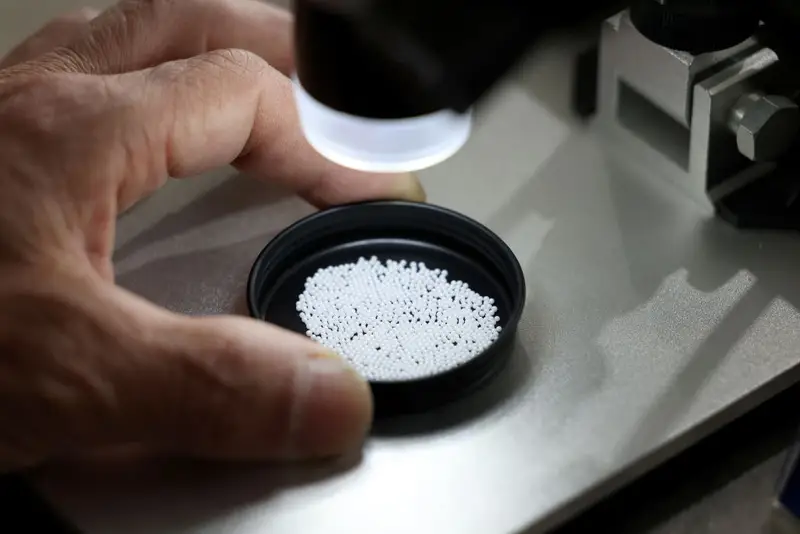
Microplastics are tiny particles of plastic less than five millimeters in size, often resulting from the breakdown of larger plastic items. These particles have become pervasive in the environment, from ocean waters to freshwater rivers, and even in the air we breathe. Microplastics are not only harmful to marine life, but they also find their way into the food chain, potentially posing risks to human health.
The widespread contamination of water bodies with microplastics has prompted an urgent need for effective solutions. While various filtration methods exist, none have been widely successful in efficiently removing microplastics at a large scale, especially in natural water sources. This is where the invention by the group of teenagers comes in — an ultrasound-based filter that promises to address this pressing environmental issue.
How the Ultrasound Microplastic Filter Works
The breakthrough technology created by these innovative teenagers uses ultrasound waves to target and remove microplastics from water. Ultrasound, a high-frequency sound wave, has long been used in various industries for cleaning, medical imaging, and even food processing. By harnessing the power of ultrasound, the team developed a filter that causes microplastic particles to aggregate, making them easier to trap and remove.
The filter consists of a series of ultrasonic transducers that emit sound waves into the water. These sound waves create vibrations that cause the microplastics to clump together, forming larger particles that can then be captured by the filter. Unlike traditional filtration systems, which rely on physical barriers like mesh or activated carbon, the ultrasound filter works by manipulating the very properties of the microplastics, making it a potentially more efficient and cost-effective solution.
What makes this technology particularly exciting is its potential scalability. The ultrasound-based filter can be designed for various applications, from small-scale water treatment in homes to large-scale industrial systems that clean polluted rivers and oceans.
The Teenagers Behind the Invention

The invention of the ultrasound microplastic filter came from a group of high school students who were concerned about the growing problem of plastic pollution. Working together, they combined their knowledge of science, engineering, and technology to create a prototype that could tackle one of the most pressing environmental challenges of their generation.
What makes this invention even more remarkable is the fact that the students were not professionals in the field of environmental science or engineering. They were simply driven by a shared passion for solving real-world problems and using their skills to make a positive impact. Their dedication and ingenuity have not only led to a potential solution to microplastic pollution but have also inspired others to think creatively about how they can contribute to environmental conservation.
Why This Innovation Matters
The environmental impact of the ultrasound microplastic filter cannot be understated. Microplastics are found in nearly every body of water on Earth, from the oceans to freshwater lakes and rivers. The accumulation of these particles poses a significant threat to marine ecosystems, as they can be ingested by aquatic life, leading to poisoning, malnutrition, and even death. Additionally, microplastics have been detected in the air, soil, and food, raising concerns about their potential impact on human health.
This innovative filter could revolutionize the way we remove microplastics from water. Unlike traditional methods, which rely on filtration systems that can be slow and ineffective, the ultrasound filter could be a faster, more efficient solution. If implemented on a large scale, it could help to significantly reduce the amount of microplastics in our oceans and rivers, ultimately leading to cleaner water sources and a healthier environment.
Challenges and Limitations

While the ultrasound microplastic filter shows great promise, there are still challenges to be addressed before it can be used on a global scale. The filter, as it currently stands, is a prototype that works well in laboratory conditions. However, scaling up the technology for widespread use will require further research and development to ensure its effectiveness in larger, more complex water systems.
One of the biggest challenges will be ensuring that the filter can handle the vast amounts of microplastics found in polluted waters. In many cases, these microplastics are not only small but also highly dispersed, making them difficult to target and remove. Additionally, there will be logistical hurdles in implementing this technology in areas that lack the infrastructure for large-scale filtration systems.
Despite these challenges, the potential for the ultrasound microplastic filter is undeniable. As technology continues to improve, and as the demand for sustainable water treatment solutions grows, this invention could play a key role in addressing one of the most urgent environmental issues of our time.
The Future of Pollution Control
While the invention of the ultrasound microplastic filter is a significant step forward in combating plastic pollution, it is only part of the solution. As awareness of the environmental impact of plastic grows, more innovations will be needed to tackle the broader issue of plastic waste. This includes finding ways to reduce plastic production, improve recycling methods, and develop sustainable alternatives to single-use plastics.
In the future, technologies like the ultrasound filter could work in tandem with other solutions, such as biodegradable materials and advanced recycling systems, to create a more sustainable approach to plastic waste management. By combining efforts at both the individual and systemic levels, we can work toward a cleaner, healthier planet for future generations.
The Importance of Youth Innovation in Solving Global Problems
The success of the ultrasound microplastic filter is a powerful reminder of the potential of young innovators to drive meaningful change. These teenagers, who were motivated by a desire to make a difference, have proven that age is no barrier to creating groundbreaking solutions. Their invention not only provides a solution to a critical environmental issue but also demonstrates the power of education, collaboration, and creativity in solving the world’s most pressing problems.
In a world where many feel overwhelmed by the scale of global challenges, the example set by these students is a beacon of hope. It shows that anyone, regardless of age or background, can contribute to making the world a better place through innovation and action.
Conclusion
The invention of the ultrasound microplastic filter by a group of high school students is a remarkable step forward in the fight against plastic pollution. While challenges remain in scaling this technology, its potential to transform the way we approach water purification is undeniable. If successful, it could lead to cleaner oceans, rivers, and lakes, ultimately improving the health of our planet and its ecosystems.
As we look to the future, the ultrasound filter serves as a reminder that innovation comes in many forms, and that the solutions to some of the world’s most complex problems may come from the unlikeliest of places. By continuing to support young innovators and encourage creativity, we can unlock new solutions to environmental challenges and pave the way for a more sustainable future.