
Table of Contents
- Minneapolis Tackles Homelessness with Innovative Housing Model
- A Low-Barrier Approach to Sheltering the Homeless
- A Safe Space for Those Who Need It the Most
- Helping Residents Transition to Permanent Housing
- A Community Effort to End Homelessness
- The Cost of Providing Shelter and Stability
- Expanding the Impact of Avivo Village
- The Broader Impact on Homelessness Policy
- A Model for the Future of Homelessness Solutions
Minneapolis Tackles Homelessness with Innovative Housing Model
The winter months in Minneapolis are brutal, with temperatures often dropping well below freezing. Since 1891, the Twin Cities have seen temperatures fall below -30 degrees Fahrenheit on 12 occasions. Given that hypothermia can set in at temperatures as high as 35 degrees, these conditions are life-threatening for those forced to sleep on the streets.
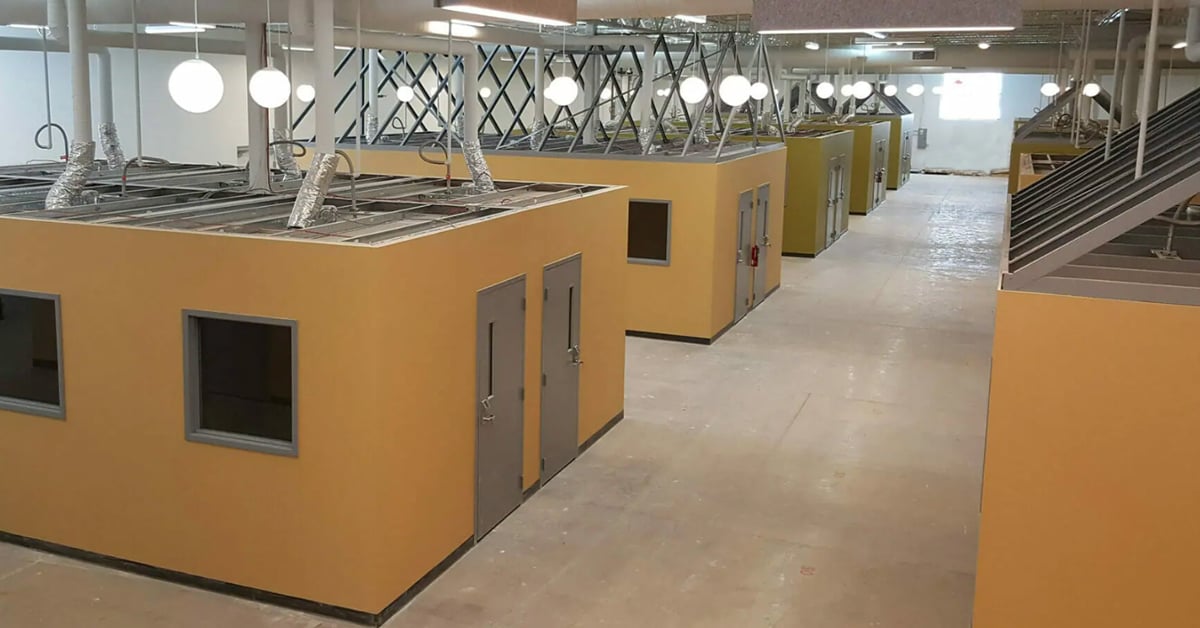
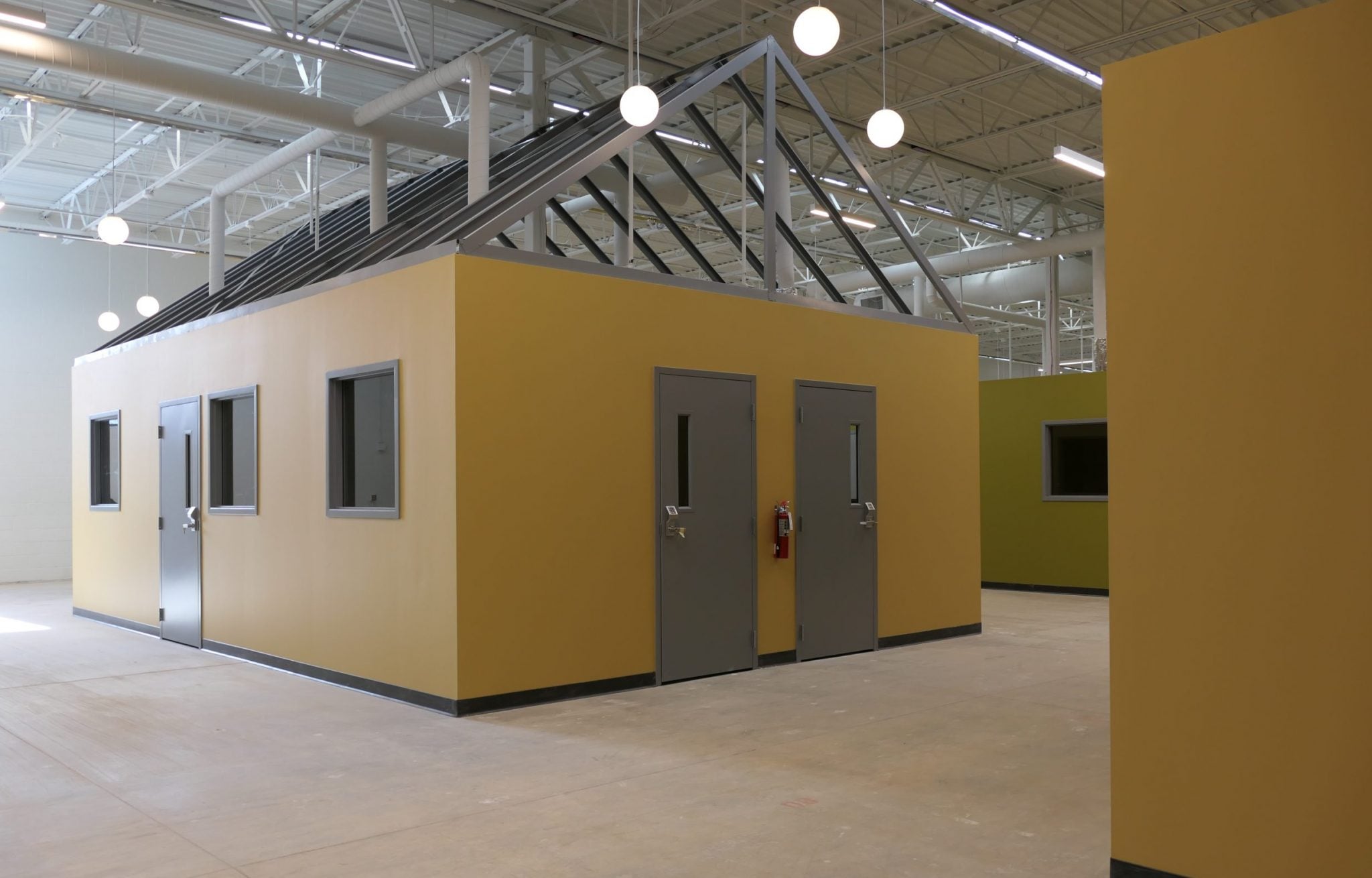
In response to this urgent need, Avivo Village was opened, providing a safe and warm refuge for those who would otherwise have nowhere to turn. Located in a warehouse, Avivo Village offers 100 individual tiny homes, each providing a private, secure space for residents. The project, which opened in December 2020, was designed to address both immediate shelter needs and long-term housing solutions.
This initiative is a prime example of what can happen when local governments, advocacy groups, and the community work together to address homelessness. Rather than leaving individuals exposed to the dangers of the cold, Minneapolis has created a model that offers safety, dignity, and a path to stability.
A Low-Barrier Approach to Sheltering the Homeless
Avivo Village operates under a “low-barrier” model, meaning that individuals are not required to meet strict criteria, such as sobriety, in order to gain shelter. This approach is essential in ensuring that people who need help the most can access the services they need, without unnecessary barriers that could prevent them from seeking assistance.
The village is designed with “wraparound services” in mind, offering access to essential services such as substance use disorder treatment, mental health therapy, medical care, and social work support. This comprehensive approach addresses the various factors that contribute to homelessness, ensuring that residents receive the care and support they need to rebuild their lives.
The village also welcomes pets, understanding that for many people, their animals are not just companions but essential parts of their lives. This policy is a recognition of the deep bond between homeless individuals and their pets, and it ensures that residents do not have to choose between their well-being and that of their animal companions.
A Safe Space for Those Who Need It the Most
For many residents, arriving at Avivo Village marks the first time in years that they have had a safe and secure place to stay. According to David Jeffries, Avivo’s program director, residents often arrive exhausted and emotional, feeling helpless after spending long periods on the streets. The arrival at Avivo Village is a moment of relief. For many, it is the first time they feel safe and supported in a long time.
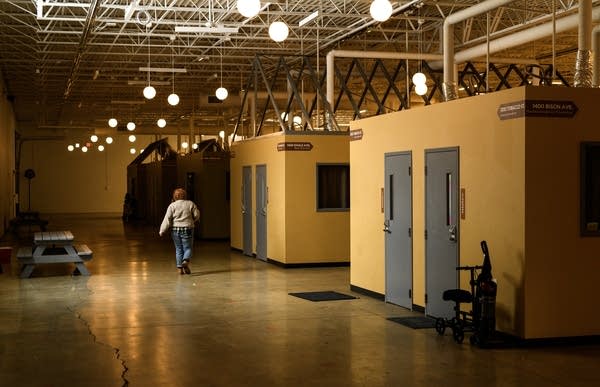
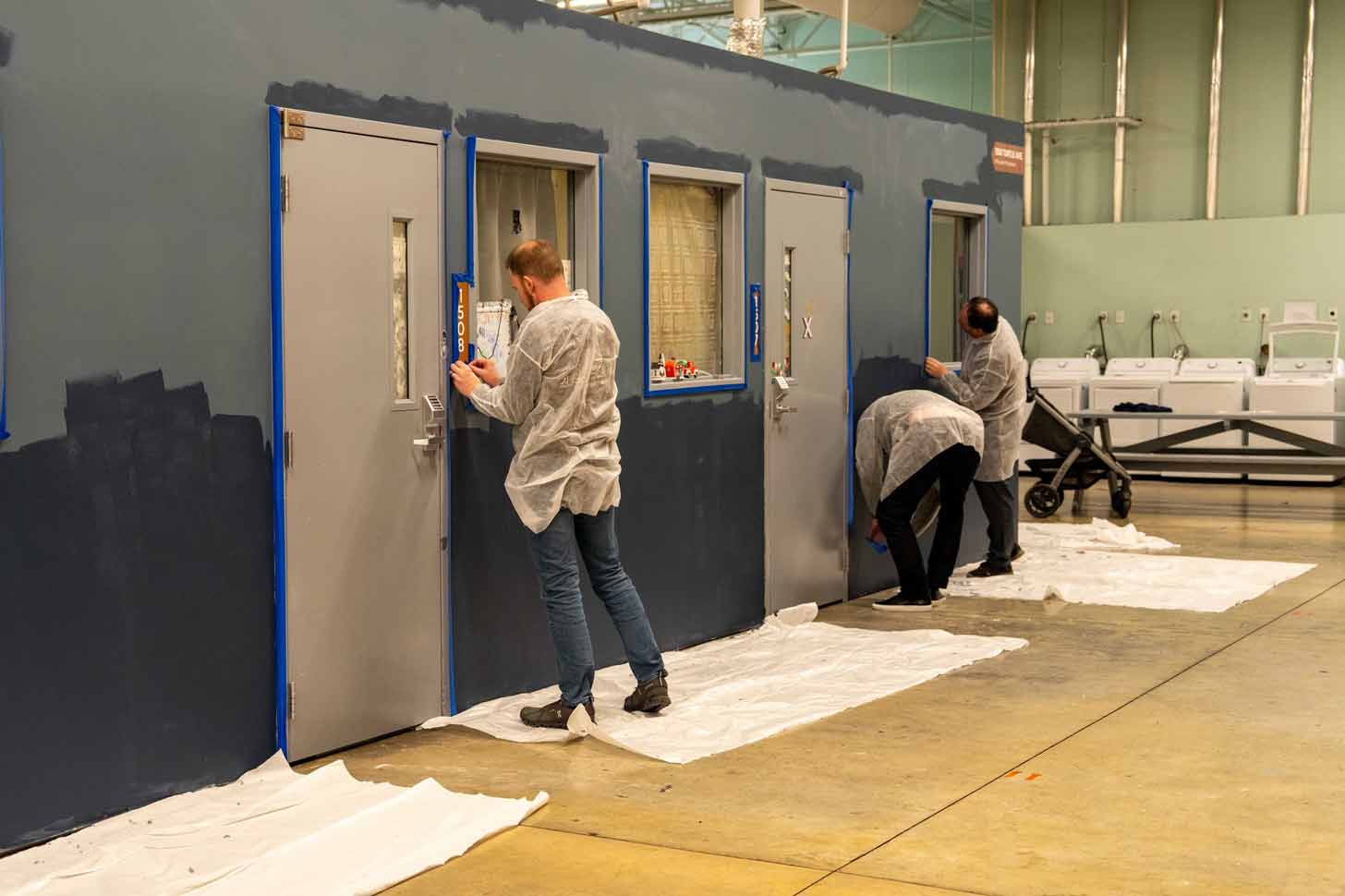
The tiny homes themselves are simple but functional. Each unit measures 8 by 8 feet, providing a personal space that allows individuals to feel a sense of ownership and control over their environment. While the accommodations are basic, they are a significant improvement over sleeping in a shelter or on the street. The walls are painted in simple, neutral colors, and the village is maintained by volunteers who ensure that the community remains clean and welcoming.
In addition to the tiny homes, the village features shared spaces where residents can gather, relax, and engage with one another. Picnic tables, lounges, and common areas encourage social interaction, helping to build a sense of community among people who have often felt isolated and neglected.
Helping Residents Transition to Permanent Housing
One of the most significant aspects of Avivo Village is its commitment to helping residents transition to permanent housing. While the village serves as a temporary shelter, there is no time limit on how long individuals can stay. The goal is to provide stability and security first, creating a foundation from which residents can take the steps necessary to secure permanent housing.
The staff at Avivo Village work closely with residents to help them navigate the process of finding housing, applying for jobs, and accessing the resources they need to become self-sufficient. According to Kelly Matter, president and CEO of Avivo, the village offers a “safe place out of the elements” that allows individuals to take personal steps toward a better future. Since its opening, the village has supported over 800 people, with 340 of them successfully transitioning to permanent housing.
The success of the program is a testament to the importance of a holistic approach to addressing homelessness. By providing shelter, support, and services, Avivo Village is helping individuals regain control over their lives and move forward in a positive direction.
A Community Effort to End Homelessness

The success of Avivo Village is not just the result of government intervention. It is a product of community collaboration, with local organizations, volunteers, and donors coming together to support the initiative. Over the past five years, funding from the state, county, city, and private donors has kept the program operational, demonstrating that homelessness is a problem that requires a collective response.
The village is also run by a dedicated team of volunteers and staff who work tirelessly to ensure that residents have access to the resources they need. Many residents take on roles within the community, contributing to the upkeep and well-being of the village. Some act as barbers, while others provide emotional support to their fellow residents. This sense of shared responsibility helps to foster a strong sense of community and empowerment.
According to Heather Day, a program manager for Avivo, the village is set up in a way that “really creates community.” This sense of belonging is crucial for individuals who have often been marginalized and excluded from society. By empowering residents to take part in making the village work for them, Avivo fosters a sense of pride and ownership that is essential for their long-term success.
The Cost of Providing Shelter and Stability

While the cost of running Avivo Village is not insignificant, the program offers a compelling return on investment. According to Emily Bastian, vice president of ending homelessness at Avivo, the cost of housing a resident at Avivo Village is comparable to the cost of a night in a correctional facility.
This economic comparison underscores the importance of investing in preventive solutions to homelessness. By providing individuals with stable housing and the support they need, the community can reduce the long-term costs associated with emergency services, healthcare, and criminal justice involvement.
Ultimately, investing in programs like Avivo Village not only helps individuals find stability but also benefits the broader community by reducing the strain on other public resources.
Expanding the Impact of Avivo Village

What began as a two-year pilot project has now grown into a long-term solution that has successfully supported hundreds of individuals in Minneapolis. The model has been so successful that there are calls to expand it to other cities across the country, particularly those that experience harsh winter conditions.
The success of Avivo Village demonstrates that providing housing and support to homeless individuals is not only a moral imperative but also a practical solution to some of society’s most pressing issues. With the right resources and community support, cities can create safe spaces for those in need, helping to break the cycle of homelessness and provide individuals with the tools they need to rebuild their lives.
The Broader Impact on Homelessness Policy

The story of Avivo Village is a powerful example of what can happen when communities and governments work together to address homelessness. It is also an important lesson in the need for a shift in how we approach homelessness policy.
Traditional shelter models often fail to address the underlying issues that contribute to homelessness, such as mental health, addiction, and lack of employment opportunities. By focusing on providing secure housing and comprehensive support services, Avivo Village is demonstrating that it is possible to break the cycle of homelessness and offer individuals the stability they need to thrive.
The success of Avivo Village challenges the narrative that homelessness is an insurmountable problem and offers a blueprint for other communities to follow. With the right support, it is possible to create lasting solutions that help people escape the streets and build better futures.
A Model for the Future of Homelessness Solutions

Avivo Village represents a hopeful, innovative approach to addressing homelessness in Minneapolis, and its success offers valuable lessons for other cities facing similar challenges. By combining secure housing with essential services, the village is helping residents move from temporary shelter to permanent housing, breaking the cycle of homelessness and offering individuals the opportunity to rebuild their lives.
As homelessness continues to be a pressing issue in many urban areas, Avivo Village serves as a reminder that compassionate, community-driven solutions can make a meaningful difference. With continued support and investment, models like Avivo Village can help ensure that no one is left out in the cold, especially during the harshest winters.