
Table of Contents
- A World Cup Preparation Controversy
- Reports Of Dogs Being Shot And Poisoned
- Officials Point To Public Health Risks
- Morocco Already Has A Humane Program
- The Problem Of Local Enforcement
- FIFA Faces Growing Pressure
- A Public Relations Risk For The World Cup
- Residents Say The Methods Are Becoming Hidden
- The Human Safety Concern
- Why TNVR Is Seen As The Better Solution
- New Legislation Could Change The Situation
- A Bigger Question About Global Events
- What Happens Next
A World Cup Preparation Controversy
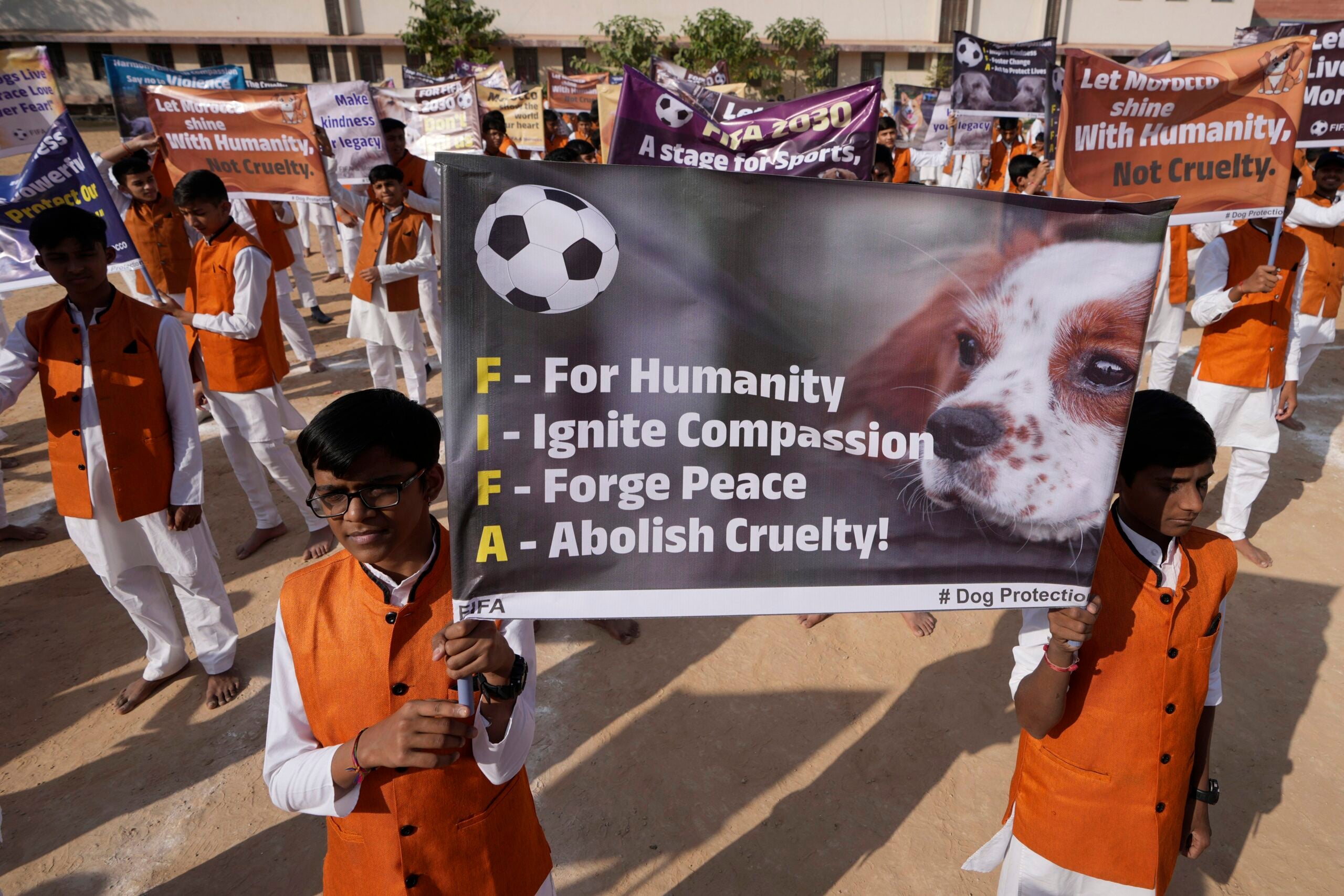
The controversy has grown because the alleged dog killings are being linked to preparations for the 2030 World Cup. Animal welfare groups say some municipalities are trying to make streets appear cleaner and more tourist friendly before the global event.
In Ifrane, a mountain town often called the Switzerland of Morocco, residents say the killing of stray dogs has become more visible and more systematic. One young resident described seeing blood in the streets while walking to school and said the shootings had become more frequent in the past year.
The emotional power of the story comes from that everyday detail. For residents, this is not an abstract policy debate. It is something happening in neighborhoods, near homes, schools, and public spaces.
Reports Of Dogs Being Shot And Poisoned
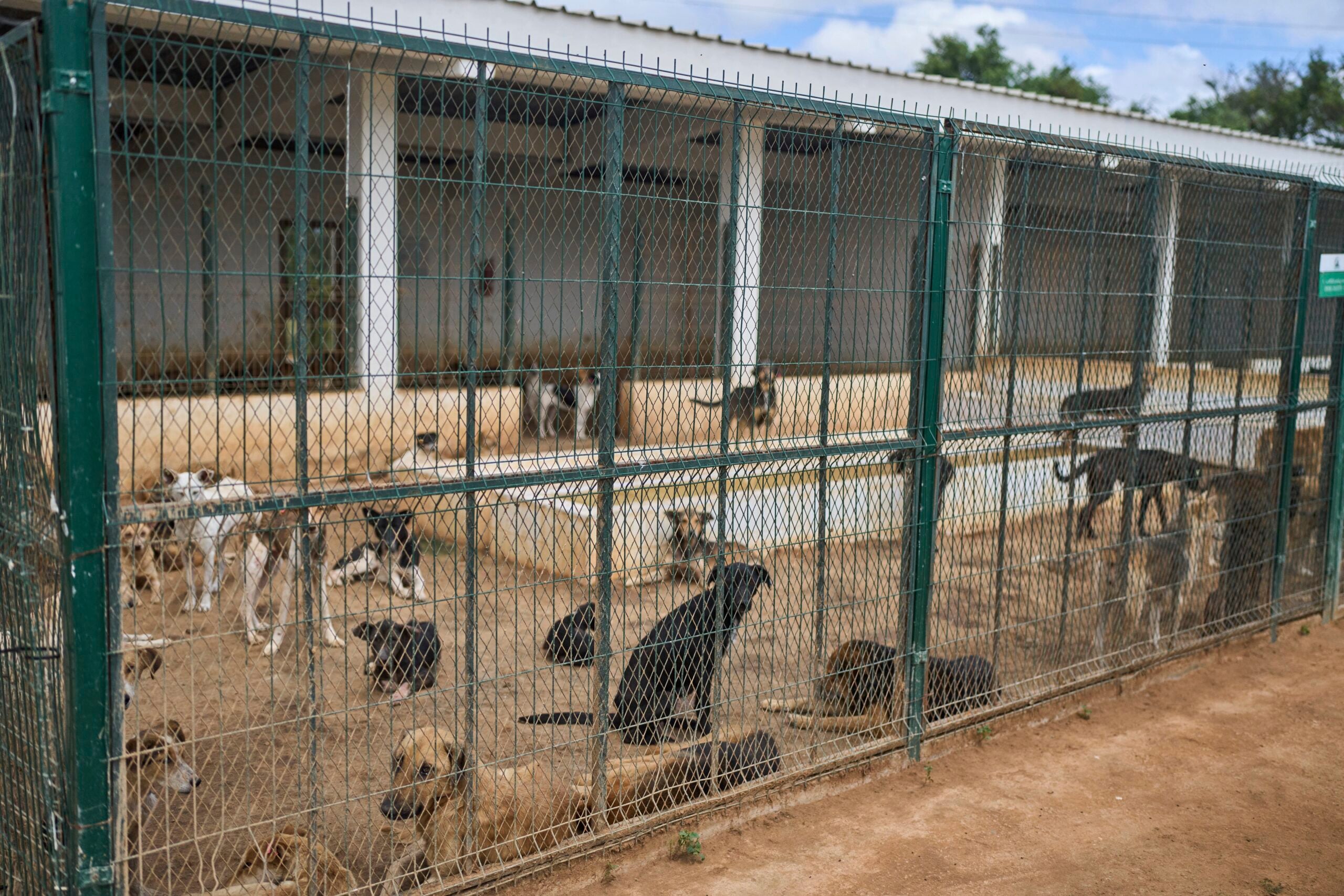
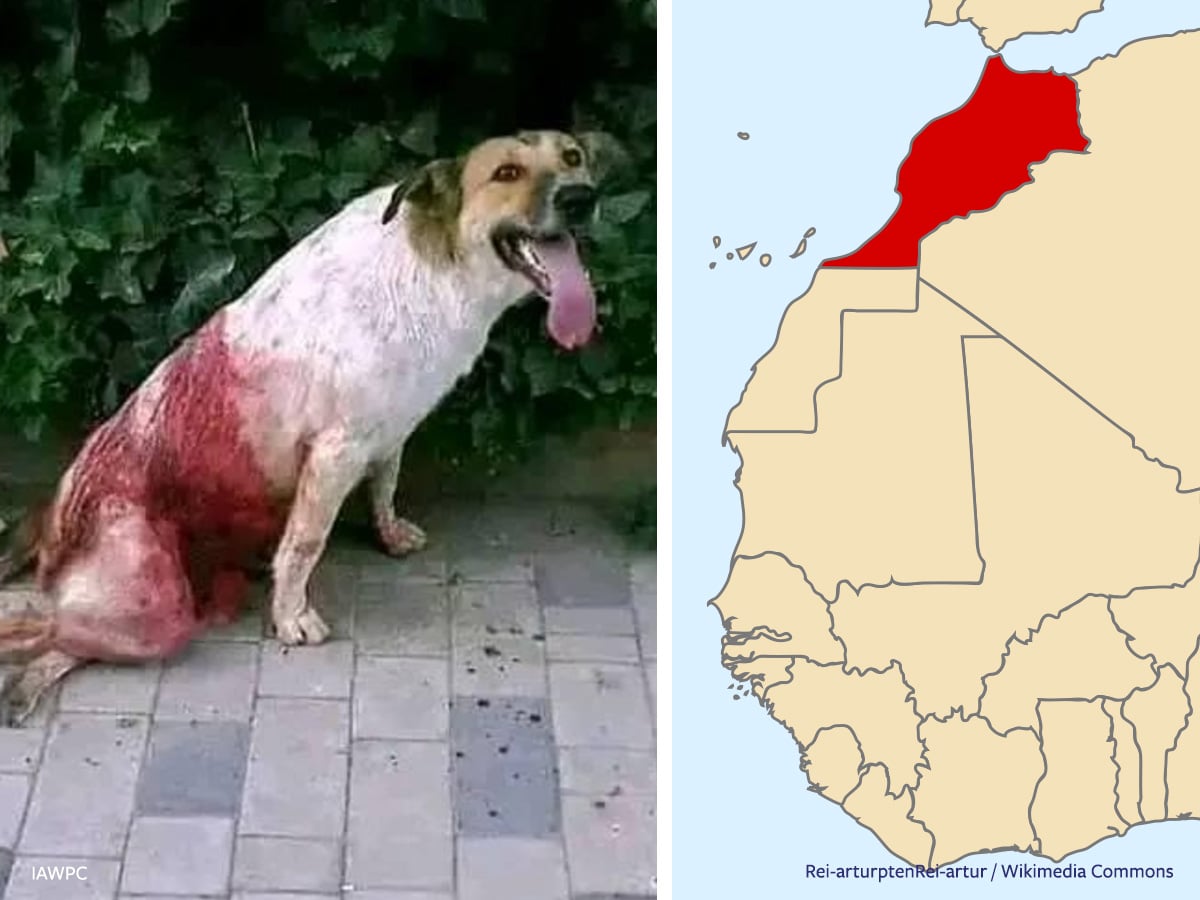
Animal welfare campaigners claim that dogs are often killed at night by individuals armed with rifles. Other dogs are reportedly rounded up and taken to municipal facilities, where activists allege they may be poisoned or disappear.
Some videos verified by media outlets reportedly show dogs being restrained with metal wires and loaded into trucks. Other footage shows animals dragged into municipal vehicles or caught in nets while struggling in distress.
These images have fueled outrage among animal rights groups. They argue that the methods are cruel, dangerous, and unnecessary.
For many critics, the issue is not only whether stray dog populations should be managed. The bigger question is how that management should happen.
Officials Point To Public Health Risks
Moroccan officials have said stray dogs are a serious public health concern. According to the article, one government official said around 100,000 people are bitten every year, with children under 15 making up a large percentage of victims.
Rabies remains a major concern in countries with large populations of unvaccinated stray dogs. From a public health standpoint, governments are under pressure to reduce the risk of bites, infection, and disease transmission.
But critics say public health concerns do not justify inhumane killing. They argue that vaccination and sterilization are more effective long term solutions because they reduce the population gradually while preventing rabies transmission.
This is where Morocco’s official policy becomes important.
Morocco Already Has A Humane Program
In 2019, Morocco introduced a Trap Neuter Vaccinate Release program, often called TNVR. This approach is designed to manage stray dog populations humanely.
Under TNVR, dogs are captured, sterilized, vaccinated, marked, and released. Over time, the number of stray dogs decreases because fewer puppies are born. Vaccination also lowers the risk of rabies.
The program is widely supported by animal welfare experts because it targets the root of the problem rather than simply killing visible dogs.
However, implementation appears uneven. National officials may support humane methods, but municipalities are responsible for managing stray animals. That creates a gap between national policy and local practice.
The Problem Of Local Enforcement
One of the biggest issues is that Morocco’s national government and local municipalities do not always appear aligned.
Officials have acknowledged that some cities still rely on traditional methods. In some cases, this reportedly includes poisoning dogs with strychnine, a substance known for causing severe suffering and banned in many countries.
This legal and administrative gap has allowed different cities to respond differently to the stray dog issue.
Some areas may use vaccination and sterilization programs, while others may continue killing animals because there is no clear national law stopping them.
That lack of consistency has become central to the criticism.
FIFA Faces Growing Pressure
Because Morocco is a future World Cup co-host, FIFA is now facing pressure to respond.
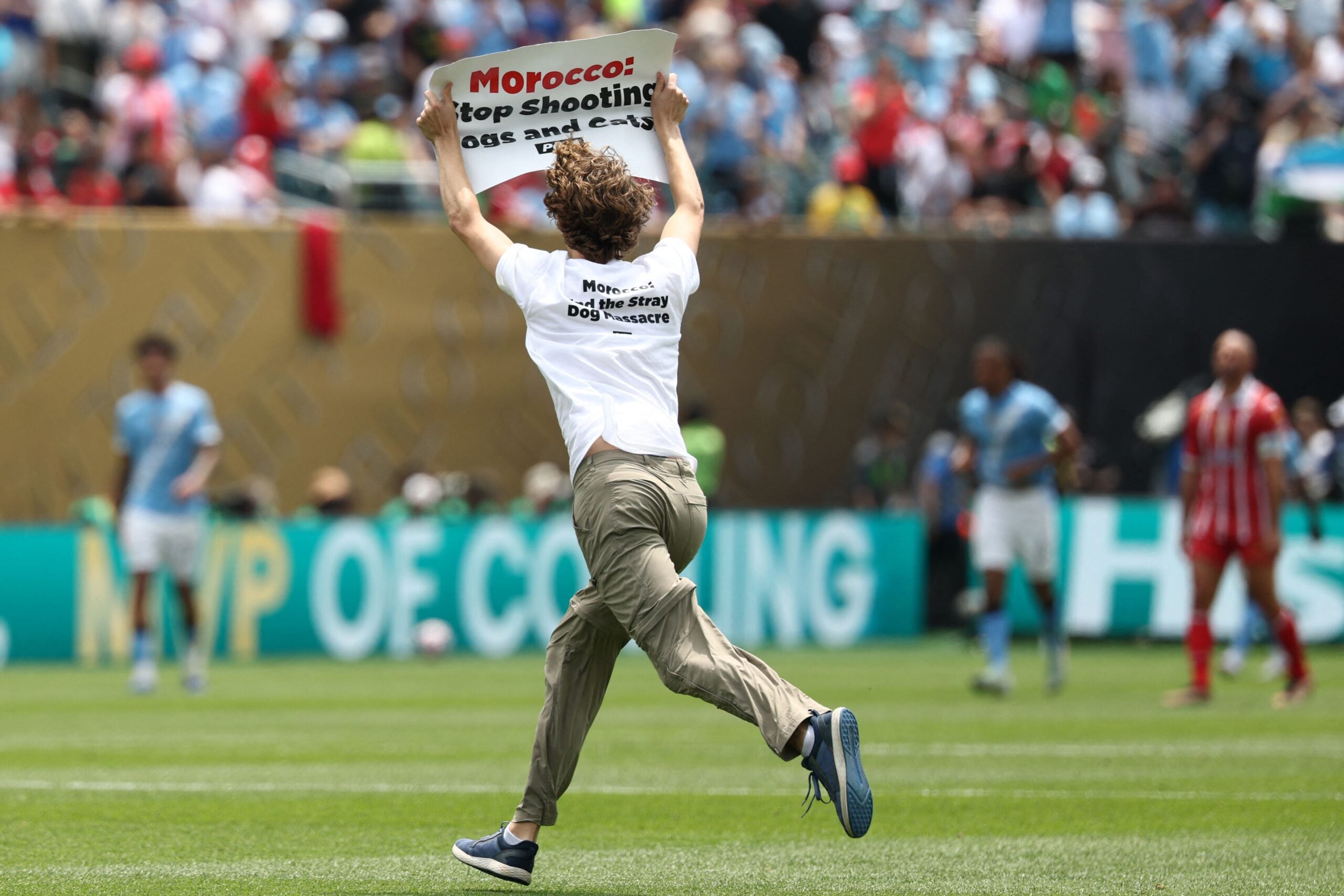
Animal rights organizations have urged FIFA to address the reported killings and ensure that host countries follow animal welfare commitments. Conservationist Jane Goodall and several advocacy groups have raised concerns about what they describe as large scale killings of street dogs linked to tournament preparations.
FIFA has said Morocco’s bid included commitments to protect animal rights and expand support programs for stray dogs. It has also said it is following up with local counterparts.
Still, critics say statements are not enough. They want visible action, stronger monitoring, and clear pressure on local authorities to stop inhumane practices.
A Public Relations Risk For The World Cup
The World Cup is not only a sports event. It is also a global image event.
Host countries often spend years preparing stadiums, roads, hotels, transport systems, and tourism campaigns. They want the world to see them as modern, welcoming, and well organized.
But animal mistreatment can quickly become a public relations crisis.
Images of dogs being shot or dragged into trucks can travel globally within minutes. Celebrities, activists, and football fans can turn a local issue into an international campaign.
That is already happening. Public figures and animal welfare groups have condemned the alleged killings, calling them cruel and unacceptable.
For FIFA and Morocco, the risk is clear. If the issue continues, it could follow the 2030 World Cup campaign all the way to the tournament itself.
Residents Say The Methods Are Becoming Hidden
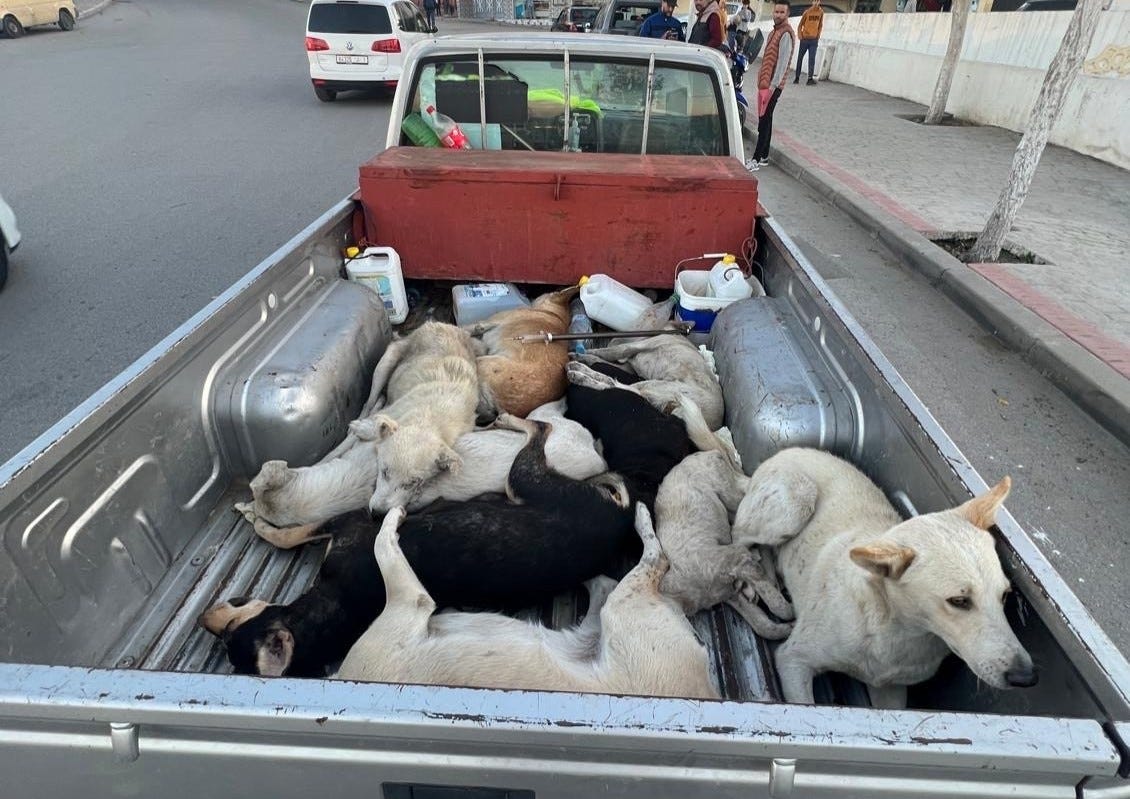
Some residents and activists claim that as international scrutiny has increased, dog catching has become more discreet.
In tourist areas, they say vans that once carried visible cages now operate more quietly. Some witnesses describe unmarked vehicles patrolling streets and removing animals out of public view.
This has deepened distrust among activists.
When authorities say dogs are being relocated or vaccinated, critics ask why so many animals vanish and why videos continue to show rough handling.
The lack of transparency has become part of the problem. Without clear public records, independent monitoring, and humane handling standards, rumors and allegations continue to spread.
The Human Safety Concern
The controversy also includes a serious public safety concern.
One reported incident involved a man who was allegedly struck by bullets while someone was shooting at a stray dog. According to the article, the man said three bullets missed the dog and hit him in the knee and thigh.
This detail changes the debate.
If dogs are being shot in public areas, then humans may also be at risk. Streets, sidewalks, and neighborhoods are not controlled shooting ranges. The danger becomes even greater in cities preparing to host international visitors.
Animal welfare groups argue that street shootings are reckless and unacceptable, regardless of the reason.
Why TNVR Is Seen As The Better Solution
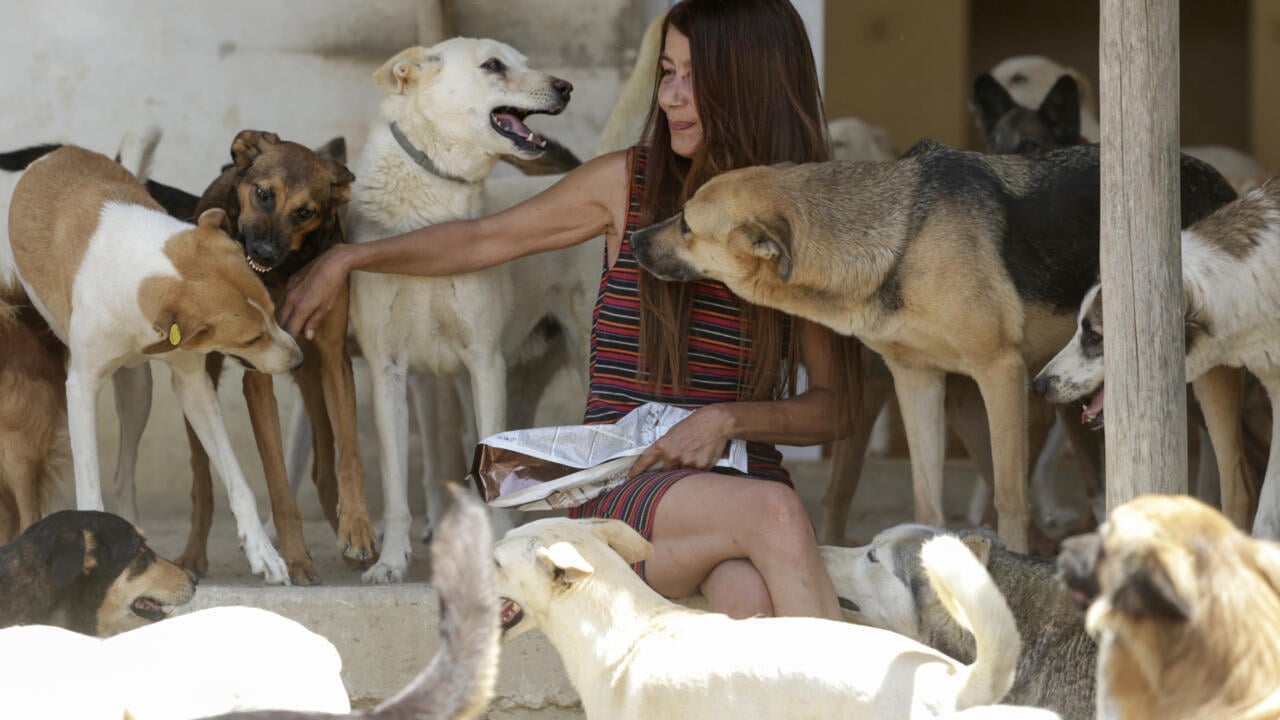
Supporters of TNVR argue that it is more ethical and more effective than killing dogs.
Killing dogs may temporarily reduce the visible population, but it does not solve the source of the problem. New dogs can move into the area, unsterilized animals continue reproducing, and rabies risks remain if vaccination is not widespread.
TNVR, by contrast, works gradually. It reduces births, stabilizes local dog groups, and builds a vaccinated population that is less likely to spread disease.
The challenge is that TNVR requires funding, trained staff, public education, and long term commitment.
It is not as fast as killing, but experts say it is more sustainable.
New Legislation Could Change The Situation
Moroccan officials have reportedly submitted draft legislation requiring municipalities to stop killing stray animals and implement TNVR programs.
If passed and enforced, that law could represent a major shift.
It would move the country away from inconsistent local practices and toward a unified national standard. It could also help Morocco show FIFA, tourists, and animal welfare organizations that it is taking the issue seriously.
But activists remain cautious.
They argue that laws matter only if they are enforced. Without monitoring, penalties, and transparency, municipalities may continue old practices quietly.
A Bigger Question About Global Events
The Morocco stray dog controversy raises a larger question about how countries prepare for global events.
Major tournaments often bring pressure to improve appearances quickly. Cities want cleaner streets, smoother transport, safer tourist zones, and better international headlines.
But critics say public image should never come at the cost of cruelty.
Animals should not be treated as visual problems to erase before cameras arrive. Public health matters, but so does humane treatment.
The 2030 World Cup is still years away, which means Morocco has time to respond differently. It can invest in humane programs, expand vaccination, support shelters, educate communities, and create clear rules for municipalities.
What Happens Next
The issue is now unlikely to disappear.
Animal welfare groups are continuing to document cases. FIFA is under pressure to ensure host commitments are respected. Moroccan officials are discussing new legal measures. Global celebrities and activists are amplifying the story online.
For Morocco, the challenge is urgent but solvable.
The country can protect people from rabies and dog bites without relying on cruelty. The existence of TNVR programs already shows that humane alternatives are possible.
What happens next will determine whether Morocco’s World Cup preparations become remembered for progress or scandal. As the world looks toward 2030, the treatment of stray dogs has become a test of responsibility, compassion, and the true meaning of hosting the world.