
Table of Contents
The 330 Gallons of Sulfuric Acid
The claim involving 330 gallons of sulfuric acid initially surfaced through unverified reports that linked Epstein’s operations to a series of questionable substances. Sulfuric acid, a highly corrosive chemical, has long been used in various industries, including in the manufacturing of certain illegal products and in criminal activities. In the context of Epstein, it was suggested that the sulfuric acid could have been used in an attempt to destroy evidence or hide incriminating materials.
While this claim remains largely speculative, its inclusion in the ongoing investigation into Epstein’s crimes has raised many questions. The idea that such a large quantity of sulfuric acid could be involved in Epstein’s operations immediately raises suspicions about his criminal network’s scale and the lengths they might have gone to in order to cover their tracks.
The connection between Epstein, sulfuric acid, and the destruction of evidence hints at an organized and deliberate effort to conceal illicit activities. While no direct evidence has yet been found to prove that Epstein personally used the acid, the allegation fits within the broader narrative of his efforts to manipulate the justice system and maintain a shield of secrecy around his activities.
Elon Musk’s Response to the Allegations
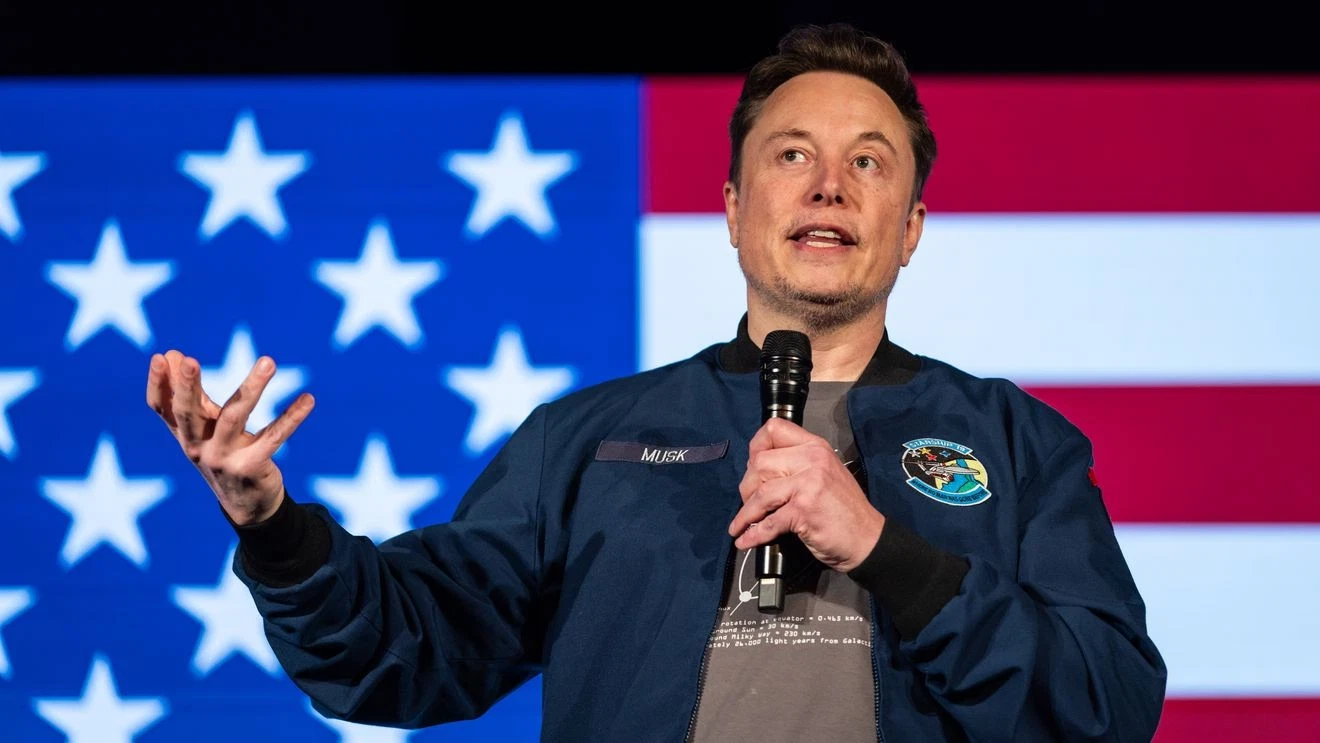
Elon Musk’s response to the sulfuric acid allegations has been nothing short of surprising. Musk, known for his sometimes unpredictable and controversial social media activity, weighed in on the issue through a series of tweets. In his response, Musk seemed to dismiss the claim as an exaggerated rumor, suggesting that the information about sulfuric acid was likely part of the sensationalism surrounding Epstein’s case.
Musk’s involvement in the Epstein case has sparked a wave of curiosity, especially since Musk himself has been linked to several high-profile figures within Epstein’s circle. Some have speculated that Musk’s response may be an attempt to distance himself from the scandal, while others believe he might be speaking out of a genuine desire to clarify his stance on the situation.
In his tweets, Musk claimed that he was not involved in the activities surrounding Epstein and questioned why the issue was being linked to him. Musk’s involvement in the response raises further questions about the role of tech billionaires in the Epstein network and whether their interactions with Epstein might have had more serious implications than originally thought.
Musk’s Connection to Epstein
Musk’s involvement in responding to the Epstein allegations has reignited conversations about his potential connections to the disgraced financier. While Musk has denied any wrongdoing or personal ties to Epstein’s activities, the billionaire’s relationship with other high-profile figures associated with Epstein has sparked speculation.
Epstein’s social network was vast, and it included a number of powerful and influential individuals across various sectors, including business, politics, and entertainment. Musk, as one of the world’s most high-profile entrepreneurs, has been in the same circles as Epstein, particularly through shared business interests and social events. This connection, while never definitively proven to involve any illegal activity, has caused many to question the extent of their interactions and whether Musk was ever directly or indirectly involved in Epstein’s schemes.
The presence of high-profile tech leaders like Musk in Epstein’s orbit raises the question of how deep the ties between Silicon Valley and Epstein’s criminal network may have gone. Musk’s dismissal of the sulfuric acid allegations may be an attempt to shield himself from any potential fallout, but it also serves as a reminder of how interconnected the tech world and Epstein’s network were.
The Ongoing Epstein Investigation
The allegation of sulfuric acid’s involvement in Epstein’s operations raises significant questions about the lengths Epstein and his associates went to in order to hide their criminal activities. This is not the first time that claims of evidence destruction have surfaced in relation to Epstein. Previous reports have suggested that Epstein had a network of people and resources designed to keep his operations hidden from law enforcement.
In addition to the sulfuric acid claim, other allegations have suggested that Epstein may have used various methods, such as hidden rooms and encrypted communications, to avoid detection. The sulfuric acid, if it were indeed used to destroy evidence, fits within this pattern of criminal behavior, where the primary goal was to prevent authorities from obtaining evidence that could have brought him to justice sooner.
The continuing investigation into Epstein’s activities is focused on uncovering as much evidence as possible in order to bring those involved to trial. However, the destruction of evidence presents a major obstacle in solving the case completely. Whether or not the sulfuric acid claim is substantiated, it underscores the degree of effort Epstein and his associates likely took to maintain their secrecy and avoid prosecution.
The Tech World’s Role in Epstein’s Network
The link between Silicon Valley and Epstein’s world has been a point of increasing interest for investigators. Many powerful figures in the tech world, including Musk, have been associated with Epstein in various capacities. Musk, a visionary entrepreneur and the CEO of companies like Tesla and SpaceX, is no stranger to controversy and public scrutiny, but his connection to Epstein has largely remained in the background until recently.
The speculation surrounding Musk’s involvement is amplified by the fact that Epstein’s network included not only politicians and celebrities but also influential business leaders. As the tech industry continues to grow and influence global politics, the question of how tech moguls may have interacted with Epstein or even contributed to his operations remains unanswered.
Epstein’s access to the elite circles of Silicon Valley opens up a broader discussion about the role of the tech industry in fostering or enabling criminal activity. With tech moguls frequently operating behind the scenes, it is not entirely clear how much they may have known about Epstein’s illicit activities or how deeply their interactions went. Musk’s quick dismissal of the sulfuric acid allegations could be a way of distancing himself from this increasingly complex narrative.
The Impact of Musk’s Response
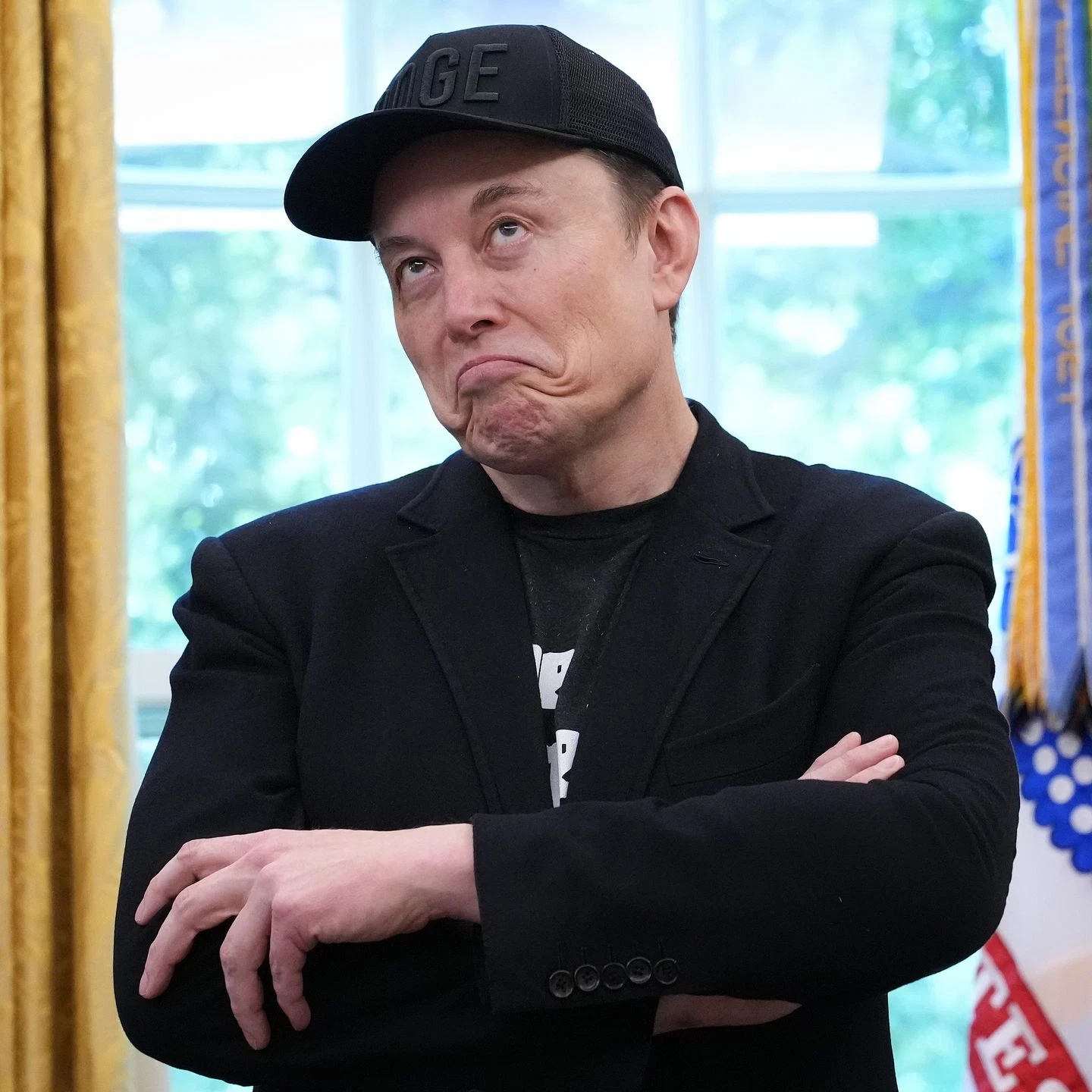
Musk’s response to the sulfuric acid claim has drawn mixed reactions from the public and legal experts alike. For some, Musk’s comments serve as a necessary clarification of his stance on the Epstein case, indicating that he is not involved in any illegal activities related to Epstein. However, for others, Musk’s attempt to downplay the situation may seem like a strategic move to avoid association with Epstein as more details of the investigation come to light.
From a legal perspective, Musk’s comments could be scrutinized as part of the larger investigation into Epstein’s network. While there is currently no evidence linking Musk directly to Epstein’s criminal activities, his public statements may be examined in the context of how individuals involved with Epstein’s network attempt to navigate public perception.
This case highlights the challenges of holding powerful individuals accountable when their actions have the potential to influence public opinion and affect the investigation. Musk’s involvement, however minimal, has created a spotlight on the broader issue of accountability for those who were close to Epstein and could have played a role in enabling his crimes.
What This Means for the Future of the Epstein Investigation
As the Epstein investigation continues, the involvement of high-profile individuals like Musk only complicates the process. The focus remains on finding and prosecuting those who enabled Epstein’s criminal operations, and Musk’s response to the sulfuric acid claim adds another layer of complexity to the investigation.
This incident also highlights the broader issue of how public figures navigate the legal ramifications of being connected to high-profile criminal cases. While Musk’s public distancing from Epstein may help protect his image, it also raises questions about whether others who were linked to Epstein will be similarly able to avoid the full consequences of their involvement.
Moving forward, the Epstein investigation is likely to continue revealing shocking details about the people involved in his network, and Musk’s role in this larger narrative will remain under close scrutiny.
Conclusion:
The connection between Elon Musk, Jeffrey Epstein, and the strange sulfuric acid allegations adds a new chapter to the ongoing Epstein scandal. Musk’s quick response to the allegations may have provided a sense of clarity, but it also raised more questions about the extent of his ties to Epstein and the broader implications of their association.
As investigators continue their search for answers, this case serves as a reminder of the complexities involved in untangling Epstein’s web of connections. Whether or not the sulfuric acid claim proves to be true, it highlights the need for continued vigilance and transparency in high-profile criminal investigations. The impact of Epstein’s crimes will likely continue to resonate for years to come, with questions about accountability and justice still hanging in the balance.