
Table of Contents
- A Sudden Collapse Leads to 24 Minutes Without a Heartbeat
- The Miracle of Survival After 24 Minutes
- What It Felt Like on the Other Side of Life
- The Struggles of Recovering From a Near-Death Experience
- The Science Behind Surviving 24 Minutes Without a Heartbeat
- A Health Crisis Triggered by Myocarditis
- The Emotional Aftermath of Survival
- Rebuilding a Life After Death: A Second Chance
- Changing Priorities and Relationships Post-Survival
- The Ongoing Reflection on Life, Death, and What Truly Matters
A Sudden Collapse Leads to 24 Minutes Without a Heartbeat
On a seemingly ordinary morning in February 2023, Lauren Canaday’s life took an unimaginable turn. While at home in Virginia, she collapsed after uttering a startled expletive, which her husband heard from across the house. By the time he reached her, she was unconscious, not breathing, and her skin had already begun to turn blue. Despite not having performed CPR in years, her husband relied on instinct and the guidance of a 911 operator to perform chest compressions, keeping oxygen flowing to her brain during those critical moments. These actions would prove crucial in her survival.
The Miracle of Survival After 24 Minutes
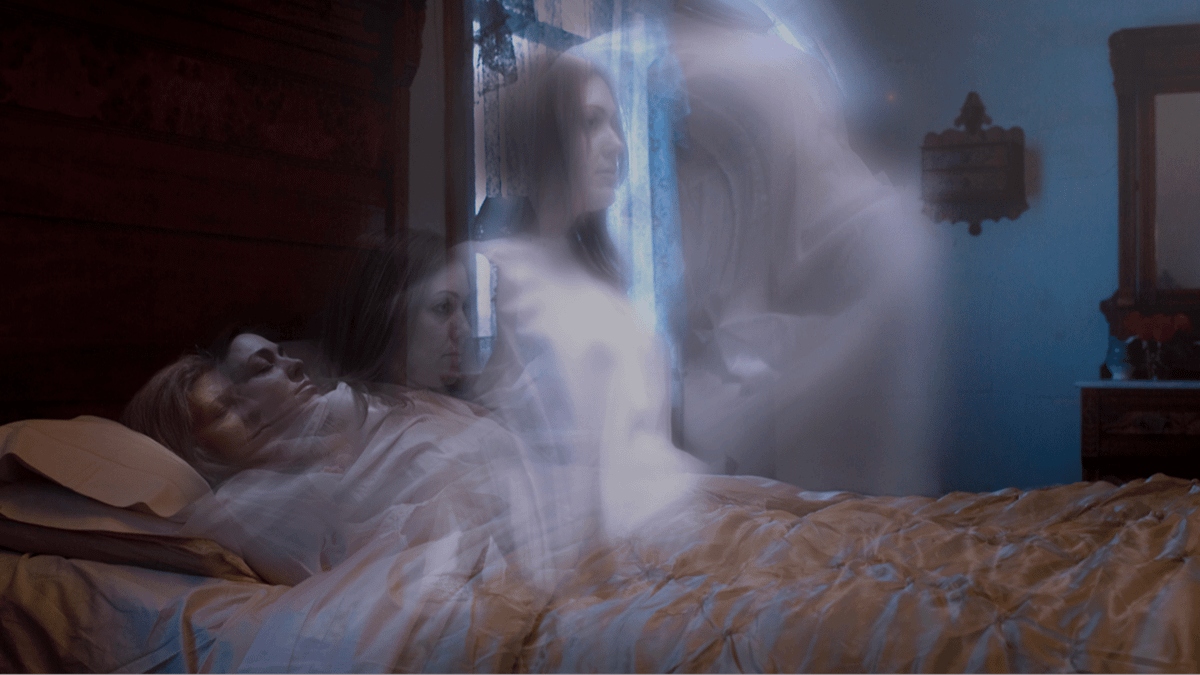
When paramedics arrived, they continued with resuscitation efforts, delivering four defibrillator shocks over the course of 24 minutes. Lauren was clinically dead, yet against all expectations, her heart started beating again. This phenomenon, which doctors refer to as the “Lazarus effect,” is rare—fewer than 20 people globally have survived such prolonged cardiac arrests without suffering severe brain damage. In Lauren’s case, her brain scans showed no visible damage, defying medical expectations and earning her a place in medical history.
What It Felt Like on the Other Side of Life
Lauren’s experience after being brought back to life defies the typical near-death experience stories that many are familiar with. Unlike others who report seeing a tunnel of light or encountering deceased loved ones, Lauren recalls a profound sense of peace. “I feel like I dissolved, and it was just really nice,” she said. This overwhelming tranquility stayed with her, even after she regained consciousness. Her experience was a gentle and serene departure, reshaping her thoughts on life and death.
The Struggles of Recovering From a Near-Death Experience
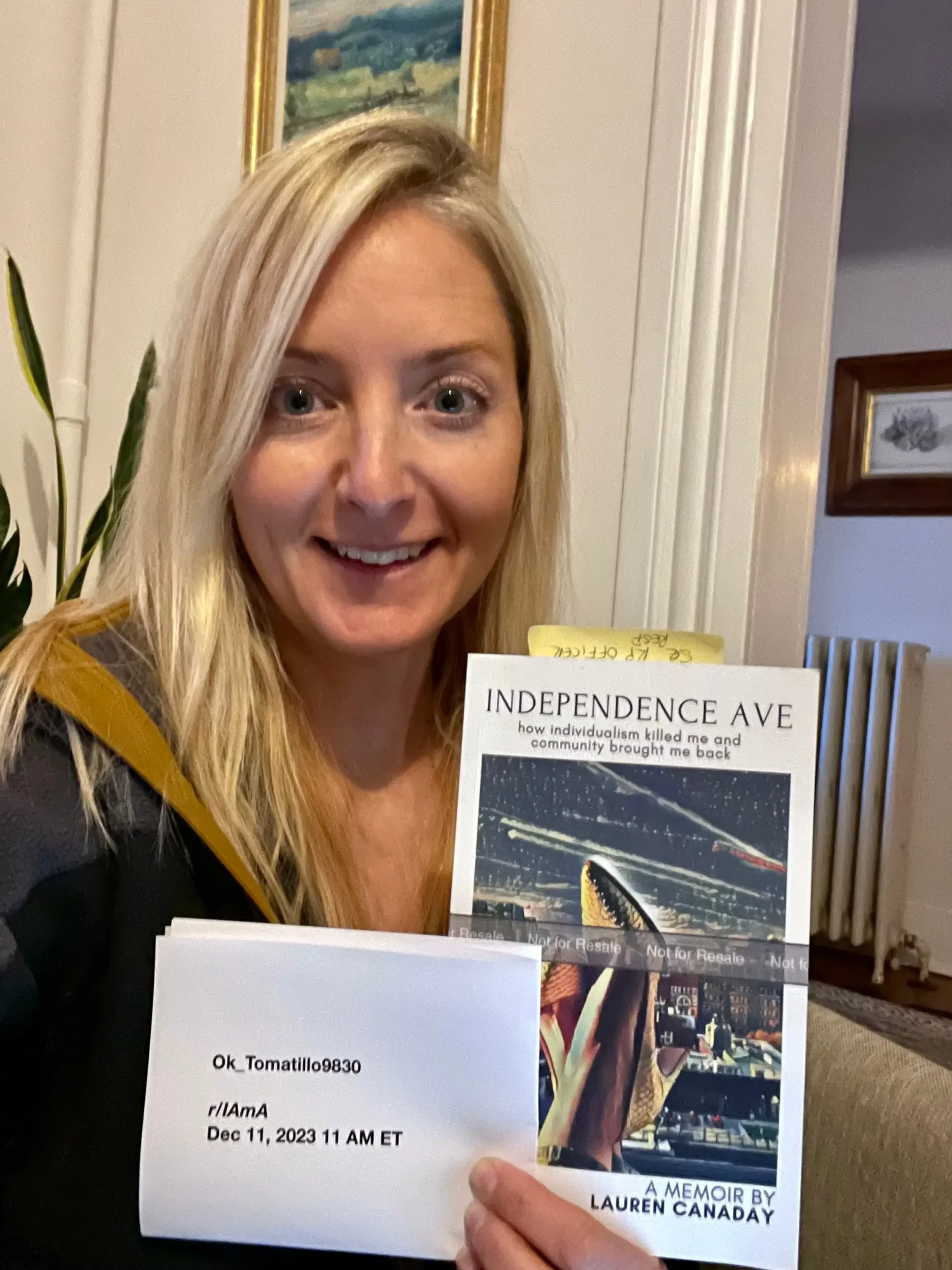
While Lauren’s survival was nothing short of a miracle, the road to recovery wasn’t easy. After spending nine days in critical care, she found herself disoriented, unable to recall what had happened or even the year. Her recovery was complicated by a grand mal seizure that occurred after her resuscitation. Despite these setbacks, her scans revealed no permanent brain damage. Nevertheless, Lauren faced significant emotional challenges, grappling with feelings of confusion, grief, and guilt over her second chance at life.
The Science Behind Surviving 24 Minutes Without a Heartbeat
The odds of surviving such an extended period without a heartbeat are astronomically low. With each minute that passes during cardiac arrest, the brain begins to suffer irreversible damage. After ten minutes without oxygen, the chances of survival with minimal brain injury are nearly zero. The key to Lauren’s survival was the prompt and effective CPR provided by her husband, coupled with the rapid arrival of paramedics. Studies show that immediate bystander CPR can drastically improve the chances of survival in cardiac arrest cases.
A Health Crisis Triggered by Myocarditis
Doctors later identified the cause of Lauren’s cardiac arrest as myocarditis, an inflammation of the heart muscle, often triggered by viral infections like COVID-19. This condition can cause severe arrhythmias that disrupt the heart’s normal rhythm, potentially leading to cardiac arrest. While the diagnosis was a shock, it explained how the seemingly normal day turned into a near-death experience. Myocarditis is known to have a wide range of effects on the heart and can be challenging to diagnose in its early stages.
The Emotional Aftermath of Survival
When Lauren first woke up after being revived, she struggled with emotional turbulence. Her identity felt altered, and she was faced with the emotional weight of surviving something so traumatic. “I was a big pile of emotional human goo,” she said, describing the depth of her feelings. Even though her physical health improved, her psychological well-being took time to heal. Support groups and therapy became vital in her recovery, helping her process the trauma she had experienced.
Rebuilding a Life After Death: A Second Chance
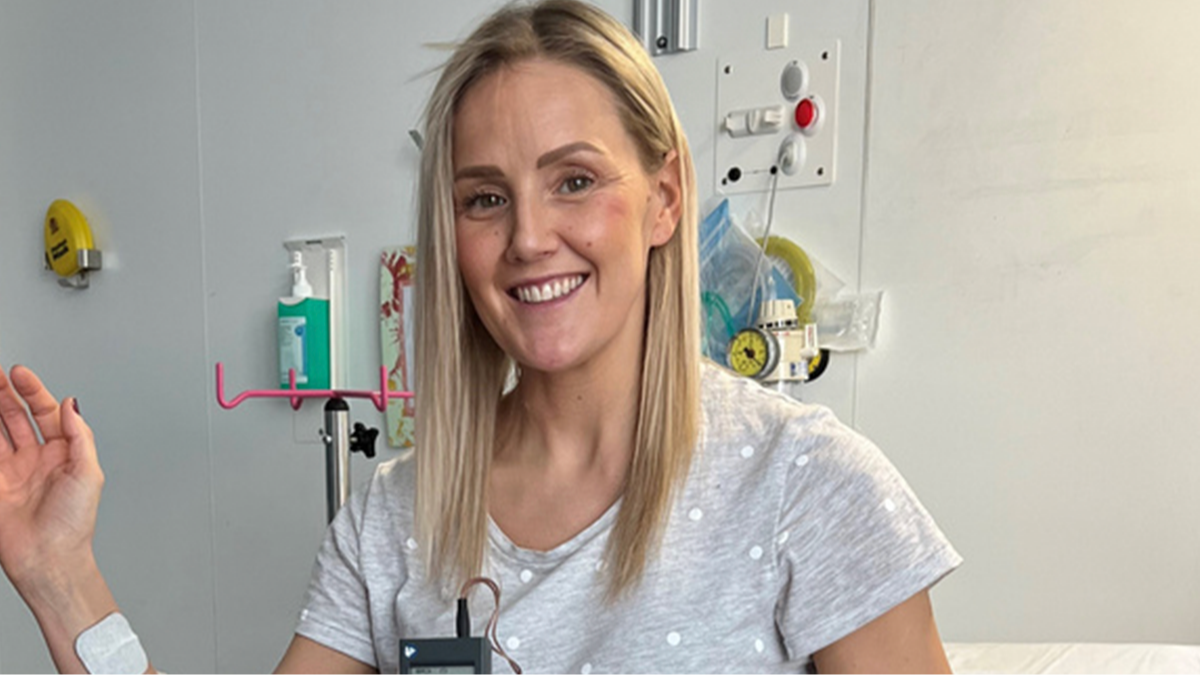
Lauren’s recovery wasn’t just physical; it was deeply personal. The trauma of her near-death experience reshaped her perspective on life. Once consumed by work and the hustle of everyday life, she found herself embracing simplicity and mindfulness. Long walks, meditation, and spending time with loved ones became central to her new routine. Lauren learned to savor the small moments, finding joy in ordinary things that had previously seemed insignificant.
Changing Priorities and Relationships Post-Survival

Her second chance at life also led to shifts in her relationships. Lauren grew closer to her husband, who had saved her life through his swift CPR. The experience also caused her to reevaluate her friendships and social circles. She found new meaning in the connections she made through support groups, where she could share her journey with others who had faced similar challenges. This newfound sense of purpose and connection was a direct result of her brush with death.
The Ongoing Reflection on Life, Death, and What Truly Matters
Today, Lauren sees life differently. Having crossed the threshold between life and death, she no longer fears the end. What she fears instead is the suffering and pain that can accompany life. Her experience reminds us all of the fragility of life and how, often, it’s not the big events that matter most, but the small, quiet moments that define our happiness. Through her story, Lauren invites us to live more intentionally, to focus on what truly matters, and to cherish the time we have.