
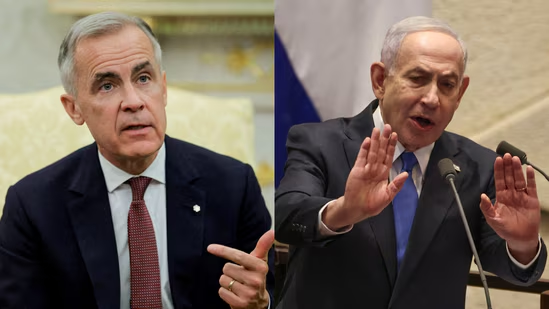
Table of Contents
- The Context of the ICC and ICJ Warrants Against Netanyahu
- Why the Nordic Countries Took This Stand
- The International Implications
- The Reactions from Israel and Its Allies
- The Role of the ICC and ICJ in International Justice
- The Domestic Impact on Israel
- The Future of International Accountability
- Conclusion
The Context of the ICC and ICJ Warrants Against Netanyahu
The arrest warrants for Netanyahu are rooted in accusations of war crimes, particularly related to Israel’s military operations in Palestine. The ICC’s investigation, launched in 2020, focuses on alleged crimes committed during the Israeli military’s operations in Gaza, including the targeting of civilians and the destruction of infrastructure. Meanwhile, the ICJ has been involved in cases relating to the Israeli occupation of Palestinian territories and its adherence to international law.
Netanyahu, as the leader of Israel during these operations, faces charges related to actions that many international organizations and human rights groups argue violated international humanitarian law. Despite the warrants, Israel has repeatedly rejected the ICC’s jurisdiction, claiming that the court is politically motivated and that it has the right to defend itself against threats posed by groups like Hamas.
The announcement by the five Nordic countries to uphold these warrants adds a new dimension to the debate, highlighting the tensions between global justice and national sovereignty. These nations, all members of the European Union, have taken a stand in favor of international law, asserting that those accused of war crimes must be held accountable, regardless of their position in government.
Why the Nordic Countries Took This Stand

The Nordic countries have long been advocates for human rights, international law, and accountability. Their collective decision to threaten the arrest of Netanyahu is consistent with their historical stance on upholding the principles of justice, especially in cases involving war crimes and human rights violations. These countries have been vocal supporters of the ICC and the ICJ, and their announcement is a direct response to Israel’s consistent rejection of these institutions’ authority.
Norway, in particular, has been at the forefront of human rights advocacy in global diplomacy. Iceland and Sweden, too, have consistently supported international legal frameworks aimed at protecting human rights. By announcing their willingness to arrest Netanyahu, these nations are sending a clear message that international laws governing war crimes and human rights violations should apply to all, regardless of political or military power.
Additionally, the Nordic countries have made it clear that they believe the ICC and ICJ play a vital role in preventing impunity for those accused of crimes that shock the conscience of humanity. The decision to uphold the warrants underscores their commitment to a legal system that holds individuals accountable for actions that affect global peace and stability.
The International Implications
The announcement of arrest threats against Netanyahu has far-reaching implications for international diplomacy. Israel’s longstanding refusal to cooperate with the ICC has raised tensions not only with European countries but also with the broader international community. The European Union, in particular, faces a challenge in balancing its relationship with Israel while supporting the ICC’s efforts to ensure accountability.
The Nordic countries’ stance could strain relations between the European Union and Israel, especially as Israel has expressed outrage over the court’s investigation into its military actions. In addition, this move could create a diplomatic rift within the EU, with some nations supporting the Nordic countries’ decision to uphold the warrants, while others, particularly those with close ties to Israel, may oppose it.
The possibility of arresting a sitting world leader also raises the stakes for the future of the ICC and ICJ. While the warrants represent a victory for international justice, their enforcement could challenge the effectiveness of these institutions in cases involving powerful political figures. Countries like Israel and the United States, which have not ratified the Rome Statute that governs the ICC, may resist the court’s authority, thereby complicating efforts to prosecute individuals like Netanyahu.
The Reactions from Israel and Its Allies
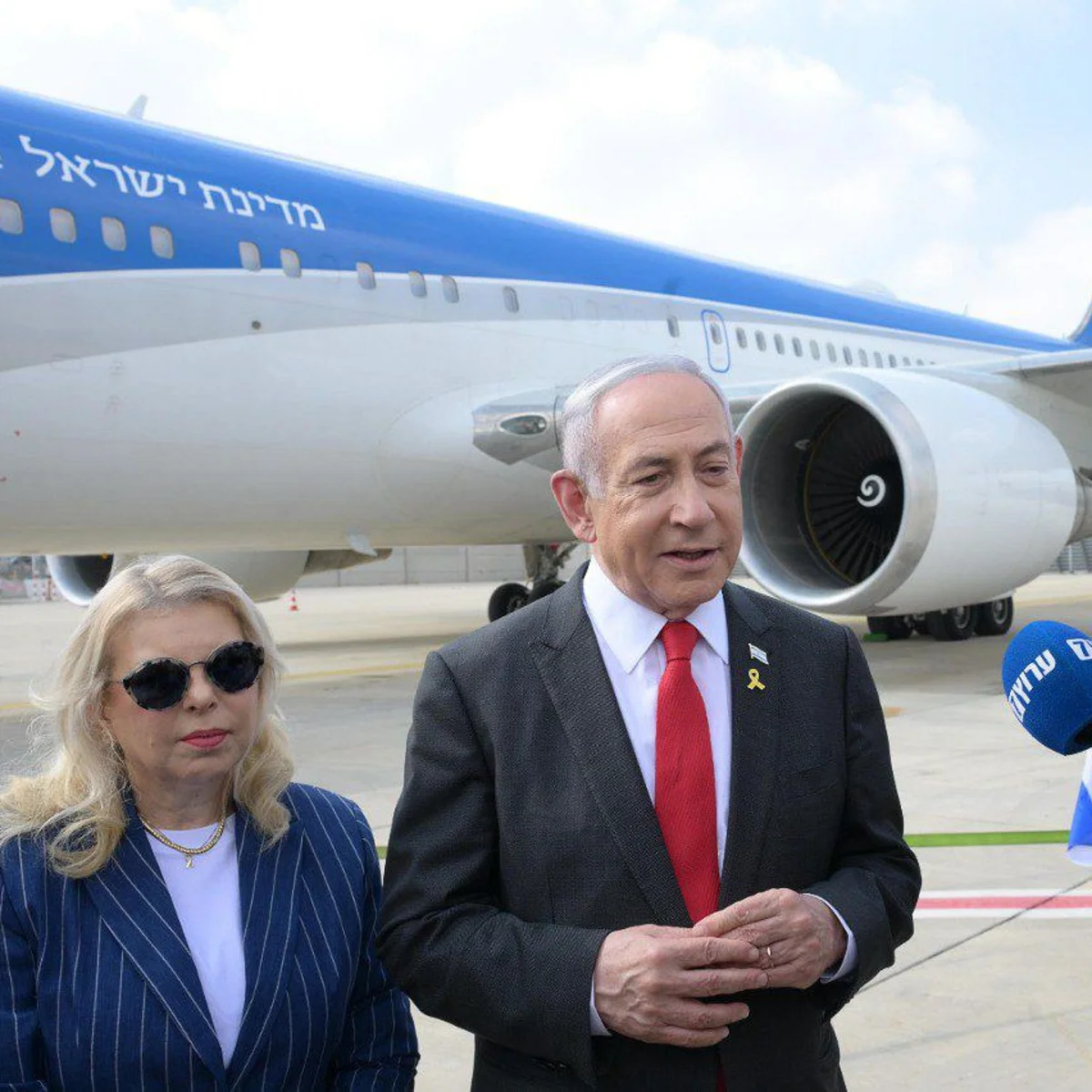
Israel’s reaction to the Nordic countries’ stance was swift and harsh. The Israeli government has repeatedly stated that it will not recognize the authority of the ICC or ICJ in matters related to its military operations. Netanyahu himself has denounced the ICC’s investigation and rejected the notion that Israel should be held accountable for actions taken during its defense against Hamas and other militant groups.
In response to the threat of arrest, Israel has warned that any attempt to detain Netanyahu would have serious diplomatic repercussions. Israel’s supporters, particularly in the United States, have also voiced concerns about the implications of such actions. U.S. politicians have argued that the ICC’s pursuit of Netanyahu is part of a broader, politically motivated agenda against Israel and its right to self-defense.
Israel’s opposition to the ICC has led to a broader debate about the limits of international law. While Israel maintains that the ICC oversteps its bounds, advocates for international justice argue that war crimes and crimes against humanity must be prosecuted regardless of the political status of the accused.
The Role of the ICC and ICJ in International Justice
The ICC and ICJ are crucial institutions in the fight against impunity and for upholding international law. The ICC was established to prosecute individuals for war crimes, crimes against humanity, and genocide, while the ICJ settles disputes between states and gives advisory opinions on legal questions. Both institutions play key roles in promoting accountability and ensuring that the global community adheres to the principles of human rights and justice.
However, the effectiveness of these institutions is often challenged by powerful nations that refuse to recognize their authority. Countries like the U.S. and Israel, which are not parties to the Rome Statute that created the ICC, often resist its efforts to investigate their actions. The Nordic countries’ commitment to enforcing the warrants against Netanyahu represents a challenge to this resistance, reinforcing the idea that justice should not be determined by a nation’s political influence.
The situation raises important questions about the future of international justice: How can the ICC and ICJ enforce their rulings when powerful nations refuse to cooperate? What are the consequences for global peace and stability when nations selectively adhere to international legal norms?
The Domestic Impact on Israel

Within Israel, the threat of arrest has sparked a political storm. Netanyahu’s government, which has long positioned itself as a defender of Israel’s sovereignty and military actions, faces growing pressure from its own citizens and political opponents. Critics of Netanyahu’s policies argue that the government’s rejection of international law is damaging Israel’s reputation on the world stage and harming its diplomatic relationships.
While Netanyahu continues to assert that Israel has the right to protect itself, especially in the face of threats from groups like Hamas, the legal and diplomatic fallout from the ICC and ICJ’s actions presents significant challenges. The domestic debate over Israel’s relationship with the ICC could shape future political discourse and influence the direction of Israeli foreign policy.
The Future of International Accountability
As the threat of arrest against Netanyahu looms, the situation brings attention to the ongoing struggle for global accountability. While the Nordic countries’ stance on enforcing ICC and ICJ warrants is a strong step toward justice, the question remains: Will other nations follow suit, or will powerful states continue to resist international legal efforts?
The future of international accountability depends on the continued support for institutions like the ICC and ICJ. If smaller nations like the Nordic countries continue to take bold actions, it could signal a shift toward greater enforcement of international law. However, for true progress to be made, broader cooperation between powerful states and international courts is necessary.
The arrest of a sitting leader, such as Netanyahu, would set a precedent for international accountability. While this could further the cause of justice, it may also deepen geopolitical divides and raise questions about the power of international institutions to influence global affairs.
Conclusion
The threat of arrest against Netanyahu represents a pivotal moment in the ongoing struggle for international justice. By aligning themselves with the ICC and ICJ, the Nordic countries have demonstrated a commitment to holding powerful leaders accountable for their actions. This move, while significant, also raises important questions about the future of global diplomacy, the enforcement of international law, and the balance of power in international relations.
As the situation unfolds, the international community will continue to grapple with the implications of this decision. Will more countries follow the Nordic countries’ lead in enforcing ICC and ICJ warrants? And what does this mean for the future of international justice? The answers to these questions will shape the direction of global accountability for years to come.