

Table of Contents
- The Dangers of Leaving Dogs in Hot Cars
- Why the New Laws Were Introduced
- What the New Penalties Include
- The Role of Animal Welfare Groups in Advocacy
- The Importance of Education in Preventing Animal Suffering
- How Law Enforcement Will Enforce These Laws
- Public Reactions to the New Laws
- What Pet Owners Need to Know
- Future Implications for Animal Welfare in Australia
- Conclusion
The Dangers of Leaving Dogs in Hot Cars
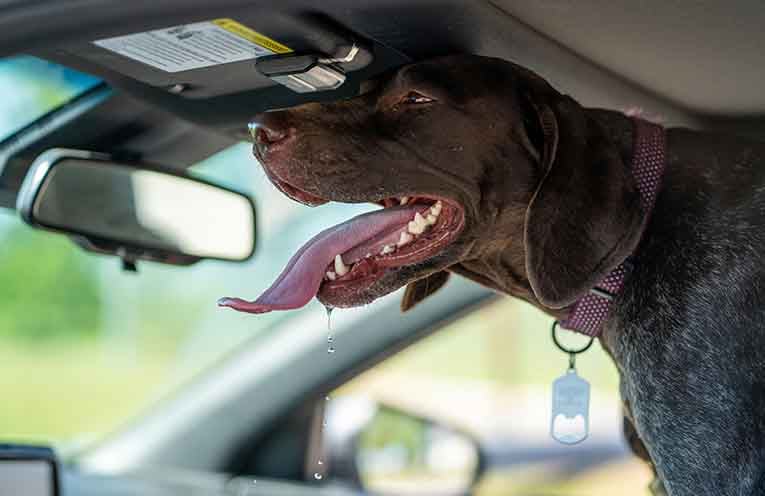
Leaving a dog in a hot car is a dangerous practice that can lead to dire consequences. In fact, even on relatively mild days, the temperature inside a parked car can rise to deadly levels within minutes. On a 25°C day, the temperature inside a car can soar to 50°C or more within just half an hour, even with the windows slightly open. Dogs, unlike humans, do not sweat through their skin and can only cool themselves by panting, which becomes ineffective in a hot environment. This often leads to heatstroke, a potentially fatal condition where the dog’s body temperature rises to dangerous levels. In many cases, leaving a dog in a hot car for just a short period can result in severe brain damage, organ failure, or death.
As awareness of these dangers has grown, animal rights advocates have pushed for stronger legal measures to protect pets. The introduction of new laws in New South Wales is a direct response to these concerns, aiming to hold pet owners accountable for their actions.
Why the New Laws Were Introduced

The introduction of prison sentences and fines for leaving dogs in hot cars comes after years of growing public outcry and tragic incidents. Each summer, news reports surface of dogs suffering or dying after being left in hot cars, often as a result of well-meaning but negligent pet owners. The new legislation is part of a broader effort to improve animal welfare and ensure that pets are treated with the respect and care they deserve.
Before these new laws, penalties for leaving animals in dangerous situations like hot cars were limited and often insufficient. The changes now allow authorities to impose heavier fines and even jail time, reflecting the seriousness of the issue and the need for deterrence. The aim is to prevent future incidents and provide a clear message to pet owners that leaving animals in perilous conditions will have serious legal consequences.
What the New Penalties Include
Under the revised laws, pet owners who leave their dogs in hot cars can face substantial fines and, in the most severe cases, prison sentences. The penalties are designed to be both punitive and preventative, ensuring that pet owners take responsibility for their animals’ safety and well-being.
For those convicted of leaving a dog in a hot car, fines can reach up to $22,000. In addition, individuals may face up to six months in jail, particularly if the dog suffers from heatstroke or dies as a result of being left unattended. These new penalties aim to make pet owners think twice before engaging in behavior that could endanger their animals. Moreover, the law provides a framework for authorities to act swiftly, ensuring that animals are rescued in a timely manner when left in dangerous situations.
The Role of Animal Welfare Groups in Advocacy
Animal welfare organizations have been instrumental in advocating for the introduction of these new laws. Groups like the RSPCA and Animal Liberation NSW have been vocal in raising awareness about the risks of leaving animals in hot cars. These organizations have long called for stronger penalties to discourage pet owners from engaging in dangerous behavior.
The new laws are a significant victory for these groups, who have worked tirelessly to educate the public about the dangers of leaving dogs in hot cars and other forms of animal neglect. Their efforts to promote responsible pet ownership and animal rights have played a key role in shaping the legislative changes now being implemented in New South Wales.
The Importance of Education in Preventing Animal Suffering
While the new laws are an important step forward, animal welfare experts emphasize that education remains crucial in preventing animal suffering. Many pet owners may not be aware of how quickly a car can become an oven for a dog on a warm day. Outreach programs, public service announcements, and social media campaigns can help spread awareness and provide clear guidance on the dangers of leaving pets in hot cars.
Local authorities and animal welfare groups are already planning educational campaigns to complement the legal changes. These initiatives aim to inform the public about the risks of leaving pets in hot vehicles and provide tips on how to keep animals safe, particularly during the hot summer months. By combining legal action with education, the hope is to reduce incidents of heat-related animal injuries and deaths.
How Law Enforcement Will Enforce These Laws

With the introduction of the new laws, law enforcement agencies now have the authority to take action against individuals who leave their pets in hot cars. The laws empower officers to intervene more quickly and decisively when they encounter animals in distress. In some cases, officers may even be allowed to break into a vehicle to rescue a pet if it is deemed to be in immediate danger.
Authorities will also work closely with animal welfare organizations to monitor and respond to reports of animals left in hot cars. Public tips and reports from concerned citizens will play a vital role in helping authorities identify potential violations and take swift action.
Public Reactions to the New Laws
The new laws have sparked widespread discussion across New South Wales. Many members of the public have expressed support for the changes, praising the government for taking a stand on animal welfare. Pet owners, in particular, have welcomed the laws as a step toward ensuring that animals are protected from avoidable harm.
However, some critics argue that the laws may be too harsh and could lead to unnecessary criminal charges in certain cases. While these concerns have been raised, the overwhelming consensus is that the legislation is a necessary and overdue measure to safeguard pets from preventable suffering.
What Pet Owners Need to Know
For pet owners, the key takeaway from the new laws is clear: don’t leave your dog in a hot car. While the new laws impose penalties for those who disregard this rule, they also serve as a reminder that pet ownership comes with responsibility. Keeping pets safe from extreme heat, dehydration, and other dangers is part of being a responsible owner.
Pet owners should always ensure that their dogs are in a safe environment, particularly during the summer months. If you need to run errands or travel, consider leaving your dog at home in a cool, shaded area, or take them with you inside stores or establishments that allow pets. Additionally, always carry water for your pet when traveling, and never leave them alone in a parked car.
Future Implications for Animal Welfare in Australia
The new laws are a step toward broader animal welfare reforms in Australia. As public awareness grows and more states introduce similar legislation, it’s likely that the issue of animal neglect will continue to gain attention. The hope is that this legislative change will set a precedent for other regions, prompting lawmakers across the country to adopt stronger animal protection laws.
In the future, we may see more proactive measures, such as mandatory education for pet owners on the risks of heatstroke and other common pet injuries. Additionally, further advancements in animal welfare law could lead to more comprehensive regulations that cover all aspects of pet care.
Conclusion
In conclusion, the introduction of these new laws in New South Wales marks a significant victory for animal welfare. By imposing serious penalties for leaving dogs in hot cars, the government is sending a strong message that animal cruelty will not be tolerated. As we move forward, it is crucial that pet owners, law enforcement, and animal welfare groups work together to ensure that animals are protected from harm and that the message of responsible pet ownership is heard loud and clear.
These changes not only save lives but also help shape a future where pets are treated with the respect they deserve. While the laws are a critical tool in preventing animal suffering, ongoing education and awareness will be the key to long-term success.