
Table of Contents
- The Significance of the Obama-Trump Oral History Project
- Hope, Change, and Challenges
- Populism, Polarization, and Political Disruption
- The Political Divide
- The Future of U.S. Politics: Lessons from Obama and Trump
- The Role of the Oral History Project in Understanding Political Legacies
- The Growing Influence of Political Oral Histories
- Conclusion
The Significance of the Obama-Trump Oral History Project
The oral history project, an extensive compilation of interviews with both key figures and their closest associates, offers a unique opportunity to reflect on the political trajectories of Barack Obama and Donald Trump. Despite their vastly different approaches to governance, these two men defined the course of U.S. politics over the last two decades. From Obama’s eight years in office, which saw transformative policies and the aftermath of the Great Recession, to Trump’s tumultuous presidency that tested the boundaries of political discourse and governance, the oral history project paints a vivid picture of their presidencies.
In the project, former aides, advisors, and even the presidents themselves provide firsthand accounts of the inner workings of their administrations, shedding light on critical moments in U.S. history. By documenting these personal recollections, the project allows Americans to see the complexities and human elements behind the decisions that shaped the nation. It highlights not just the political moves, but the behind-the-scenes struggles, motivations, and conflicts that often go unnoticed in the public eye.
The significance of this oral history lies in its exploration of the personal dimensions of U.S. politics, providing a more nuanced understanding of two leaders who have left an indelible mark on the country. For future generations, this oral history may serve as an important historical document that will help contextualize and analyze the events that shaped modern America.
Hope, Change, and Challenges
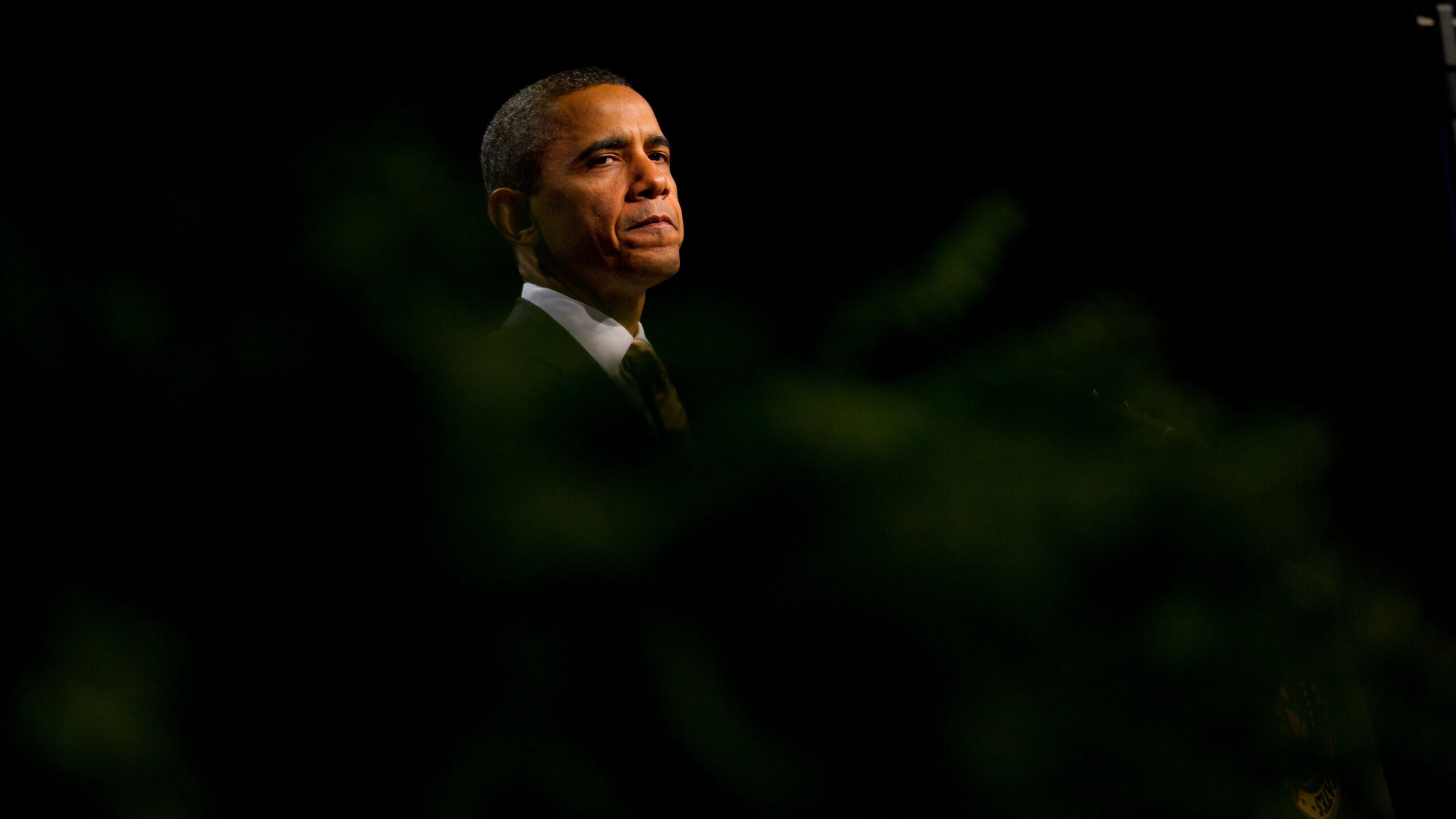
Barack Obama’s presidency was marked by a message of hope and change, with a promise to unite a divided nation and heal the wounds of years of war and economic collapse. His signature achievements, such as the Affordable Care Act and the killing of Osama bin Laden, defined much of his first term. However, the oral history reveals that Obama’s presidency was far from a smooth ride. His administration faced unprecedented opposition from the Republican Party, which took control of the House of Representatives in 2010 and engaged in constant battles over his policies.
Obama himself reflects on the challenges he faced during his presidency, particularly the polarized political environment and the difficulties in achieving bipartisan cooperation. The oral history offers a candid look at his struggles with both Congress and the American people as he worked to push forward a progressive agenda. It’s clear from the recollections in the project that Obama faced constant pressure to deliver on his promises while navigating the complexities of an increasingly divided country.
Yet, despite the resistance, Obama’s legacy remains powerful, especially in areas such as healthcare reform, the response to the 2008 financial crisis, and his foreign policy initiatives. His ability to inspire and communicate with the American public, especially during moments of national crisis, was a defining characteristic of his presidency. The oral history captures the human side of Obama, portraying him as both a visionary leader and a pragmatist dealing with the harsh realities of American politics.
Populism, Polarization, and Political Disruption
Donald Trump’s presidency, which followed Obama’s eight years in office, represented a dramatic shift in U.S. politics. His populist rise, largely driven by his outsider status and direct appeal to working-class Americans, marked a significant break from traditional political norms. In the oral history project, Trump and his closest aides discuss the reasons behind his unlikely victory in 2016, including his ability to harness the anger and frustration of voters who felt alienated by the political establishment.
Trump’s presidency, marked by a focus on “America First” policies, deeply divided the nation. His administration’s approach to immigration, trade, and foreign relations led to fierce debates about his handling of national issues and international diplomacy. The oral history highlights Trump’s tendency to challenge the political establishment, which was both a source of his appeal to his base and a cause of his fractious relationship with Washington elites.
Trump’s administration was defined by constant controversy, from the Russia investigation to his impeachment, and ultimately, his handling of the COVID-19 pandemic. His leadership style, often characterized by blunt rhetoric and frequent confrontations with the media, earned him both fierce supporters and vehement critics. The oral history explores the impact of his unorthodox approach to governance, showing how he reshaped the Republican Party and the nation’s political discourse.
For Trump, the oral history reveals the personal motivations that fueled his political ambitions. Many of his decisions, including his handling of key events, were shaped by his desire to challenge the political establishment and maintain power. His presidency not only altered U.S. politics but also introduced new levels of polarization and debate.
The Political Divide
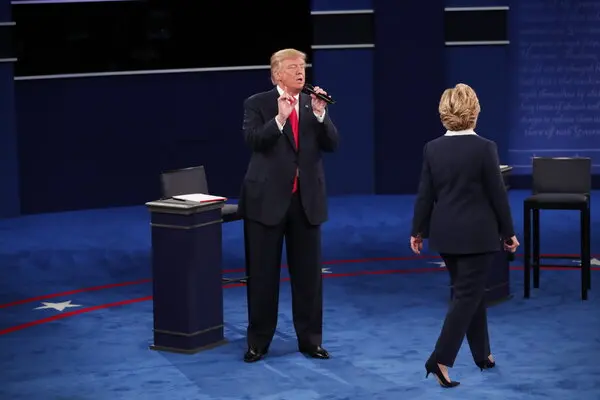
The contrasts between Obama and Trump’s presidencies are striking, and the oral history project highlights this division in American politics. While Obama sought unity and often positioned himself as a bridge-builder, Trump’s political identity was built on division and confrontation. Obama’s efforts to work with both sides of the aisle were often stymied by Republican opposition, whereas Trump’s approach was more focused on galvanizing his base and attacking political adversaries.
This divide was further entrenched by Trump’s rhetoric, which frequently mocked Obama’s policies and leadership style. For Trump, much of his appeal lay in his rejection of Obama’s legacy, particularly in areas like healthcare, trade, and immigration. Trump’s sharp criticism of Obama’s handling of key issues—such as the Iran nuclear deal and the Paris climate agreement—highlighted the sharp ideological contrast between the two leaders.
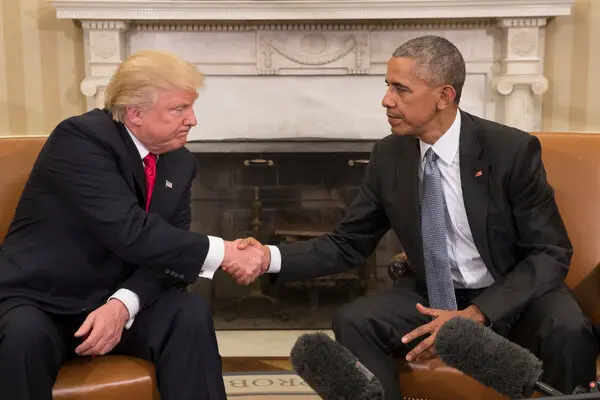
The oral history project offers a detailed look at how these two leaders viewed each other’s presidencies, revealing the personal and ideological animosity that defined much of the political landscape during the Trump years. Both men, despite their differences, played pivotal roles in shaping the trajectory of American politics, with their contrasting approaches to governance setting the stage for the current political climate.
The Future of U.S. Politics: Lessons from Obama and Trump
Looking ahead, the oral history project raises important questions about the future of U.S. politics and the lessons that can be drawn from the Obama and Trump presidencies. One key takeaway is the deepening political polarization in America. Obama’s presidency demonstrated the challenges of trying to build consensus in a politically fragmented environment, while Trump’s time in office highlighted the ways in which populist rhetoric can deepen those divisions.
Another important lesson is the impact of leadership styles on the nation’s political climate. Obama’s measured, diplomatic approach contrasted with Trump’s brash, combative style. Each had their own successes and failures, but both shaped the political discourse in ways that will be felt for years to come. The oral history project offers a unique lens through which to view the evolving nature of U.S. politics, showing how the legacies of both presidents continue to influence the national conversation.
The Role of the Oral History Project in Understanding Political Legacies
The oral history project serves as a critical resource for understanding the nuances of U.S. politics during the Obama and Trump eras. By documenting firsthand accounts from both leaders and their associates, the project offers a deeper understanding of the decision-making processes, motivations, and challenges that defined their presidencies. It also provides insight into the personal dynamics between Obama and Trump, shedding light on how these two figures influenced each other’s political careers.
As future generations study the political history of the United States, this oral history project will likely be an invaluable tool for understanding the complexities of the Obama and Trump presidencies. The project helps to humanize these larger-than-life figures, allowing Americans to gain a more complete picture of their leadership and the impact they had on the country.
The Growing Influence of Political Oral Histories
The Obama and Trump oral history project is part of a growing trend in which political figures and historians turn to oral histories to preserve firsthand accounts of pivotal moments in history. As time passes, these projects become increasingly valuable in providing future generations with a more intimate understanding of historical events. Oral histories allow for a more personal and nuanced view of politics, one that goes beyond the written word and offers insights into the human experience behind political decisions.
Given the contentious nature of the Obama and Trump presidencies, this oral history project has the potential to become a key reference point for those studying the political divide in the U.S. It will serve as a valuable tool for understanding how American politics evolved in the 21st century and the lasting impact of these two presidents.
Conclusion
The Obama and Trump oral history project provides an invaluable resource for understanding the political forces that have shaped the U.S. over the last two decades. By offering a candid, in-depth look at the challenges and decisions faced by both leaders, it sheds light on the complexities of American governance and the deep divisions that define the current political climate.
While Obama and Trump had starkly different approaches to leadership, their presidencies have one thing in common: they each left an indelible mark on the nation’s political trajectory. The oral history project serves as a reminder of the power of personal experience in shaping political legacies and provides a crucial tool for understanding the past as the U.S. looks ahead to the future.