
Table of Contents
- The Controversy of Octopus Farming
- The Ethical and Environmental Case Against Octopus Farming
- Governor Newsom’s Stance on Animal Welfare
- The Impact of the Bill on the Aquaculture Industry
- Global Reactions and the Future of Octopus Farming
- California’s Role as a Leader in Animal Welfare
- The Long-Term Implications of the Ban
- Moving Towards a More Sustainable Future
- Conclusion
The Controversy of Octopus Farming
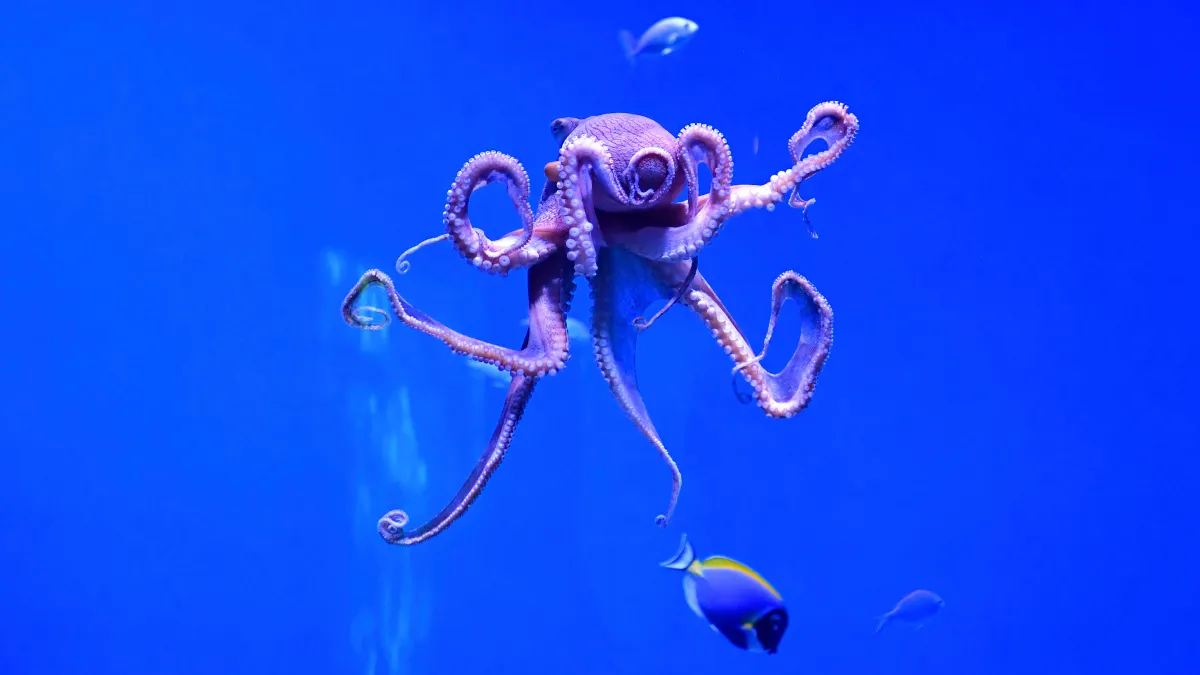
Octopus farming, a practice that involves breeding and raising octopuses for commercial purposes, has been met with intense criticism from animal rights groups and scientists alike. Critics argue that the farming of such intelligent and solitary animals raises serious ethical concerns. Octopuses are known for their complex nervous systems, problem-solving abilities, and behaviors that suggest a high level of sentience. This makes them vulnerable to the harsh conditions of factory-style farming, which may cause them significant stress and suffering.
The concerns surrounding octopus farming are not just ethical but also environmental. The practice is resource-intensive, requiring vast amounts of water, energy, and food to sustain the animals. Furthermore, the environmental impact of farming octopuses, including pollution and ecosystem disruption, has raised alarms among environmentalists. As a result, the practice has been banned or heavily regulated in several countries, and California has now joined the ranks of those taking a stand against it.
The Ethical and Environmental Case Against Octopus Farming
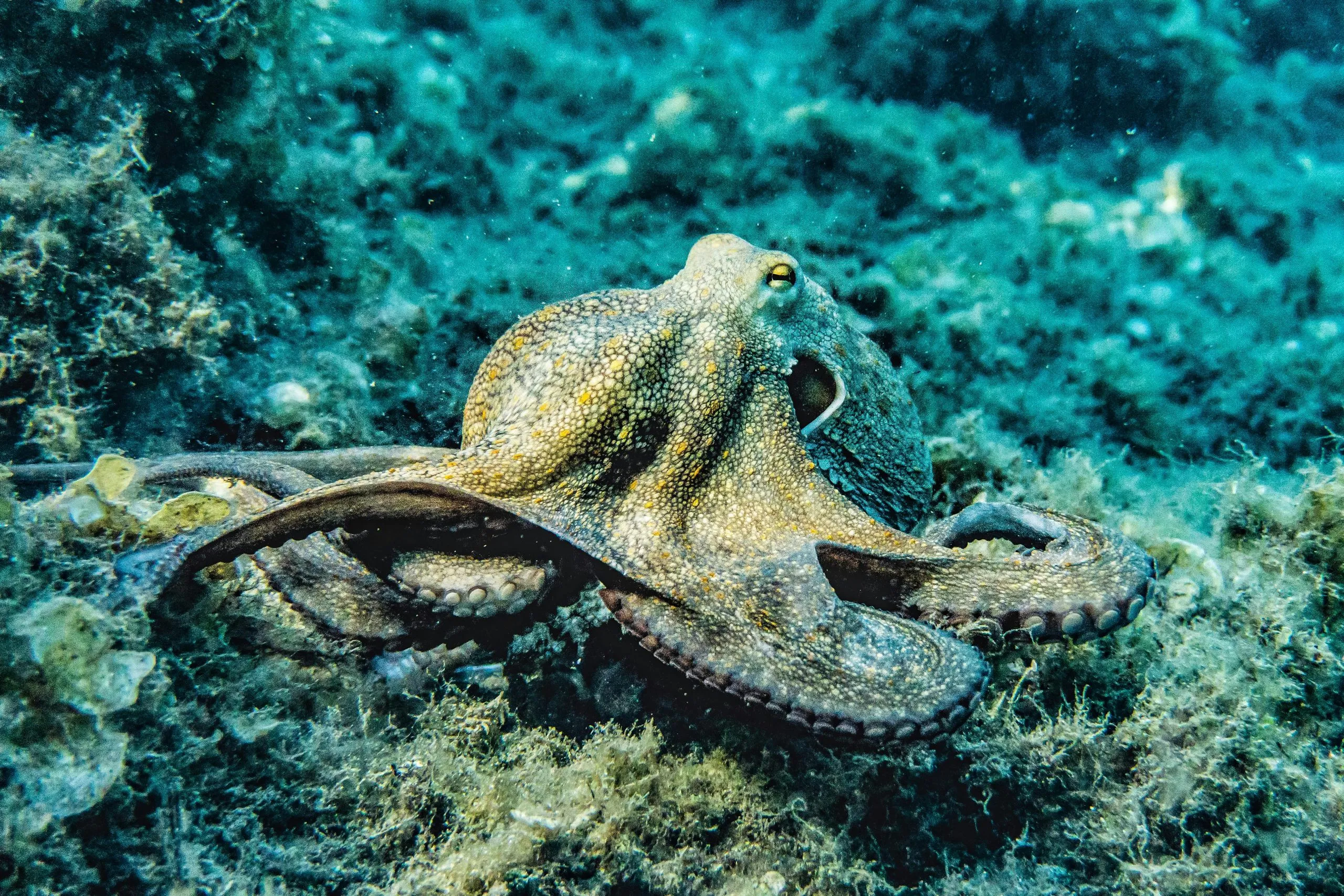
The primary argument against octopus farming revolves around animal welfare. Octopuses, being highly intelligent creatures, are believed to suffer in captivity due to their complex needs and natural behaviors. Unlike many other farmed species, octopuses are solitary by nature and require a large amount of space to roam, hunt, and explore. In captivity, however, they are often confined to small tanks where they have limited stimulation and are unable to engage in their natural behaviors, leading to stress, boredom, and even self-harm.
Moreover, the farming of octopuses has been criticized for its unsustainable practices. Studies have shown that the amount of food required to raise an octopus in captivity often exceeds the nutritional output from the animals themselves, raising questions about the efficiency and environmental impact of the industry. Additionally, concerns about pollution from fish feed, waste, and the release of chemicals used in the farming process have raised alarms about the long-term effects on local ecosystems.
California’s decision to ban octopus farming is rooted in these ethical and environmental concerns, and it aligns with the state’s long-standing commitment to animal welfare and sustainability.
Governor Newsom’s Stance on Animal Welfare
Governor Gavin Newsom has long been a proponent of animal welfare, and his decision to sign the bill banning octopus farming reflects his administration’s commitment to ethical environmental practices. In a statement following the signing of the bill, Newsom emphasized the importance of protecting animal rights and promoting sustainability in California’s agricultural and aquaculture industries.
“California has always been a leader in animal welfare, and this bill is another step toward ensuring that our state remains at the forefront of ethical and sustainable practices,” Newsom said. “The ban on octopus farming is not only about protecting these intelligent creatures but also about making sure that we are doing our part to protect the environment and the future of our planet.”
Newsom’s stance has been praised by animal rights organizations, environmental groups, and many Californians who see this as a necessary move toward a more compassionate and sustainable future.
The Impact of the Bill on the Aquaculture Industry
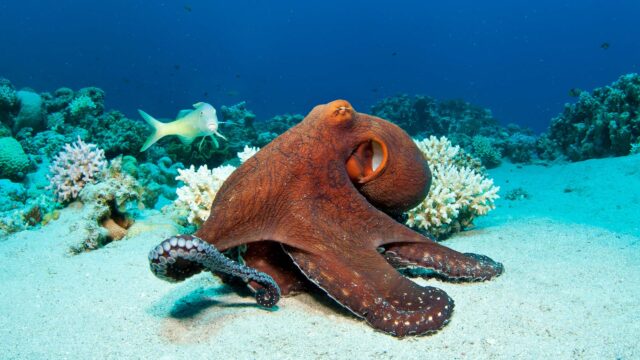
While the bill banning octopus farming has been hailed as a victory for animal welfare, it has also raised concerns within the aquaculture industry. Proponents of octopus farming argue that it can be done ethically and sustainably, with proper regulations in place to ensure the well-being of the animals. Some have warned that banning octopus farming could have economic consequences, particularly for businesses involved in the industry.
However, critics of the practice argue that the economic impact of banning octopus farming is far outweighed by the ethical and environmental benefits. Many believe that the aquaculture industry should be focused on farming species that are better suited to captivity, such as fish and shellfish, which do not experience the same level of suffering as octopuses. The hope is that the ban on octopus farming will push the industry toward more sustainable and humane practices.
In addition, the ban may encourage further innovation in aquaculture, leading to the development of more ethical and sustainable farming methods for other species. The California bill serves as a signal to the rest of the world that animal welfare and sustainability should be at the forefront of agricultural policy.
Global Reactions and the Future of Octopus Farming
California’s decision to ban octopus farming has been met with mixed reactions around the world. While animal rights advocates and environmentalists have celebrated the move, the ban has faced opposition from some sectors of the aquaculture industry. In countries like Japan and Spain, where octopus farming has been explored as a potential industry, the ban in California is seen as a setback for the future of octopus farming.
However, the growing trend of animal welfare-focused legislation suggests that California’s decision could have a ripple effect globally. Countries with large seafood industries, especially those considering octopus farming, may follow California’s lead and impose stricter regulations or even bans on the practice. As public awareness of animal rights continues to grow, more governments may take steps to protect animals from exploitation in aquaculture, leading to a shift in global attitudes toward farmed seafood.
At the same time, the ban could push the industry to rethink how it operates. With increasing demand for plant-based and lab-grown alternatives, there may be a future in sustainable seafood that does not rely on factory-style farming.
California’s Role as a Leader in Animal Welfare
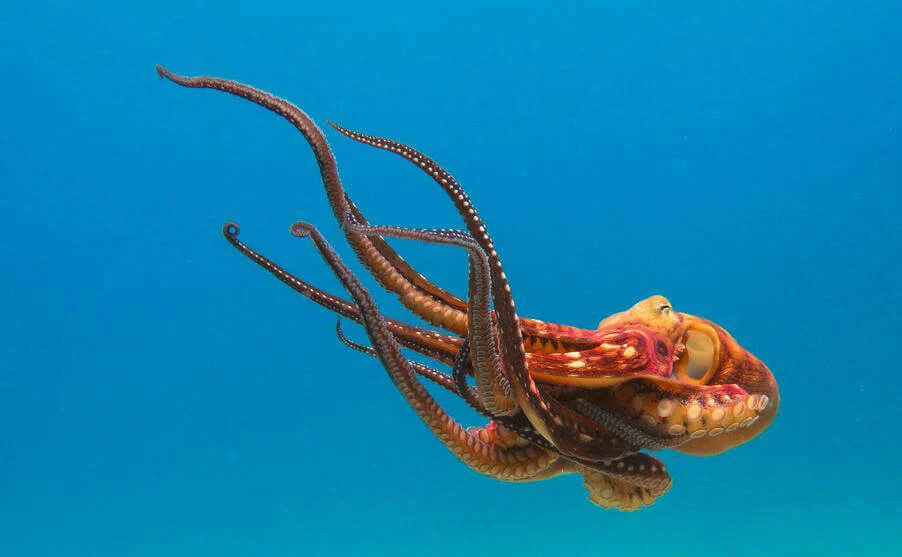
California has long been at the forefront of animal welfare laws, and this latest move further solidifies the state’s reputation as a leader in promoting ethical treatment of animals. From the state’s ban on the sale of fur to its regulation of factory farming practices, California has consistently championed progressive policies that protect animals from exploitation.
The state’s approach to octopus farming reflects the broader trend of balancing economic growth with ethical considerations. California’s leadership in this area has made it a model for other states and countries to follow when it comes to creating compassionate and sustainable policies. By banning octopus farming, California is sending a message that animal welfare and environmental protection must be central to the future of agriculture and aquaculture.
The Long-Term Implications of the Ban
The long-term implications of California’s ban on octopus farming are still unfolding, but they have the potential to shape the future of both the aquaculture industry and animal welfare legislation. While the ban will undoubtedly impact businesses currently involved in octopus farming, it may also spark innovation in the sector, leading to the development of more ethical and sustainable farming practices.
Moreover, the ban serves as a reminder of the growing role of animal welfare in public policy. As consumers become more aware of the ethical and environmental issues surrounding food production, there is increasing pressure on governments and industries to adopt more humane and sustainable practices. California’s ban on octopus farming is a clear signal that animal welfare is no longer a secondary concern but a central issue in agricultural policy.
Moving Towards a More Sustainable Future
Looking ahead, the banning of octopus farming in California could lead to a more sustainable and ethical future for the aquaculture industry. With growing concerns about overfishing, pollution, and animal welfare, there is a pressing need for more responsible practices in the seafood industry. California’s decision to ban octopus farming is a step toward addressing these challenges, encouraging the development of new technologies and methods that prioritize sustainability and animal welfare.
By taking this bold step, California has set a precedent that could inspire other regions to follow suit, ultimately leading to a more sustainable and compassionate global food system. The future of aquaculture lies in finding solutions that balance environmental concerns, animal welfare, and consumer demand for ethical products.
Conclusion
Governor Gavin Newsom’s decision to sign the bill banning octopus farming in California is a historic moment for both animal welfare and environmental protection. The ban represents a significant shift in the way we view aquaculture and the treatment of animals, and it serves as a powerful reminder that progress in these areas is possible through thoughtful and compassionate legislation. As the world watches California’s lead, the hope is that this bill will inspire further action in the pursuit of ethical, sustainable practices in the food industry. California’s commitment to animal welfare sets a powerful example for the future of farming, aquaculture, and environmental stewardship.