
Table of Contents
- The Parody Hitman Website and the Guardsman’s Application
- How Law Enforcement Handled the Case
- Arrest and Charges Against the Guardsman
- What This Means for Internet Culture and National Security
- The Role of Humor in Online Interactions and Its Legal Implications
- Broader Concerns About Digital Pranks and Their Impact on Society
- The Legal Landscape
- Conclusion:
The Parody Hitman Website and the Guardsman’s Application
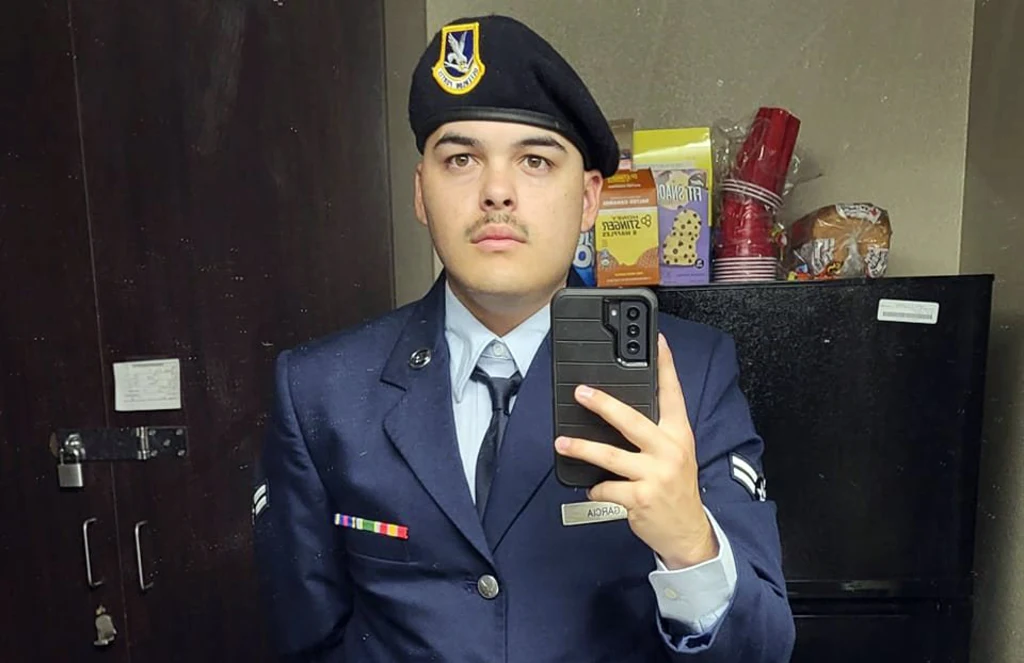
The story begins with a seemingly harmless online interaction: an Air National Guardsman, whose identity has not been fully disclosed, allegedly visited a well-known parody hitman website and submitted an application. The website, which bills itself as a satire site for those curious about the “hitman business,” is a joke—a platform where users can “apply” for hired killers, only to be greeted with absurd responses that make it clear the website has no intention of engaging in criminal activity.
However, despite the website’s parody nature, the guardsman’s actions were not taken lightly by authorities. Law enforcement soon became aware of the interaction, and an investigation was launched. What might have seemed like a harmless joke to the individual quickly escalated into a serious matter, triggering questions about how far a joke can go before it crosses the line into illegal territory.
This incident raises concerns about how internet users can sometimes misinterpret online satire, and what the consequences might be for engaging with such content, even if it is meant purely for amusement.
How Law Enforcement Handled the Case
As soon as law enforcement was alerted to the guardsman’s application, an investigation was swiftly initiated. What followed was an examination of the guardsman’s online activities and whether any actual criminal intent was behind his actions. Investigators focused on the possibility that the guardsman had used the website as a means to test the waters for something far more serious, potentially involving national security or the safety of others.
Despite the fact that the website clearly operates as a parody, law enforcement officials are often compelled to investigate all reports seriously, particularly when a military member is involved. Given the potential for harm when a person in a position of power or influence makes such a move, the investigation became a priority. Authorities also took into consideration the guardsman’s role and responsibilities within the Air National Guard, particularly the potential access he might have to sensitive information.
In the age of digital misinformation and the blur between online humor and reality, it is not uncommon for law enforcement to take extra precautions. The investigation into the guardsman is a reflection of the growing awareness of how quickly seemingly innocent online actions can be misconstrued or interpreted as a serious threat.
Arrest and Charges Against the Guardsman
Following the investigation, the guardsman was arrested and charged with engaging in a criminal act related to the use of the parody hitman website. The charges, though not related to any actual attempt on someone’s life, stem from the concern that his actions might be viewed as an attempt to solicit criminal activity. The case has drawn attention for its complexity, as it deals with the intersection of internet culture, law enforcement, and national security.
The arrest has led to debates about how far online humor and satire can go before they result in serious consequences. While many would consider such actions to be harmless pranks, others argue that the mere act of interacting with a site promoting violence—even in a fictional, exaggerated manner—could set a dangerous precedent.
Moreover, this case underscores the risk of digital platforms being used as vehicles for illegal activity, even if they are not intended for that purpose. In an age where online anonymity and the spread of viral content can mask a person’s true intentions, it becomes difficult to discern between a joke and a genuine threat.
What This Means for Internet Culture and National Security

This arrest serves as a cautionary tale about the intersection of internet culture and national security. The internet has created a space where humor, memes, and pranks can easily blur the lines of what’s considered acceptable and what crosses into unlawful territory. Websites like the parody hitman site are meant to be jokes, but they also create a dangerous grey area when users engage with them in ways that could be interpreted as threats.
For the military and national security apparatus, the involvement of a member of the Air National Guard in such an incident raises alarm bells about how service members might use online spaces. Military personnel are held to high standards of conduct, and when their actions threaten national security or the reputation of the armed forces, it can result in severe repercussions.
In this case, the incident underscores the importance of online conduct for those in sensitive positions. National security officials have long been concerned about how easily individuals in powerful positions might be influenced by online content, or how they might use digital platforms for illicit purposes. The situation also serves as a reminder of how quickly a seemingly minor interaction on the internet can evolve into a significant legal matter.
The Role of Humor in Online Interactions and Its Legal Implications
Humor is one of the defining aspects of online culture. From memes to satire, the internet has become a breeding ground for content meant to entertain and engage users. However, as this case highlights, the consequences of online actions are not always predictable. What might be seen as a harmless joke by one person could be interpreted as a serious threat by law enforcement or others in positions of authority.
In recent years, the use of satire and parody in online spaces has become a point of contention. While platforms like social media are often used to amplify jokes and humor, the line between comedy and criminal activity can be murky. For the individual involved in the hitman website case, their attempt at humor may have seemed harmless. Yet, the authorities are tasked with assessing whether any criminal intent was involved, as the potential for misuse or misunderstanding is high.
The legal implications of online humor are vast, as users increasingly navigate the digital world without fully understanding how their actions can be interpreted. What seems like a harmless online prank can have real-world consequences, as evidenced by the arrest of the guardsman.
Broader Concerns About Digital Pranks and Their Impact on Society
This incident has ignited broader conversations about the role of digital pranks and their impact on society. While the internet provides ample space for free expression and entertainment, there is growing concern about the responsibility that comes with online interactions. In this case, the actions of a person in the military highlight how individuals in positions of power can misuse their access to online platforms, even if the intentions are not malicious.
As digital spaces become more integrated into daily life, the risks associated with online actions are more pronounced. While some argue that the military should be more vigilant in monitoring the online activities of its members, others contend that the focus should be on educating internet users about the potential consequences of their online actions. This case also highlights the growing need for digital literacy and awareness, especially in high-stakes environments like the military.
The Legal Landscape
Looking ahead, the legal implications of this case are still unfolding. The guardsman will likely face legal proceedings that will determine the full extent of his actions and whether any further charges should be brought against him. The case raises difficult questions about how to handle online pranks that may not be immediately threatening but could be misinterpreted by authorities.
For the military, the case is a reminder of the importance of enforcing strict codes of conduct, both online and offline, for its members. It also raises questions about the role of social media and other digital platforms in shaping behavior and influencing individuals in powerful positions.
Ultimately, the outcome of this case could set a precedent for how similar incidents are handled in the future, both within the military and the broader legal system.
Conclusion:
The arrest of an Air National Guardsman for allegedly applying to a parody hitman website highlights the complexities of modern online culture. While the website in question was intended as a joke, the consequences for the guardsman have been real and significant. This case serves as a reminder of the blurred lines between online humor and criminal activity, as well as the growing concerns about how digital platforms are used.
As the investigation progresses, it will be important to consider the broader implications for internet culture, legal accountability, and national security. This case could serve as a turning point in how digital pranks and online behavior are viewed by law enforcement, especially in contexts where individuals in sensitive positions are involved.
What started as an online joke has now become a serious legal issue, illustrating the unpredictable and sometimes dangerous nature of the digital world. It is a stark reminder that what happens online can have real-world consequences, particularly when it involves individuals in positions of power.