

Table of Contents
The Unforeseen Encounter with Cocaine
Peanut’s adventure began in the most unexpected way: she was found in a park, disoriented and barely moving, showing signs of serious distress. Animal rescue teams were called to the scene, and it quickly became clear that something was amiss. Peanut was a cat who had never shown any signs of abnormal behavior—so what could have caused this sudden collapse? Upon further examination, it was discovered that Peanut had accidentally ingested a significant amount of cocaine.
Cocaine, as many know, is a powerful stimulant that can cause severe reactions in animals, much more so than in humans due to their smaller size. The discovery of the drug in her system was a chilling realization of the danger Peanut had unknowingly encountered. But how did this happen? The origins of the cocaine exposure remain unclear, but it is believed that Peanut may have come into contact with discarded drugs or an open package.
The Fight for Survival
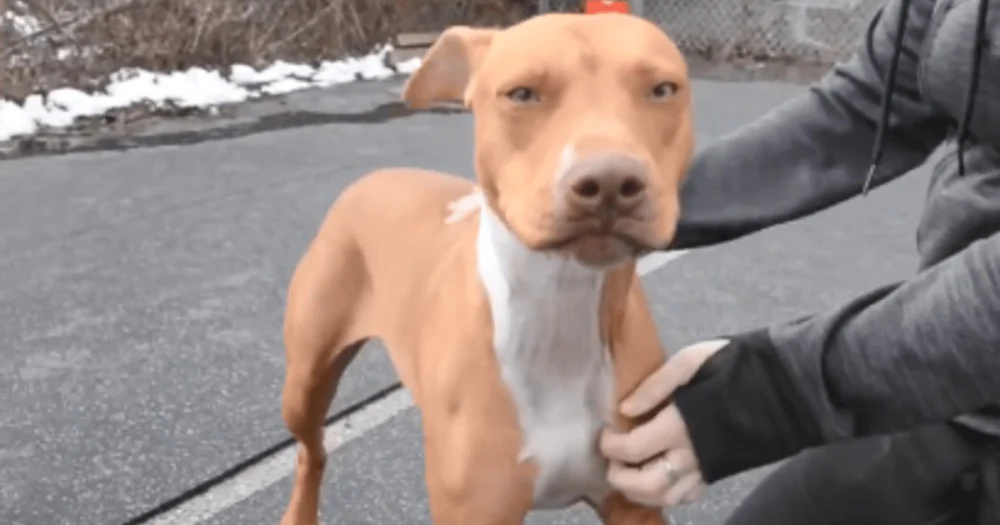
The rescue team, faced with the urgency of Peanut’s situation, acted quickly. With the cocaine already affecting her nervous system, Peanut’s survival became a race against time. Her body, frail and unable to handle the toxic substance, began to show severe symptoms of poisoning, including tremors, disorientation, and difficulty breathing. The clock was ticking, and immediate medical intervention was needed to give Peanut the chance to survive.
At the veterinary clinic, the doctors worked to reverse the effects of the cocaine, using a combination of antidotes and supportive care. But this wasn’t just any ordinary rescue. The severity of Peanut’s condition meant that traditional methods had to be paired with cutting-edge technology.
AI’s Role in Peanut’s Rescue
Here’s where the story takes a futuristic turn. Thanks to the latest advancements in AI, Peanut’s treatment took a significant leap forward. AI algorithms, which are increasingly being utilized in veterinary medicine, were used to monitor Peanut’s vital signs in real-time and make adjustments to her care based on continuous data input. These AI systems, designed to analyze vast amounts of data, provided real-time feedback on Peanut’s condition, enabling the veterinary team to adjust the course of her treatment swiftly.
The use of AI in animal rescue is still relatively new, but its potential is enormous. In Peanut’s case, the AI assisted in predicting how her body would respond to the antidotes and how much more support she would need. The system’s ability to interpret patterns in data meant that the doctors could avoid traditional trial-and-error methods, reducing Peanut’s recovery time and improving the likelihood of her survival.
The Healing Process
Peanut’s recovery wasn’t instantaneous. Even with AI’s help, the cat’s body had to process the poison and recover from the trauma caused by the cocaine. But the swift, high-tech intervention meant that Peanut had a fighting chance. Over the next few days, Peanut received constant care, including fluid therapy, medication to ease her symptoms, and an array of supportive treatments designed to stabilize her.
It was during this period that the remarkable resilience of animals became apparent. Peanut began to show signs of improvement, gradually regaining strength, even as her once weakened body started to heal. The veterinary team, impressed by the cat’s will to live, knew that while the technology had been a significant factor, Peanut’s survival was also a testament to the incredible resilience animals can display, even in the most adverse conditions.
The Impact of Technology in Animal Care
While Peanut’s story is unique, it also highlights the growing role of technology in animal welfare. AI has already begun revolutionizing human healthcare, and now it’s extending its reach into veterinary medicine. From monitoring vital signs to diagnosing conditions more accurately, AI is helping veterinarians provide better, faster, and more personalized care. In Peanut’s case, AI was the unsung hero, making it possible for the veterinary team to act swiftly and precisely.
But Peanut’s rescue also raises important questions about the future of animal care. How much should we rely on technology to assist in these rescues, and where do we draw the line between human intuition and machine-assisted decision-making? While Peanut’s survival was undoubtedly a result of innovative AI assistance, it’s clear that a balance of both human care and technological advancement is key to maximizing outcomes in animal welfare.
Peanut’s Remarkable Recovery
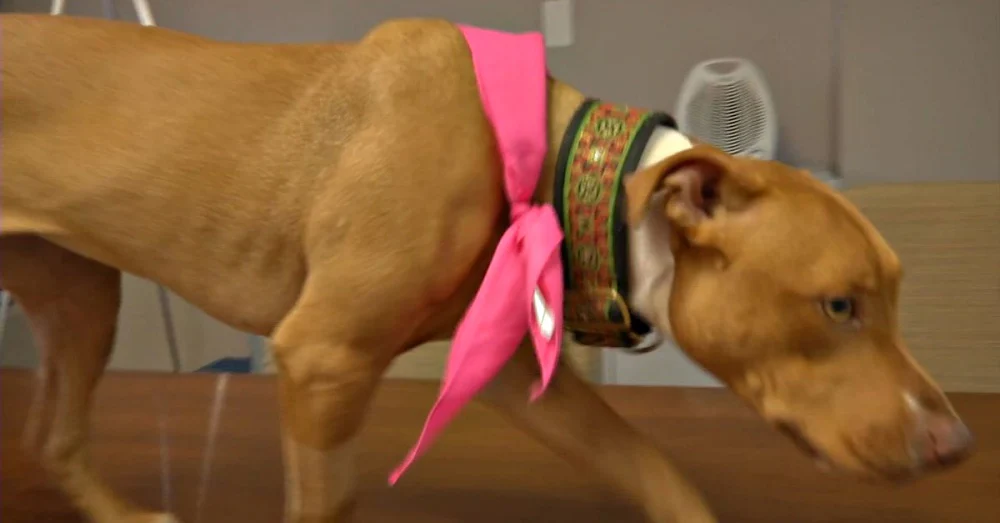
After days of intensive care, Peanut was able to walk again. Her energy slowly returned, and the trembling subsided. The veterinary team was astounded by her recovery, crediting both the technology used and the cat’s incredible will to live. While Peanut was still not completely out of the woods, her condition continued to improve every day.
Her story quickly spread, with many people praising the rescue team’s quick thinking, the innovative use of AI, and, of course, the remarkable resilience of Peanut herself. As Peanut was finally allowed to leave the clinic, she had become a symbol of survival and the extraordinary bond between animals, humans, and technology.
A New Hope for Animal Welfare
Peanut’s journey represents more than just a single cat’s struggle for survival. It’s a hopeful glimpse into the future of animal rescue and welfare, where technology and compassion work hand in hand. While the story is shocking, it also serves as a reminder of the urgent need for greater care and attention to the safety of our pets and wildlife. The use of AI and other technologies in animal rescue has the potential to save countless lives and improve the health outcomes for animals everywhere.
In the coming years, we may see more stories like Peanut’s, where technology plays a role in helping animals survive situations that would otherwise be fatal. However, the technology must be used wisely and ethically, always with the animal’s best interests at heart.
What We Can Learn from Peanut’s Story

Peanut’s story offers lessons in both survival and compassion. It reminds us that while technology can offer valuable assistance, it is the resilience of life itself that ultimately defines success. For the rescuers, veterinarians, and technology experts involved, this event highlights the importance of quick thinking, innovation, and collaboration. But for the rest of us, Peanut’s journey is a reminder of the value of life and the lengths to which we must go to protect and care for those who cannot speak for themselves.
Conclusion
Peanut’s journey from a disoriented cat on the brink of death to a symbol of resilience is a story of hope, bravery, and the power of technology. It is a testament to the strength of animals and the lengths to which humans will go to protect them. As AI continues to evolve, the future of animal welfare looks brighter than ever. The use of these advanced technologies not only saved Peanut’s life but also opened new possibilities for how we care for the creatures that share our world.