
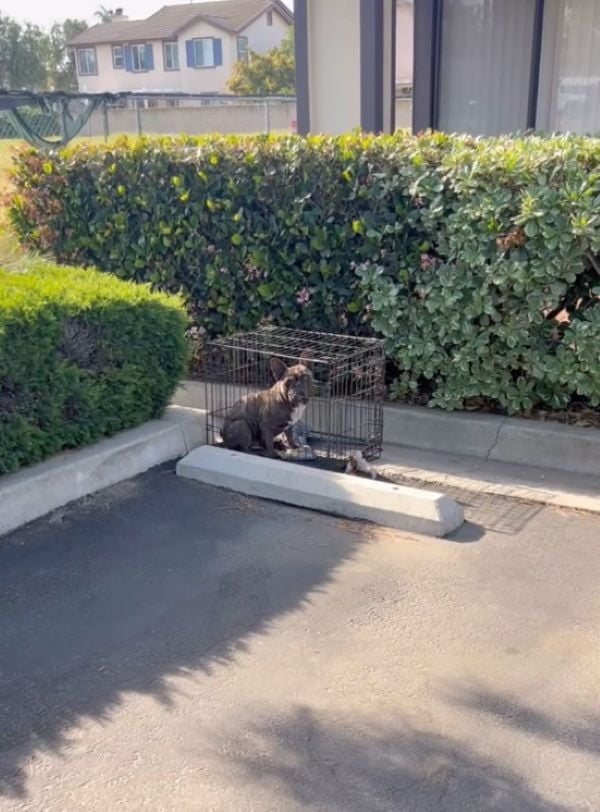
Imagine walking through your neighborhood on a routine walk, and as you pass by an abandoned house, you hear a faint sound—a whimper. Upon investigating, you find a dog locked in a crate, helpless and alone, left to suffer in silence. This was the reality for one woman who stumbled upon a dog in desperate need of rescue. What happened next is a story of compassion, hope, and a community that rallied to make a difference.
This isn’t just another case of animal cruelty—it’s a reminder of how easily pets can become victims of neglect. It also raises important questions about how we approach pet ownership, responsibility, and empathy for animals in need.
Table of Contents
- The Discovery: A Helpless Dog in a Crate
- The Reality of Pet Abandonment: A Growing Crisis
- The Emotional Toll of Neglect on Animals
- How Animal Rescue Organizations Make a Difference
- The Importance of Responsible Pet Ownership
- The Role of Community in Animal Welfare
- How You Can Help: Supporting Pet Safety and Rescue Efforts
- Home Security and Pet Protection: Keeping Your Pets Safe
- Final Thoughts: The Power of Compassion and Action
The Discovery: A Helpless Dog in a Crate
The story begins with a simple walk that turned into a life-changing moment. The woman, a local resident, was taking her usual stroll when something caught her attention: the sound of whimpering. Following the sound led her to a dog locked in a small crate, with no food, water, or proper shelter. The dog was in distress, clearly struggling to cope with its confined space and isolation.
What made this discovery even more heartbreaking was the dog’s condition—thin, dirty, and clearly abandoned for an extended period. The woman was shocked and immediately contacted local animal rescue organizations to ensure the dog would be properly cared for. But the question remained: how did this dog end up in this dire situation, and why was it left alone in the first place?
The Reality of Pet Abandonment: A Growing Crisis
Stories like this highlight a larger issue: the growing crisis of pet abandonment and neglect. While many of us love and care for our pets, there are countless animals that are discarded when they no longer fit into their owners’ lives. This heartbreaking discovery is a reminder of how vulnerable pets are when they are left behind.
What motivates someone to abandon an animal? For some, it’s a lack of understanding of the responsibility that comes with pet ownership. For others, it might be economic hardship or a change in life circumstances that leads to the decision to leave a pet behind. Regardless of the reasons, the emotional and physical toll on the animals is devastating.
Have you ever thought about what happens to pets who are abandoned? How often do we consider the emotional and physical costs of neglect when we adopt or bring animals into our homes?
The Emotional Toll of Neglect on Animals
It’s easy to forget that pets are not just companions—they’re emotionally complex beings with the capacity to feel stress, anxiety, and pain. When a pet is abandoned or neglected, it isn’t just a physical loss—it’s an emotional one. The dog in the crate was likely experiencing separation anxiety, fear, and trauma, knowing that it had been abandoned by its owner.
Studies show that animals left in neglectful situations can develop behavioral issues, depression, and aggression. Abandonment leads to deep psychological wounds, and healing these wounds requires time, patience, and consistent care.
Imagine being left in a small space with no way out—no food, no company, no hope of rescue. How would you cope with that level of fear and isolation?
How Animal Rescue Organizations Make a Difference

The woman’s quick thinking and immediate action to contact an animal rescue organization was the turning point for this dog. Once the rescue team arrived, they carefully took the dog into their care, providing the much-needed medical attention, food, and emotional support.
Rescue organizations play a crucial role in reuniting lost pets with their families or finding them new homes. Their efforts often involve not just physical rehabilitation, but emotional healing for the animals.
Animal shelters and rescues provide pets with a second chance—but they can’t do it alone. Volunteers, donations, and support from the community are vital to their operations. Without people willing to take action, many animals would continue to suffer.
If you’ve ever thought about how you could help, consider volunteering or donating to a local animal rescue. It’s a simple way to give back and make a tangible difference in the lives of animals in need.
The Importance of Responsible Pet Ownership
The dog’s story brings attention to an issue that goes beyond animal rescue—it’s about responsible pet ownership. Every pet owner should be prepared to meet the needs of their animals throughout their lives. Pet ownership isn’t just about having a companion—it’s about providing for them emotionally, financially, and physically.
What does responsible pet ownership look like?
- Commitment to long-term care: Pets require consistent attention, proper nutrition, and medical care throughout their lives.
- Financial responsibility: Pets can be expensive, with costs related to food, medical care, grooming, and other essentials.
- Emotional well-being: Animals need love, attention, and companionship. Neglecting their emotional health can lead to behavioral issues and long-term psychological damage.
- Consideration of future circumstances: Pet owners should always have a backup plan in case of emergencies or life changes that may impact their ability to care for their pet.
When adopting a pet, we must ask ourselves: Are we fully prepared to meet their needs for their entire lives, or are we just looking for a companion in the short term?
The Role of Community in Animal Welfare
While individual responsibility is essential, community involvement also plays a significant role in preventing pet neglect and abuse. Pet owners aren’t the only ones who can make a difference—entire communities can help by raising awareness, educating others, and reporting suspected cases of abuse.
For example, if you witness someone neglecting or abusing their pet, it’s important to step in and report the situation to the authorities. Many communities have resources, such as animal welfare organizations or local law enforcement, that can intervene in these situations.
Also, as a community, we can encourage people to adopt from shelters, donate to rescue organizations, and volunteer our time to help animals in need. Collective action can help reduce the number of pets left behind or mistreated.
How You Can Help: Supporting Pet Safety and Rescue Efforts
You might be wondering: How can I help prevent stories like this one from happening again? Here are some ways you can make a difference in your own community:
- Adopt, don’t shop: Give rescue animals a chance to find their forever home.
- Volunteer at local shelters: Your time and effort can make a real difference in the lives of animals in need.
- Donate to animal welfare organizations: Contributions can provide food, medical care, and shelter to animals who need it most.
- Raise awareness: Educate others about the importance of responsible pet ownership and adopt, don’t shop.
- Foster animals in need: If you can, consider fostering pets who need temporary homes before they are adopted.
Imagine how much better the world would be if everyone took just one small action to help animals in need. Would you be willing to step up?
Home Security and Pet Protection: Keeping Your Pets Safe
The dog in the crate wasn’t just abandoned in an emotional sense—it was also physically vulnerable. Pets left outside or neglected in unsafe environments are at risk of injury, illness, or worse. The physical safety of your pet should be just as important as their emotional care.
Here’s how to ensure that your home is safe for your pets:
- Secure Your Yard: Make sure your fences are high enough to keep your pets in and out of danger.
- Monitor Pets Indoors and Outdoors: Use pet cameras or motion sensors to monitor pets when they’re outside or left alone in the house.
- Emergency Preparedness: Have a plan for emergencies, including contact information for your veterinarian and animal rescue organizations.
Could your home be made more secure for your pets? Would you know what to do if they were in danger?
Final Thoughts: The Power of Compassion and Action
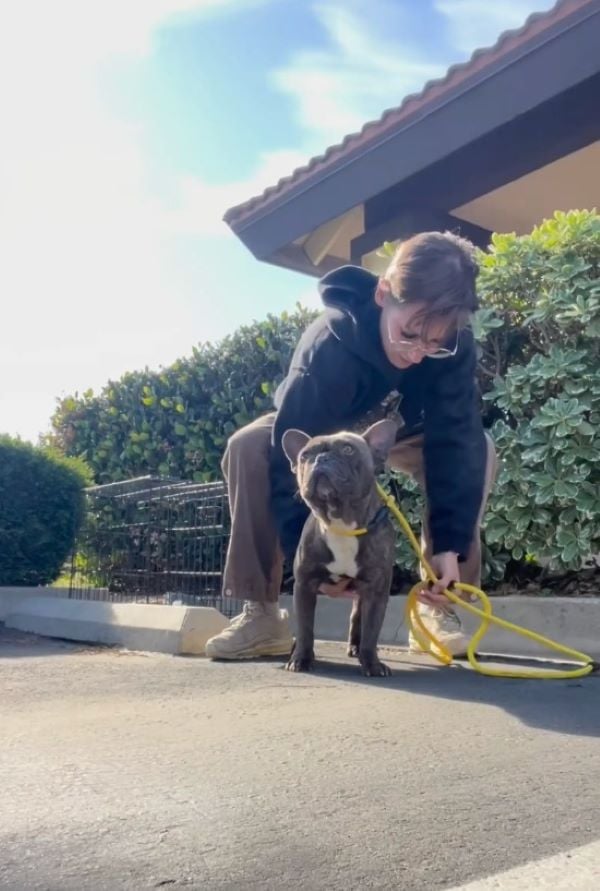
The story of the dog abandoned in the crate is a sobering reminder of the responsibility we bear as pet owners and community members. It teaches us that compassion and responsibility must guide every aspect of our lives when it comes to animals.
In the next article, we’ll dive into “How to Pet-Proof Your Home for Maximum Safety”, offering practical steps to ensure your pets are always protected and cared for. Stay tuned!