

What would you do if you saw something strange on the side of the road—something that seemed out of place but sparked your curiosity? For one driver, a simple moment of curiosity turned into an urgent rescue that saved a frightened animal in desperate need of help.
In this incredible true story, a routine drive became a life-changing experience. When the driver pulled over to investigate a suspicious sight on the roadside, they discovered an animal in critical need of assistance. It wasn’t just a rescue—it was a reminder of how small acts of compassion and quick thinking can make all the difference in an animal’s life.
Could you stop and take action if you noticed an animal in distress? Would you know how to help?
Table of Contents
- A Frightened Animal in Need: What Did the Driver Find?
- The Fear and Isolation of Stray Animals
- The Power of Compassionate Action: What Made the Difference
- The Emotional Impact of Animal Rescue: Restoring Trust and Safety
- The Importance of Pet Safety: How to Protect Animals in Our Communities
- The Role of Animal Welfare Organizations: Supporting Stray Animals
- The Emotional Rewards of Adoption: A Forever Home
- How Technology Can Improve Pet Rescue Efforts
- Final Thoughts: Compassion, Responsibility, and Action
A Frightened Animal in Need: What Did the Driver Find?
It was an ordinary day, and the driver was simply passing through when something caught their eye on the side of the road—a small, frightened animal that appeared to be in trouble. As they got closer, the situation became clear: this was no ordinary sight. It was a dog, terrified and alone, stranded in a dangerous spot near a busy highway.
The animal’s fear was palpable. It was shaking, trying to stay as far from the passing cars as possible, but unable to escape the danger of the road. The driver’s initial curiosity quickly transformed into a sense of urgency. This wasn’t just an inconvenience—it was a life-threatening situation for the animal.
The question here is: How often do we ignore animals in need while we’re going about our daily lives? How many times do we miss the chance to make a difference, simply because we don’t take a moment to investigate what’s really going on?
The Fear and Isolation of Stray Animals
For many animals, especially strays, the experience of being alone on the streets is not just about physical hardship. It’s also about emotional trauma. In this case, the dog was clearly anxious, likely from being exposed to the dangers of the streets for an extended period.
Animals that find themselves stranded often face severe emotional distress, struggling to survive without food, water, or the comfort of a safe environment. These pets are vulnerable not just to physical harm but to psychological damage as well. Fear becomes their constant companion, and trust in humans is something they often lose over time.
What could this dog have gone through while alone on the roadside? What kind of experiences shaped its fearful behavior, and how can we help animals like this recover?
The Power of Compassionate Action: What Made the Difference
In this rescue, it wasn’t just about the driver noticing the dog—it was about their decision to act. The moment the driver pulled over and approached the animal, they understood the urgency of the situation. But it wasn’t a simple act of grabbing the dog and running off—it took patience, care, and a lot of gentle reassurance to bring the dog to safety.
The dog wasn’t immediately trusting. It had likely faced abandonment or neglect, leaving it wary of anyone who approached. But the driver’s calm demeanor and careful approach helped ease the dog’s fear. This story is a testament to the fact that compassion and patience can overcome even the deepest fears and anxieties.
Imagine if the driver had decided to drive past, thinking someone else would handle it. Would this dog have survived another night on the roadside? What does this teach us about our duty to help when we come across animals in need?
The Emotional Impact of Animal Rescue: Restoring Trust and Safety

Once the dog was rescued and taken to safety, the process of recovery began—not just physically, but emotionally. Animals who have been abandoned or mistreated often require time to trust again, and this was no exception. The dog needed to learn that not all humans were a threat.
The emotional healing process for animals is just as important as their physical care. While medical attention can help heal wounds, emotional support and positive interactions are what allow these animals to fully recover. After a period of time, with patience and care, the dog’s behavior started to improve. It began to trust again, showing signs of hope and a desire to form bonds with its new caregivers.
This raises an important question: How much time does it take for an abandoned pet to regain trust? And how much effort does it take for us as humans to show them that they can be loved and safe?
The Importance of Pet Safety: How to Protect Animals in Our Communities
The rescue of this dog wasn’t just about saving a life—it was also about preventing future incidents of animal distress. The dog’s story reminds us how important it is to ensure that animals are safe and protected, both at home and in the community.
How can we do our part to prevent animals from being in these dangerous situations in the first place? Here are a few suggestions:
- Secure your yard: Ensure that your pet can’t escape into the street. Fences should be strong, tall, and well-maintained.
- Proper identification: Make sure your pets are microchipped or have visible ID tags in case they get lost.
- Leash laws: Keep pets on leashes when walking in areas where they might be at risk.
- Spay and neuter: Reducing the stray population can help prevent animals from ending up on the streets in the first place.
What steps are you taking to ensure your pets stay safe and don’t become lost or endangered? How can we protect more animals from these heart-wrenching situations?
The Role of Animal Welfare Organizations: Supporting Stray Animals
This rescue wouldn’t have been possible without the involvement of local animal welfare organizations. Once the dog was safely removed from the roadside, it was taken to an animal shelter where it could receive the proper medical care and socialization. Shelters play a vital role in providing temporary care and eventually finding homes for rescued animals.
However, these organizations rely heavily on donations, volunteers, and community support. The more we give back to animal shelters, the more animals they can help. It’s a cycle of compassion that ensures animals in need get the care and attention they deserve.
Would you consider donating to or volunteering with an animal rescue organization? How much of an impact could you make if more people stepped in to help?
The Emotional Rewards of Adoption: A Forever Home
The ultimate goal of any rescue is to provide the animals with a forever home where they can live happily and healthily. Once the dog was rehabilitated, it was eventually adopted into a loving home, where it received the care and attention it had always needed.
Adopting a pet isn’t just about providing food and shelter—it’s about creating a bond that lasts for life. For this dog, being adopted meant the chance to leave behind the streets and embrace a future filled with love and safety. But adoption also comes with responsibility—making sure the pet is treated with respect, patience, and kindness.
Would you consider adopting a pet in need? What does it take to commit to a lifelong bond with an animal in need?
How Technology Can Improve Pet Rescue Efforts
As we move further into the digital age, technology plays an increasingly important role in animal welfare and pet rescue. From GPS pet trackers that can help find lost animals, to social media platforms that spread awareness about lost pets, technology is transforming how we handle animal rescues.
For example:
- Pet ID tags and microchips can help reunite lost pets with their owners quickly.
- Animal rescue apps and online platforms allow people to post and share information about lost animals.
- Pet cameras and tracking devices provide real-time information to help pet owners monitor their animals’ safety.
Would you consider investing in technology to help protect your pets? What role do you think tech will play in the future of animal welfare?
Final Thoughts: Compassion, Responsibility, and Action
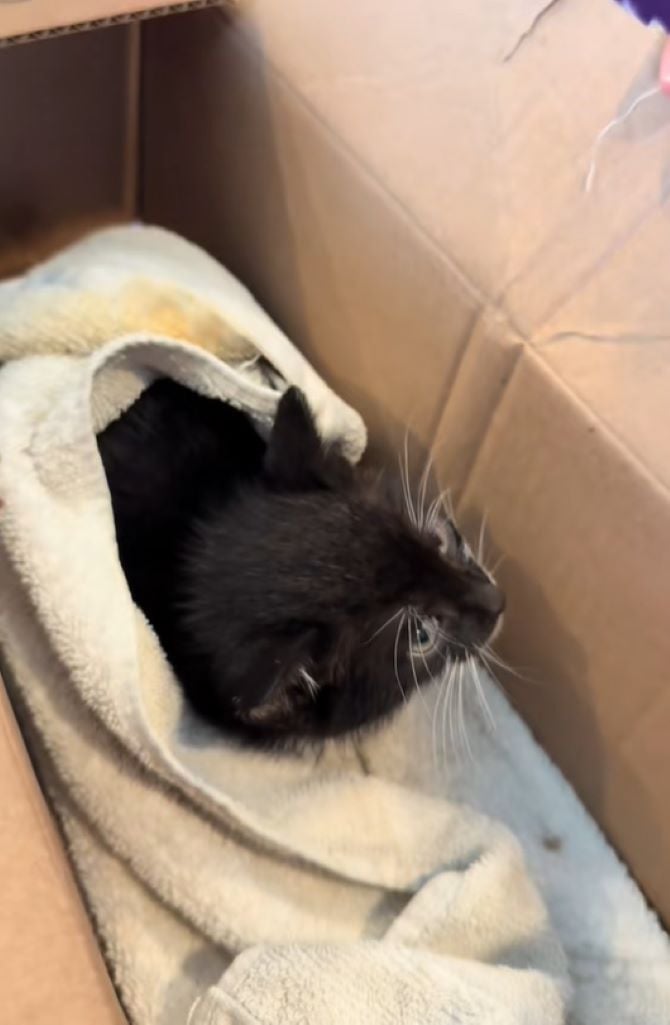
The story of the dog rescued from the roadside is more than just a tale of survival—it’s a reminder of how compassion and quick action can change an animal’s life. It also teaches us about the deep emotional bonds that form between humans and animals, and how these bonds shape the way we interact with the world around us.
As pet owners, community members, and animal lovers, it’s our responsibility to be aware of the needs of the animals in our care and those in our communities. Whether through rescue, adoption, or simple awareness, we can all make a difference.
Stay tuned for our next article on “How to Support Local Animal Shelters: Simple Ways to Make a Big Impact”, where we’ll discuss how you can give back to animal rescue organizations.