

When news broke that an 11-year-old boy had allegedly shot and killed his mother’s boyfriend during a domestic dispute in Philadelphia, many people across the country were left stunned. The tragedy combined several deeply troubling issues into a single incident: domestic violence, child trauma, firearm access inside the home, and the emotional impact of family conflict on children.
Authorities say the shooting occurred late Thursday night in Southwest Philadelphia after an argument between a woman and her boyfriend escalated into a physical confrontation. According to investigators, the woman’s young son allegedly retrieved a firearm and fired a fatal shot during the incident.
The case immediately drew widespread attention because of the age of the child involved and the difficult questions surrounding what happened inside the home that night. While investigators continue reviewing evidence and interviewing witnesses, the incident has already sparked broader discussions about how domestic conflicts affect children and what responsibilities adults have in securing firearms around minors.
What follows is an examination of the events leading up to the shooting, the ongoing investigation, and the larger issues that have emerged from this heartbreaking case.
Table of Contents
- A Domestic Argument Turns Deadly
- Investigators Piece Together the Timeline
- The Emotional Impact on Children During Domestic Conflict
- Questions Surrounding Firearm Accessibility
- A Community Searching for Answers
- The Legal Challenges Ahead
- Domestic Violence and Family Safety
- Why This Case Has Captured National Attention
- What Happens Next
- A Tragedy That Highlights Larger Challenges
A Domestic Argument Turns Deadly
According to Philadelphia police, officers were called to a residence on South Peach Street shortly before midnight after reports of a shooting.
Investigators say the incident began as an argument between a woman and her 30-year-old boyfriend, identified as Jaimeer Jones-Walker. Sources familiar with the investigation indicated the disagreement may have involved visitation issues concerning the couple’s newborn child, who was reportedly hospitalized at the time.
Police say the argument initially started elsewhere before moving into a second-floor bedroom inside the residence. It was there, investigators believe, that the confrontation became physical.
What happened next has become the central focus of the homicide investigation.
According to police, the woman’s 11-year-old son allegedly obtained a handgun belonging to his mother and fired a shot that struck Jones-Walker in the face.
Emergency responders arrived quickly, but Jones-Walker was pronounced dead at the scene.
The shocking sequence of events transformed what began as a domestic dispute into a fatal incident involving a child and a firearm.
Investigators Piece Together the Timeline
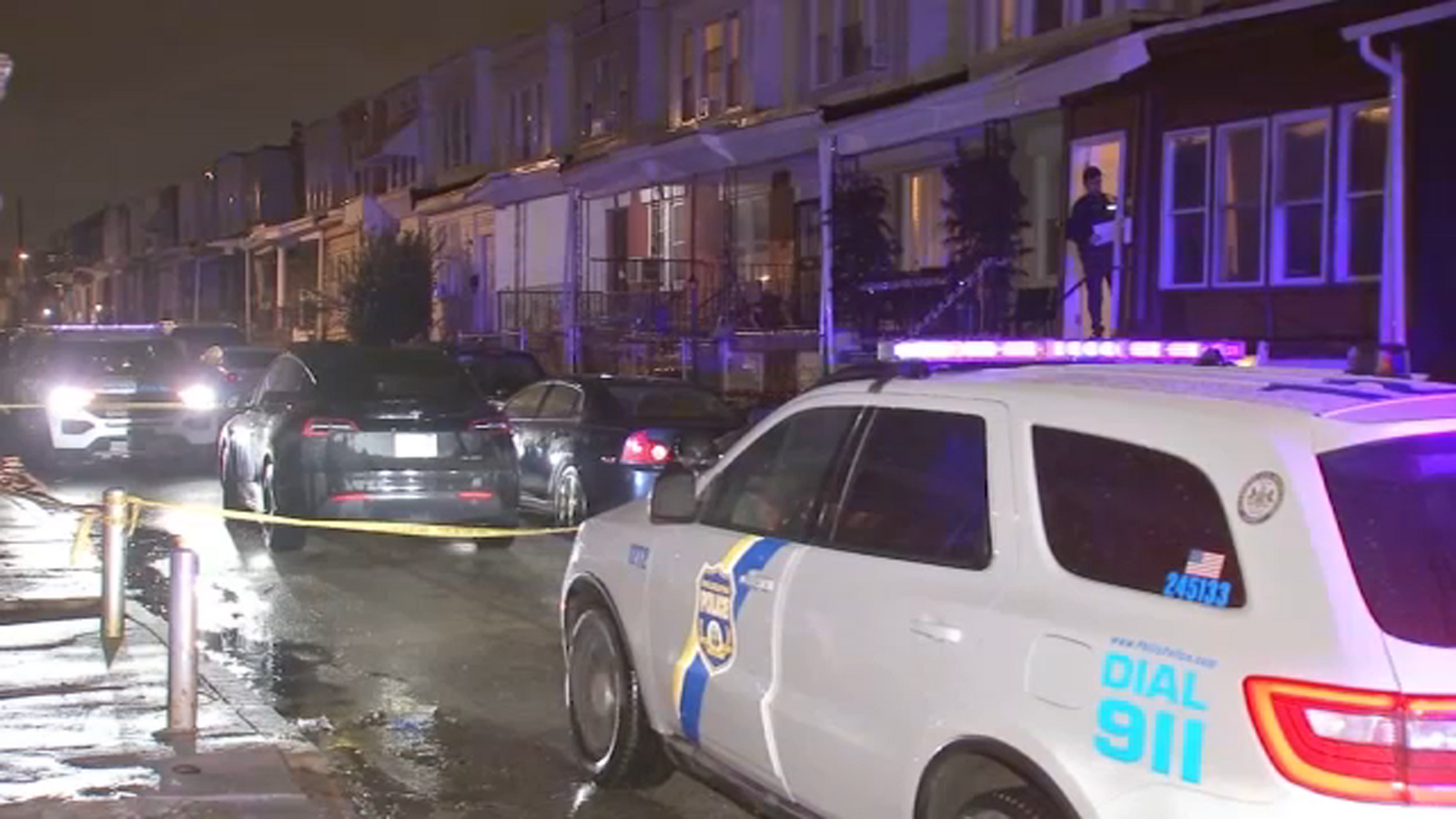
In the hours following the shooting, detectives began reconstructing the timeline of events leading up to the fatal encounter.
Authorities secured the residence and conducted an extensive search for physical evidence. During that search, investigators recovered a semiautomatic handgun believed to be the weapon used in the shooting.
Police later confirmed that the firearm was legally registered to the boy’s mother.
Detectives also examined the layout of the home, interviewed witnesses, and reviewed any available surveillance footage that could help establish exactly what occurred before the shot was fired.
Investigators emphasized that the case remains active and that many details are still being verified.
Because a minor is involved, authorities have been particularly cautious about releasing information publicly.
The Emotional Impact on Children During Domestic Conflict
One of the most troubling aspects of the case is the age of the child allegedly involved.
Experts have long warned that exposure to domestic conflict can have profound effects on children’s emotional development and decision-making.
Children who witness intense arguments, threats, or physical altercations often experience fear, confusion, anxiety, and stress. In highly emotional situations, they may act impulsively or attempt to intervene in ways that place themselves or others in danger.
Psychologists note that children frequently feel responsible for protecting family members during moments of crisis, even when they lack the maturity or resources to safely handle such situations.
While investigators have not publicly discussed the boy’s state of mind, the incident highlights how quickly family disputes can place children in unimaginable circumstances.
The emotional consequences can last for years and often require extensive support from mental health professionals.
Questions Surrounding Firearm Accessibility

The Philadelphia case has also reignited discussion about firearm storage and child access to weapons.
According to investigators, the handgun allegedly used in the shooting belonged to the child’s mother.
Authorities have not yet publicly explained where the firearm was stored or how the boy gained access to it.
Those details may ultimately become important factors in determining whether any additional charges are considered.
Across the United States, child access prevention laws vary significantly from state to state. Some jurisdictions impose criminal penalties when adults fail to secure firearms and a child gains access to them.
Advocates for safe firearm storage argue that secure gun safes, trigger locks, and other protective measures can significantly reduce the likelihood of accidental or unauthorized use.
Supporters of gun ownership often agree that responsible storage is a critical component of firearm safety, particularly in households with children.
The Philadelphia investigation may eventually shed more light on whether firearm storage played a role in the tragedy.
A Community Searching for Answers
Neighbors and community members expressed shock after learning about the incident.
For many residents, the idea that an 11-year-old child could become involved in a fatal shooting is difficult to comprehend.
Community leaders have called for patience while investigators determine exactly what occurred and why.
At the same time, local organizations have emphasized the need for resources that support families experiencing conflict.
Domestic disputes often involve layers of emotional, financial, and personal stress that can escalate over time if left unaddressed.
Advocates argue that early intervention programs, counseling services, and conflict resolution resources can sometimes help families avoid situations that might otherwise spiral into violence.
The Legal Challenges Ahead
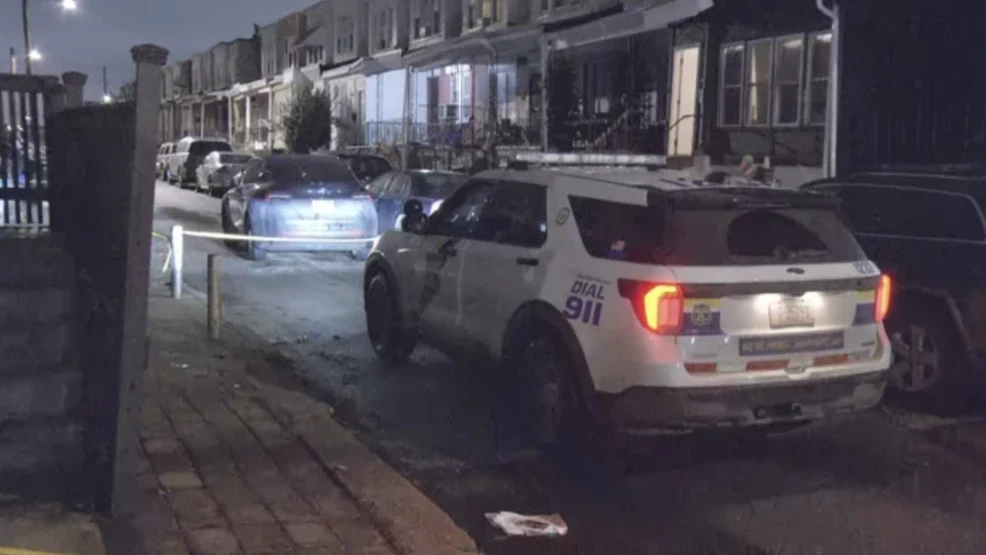
One of the most complicated aspects of the case involves potential legal questions surrounding the child’s actions.
Because the investigation remains ongoing, prosecutors have not announced any charges.
Determining criminal responsibility in cases involving minors is often significantly more complex than in cases involving adults.
Investigators must consider a wide range of factors, including the child’s age, understanding of the situation, intent, emotional state, and surrounding circumstances.
Legal experts note that cases involving children who act during perceived emergencies can present unique challenges for prosecutors.
The District Attorney’s Office will likely review evidence carefully before making any charging decisions.
At this stage, officials continue to stress that the investigation remains active and incomplete.
Domestic Violence and Family Safety
The case has also renewed attention on domestic violence and its impact on households.
Even when disputes do not result in physical injury, experts say repeated exposure to conflict can have serious consequences for children.
Research has consistently shown that children who witness domestic violence face increased risks of anxiety, depression, behavioral challenges, and academic difficulties.
Many family advocates argue that preventing violence requires more than law enforcement responses after incidents occur.
They point to education, counseling, crisis intervention services, and community support systems as critical components of prevention efforts.
The Philadelphia case serves as a painful reminder that family conflicts can affect everyone inside a home, including children who may appear to be uninvolved.
Why This Case Has Captured National Attention
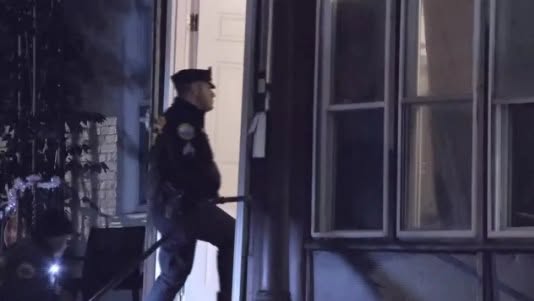
Not every local homicide investigation becomes a national story.
This case, however, contains elements that resonate deeply with the public.
The age of the child, the domestic circumstances, the presence of a firearm, and the fatal outcome have all contributed to widespread attention.
Many people see the incident as a tragedy with no clear winners.
A man lost his life. A child may carry emotional scars for years. A family now faces intense public scrutiny. And investigators are left trying to understand how a domestic argument escalated into a fatal shooting.
The story touches on several national debates simultaneously, including firearm safety, domestic violence prevention, child welfare, and criminal justice.
As a result, it has become a focal point for broader conversations about family safety in America.
What Happens Next
As investigators continue gathering evidence, several questions remain unanswered.
Authorities will continue interviewing witnesses, reviewing forensic evidence, and reconstructing the events leading up to the shooting.
Prosecutors will eventually determine whether criminal charges are appropriate and, if so, against whom.
Additional information may also emerge regarding the circumstances surrounding the firearm and how it became accessible.
For now, officials are urging the public not to jump to conclusions while the investigation remains ongoing.
A Tragedy That Highlights Larger Challenges
The Philadelphia shooting is more than a criminal investigation. It is a stark reminder of how quickly domestic conflicts can escalate into life-altering tragedies.
An argument that began inside a home ended with a fatal gunshot, a devastated family, and a child at the center of a case that has drawn national attention.
As investigators work to establish the facts, the incident continues to raise difficult questions about firearm security, domestic violence, child trauma, and the responsibilities adults carry when children are present.
Whatever conclusions ultimately emerge from the investigation, the case serves as a powerful reminder that the consequences of family conflict can extend far beyond the adults involved.
For one Philadelphia family, a single night changed everything.