
Table of Contents
- When a Phoenix Teen Confronts Danger
- The Break-In: Sequence of Events
- Family Response and Immediate Aftermath
- The Role of Youth in Self-Defense
- Law Enforcement Perspective
- Legal Implications and Arizona Law
- Community Reaction and Social Response
- Broader Implications for Families
- Psychological Impact and Resilience
- Media Coverage and Public Awareness
- Courage, Safety, and Reflection
When a Phoenix Teen Confronts Danger
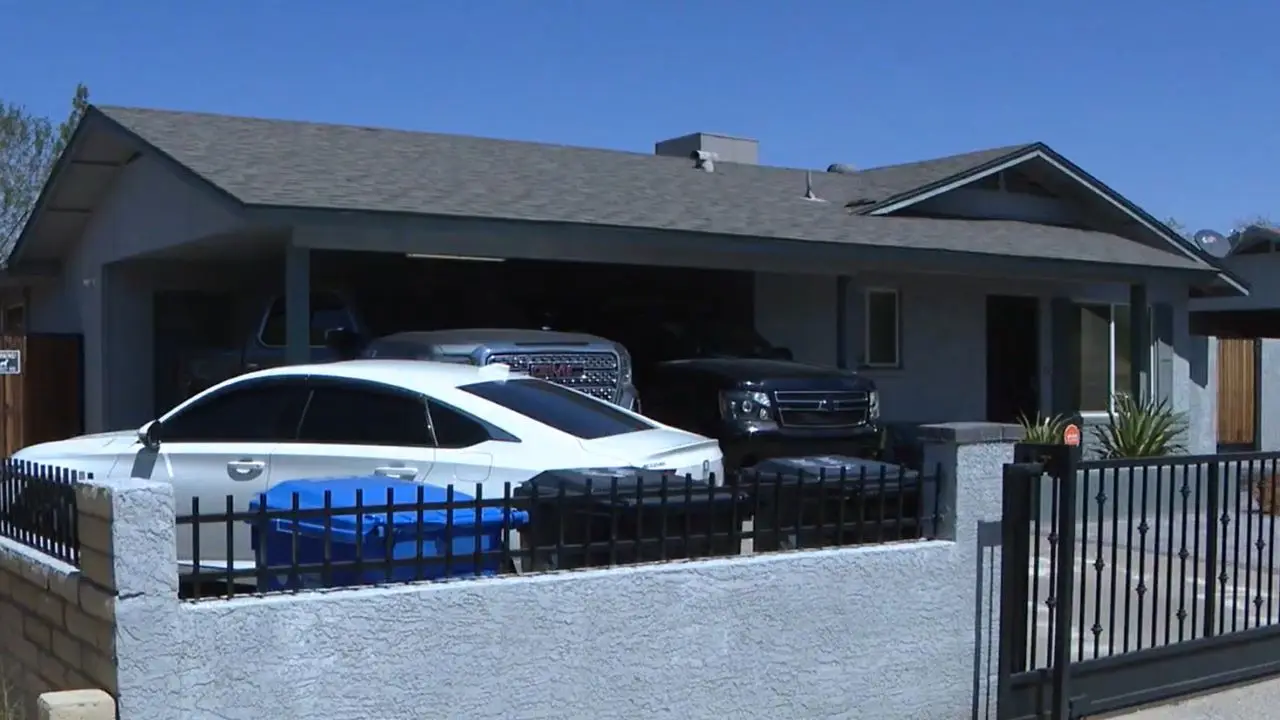
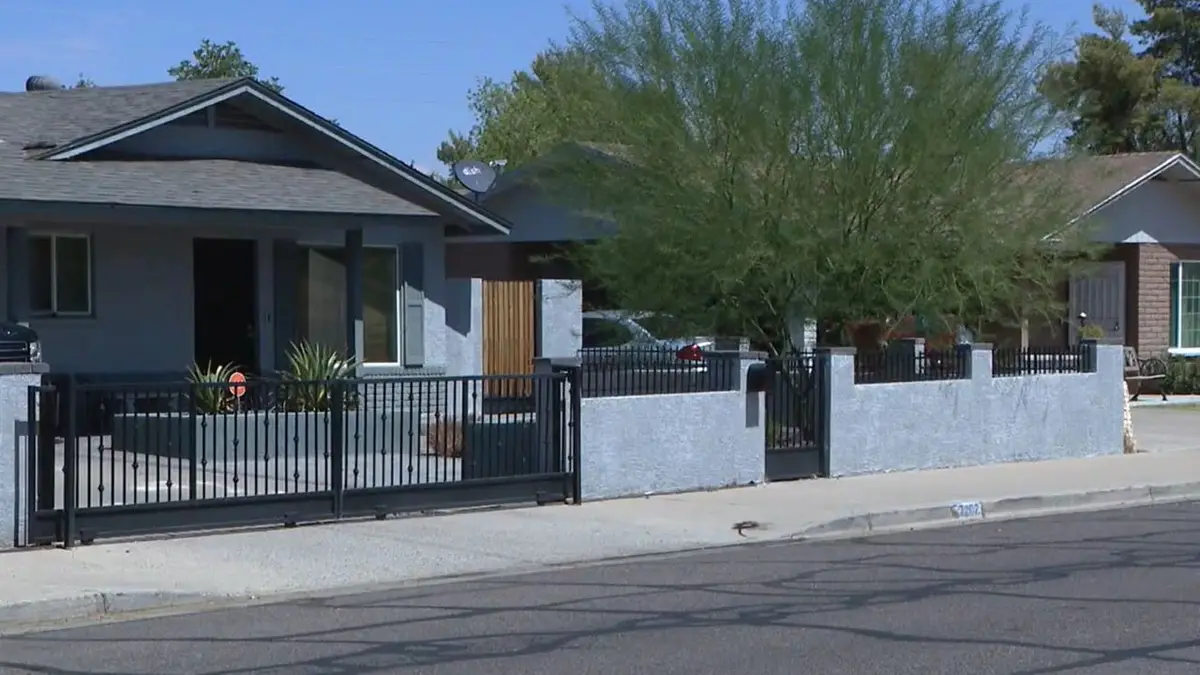
On a Friday night in September 2023, a routine evening for a Phoenix family quickly turned into a life-or-death scenario. A 35-year-old man, identified as Juan Saavedra, attempted to break into their home, forcing the family to react instantly. In an extraordinary act of courage, a teenage boy in the home confronted the intruder and discharged a firearm in self-defense, preventing potential harm to himself and others.
This incident, occurring near 75th Avenue and Camelback Road, has drawn attention from local media, law enforcement, and communities across Arizona. It illustrates not only the unpredictable risks families face but also the remarkable capacity of young individuals to act decisively under pressure. What follows is an in-depth examination of the events, the context of youth self-defense, and the broader implications for family safety and public discourse.
The Break-In: Sequence of Events

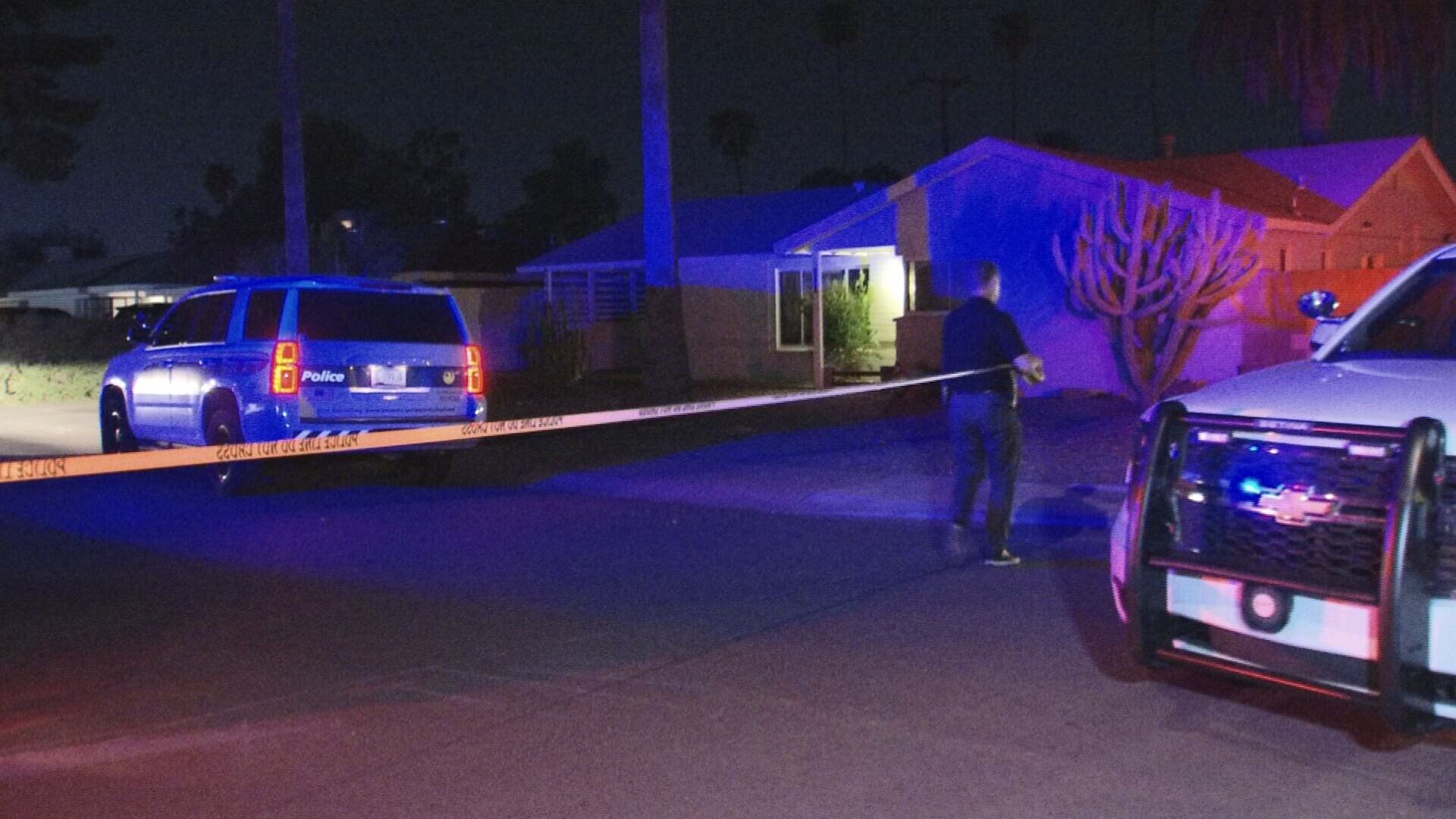
Phoenix Police Department reports indicate that the intruder, Juan Saavedra, forcibly attempted entry into the family’s home around 10 p.m. The suspect broke a window and struck a door in his efforts to gain access. Inside the home, an adult woman and a teenage boy confronted Saavedra, responding to the immediate threat.
According to police, the confrontation escalated, and the teen discharged a firearm, striking Saavedra with non-life-threatening injuries. He was subsequently transported to the hospital for medical treatment and later booked into Maricopa County Jail on a $50,000 bond. Investigators concluded that the teen’s actions were consistent with self-defense after examining the evidence at the scene.
Family Response and Immediate Aftermath
The family’s ability to respond quickly prevented what could have been a devastating outcome. Neighbors praised the teen’s courage, acknowledging the inherent danger of confronting an intruder. One local remarked, “We would have done the same thing, so I feel good for them,” reflecting community relief that the family was unharmed.
The incident has left a lasting impression on the family, blending gratitude, fear, and admiration. Parents emphasized the importance of preparedness and the role of clear thinking under duress, praising their teen for acting decisively when confronted with imminent danger.
The Role of Youth in Self-Defense
Teenage self-defense is a sensitive and complex topic. While most children are advised to seek safety or call authorities during home intrusions, extreme circumstances may necessitate direct action. In this case, the teen demonstrated situational awareness, courage, and rapid decision-making—traits that contributed to the protection of his family.
Psychologists highlight that even when actions are legally justified, exposure to life-threatening events can cause long-term psychological impact. Counseling and family support are crucial to help the young individual process trauma while reinforcing positive coping mechanisms.
Law Enforcement Perspective
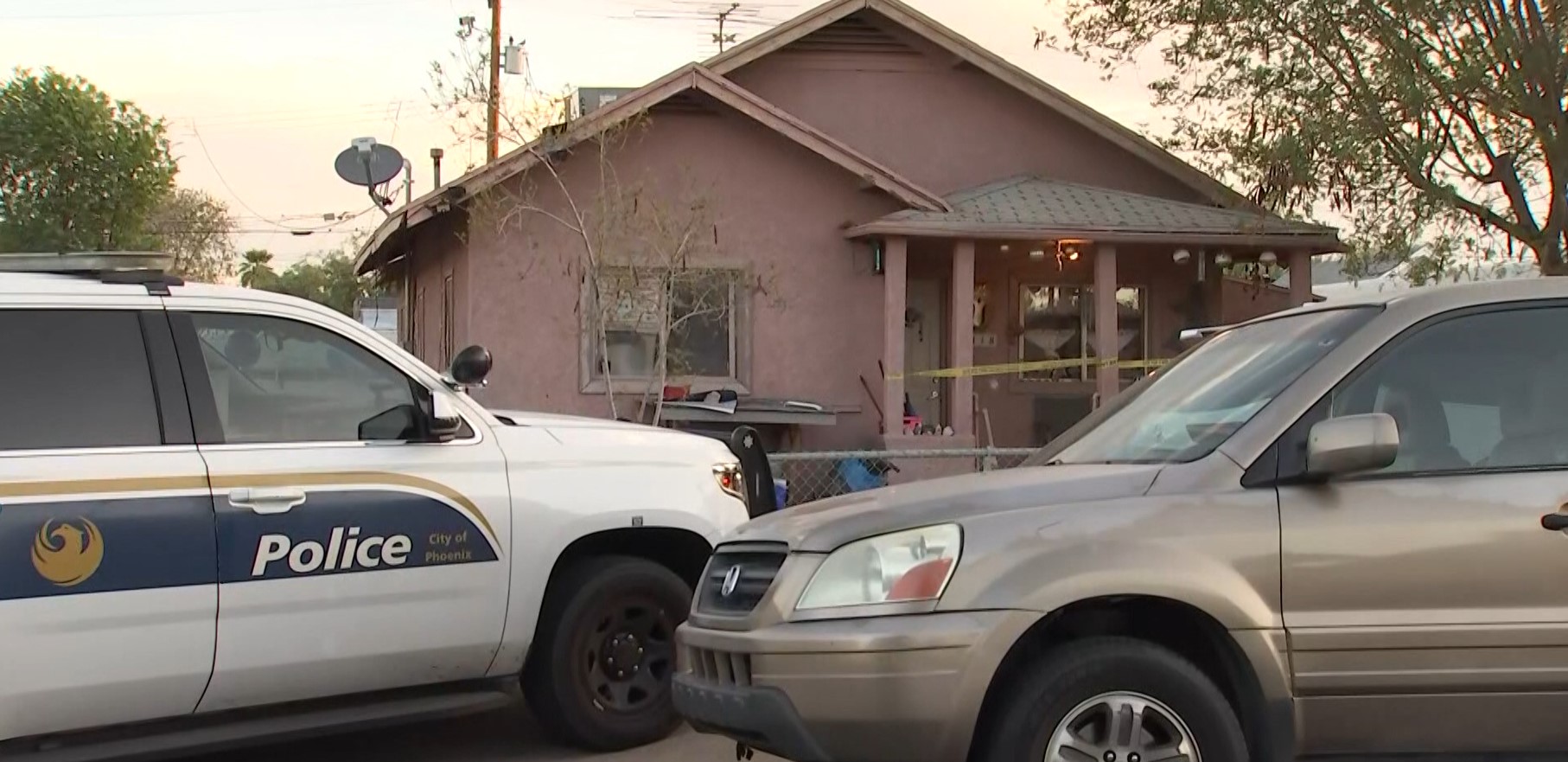
Phoenix Police confirmed that the teen acted lawfully and in self-defense. The decision to discharge a firearm was deemed appropriate given the intruder’s aggressive entry and threat to the occupants. Officers have emphasized that while this outcome was favorable, it underscores the unpredictability and potential dangers of home intrusions.
Authorities continue to monitor the case, ensuring Saavedra faces appropriate legal consequences for his actions. The investigation also serves as a reminder of the importance of home security, neighborhood vigilance, and proactive measures to prevent similar events.
Legal Implications and Arizona Law
Arizona law permits the use of reasonable force to protect oneself or others from imminent harm. In this instance, the teen’s actions fit within the legal framework for justifiable self-defense. Legal experts note that while minors’ involvement in defensive violence is rare, the law recognizes situations in which immediate threats necessitate protective measures.
The case highlights the balance between legal rights, family safety, and youth responsibility. It demonstrates that minors, when faced with sudden danger, can make life-saving choices while remaining within the boundaries of the law.
Community Reaction and Social Response
The story has resonated widely in Phoenix and across social media platforms, sparking discussions on home safety, youth responsibility, and self-defense ethics. Many community members expressed admiration for the teen, praising the courage and composure required to confront a dangerous intruder.
At the same time, the incident has prompted reflection on firearms in households, the need for clear safety protocols, and the importance of educating children on appropriate responses to threats. Community awareness campaigns have drawn attention to the critical role of preparedness in preventing home invasion tragedies.
Broader Implications for Families
This event highlights lessons for families everywhere. Preparing children for emergencies, teaching situational awareness, and maintaining secure environments are critical for reducing risk. While no parent wishes for their child to confront an intruder, guidance and training in emergency responses can empower youth to act decisively when necessary.
Families are encouraged to combine practical measures, such as reinforced doors, alarms, and emergency plans, with education on ethical decision-making in dangerous situations. The Phoenix case illustrates the real-world consequences of preparedness and the potential impact of rapid, courageous action.
Psychological Impact and Resilience
Even though the teen’s actions were legally justified, the psychological effects of a home intrusion cannot be understated. Exposure to direct violence, the act of defending oneself or loved ones, and the uncertainty of the situation may result in stress, anxiety, or long-term trauma.
Experts recommend structured support, including counseling and family discussions, to ensure mental and emotional recovery. Reinforcing resilience, emphasizing safety, and providing reassurance are essential steps in helping youth cope with the emotional aftermath of high-stress events.
Media Coverage and Public Awareness
Local media coverage has emphasized the teen’s bravery and the effective outcome of the self-defense incident. FOX 10 Phoenix and other outlets reported extensively on the break-in, the response, and Saavedra’s arrest. National attention highlights the broader relevance of youth courage, family protection, and public discussions around home safety.
The story also serves as a case study for policymakers, educators, and parents regarding preventive measures, ethical considerations, and the responsibilities of minors when facing life-threatening situations. Media reporting has contributed to public awareness about the complexities of home intrusions and the potential consequences for families.
Courage, Safety, and Reflection
The Arizona teen’s actions in Phoenix underscore the extraordinary capacity for courage under pressure. By confronting a dangerous intruder, the teen safeguarded his family and prevented potential tragedy. This story serves as a powerful reminder of the importance of preparedness, awareness, and ethical decision-making in critical situations.
For families, the Phoenix incident illustrates the value of teaching children practical self-defense strategies, emergency response protocols, and moral responsibility. For communities, it underscores the significance of vigilant neighborhood networks and accessible law enforcement support.
Ultimately, the story highlights how courage, quick thinking, and preparedness can have profound consequences, shaping public understanding of youth heroism, self-defense law, and family protection. The Phoenix teen’s experience will be remembered not only for its immediate impact but also for the lessons it offers about resilience, safety, and the human capacity to act decisively in the face of danger.