

Table of Contents
- A Bomb Exploded Seven Minutes After Takeoff — Yet the Plane Didn’t Fall
- The Flight Began Like Any Other
- The Bomber’s Plan Failed in a Way No One Predicted
- At Lower Altitude, Pressure Saved the Plane
- The Bomber Was Sucked Out Through the Hole
- Chaos Inside the Cabin — But No Panic From the Cockpit
- An Emergency Landing That Shocked the World
- Why Didn’t the Bomb Destroy the Aircraft? Experts Explain
- Passengers Had No Idea How Close They Came to Death
- The Aftermath: Investigators Trace the Plot
- Aviation Experts Still Study This Incident Today
- The Psychological Impact on Survivors
- What If the Bomb Had Exploded 10 Minutes Later?
- A Flight Remembered Not for Destruction — But for Survival
A Bomb Exploded Seven Minutes After Takeoff — Yet the Plane Didn’t Fall
Most airplane explosions end the same way: catastrophe, panic, and devastating loss of life.
But in 2016, something unbelievable happened.
A terrorist boarded a commercial flight intending to blow up the entire aircraft mid-air. And seven minutes after takeoff, he succeeded in detonating the device strapped to his body.
But instead of the plane breaking apart, something extraordinary happened:
the bomber was sucked out of the aircraft through the explosion hole — and all other passengers survived.
This is the story of a disaster that should have killed everyone on board… but didn’t.
A story where engineering, timing, fate, and physics all collided to save an entire cabin of people.
The Flight Began Like Any Other
Passengers took their seats.
Luggage was stored overhead.
The crew performed the usual safety demonstration.
The flight had barely lifted off the runway and begun climbing toward cruising altitude when the cabin suddenly shook with a violent blast.
The explosion ripped open the fuselage near seat 15.
Smoke poured into the cabin.
Oxygen masks dropped.
Passengers screamed.
But what happened next was so rare that aviation experts still study it today.
The Bomber’s Plan Failed in a Way No One Predicted
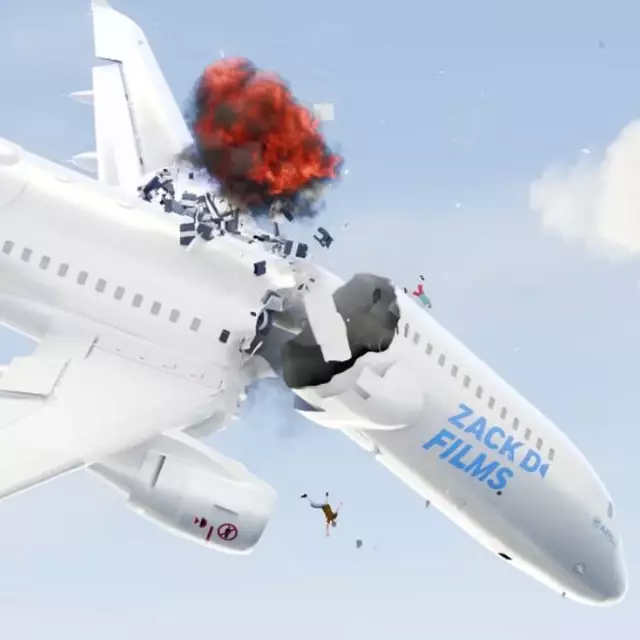
The bomber had intended to bring down the entire aircraft — not just injure a few people, but cause catastrophic structural failure that would tear the plane apart.
He had planned for a high-altitude detonation, where air pressure is so extreme that even a small blast can cause a total mid-air breakup.
But the bomb went off too early.
Only seven minutes after takeoff.
At that moment, the plane was still at about 14,000 feet, far below typical cruising altitude.
That difference — those missing minutes — saved every single life onboard.
Here’s why.
At Lower Altitude, Pressure Saved the Plane
At cruising altitude (around 35,000 feet), the pressure difference between inside and outside the cabin is enormous. A blast can trigger explosive decompression powerful enough to rip an aircraft apart.
But at 14,000 feet, while the pressure difference is significant, it’s not extreme enough to cause the same destructive chain reaction.
So when the bomber detonated his device:
- The bomb tore a hole in the fuselage
- The force ejected the bomber instantly
- But the aircraft remained structurally intact
- And the pilot still had full control
The event was violent — but survivable.
The bomber’s own miscalculation saved everyone else.
The Bomber Was Sucked Out Through the Hole
Passengers sitting nearby described feeling a sudden, monstrous rush of air.
They saw a flash.
Then — in an instant — the bomber was gone.
He was literally pulled out of the aircraft, dragged through the opening his own bomb created.
A passenger later told investigators:
“It happened too fast to understand. One moment he was there, the next he was outside the plane.”
His body fell thousands of feet and was found on the ground miles from the nearest village.
He was the only fatality.
Chaos Inside the Cabin — But No Panic From the Cockpit
Inside the plane, terrified passengers clung to their seats as wind roared through the gaping hole.
The cabin temperature dropped rapidly.
Loose objects flew across the aisle.
But in the cockpit, the pilots remained calm.
They had trained for decompression events, structural damage, and emergency descents.
The captain immediately:
- Declared an emergency
- Descended the aircraft to a safe breathable altitude
- Contacted air traffic control
- Turned the aircraft back toward the airport
In the middle of chaos, training took over.
The pilots were determined to get the plane back on the ground — no matter what.
An Emergency Landing That Shocked the World
Despite a hole in the fuselage and a section of the plane scorched by the blast, the aircraft remained flyable.
Passengers later said they expected the plane to shake uncontrollably.
Instead, it flew smoothly — almost eerily — all the way back to the runway.
When the plane landed, emergency crews surrounded it instantly.
Passengers were evacuated.
The damaged section was examined.
And investigators realized how unbelievably close the world had come to witnessing a mass-casualty aviation disaster.
Why Didn’t the Bomb Destroy the Aircraft? Experts Explain
Aviation engineers identified several factors that prevented total catastrophe:
1. Early detonation
The bomber likely intended the device to explode at cruising altitude, where structural failure is most catastrophic.
Detonating at 14,000 feet meant the cabin pressure difference wasn’t enough to tear the plane apart.
2. Location of the blast
The bomb was placed near a side panel, not a critical structural junction.
If it had exploded near the wing root or fuel tanks, the outcome would have been far worse.
3. Reinforced fuselage design
Modern aircraft are engineered to tolerate certain kinds of pressure breaches, buying pilots precious minutes to land safely.
4. The pilots’ rapid descent
Lower altitude reduces stress on the cabin.
By descending quickly, the crew prevented further structural strain.
These four factors aligned in a way that is statistically rare — and incredibly fortunate.
Passengers Had No Idea How Close They Came to Death
Many passengers believed it was simply an electrical explosion or mechanical malfunction.
They didn’t realize a bomb had gone off until investigators interviewed them later.
The only visual clue was the missing passenger and the blast hole.
But even then, people assumed he had been standing near the door.
Only after landing did the truth emerge:
They had survived one of the strangest and most unlikely outcomes in aviation terrorism history.
The Aftermath: Investigators Trace the Plot
Authorities quickly launched an international investigation.
They discovered the bomber had:
- Received assistance getting the device onboard
- Targeted the flight specifically
- Planned the detonation during cruise altitude
But they didn’t count on one thing:
the bomber sitting too close to the weakened section of the fuselage.
In essence, the bomb was placed in the worst possible spot for his own plan — but the best possible spot for everyone else’s survival.
Investigators determined that if he had moved two or three seats forward, the aircraft might have torn apart.
A matter of feet.
A matter of minutes.
A matter of pure, unbelievable luck.
Aviation Experts Still Study This Incident Today
The 2016 bombing is now frequently discussed in aviation schools, engineering programs, and crisis-management training sessions.
Experts use it to teach:
- How pressure differentials affect structural failure
- Why cabin altitude matters
- How bomb placement influences outcome
- How crews should respond to sudden decompression
- How reinforced materials function in real disasters
This single survival story changed parts of the aviation industry’s safety protocols forever.
The Psychological Impact on Survivors
Many passengers experienced PTSD afterward.
Some said they avoided flying for years.
Others credited the pilots with saving their lives.
But nearly all survivors shared one feeling:
gratitude that the bomber detonated too early.
It is rare for a bomb explosion mid-flight to end with 99% survival.
But in this case, the bomber’s own miscalculation became the passengers’ lifeline.
What If the Bomb Had Exploded 10 Minutes Later?
Experts say the answer is simple:
Everyone would have died.
At higher altitude, the structural damage would have been catastrophic.
The plane would likely have broken apart mid-air.
The explosion would have triggered violent decompression.
There would have been no time for an emergency descent.
It would have been one of the worst aviation disasters in history.
Instead, fate intervened.
A Flight Remembered Not for Destruction — But for Survival

This event is now one of aviation’s strangest paradoxes:
a bomb exploded on a commercial flight… and the only casualty was the bomber himself.
Every other passenger walked away.
Every other family avoided receiving the call no one wants to get.
Every other life onboard was spared because of a timing error, a physics anomaly, and a plane built to survive the unimaginable.
In a world where aviation tragedies dominate headlines, this story stands out for one reason:
it’s a miracle that shouldn’t have been possible — but was.