
Table of Contents
- Why Pork Parasites Became A Global Fear
- What Parasites Are Actually Found In Pork
- What Happens To Parasites When Pork Is Cooked
- The Difference Between Undercooked And Properly Cooked Pork
- Can Parasites Live Inside The Human Body After Eating Pork
- Modern Farming And Food Safety Changes Everything
- Why Viral Claims Persist Despite Scientific Evidence
- What Symptoms Would Look Like If Infection Occurred
- Proper Cooking Remains The Most Reliable Protection
- What Science Ultimately Concludes
- A Broader Perspective On Food Safety Fears
- Final Reflection
Why Pork Parasites Became A Global Fear
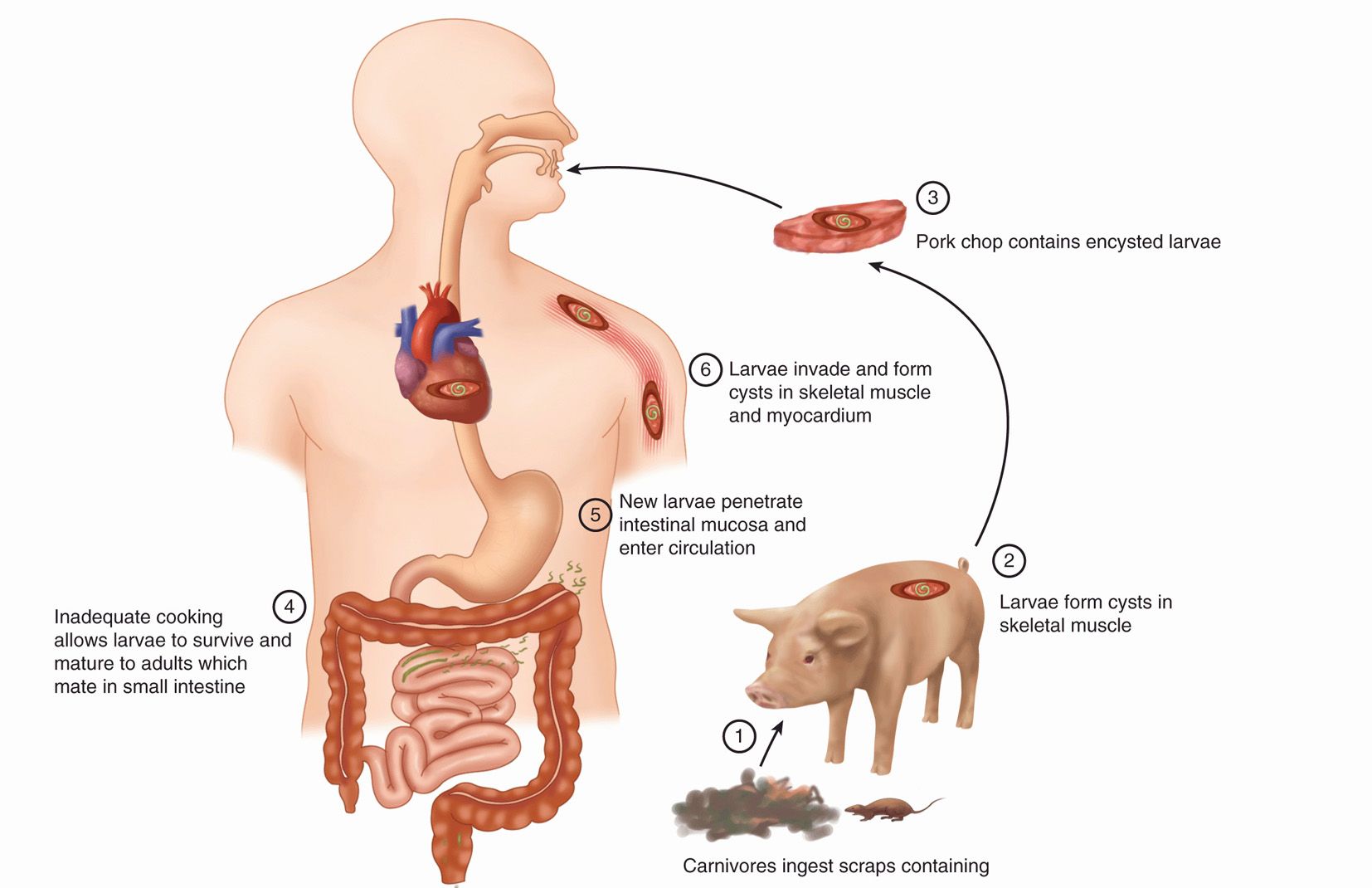
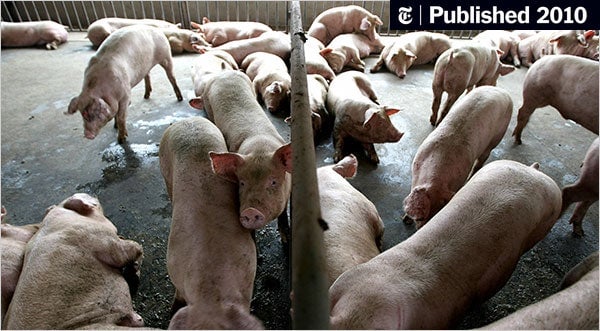
Historically, pork earned a reputation as a risky meat not because of myths, but because of genuine medical issues documented in the past. Before modern farming regulations and food inspection systems existed, pigs were often raised in unsanitary environments. They had access to human waste and uncooked scraps, which created ideal conditions for parasites to spread.
One parasite in particular became infamous for its association with pork consumption. This parasite could infect humans if raw or undercooked meat was consumed, leading to serious health complications. In earlier centuries, people lacked thermometers, standardized cooking guidelines, and even basic understanding of microorganisms. Meat was sometimes eaten smoked, dried, or partially cooked, allowing parasites to survive.
These historical realities shaped cultural attitudes toward pork that still persist today. Even as farming practices improved, the fear remained embedded in public consciousness, resurfacing whenever a new viral claim appears.
What Parasites Are Actually Found In Pork
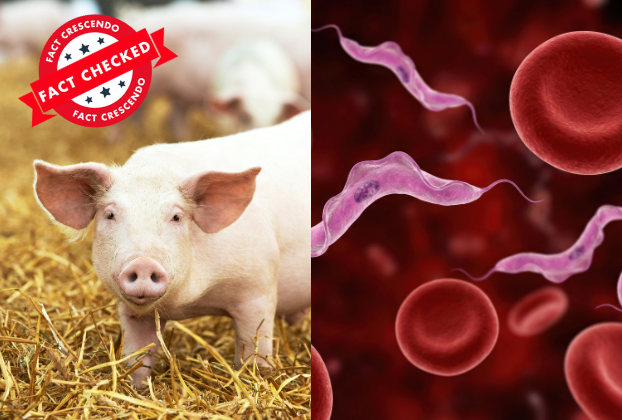
Parasites are organisms that rely on a host to survive. In pork, only a limited number of parasites are scientifically recognized as relevant to human health. Importantly, these parasites are not indestructible monsters. They are living organisms with specific biological limits.
Parasites associated with pork exist in larval or cyst forms within muscle tissue. These forms are adapted to survive within animal hosts but are extremely vulnerable to environmental changes such as heat, freezing, and chemical exposure. They are not designed to withstand cooking temperatures.
It is also critical to understand that parasites do not multiply inside meat after slaughter. They cannot grow, spread, or become more dangerous while sitting on a kitchen counter. Their survival depends entirely on remaining within a suitable host under specific conditions.
What Happens To Parasites When Pork Is Cooked
Heat is one of the most effective methods for killing parasites. Cooking causes proteins within parasites to denature, destroying their cellular structure. Once this process occurs, the parasite cannot survive, reproduce, or infect a host.
Scientific studies consistently show that cooking pork to recommended internal temperatures completely eliminates parasites of concern. Even moderate heat sustained for a sufficient duration is enough to render them nonviable.
This means that parasites cannot survive properly cooked pork. They do not hide, adapt, or regenerate after exposure to heat. Once destroyed, they are biologically dead.
Claims suggesting that parasites survive frying, boiling, or roasting contradict decades of microbiological research. These claims often arise from misunderstandings about undercooked meat rather than properly prepared food.
The Difference Between Undercooked And Properly Cooked Pork
Confusion often arises because people assume cooking is binary. Either meat is cooked or it is not. In reality, cooking exists on a spectrum.
Undercooked pork may appear browned on the outside while remaining insufficiently heated internally. This can happen when meat is thick, unevenly cooked, or prepared at too high a temperature for too short a time. In such cases, internal parasites may not be exposed to lethal heat levels.
Proper cooking, however, ensures that the internal temperature reaches levels proven to kill parasites. This is why food safety guidelines emphasize internal temperature rather than appearance, color, or cooking method.
When pork is cooked correctly, parasites do not survive. When it is not, risk exists. The distinction is simple but often misunderstood.
Can Parasites Live Inside The Human Body After Eating Pork
The idea that parasites continue thriving inside the human body after consuming cooked pork is rooted in fear rather than evidence. Parasites require specific conditions to survive. When ingested in a dead or denatured state, they cannot suddenly reactivate.
For a parasite to infect a human, it must be alive and in a viable form at the time of consumption. Cooking eliminates this possibility. Dead organisms cannot establish infections.
When infections do occur, they are overwhelmingly linked to consumption of raw or severely undercooked meat. Even then, infections are far rarer today due to improvements in meat inspection, farming hygiene, and public awareness.
Once inside the body, parasites do not remain silent indefinitely. They trigger immune responses, symptoms, or detectable changes that prompt medical attention. The notion of parasites quietly thriving for decades without signs is inconsistent with biological reality.
Modern Farming And Food Safety Changes Everything
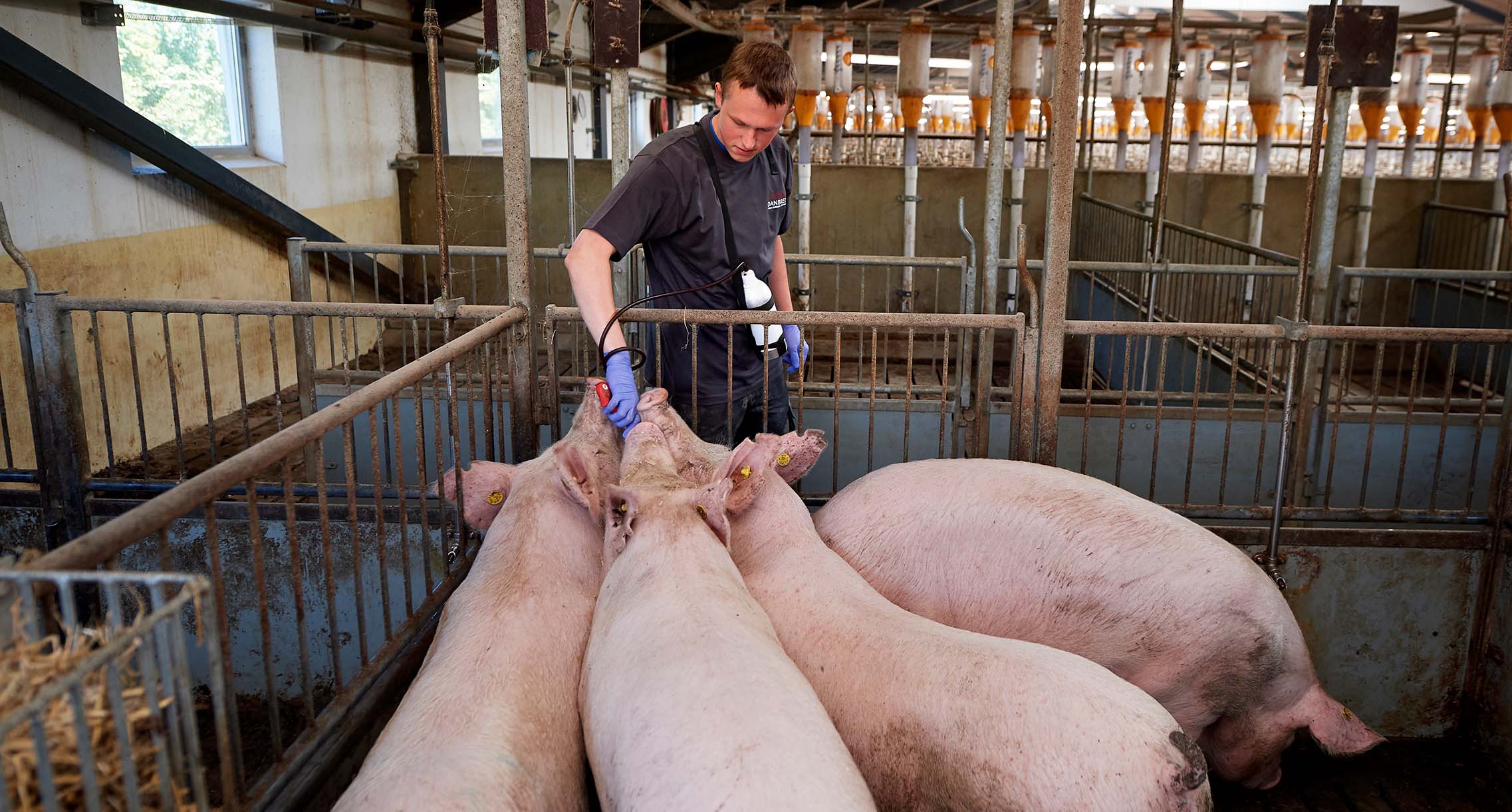
One of the most overlooked aspects of this discussion is how dramatically pork production has changed over the past century. Modern pig farming operates under strict veterinary oversight, controlled feed systems, and regular health monitoring.
Animals are no longer exposed to the conditions that historically allowed parasites to spread freely. In many countries, parasite prevalence in commercially raised pigs has dropped to extremely low levels.
Meat inspection processes further reduce risk by identifying diseased animals before meat reaches consumers. This layered system of prevention means that the pork available today is fundamentally different from that of previous generations.
While no food system is completely risk free, modern pork production has minimized parasite exposure to a level that was unimaginable in the past.
Why Viral Claims Persist Despite Scientific Evidence
If science is clear, why do claims about surviving pork parasites keep resurfacing?
One reason is emotional impact. Parasite related stories trigger disgust and fear, making them highly shareable. Another reason is misunderstanding of older medical literature that no longer reflects current realities.
Images, anecdotes, and partial truths are often presented without context. A real parasite becomes exaggerated into an unstoppable threat. Undercooked meat becomes synonymous with all pork. Rare medical cases are portrayed as common outcomes.
Social media rewards dramatic claims far more than nuanced explanations. As a result, outdated fears are repackaged as new discoveries, even when no new evidence exists.
What Symptoms Would Look Like If Infection Occurred
In the rare cases where parasitic infection does occur, symptoms are not subtle or mysterious. The human immune system responds aggressively to foreign organisms.
Symptoms may include digestive distress, muscle pain, fever, fatigue, and inflammation. These symptoms prompt medical investigation and treatment. Parasitic infections are diagnosable and treatable conditions, not hidden time bombs.
Medical professionals are trained to recognize these infections quickly. Treatments are effective when administered promptly, further reducing long term risk.
The image of parasites quietly thriving unnoticed contradicts decades of clinical observation.
Proper Cooking Remains The Most Reliable Protection
The solution to parasite risk is not avoidance or fear, but knowledge and practice. Cooking pork to safe internal temperatures eliminates parasites and bacteria alike.
Using a food thermometer ensures accuracy. Allowing meat to rest after cooking helps distribute heat evenly. Freezing pork before cooking can also kill certain parasites, adding another layer of safety.
These practices are simple, accessible, and effective. They do not require extreme measures or dietary elimination.
What Science Ultimately Concludes
After examining the biology of parasites, the effects of heat, modern farming practices, and medical evidence, one conclusion stands out clearly.
Parasites found in pork do not survive proper cooking. They do not revive inside the human body. They do not thrive silently after being exposed to sufficient heat.
The risk associated with pork consumption today is extremely low when food safety guidelines are followed. Fear driven narratives persist largely because they ignore context, exaggerate rare cases, and overlook decades of scientific progress.
Understanding the facts allows consumers to make informed choices without unnecessary anxiety.
A Broader Perspective On Food Safety Fears
Concerns about pork parasites reflect a larger pattern in how food related fears spread. When scientific literacy meets emotional storytelling, fear often wins unless evidence is clearly explained.
Food safety is not about eliminating risk entirely, but managing it intelligently. Pork is no exception. It is a nutritious protein source consumed safely by millions every day.
The real danger lies not in parasites surviving cooking, but in misinformation surviving unchecked.
By grounding food decisions in evidence rather than fear, consumers regain confidence and clarity.
Final Reflection
The question of whether pork parasites can survive cooking and live inside the human body is understandable, but the answer is reassuring.
Science shows that proper cooking destroys parasites completely. Modern farming minimizes exposure. Medical systems detect and treat infections effectively. The threat described in viral claims does not align with reality.