
Table of Contents
- A Police Call That Turned Into A Lawsuit
- Who Is Don Perkins?
- The Replica Handgun At The Center Of The Case
- A Call About A Potentially Suicidal Person
- Why The Lawsuit Demands $1.3 Million
- The Bigger Issue Of Police Training
- Homelessness And Police Encounters
- The City Now Faces Difficult Questions
- Why This Story Still Matters
- A Case About More Than Money
A Police Call That Turned Into A Lawsuit
A police response in Portland that began as a welfare concern has now become the center of a $1.3 million lawsuit against the city. Don Perkins, a homeless man who was living in a vehicle at the time, filed the lawsuit after he was shot by Portland police during an encounter that unfolded in Southeast Portland.
The incident happened in February of the previous year in the 2100 block of Southeast Lafayette Street. Officers had reportedly been called to the area after receiving a report about a potentially suicidal person. What followed was a tense confrontation involving a replica handgun, a police shooting, and later, serious questions about training, crisis response, and how officers handle people in emotional distress.
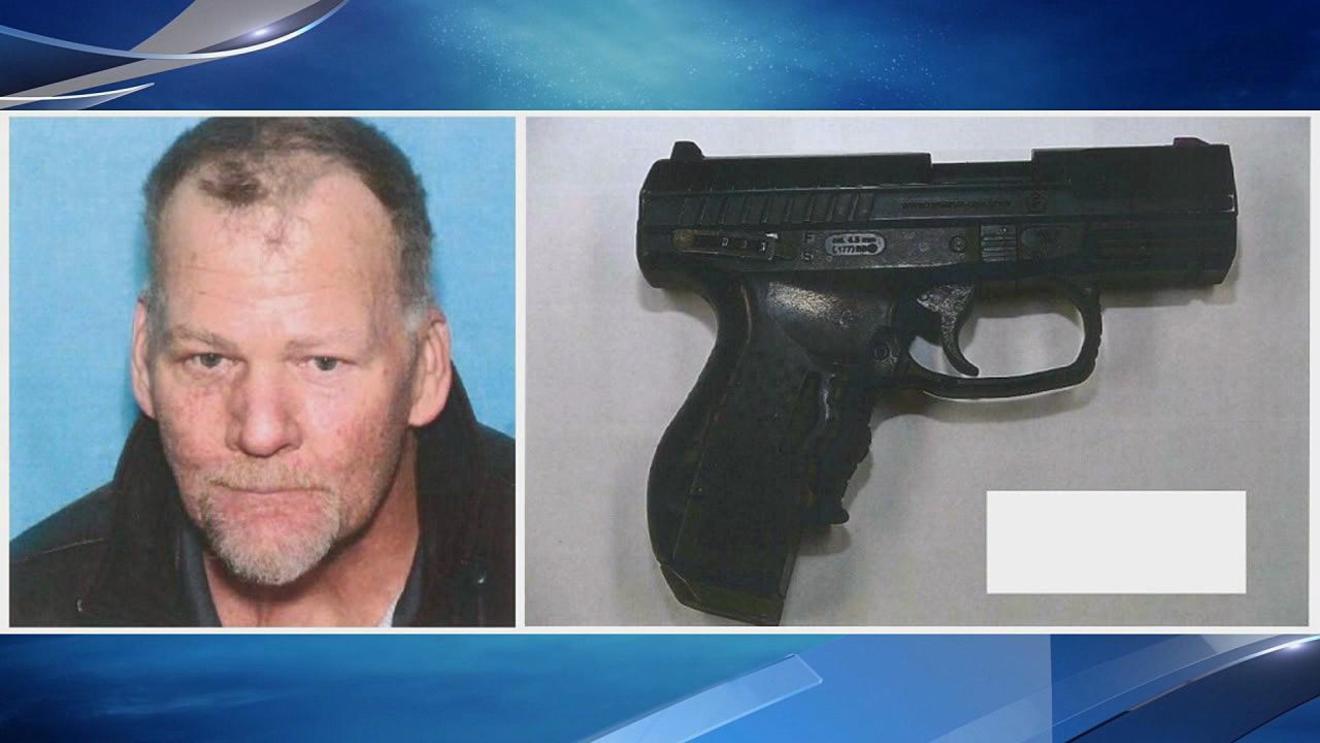
According to police, a replica handgun fell out of the vehicle where Perkins had been staying. Officers said that when Perkins reached for the replica gun, they opened fire. Perkins was shot in the stomach and arm. The lawsuit claims that the officers who responded were not properly trained to deal with the situation.
The case has drawn attention because it touches on several issues that often collide during police encounters: homelessness, mental health calls, replica weapons, officer training, and the split second decisions that can change lives forever.
Who Is Don Perkins?
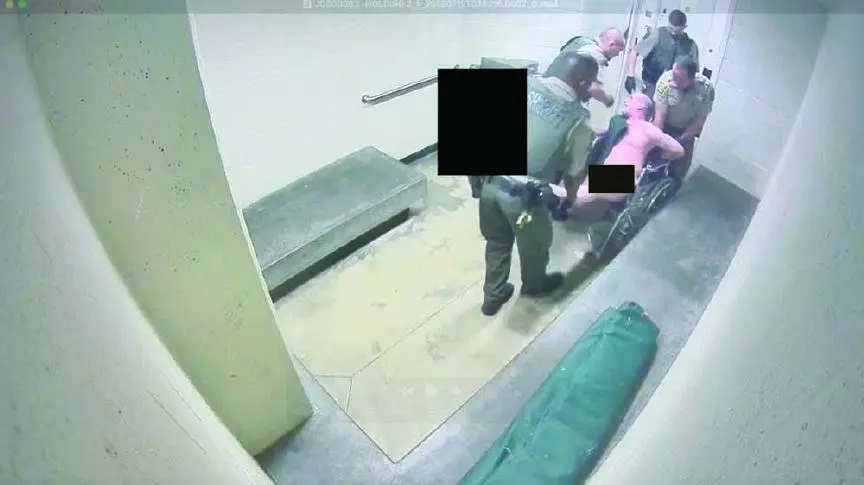
Don Perkins was identified as a homeless man living out of a vehicle when police encountered him. His situation reflects a larger and difficult reality in many American cities, where people experiencing homelessness often come into contact with police during moments of crisis.
For people living without stable housing, a vehicle can become more than transportation. It can become shelter, storage, privacy, and survival. In this case, the vehicle was also the place where the police encounter began. That detail matters because it shows how quickly a personal space can become the center of a law enforcement response.
Perkins was not described in the report as someone involved in a violent crime. Police were called because of concern that he may have been suicidal. That makes the shooting especially sensitive. Calls involving a person in emotional distress require a different kind of response than calls involving active violence or public danger.
The lawsuit focuses heavily on that point. It argues that the officers were not properly trained to handle the situation. In cases like this, the legal question is not only what happened in the moment, but whether the city and police department had prepared officers for that kind of encounter.
The Replica Handgun At The Center Of The Case
One of the most important details in the case is the replica handgun. Police said the replica firearm fell out of the vehicle where Perkins was living. They also said Perkins reached for it, which led officers to shoot him.
Replica guns can create extremely dangerous situations because they may look real, especially during a high tension encounter. Officers may have only seconds to decide whether an object is a deadly threat. At the same time, a replica weapon does not carry the same actual danger as a working firearm, which is why these cases often lead to debate after the fact.
The key issue is what officers could reasonably see and understand in the moment. The lawsuit does not appear to deny that a replica handgun was involved, but it challenges the handling of the situation. The claim is that the officers were not properly trained to manage a crisis involving a potentially suicidal person.
That distinction is important. This is not simply a story about an object falling from a vehicle. It is a story about how officers interpreted the object, how they reacted, and whether different training or tactics could have led to a different outcome.
A Call About A Potentially Suicidal Person

Police were reportedly responding to a call involving a potentially suicidal person. That detail shifts the tone of the entire incident. A mental health related police call can be unpredictable, emotional, and dangerous, but it also requires calm, patience, and de escalation whenever possible.
When officers arrive at a scene involving a person who may be suicidal, the goal is usually to keep the person alive, protect the public, and prevent the situation from escalating. But that becomes more complicated when a weapon or suspected weapon appears.
The Perkins lawsuit raises the question of whether the officers were prepared for that complexity. If a person is in distress and living in unstable conditions, standard police commands may not always produce calm or predictable responses. A person may panic, freeze, misunderstand instructions, or react in ways that officers see as dangerous.
This is why training becomes such a central issue. The lawsuit claims the officers did not have proper training to deal with the situation. That claim, if proven, could put responsibility not only on the individual officers, but also on the systems that prepared them for crisis response.
Why The Lawsuit Demands $1.3 Million
Perkins filed a lawsuit seeking $1.3 million from the city. Lawsuits of this kind often seek damages for physical injuries, emotional suffering, medical consequences, and alleged failures by government agencies.
In this case, Perkins was shot in the stomach and arm. Those are serious injuries, and a shooting can leave lasting physical and psychological effects. The lawsuit places a financial value on the harm Perkins says he suffered and on the alleged failures that led to the shooting.
The lawsuit also sends a public message. It argues that the incident was not just an unfortunate moment, but the result of poor preparation. By claiming the officers were not properly trained, the lawsuit challenges the city’s responsibility in preventing similar events.
Whether the city will be found legally responsible depends on evidence, testimony, and how the court views the officers’ actions. But the filing itself has already raised an important public question: when police respond to vulnerable people in crisis, what level of training should the public expect?
The Bigger Issue Of Police Training
At the heart of the lawsuit is the claim that the responding officers were not properly trained. Training is often the difference between a situation ending peacefully or ending in violence. Officers are frequently placed in high pressure situations, but the public also expects them to have the skills to slow down, assess danger, and avoid unnecessary force when possible.
Police departments across the country have faced criticism over how they handle mental health calls. Many cities have debated whether armed police should be the first or only responders when someone is suicidal, homeless, or emotionally unstable. Some communities have pushed for crisis teams that include mental health professionals.
The Perkins case fits directly into that national conversation. It raises the question of whether a traditional police response was enough for the situation. It also asks whether officers had the tools and training needed to respond to a person who may have been in crisis.
The lawsuit does not prove wrongdoing by itself. It is a legal claim that still needs to be examined. But it does highlight a recurring concern: when a call begins as a welfare check, the outcome should not be a shooting unless there is no other reasonable option.
Homelessness And Police Encounters
The case also brings attention to the relationship between homelessness and policing. People living outside or in vehicles are often more visible to law enforcement. They may be reported by neighbors, approached during welfare checks, or contacted because of concerns about safety, trespassing, or public order.
For homeless individuals, police encounters can feel intimidating and unpredictable. For officers, those encounters can be complicated because they may involve mental health needs, addiction, poverty, trauma, or lack of access to services.
Perkins’ situation shows how vulnerable people can become part of high stakes police encounters even when the original call is not about a crime. A person living in a vehicle may have limited privacy and few safe places to retreat. When police arrive, the situation can escalate quickly if communication breaks down.
That is why advocates often argue that homelessness should be treated as a social and humanitarian issue, not only a law enforcement issue. When police become the main responders to homelessness and crisis, the outcome depends heavily on training, resources, and judgment.
The City Now Faces Difficult Questions
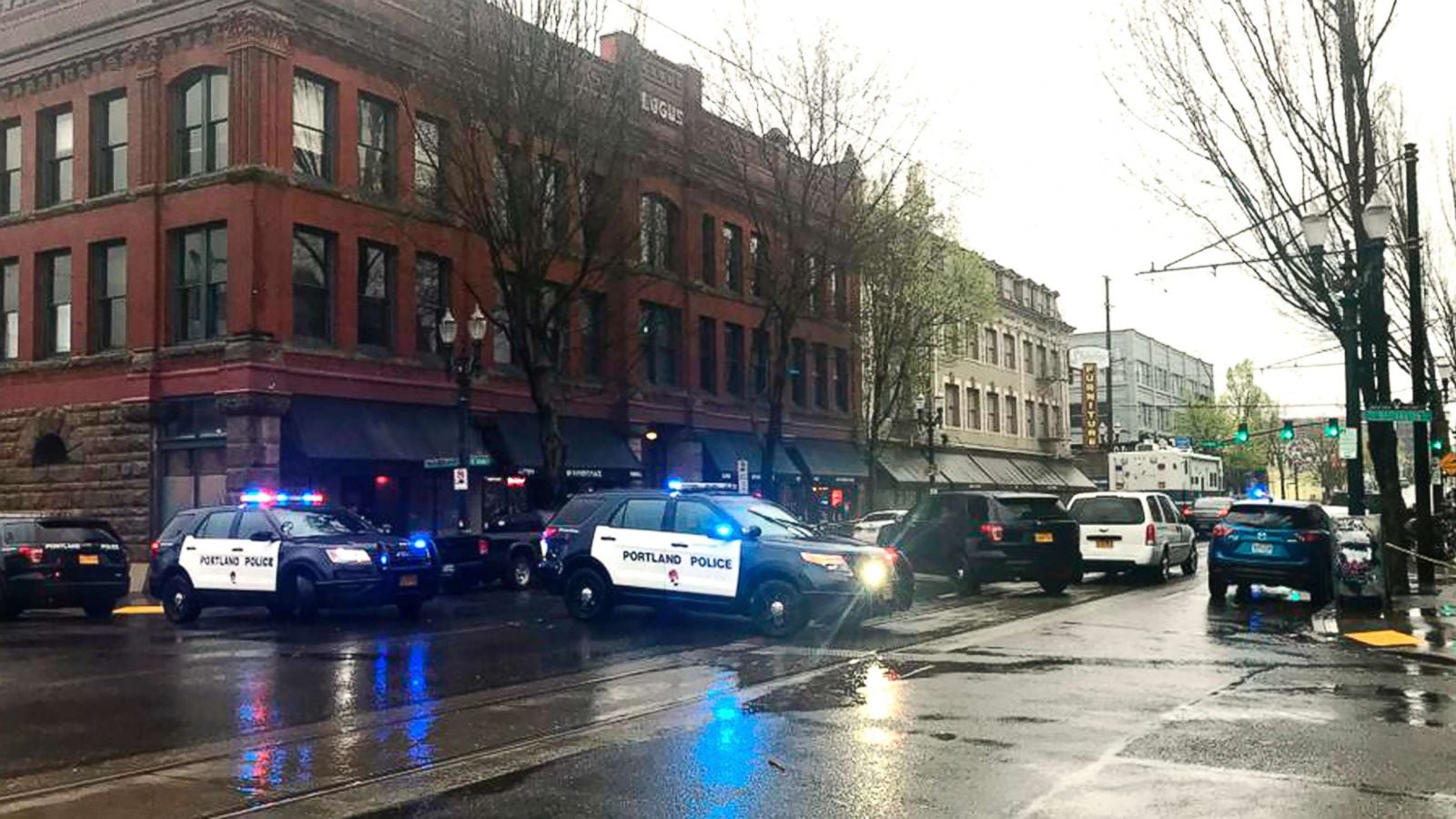
The city of Portland now faces a lawsuit that forces difficult questions into the public record. Were the officers properly trained? Did they follow policy? Was deadly force justified in that moment? Could the situation have been handled differently?
These are not simple questions. Police may argue that they faced a perceived threat when Perkins reached for what appeared to be a handgun. Perkins’ lawsuit argues that the situation required better training and a more appropriate response.
Both sides point to a different part of the same moment. Police focus on the replica gun and the perceived danger. The lawsuit focuses on the nature of the call, Perkins’ condition, and the officers’ preparation. The court process will likely examine those details closely.
For the public, the case is troubling because it shows how fast a crisis call can become a life altering event. One moment, officers are responding to a report of a potentially suicidal person. The next, a man is shot and the city is facing a million dollar lawsuit.
Why This Story Still Matters
This story matters because it is not only about one man, one street, or one police response. It reflects a broader debate happening in cities across America: how should police respond when people in crisis are also living in unstable conditions?
The presence of a replica handgun makes the case even more complex. It adds a real concern for officer safety, but it also raises the painful possibility that a non lethal object helped trigger a deadly force response. That tension is exactly why training and crisis response policies are so important.
In a city dealing with homelessness, poverty, and mental health challenges, police are often placed in situations that go far beyond traditional crime fighting. They may be expected to act as social workers, crisis negotiators, first responders, and public safety officers all at once.
The Perkins lawsuit asks whether that expectation is being matched by proper preparation. If officers are sent into crisis situations without enough training, the risk grows for everyone involved: the person in crisis, the officers, and the surrounding community.
A Case About More Than Money
Although the lawsuit seeks $1.3 million, the case is about more than money. It is about accountability, public trust, and how a city handles people at their most vulnerable moments.
For Don Perkins, the lawsuit is a response to being shot in the stomach and arm during a police encounter that began with concern for his safety. For the city, it is a legal challenge that may require defending officer decisions and department training. For the public, it is another reminder that crisis response can have life changing consequences.
The outcome of the lawsuit will depend on the facts presented in court. But the questions raised by the case are already clear. How should officers respond when a person in crisis reaches for something that looks like a weapon? What training should be required before police handle mental health related calls? And how can cities reduce the chance that welfare checks end in violence?
Those questions do not have easy answers. But they matter because the next call may involve another person living in a vehicle, another report of someone in distress, and another moment where training, judgment, and timing decide everything.