
Table of Contents
- A Potential Shift in U.S. Cannabis Policy
- The Current State of Marijuana Classification in the U.S.
- The Impact of Reclassification
- The Legal Landscape: A Complicated Patchwork of State and Federal Laws
- The Public’s Growing Support for Marijuana Legalization
- The Political Implications of Reclassification
- What’s Next for Marijuana Policy?
- Conclusion: The Future of Marijuana in the U.S.
A Potential Shift in U.S. Cannabis Policy
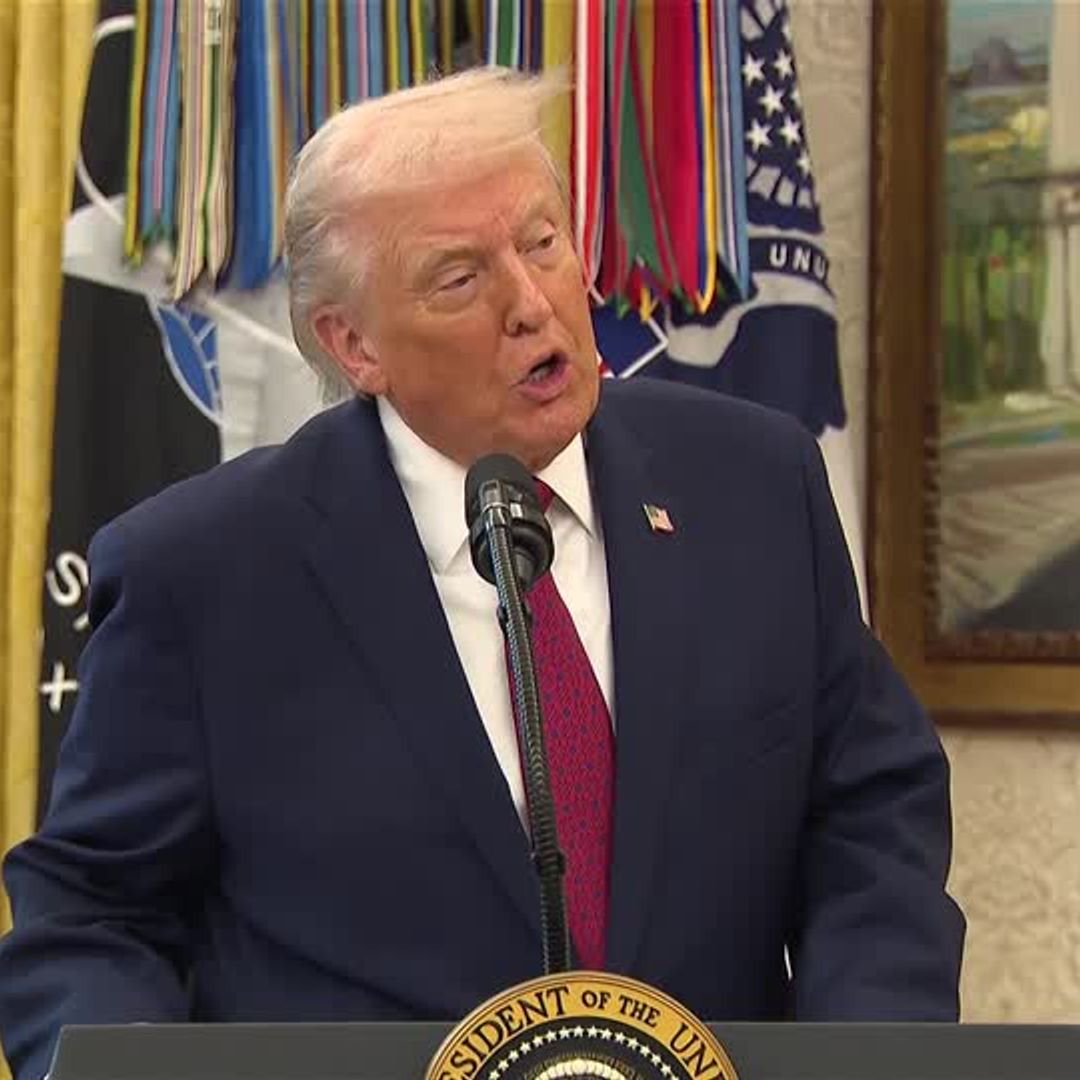
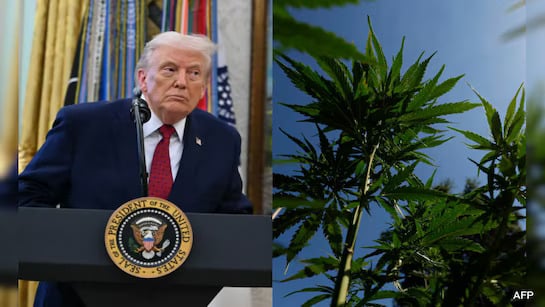
In a surprising turn of events, President Donald Trump has announced that he is considering reclassifying marijuana to a category that is viewed as less dangerous than its current classification. This move, if implemented, could have profound implications for cannabis policy in the United States. The announcement has sparked excitement among advocates for marijuana legalization, but it also raises critical questions about the long-term effects on public health, law enforcement, and the future of the cannabis industry.
Marijuana remains a Schedule I drug in the U.S., a designation that places it alongside substances like heroin and LSD. However, Trump’s consideration of reclassification could mark a dramatic shift in how the federal government views cannabis, potentially opening the door for further reforms and regulatory changes.
But what does this potential move mean, and why does it matter? Let’s dive into the details of this developing story and explore the potential consequences for both marijuana policy and public health.
The Current State of Marijuana Classification in the U.S.

Under the Controlled Substances Act, marijuana is currently classified as a Schedule I drug. This classification signifies that it is perceived to have a high potential for abuse and no accepted medical use. Schedule I drugs are subject to the strictest regulatory controls, making research into their potential medical benefits extremely difficult.
Despite growing evidence that marijuana may have therapeutic benefits for conditions like chronic pain, epilepsy, and anxiety, its Schedule I status has hindered further studies and medical access. Over the past decade, however, public opinion has shifted dramatically, with a growing number of states legalizing marijuana for medical and recreational use. Yet, the federal government’s stance has remained largely unchanged.
President Trump’s statement that he is considering reclassifying marijuana as a less dangerous drug is significant because it could potentially lead to a re-evaluation of the Schedule I designation, opening the door for more federal support for marijuana research and legalization efforts.
The Impact of Reclassification
Reclassifying marijuana would mark a turning point for both the cannabis industry and the broader regulatory landscape. A reclassification could have several significant consequences, including:
- Increased Access to Medical Marijuana: By reclassifying marijuana, the federal government could make it easier for doctors to prescribe cannabis for medical use. It would also streamline the process for patients seeking medical marijuana, making it more widely available for those who need it.
- Expedited Research on Cannabis: One of the biggest hurdles in understanding marijuana’s medical potential is its classification as a Schedule I drug. If marijuana is reclassified, it would become easier for researchers to study its effects and better understand its medicinal properties, paving the way for more targeted treatments for various conditions.
- Regulatory Reforms for the Cannabis Industry: A shift in marijuana’s classification could also lead to a more structured regulatory framework for the cannabis industry. As more states legalize cannabis, the lack of consistent federal regulations has created confusion for businesses. Reclassification could help establish clearer guidelines and ensure that marijuana businesses are held to the same standards as other industries.
- Potential Legalization Across More States: Federal reclassification could serve as a catalyst for broader marijuana legalization efforts. States with conservative stances on marijuana may reconsider their laws, while those that already have legal cannabis programs might be able to expand them more effectively under a reformed federal policy.
The Legal Landscape: A Complicated Patchwork of State and Federal Laws

The legal landscape surrounding marijuana in the U.S. is a complex patchwork of state and federal laws. While the federal government continues to classify marijuana as a Schedule I drug, 36 states and Washington, D.C. have legalized marijuana for medical use, and 17 states have fully legalized cannabis for recreational purposes.
However, federal law still prohibits the use, sale, and distribution of marijuana, which creates a significant barrier for businesses operating in the legal cannabis industry. For example, marijuana businesses are unable to access banking services, face high tax rates, and are at risk of federal enforcement actions despite operating legally under state law.
A reclassification of marijuana could begin to resolve some of these issues, providing clearer guidelines for both state and federal authorities. However, it is important to note that full legalization would still require Congressional action, as reclassification alone does not grant states the authority to fully legalize cannabis.
The Public’s Growing Support for Marijuana Legalization
Public opinion on marijuana has shifted dramatically in recent years. A Gallup poll conducted in 2020 found that 68% of Americans support the legalization of marijuana, the highest level of support ever recorded. This trend has been driven by a variety of factors, including the growing recognition of marijuana’s medicinal benefits and the success of cannabis legalization efforts in individual states.
Additionally, as more states legalize marijuana, public attitudes are changing, with increasing numbers of people acknowledging the economic benefits of a legal cannabis market. Legalization has created thousands of jobs, generated tax revenue, and provided a new source of income for businesses and entrepreneurs across the country.
Despite this, the federal government’s stance on marijuana has remained largely unchanged. President Trump’s consideration of reclassification signals that the federal government may finally be ready to catch up with public opinion and the evolving legal landscape.
The Political Implications of Reclassification
While President Trump’s comments about reclassifying marijuana were welcomed by marijuana advocates, it is important to note that the decision to reclassify marijuana is a deeply political one. The issue of marijuana legalization has long been a divisive topic in U.S. politics, with differing opinions along party lines.
Republicans, traditionally more conservative on marijuana policy, have been reluctant to embrace full legalization. However, some Republicans, including President Trump, have shown signs of support for reclassification as part of a broader effort to reform the criminal justice system and address issues related to marijuana’s status as a controlled substance.
On the other hand, many Democrats have been strong proponents of marijuana legalization, and some have argued that the federal government should fully legalize marijuana, rather than simply reclassifying it. The Biden administration has taken a more cautious approach to marijuana policy, but there is growing support within the party for broader reform.
What’s Next for Marijuana Policy?
While President Trump’s statement about reclassifying marijuana is significant, it is unclear whether the administration will take concrete steps toward making this change. A formal reclassification would require the U.S. Drug Enforcement Administration (DEA) to issue a ruling, which could take months or even years.
In the meantime, states will continue to move forward with their own marijuana legalization efforts. As public support for marijuana grows, and as more states legalize cannabis, it’s likely that the federal government will be under increasing pressure to act.
Conclusion: The Future of Marijuana in the U.S.
President Trump’s consideration of reclassifying marijuana marks a pivotal moment in the ongoing debate over cannabis policy in the United States. While it remains to be seen whether this will lead to significant changes in federal law, the possibility of reclassification could pave the way for a more nuanced approach to marijuana regulation.
The potential benefits of reclassification — including increased access to medical marijuana, expanded research opportunities, and a more structured cannabis industry — are significant. As the legal landscape continues to evolve, it’s clear that marijuana policy in the U.S. is at a crossroads.
Whether or not marijuana is reclassified, one thing is certain: the future of cannabis policy in the United States is changing, and it may only be a matter of time before the federal government fully embraces marijuana’s place in the American legal and economic landscape.