
Table of Contents
The Sole Hope of Japan’s Monarchy
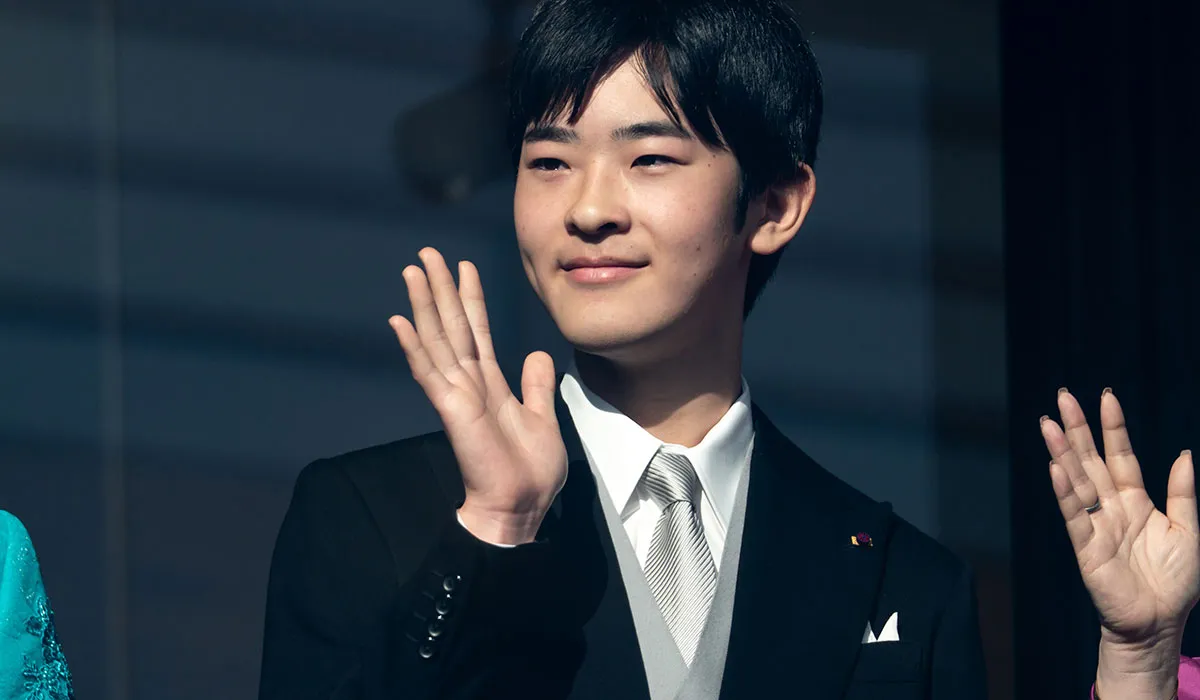
In a moment that carries the weight of centuries of history, Prince Hisahito of Japan, at 19 years old, has officially stepped into adulthood. The ceremony was grand and symbolic, marking his transition into manhood, but it was also a stark reminder of the fragility of the imperial line. As Japan’s monarchy faces an unprecedented succession crisis, Hisahito now stands as the only remaining hope for the continuation of a dynasty that dates back over two millennia.
Born on September 6, 2006, Prince Hisahito is the only son of Crown Prince Akishino and Crown Princess Kiko. His adulthood, marked by a formal coming-of-age ceremony at the Imperial Palace, symbolizes more than just personal growth—it is a defining moment in Japan’s imperial history. With no other male heirs beyond him, Hisahito is now the last living link to the Chrysanthemum Throne’s future.
A Royal Family in Crisis
Japan’s imperial succession laws, which are rooted in centuries of tradition, have become a focal point in the debate about the monarchy’s future. The rules specify that only male descendants can inherit the throne, excluding females from succession. This has placed Prince Hisahito in a precarious position: While his father, Crown Prince Akishino, is second in line, there are no other male heirs to follow him. This has led to widespread concern that the monarchy, one of the oldest continuous monarchies in the world, might face extinction without urgent reform.
Public opinion in Japan has begun to favor allowing women to ascend the throne, especially given the shrinking pool of male heirs. However, the Imperial Household has maintained its adherence to traditional succession laws, creating a significant gap between public sentiment and the imperial family’s governance. With only sixteen adult members of the royal family, the likelihood of finding a male heir who can carry the weight of the Chrysanthemum Throne is increasingly slim.
Hisahito’s Coming of Age
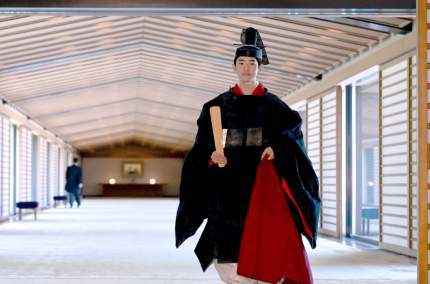
On his 19th birthday, Prince Hisahito’s coming-of-age ceremony was attended by senior royals, government officials, and dignitaries. The ceremony was not just a personal milestone for the prince but a symbolic moment for Japan’s monarchy. Hisahito received a black silk and lacquer crown, marking his formal entry into adulthood. As part of the ceremony, the young prince visited various shrines and palaces, paying homage to his ancestors and the historical roots of the imperial family. His words during the ceremony—thanking those who bestowed the crown and pledging to fulfill his royal duties—highlighted the responsibility now resting on his shoulders.
Hisahito’s entry into adulthood is a reminder of the limited time left for the monarchy to address its succession issues. The young prince’s future, intertwined with the nation’s heritage, has become a subject of intense national interest and concern.
The Personal Life of Prince Hisahito
Despite the heavy responsibilities tied to his royal status, Prince Hisahito has managed to lead a relatively private life compared to other members of the Imperial Family. As a freshman at Tsukuba University, he is studying biology, reflecting his intellectual interests and aspirations outside of his royal duties. His passion for nature, particularly his academic work co-authoring a paper on dragonflies observed on his family estate, paints a picture of a young man preparing for adulthood with a balance of scholarly pursuits and ceremonial obligations.
Hisahito is known for his quiet demeanor, contrasting with the high-profile lives of his sisters, Princess Kako and former Princess Mako. Mako’s decision to marry a commoner and lose her royal status further highlights the diminishing number of potential successors to the throne. Despite this, Hisahito’s approach to life has been carefully cultivated, ensuring that he remains prepared for the weight of his responsibilities.
Japan’s Imperial Line
The future of Japan’s monarchy now rests almost entirely on the shoulders of Prince Hisahito. As he matures, all eyes are on him, watching how he will navigate the complex responsibilities of being the sole male heir in a time of unprecedented scrutiny. His father, Crown Prince Akishino, remains second in line, but his age, combined with the aging members of the royal family, makes it unlikely that the throne will pass smoothly from one generation to the next without significant reform.
Experts have warned that the monarchy could face an existential crisis if changes to the succession laws are not made. While the public increasingly supports allowing female members to ascend the throne, the Imperial Household remains steadfast in its commitment to maintaining the traditional male-only succession line.
The Debate Over Female Succession
The question of whether to allow female succession to the Chrysanthemum Throne is at the heart of the current debate about the monarchy’s future. Some argue that the exclusion of women from the line of succession is outdated and incompatible with modern views on gender equality. Japan’s government has faced increasing pressure to amend the succession laws to ensure the continued existence of the monarchy.
However, any potential reforms are fraught with political and cultural sensitivities. The Imperial Household has traditionally held fast to its customs, and any changes to the succession laws would require a delicate balancing of public opinion, national identity, and the preservation of long-held traditions. With no male heirs beyond Prince Hisahito, the urgency for reform has never been greater.
The Role of Prince Hisahito in Japan’s Future
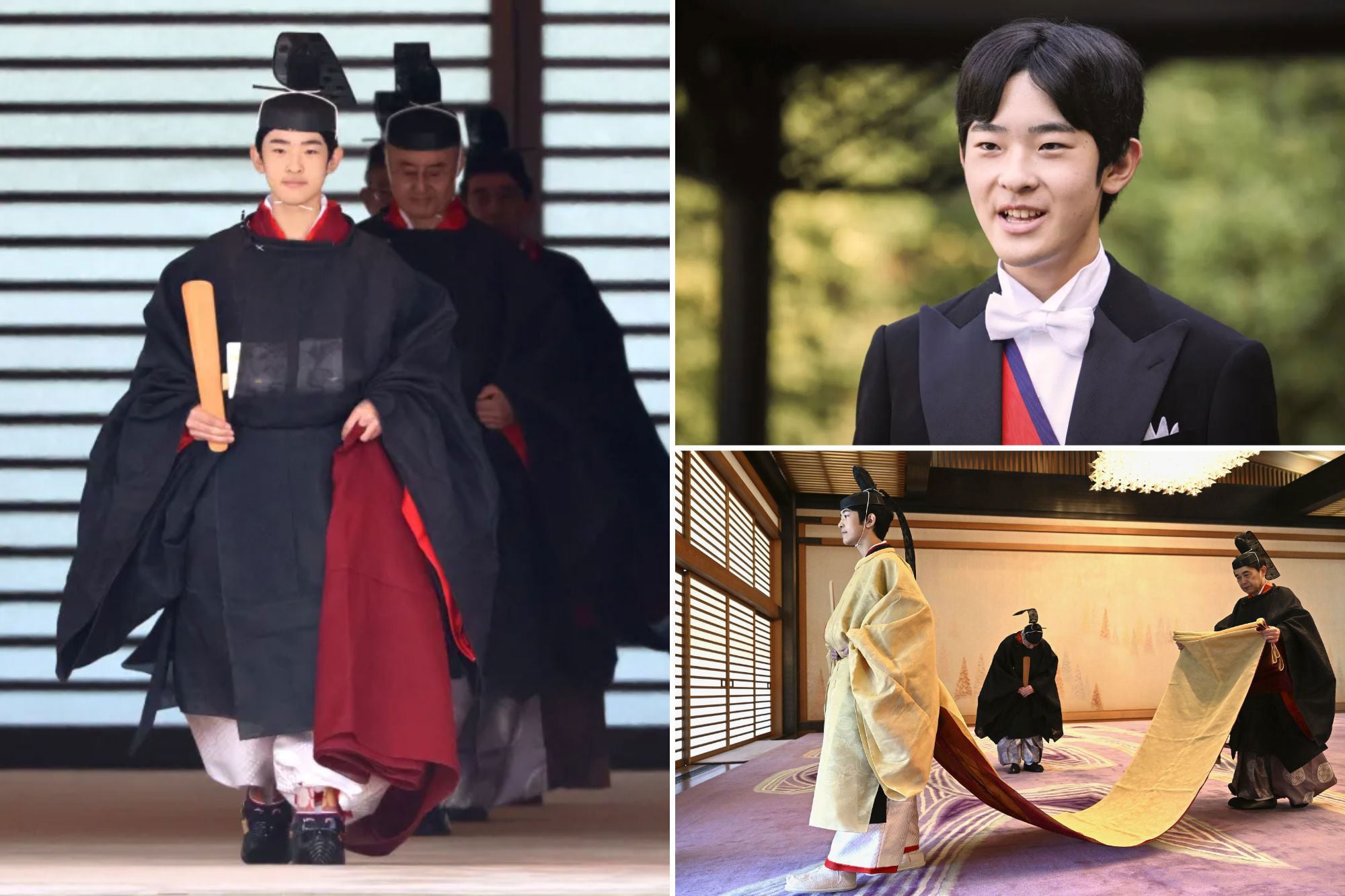
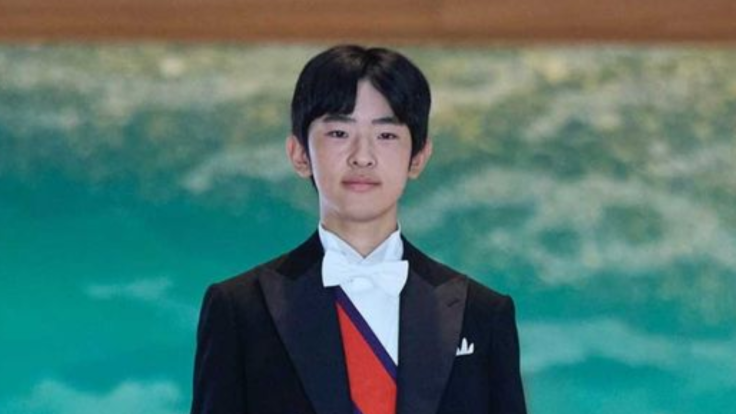
As the future of Japan’s monarchy is increasingly tied to Prince Hisahito, his role in the nation’s future becomes more significant. Beyond his academic and personal life, Hisahito’s royal duties are of immense importance, and he must carefully navigate the expectations placed on him. His formal coming-of-age ceremony, though symbolic, was a reminder of the gravity of his position.
The young prince will likely have to assume the throne at a young age, given the limited number of male heirs. The monarchy’s future rests on his ability to adapt to the pressures of being the sole heir and to lead Japan’s imperial family into a new era—one that may require embracing change while also maintaining the dignity and traditions of a 2,600-year-old lineage.
What the Future Holds for Japan’s Imperial Family
As Prince Hisahito steps into adulthood, the future of Japan’s monarchy is uncertain. Will he be able to navigate the complex issues surrounding succession, or will Japan’s imperial lineage face extinction? The country’s public opinion is divided, and the debate over allowing female heirs to ascend the throne will continue to shape the monarchy’s future.
For now, Prince Hisahito remains the lone hope for the continued existence of the Chrysanthemum Throne. Whether he will be able to secure the throne for future generations or whether Japan will embrace reforms to allow women to inherit the throne remains to be seen. The young prince’s future is bound to the fate of a monarchy that has been a cornerstone of Japanese culture for over two millennia.
Conclusion
As Prince Hisahito matures and takes on more responsibility, the future of Japan’s monarchy hangs in the balance. The legacy of the Chrysanthemum Throne depends on the decisions made in the coming years, and whether reforms will be enacted to ensure its continuation. With Prince Hisahito now the last male heir in the royal family, Japan faces an unprecedented challenge. The eyes of the world will be on him as he steps into his role, carrying with him the weight of history, tradition, and the hopes of a nation.