

Table of Contents
The Significance of the New Laws
The two bills signed by Governor Newsom have been hailed as a major victory for animal rights in California. The first bill, aimed at ending the puppy mill pipeline, targets the inhumane practice of mass breeding dogs in unsanitary, overcrowded conditions for profit. Puppy mills, which often operate in secret and outside of regulatory oversight, have been linked to severe health and behavioral issues in the dogs they produce.
The second bill focuses on increasing protections for cats, which have long been vulnerable to abandonment, neglect, and cruel treatment. By tightening regulations and offering more resources for animal rescue operations, the law aims to protect cats from exploitation and ensure better care and living conditions for these often-overlooked animals.
Governor Newsom’s decision to sign these bills demonstrates California’s continued leadership in animal welfare, setting a strong precedent for other states to follow. With these laws in place, California is taking a bold stance against animal cruelty and ensuring that animals, especially those in vulnerable situations, have greater protections and opportunities for a better life.
The Fight Against Puppy Mills

Puppy mills, also known as commercial breeding facilities, have been a persistent problem in California and across the United States. These mills prioritize profit over the health and well-being of the dogs they breed, often keeping them in overcrowded, unsanitary conditions. The dogs in these facilities typically receive little to no medical care, socialization, or attention, leading to long-term physical and psychological trauma.
The new bill signed by Governor Newsom seeks to disrupt the puppy mill pipeline by cracking down on the illegal sale and breeding of puppies from these inhumane facilities. The law requires pet stores to only source dogs from breeders that adhere to strict welfare standards, ensuring that dogs are bred in conditions that meet ethical guidelines. By targeting the sale of puppies from puppy mills, the bill aims to reduce the demand for dogs bred in cruel conditions and promote responsible breeding practices.
In addition, the bill includes provisions to support the rescue and adoption of dogs from shelters, reducing the need for mass breeding and giving shelter dogs a chance at a better life. By supporting the adoption of rescue animals, California is promoting a culture of compassion and responsibility when it comes to pet ownership.
Strengthening Protections for Cats
In addition to addressing the issue of puppy mills, the new legislation also focuses on improving protections for cats, who have long been vulnerable to neglect, abandonment, and exploitation. While dogs often receive the majority of attention when it comes to animal welfare laws, cats, particularly stray and feral cats, have been historically underserved in terms of protection and resources.
The new bill aims to increase resources for cat rescue groups, providing them with the tools needed to care for abandoned or neglected cats and promote responsible pet ownership. The law also includes provisions to regulate the care and treatment of cats in shelters and ensure that these animals are not subjected to inhumane conditions. Additionally, the bill works to curb the overpopulation of cats, which is a major issue in many communities, by supporting spaying and neutering initiatives.
By focusing on cats, this legislation acknowledges the need for greater attention to the welfare of all animals, not just those that are traditionally viewed as “family pets.” It ensures that cats receive the care and protection they deserve, making them a priority in California’s broader animal welfare agenda.
Public Support for the Bills
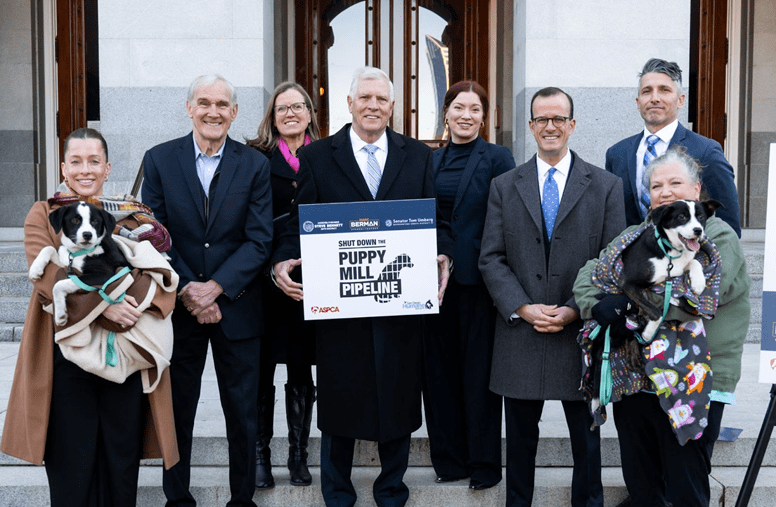
The support for these bills has been widespread, with numerous animal welfare organizations, activists, and concerned citizens advocating for stronger protections for animals. Groups like the Humane Society of the United States and the American Society for the Prevention of Cruelty to Animals (ASPCA) have long campaigned for stricter regulations on puppy mills and better protection for cats. The passing of these bills reflects the growing momentum in the fight against animal cruelty, driven by an increasingly aware and vocal public.
The public outcry over the conditions in puppy mills and the treatment of stray and neglected cats has made it clear that Californians want stronger laws to protect animals. With the passage of these bills, the message is clear: animal welfare is a top priority for the state, and California is committed to enacting laws that reflect these values.
In addition to animal welfare groups, the general public has played a key role in supporting these initiatives. Social media campaigns, petitions, and grassroots activism have raised awareness about the importance of these bills, ensuring that they gained the necessary support to pass. This broad coalition of advocates highlights the growing movement for animal rights, which is no longer limited to a small group of activists but has become a mainstream issue that resonates with a wide range of Californians.
The Economic and Social Impact of the Bills
While the bills primarily focus on animal welfare, they are also expected to have positive economic and social impacts. By reducing the number of puppy mills and promoting responsible breeding practices, the laws aim to create a more sustainable and ethical pet industry. This could lead to increased consumer confidence in pet stores and breeders that prioritize animal welfare, as well as a decrease in the number of poorly bred, unhealthy puppies on the market.
The bills also aim to reduce the burden on local animal shelters by supporting adoption efforts and ensuring that cats and dogs are cared for properly. As more animals are adopted from shelters, the need for government-funded animal rescue operations may decrease, freeing up resources for other community programs. This can have a ripple effect on local economies, as funds that were previously allocated to managing stray animals can now be redirected toward other important initiatives.
On a social level, the bills are expected to strengthen the bond between pet owners and their animals, encouraging responsible pet ownership and fostering a sense of compassion and care for all animals. This shift in cultural attitudes toward animals could have lasting effects on how pets are treated, both in California and beyond.
The Path Ahead
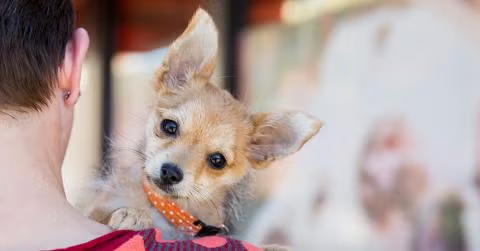
California has long been a leader in progressive legislation, and the new laws protecting animals are no exception. With its emphasis on ending the puppy mill pipeline and improving protections for cats, California is setting a powerful example for other states to follow. As awareness of animal welfare issues continues to grow, other states may look to California’s success as a blueprint for similar legislation.
In addition to the immediate impact in California, these laws could also influence national conversations about animal rights and welfare. If other states adopt similar measures, the fur industry could be further weakened, and more animals would have access to better living conditions. This could lead to nationwide changes in how animals are bred, sold, and treated, creating a more ethical landscape for both pets and their owners.
Conclusion
Governor Newsom’s signing of the puppy mill pipeline and cat protection bills marks a significant step forward in California’s ongoing fight for animal rights. The laws provide crucial protections for animals, ensuring that they are treated humanely and ethically. While the laws will undoubtedly have a major impact on the pet industry, they also serve as a powerful reminder of the need for ongoing efforts to safeguard animal welfare.
As the movement for animal rights continues to grow, these bills represent a positive shift in public consciousness, signaling that compassion and responsibility should be at the heart of how we treat animals. The hope is that these laws will inspire other states to enact similar measures and that, in the future, animals will no longer be seen as commodities but as beings deserving of protection and respect.