
Table of Contents
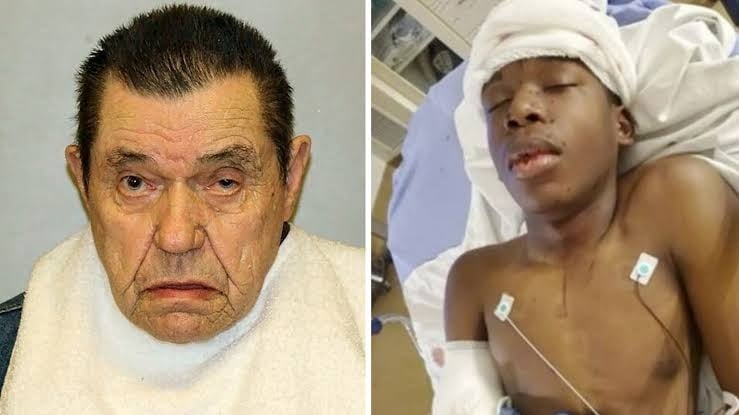
- A Wrong Doorbell Ring Changed Everything
- Ralph Yarl’s Remarkable Survival
- The National Reaction Was Immediate
- Criminal Charges Filed Against Andrew Lester
- Delays Extended the Case for Nearly Two Years
- A Last Minute Guilty Plea
- Lester Dies Before Sentencing
- Yarl’s Family Responds
- The Broader Debate Over Race and Self Defense
- What the Case Means Moving Forward
A Wrong Doorbell Ring Changed Everything
The incident occurred on the evening of April 13, 2023, in Kansas City, Missouri.
Ralph Yarl had been sent to pick up his twin siblings from a friend’s house. However, he mistakenly confused two similar street names and arrived at the wrong address.
Believing he had reached the correct home, Yarl walked to the front door and rang the doorbell.
What happened next shocked the nation.
According to prosecutors, homeowner Andrew Lester opened the inner door and fired a gun through the storm door. Yarl was struck first in the head and then in the arm.
The teenager, who was unarmed and had not attempted to enter the residence, collapsed but survived the attack.
The shooting immediately drew widespread attention because of the circumstances. What appeared to be a simple mistake by a teenager escalated into a violent confrontation that left many questioning how such an incident could occur.
Ralph Yarl’s Remarkable Survival
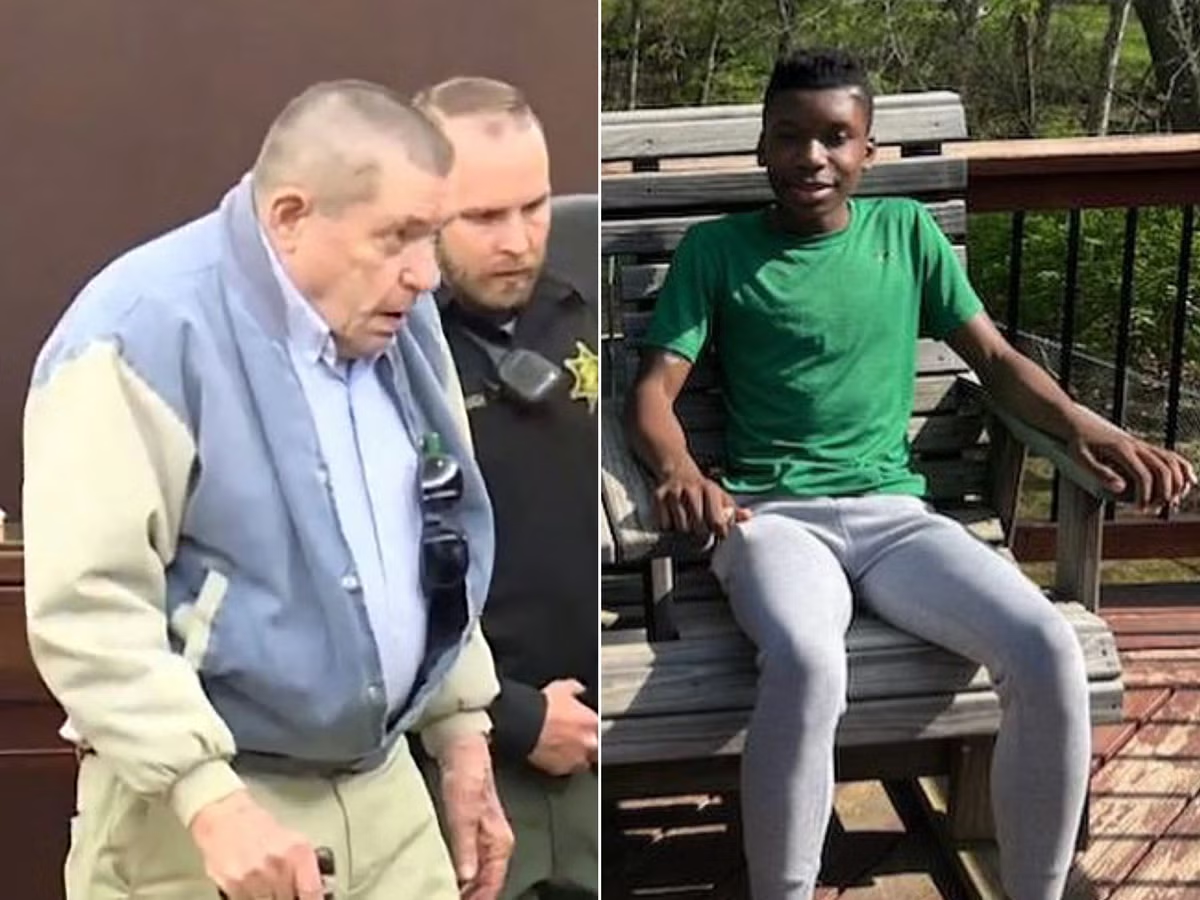
Despite suffering a gunshot wound to the head, Ralph Yarl survived.
Medical experts later described his survival as extraordinary. Although the bullet struck his head, it did not penetrate his brain.
After being transported to a hospital, Yarl underwent treatment and was released several days later.
Physically, he survived the encounter. Emotionally, however, the consequences were far more complex.
Yarl later described the terrifying moments surrounding the shooting. During testimony, he said he waited at the door longer than expected after ringing the bell. When someone finally appeared, he assumed he had reached the correct residence.
Instead, he was shot almost immediately.
His family has repeatedly stated that the incident caused significant emotional trauma and permanently altered the young man’s life.
Even as he moved forward with his education and enrolled as a freshman at Texas A&M University, the memories of that night continued to follow him.
The National Reaction Was Immediate
The shooting quickly became one of the most discussed stories in America during 2023.
Large demonstrations were organized in Kansas City and beyond. Civil rights organizations, community leaders, politicians, and celebrities spoke publicly about the case.
Many viewed the shooting as a reflection of broader issues involving race, fear, gun ownership, and perceptions of threat.
The fact that Yarl was a Black teenager and Lester was an elderly white homeowner intensified public scrutiny.
Protests called for accountability and demanded a thorough investigation.
Supporters of Yarl argued that no reasonable justification existed for shooting an unarmed teenager who merely rang the wrong doorbell.
Others focused on questions surrounding self defense rights and homeowner protections, creating a national conversation that extended well beyond Missouri.
The case soon became a symbol of larger cultural debates occurring across the United States.
Criminal Charges Filed Against Andrew Lester
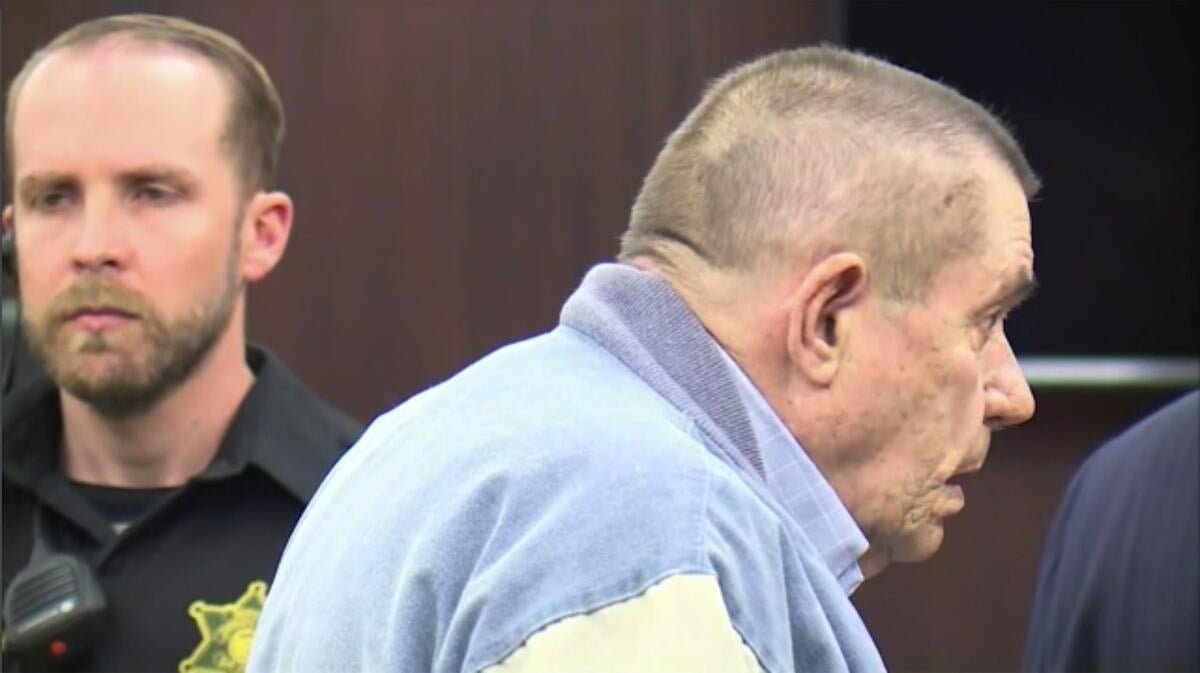
Following the shooting, prosecutors filed serious criminal charges against Andrew Lester.
He was charged with first degree assault and armed criminal action.
The charges carried the possibility of substantial prison time if he were convicted.
From the beginning, Lester’s defense team maintained that he acted out of fear and believed he was protecting himself.
His attorney argued that Lester was elderly, vulnerable, and frightened by the unexpected presence of a stranger at his door late at night.
Prosecutors disagreed, emphasizing that Yarl was unarmed and had not attempted to break into the home.
The legal battle that followed became closely watched nationwide.
Many observers saw the outcome as a significant test of how the justice system would respond to a highly controversial shooting involving race and mistaken identity.
Delays Extended the Case for Nearly Two Years
What many expected to be a relatively straightforward prosecution evolved into a lengthy legal process.
Over the next two years, the case experienced multiple delays.
Questions regarding Lester’s physical and mental health became major factors in the proceedings.
Court records showed that a judge ordered a mental evaluation to assess Lester’s competency.
Although the trial was eventually allowed to proceed, the evaluation process contributed to significant delays.
Meanwhile, Lester’s attorney repeatedly pointed to his client’s deteriorating health.
According to the defense, Lester suffered from heart problems, a broken hip, and other serious medical conditions.
His attorney also claimed that intense public attention and threats directed toward Lester contributed to a dramatic decline in his physical condition.
By the time the case approached trial, Lester’s health had reportedly worsened considerably.
The delays frustrated many observers, particularly Yarl’s supporters, who believed justice was taking too long.
A Last Minute Guilty Plea
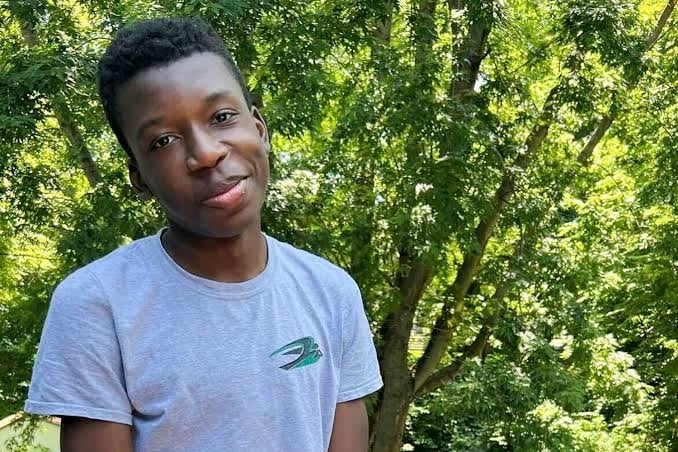
Just as the trial was preparing to begin, the case took a surprising turn.
Andrew Lester agreed to plead guilty to a reduced charge of second degree assault.
The plea represented a significant development because it removed the uncertainty of a jury trial.
By pleading guilty, Lester formally accepted responsibility for his actions.
The lesser charge carried a maximum penalty of seven years in prison.
For prosecutors, the plea secured a conviction without the risks associated with trial.
For Yarl’s family, however, the timing created mixed emotions.
While they welcomed the acknowledgment of guilt, many believed it arrived only after years of delays and legal maneuvering.
The guilty plea occurred only weeks before sentencing was scheduled.
At the hearing, Lester acknowledged his poor health when questioned by the judge.
Few could have predicted what would happen next.
Lester Dies Before Sentencing
Only days after entering his guilty plea, Andrew Lester died.
He was 86 years old.
Prosecutors announced his death after being informed by his attorney.
At the time of the announcement, authorities did not disclose a cause of death.
His sentencing hearing had been scheduled for March 7, 2025.
Because he died before sentencing, the criminal proceedings effectively ended.
The development created a complex reaction across the country.
Some viewed his death as the conclusion of a tragic chapter involving both families.
Others expressed frustration that the case would never reach its final legal resolution.
For many observers, the most significant consequence was that no sentence would ever be imposed despite Lester’s guilty plea.
That reality became a major point of discussion in the days following the announcement.
Yarl’s Family Responds
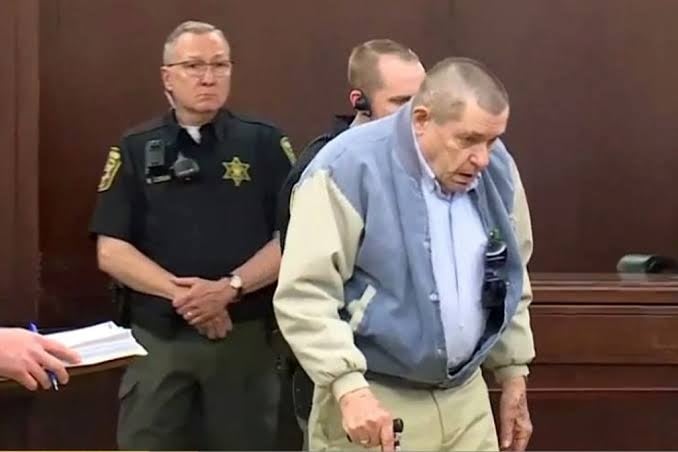
Ralph Yarl’s family issued a statement expressing disappointment and sadness following news of Lester’s death.
Their statement emphasized that while Lester eventually admitted guilt, the admission came after nearly two years of legal delays.
Family members argued that the prolonged process denied them a full sense of justice.
They stated that another Black child harmed by prejudice would never see the person responsible face sentencing.
The comments reflected the emotional toll the case continued to have on Yarl and those closest to him.
For the family, the guilty plea represented an important acknowledgment of wrongdoing.
However, Lester’s death before sentencing left a feeling of unfinished justice.
Their reaction resonated with many supporters who had followed the case from the beginning.
The family’s civil lawsuit against Lester also became part of the broader effort to seek accountability beyond the criminal courts.
The Broader Debate Over Race and Self Defense
The Ralph Yarl shooting became far more than a local criminal case.
It evolved into a national discussion about race, fear, firearms, and self defense laws.
Supporters of stricter gun regulations argued that the shooting demonstrated the dangers of responding with deadly force in situations that do not present an immediate threat.
Others focused on the importance of homeowners feeling secure in their own residences.
Legal experts frequently pointed out that self defense claims generally require a reasonable belief of imminent danger.
Critics questioned whether such a belief was reasonable under the circumstances described in the Yarl case.
The shooting also sparked conversations about implicit bias and how perceptions of threat may be influenced by race.
While opinions differed sharply, there was widespread agreement that the incident represented a profound tragedy.
The case became one of several highly publicized events that fueled ongoing national debates about public safety and gun violence.
What the Case Means Moving Forward
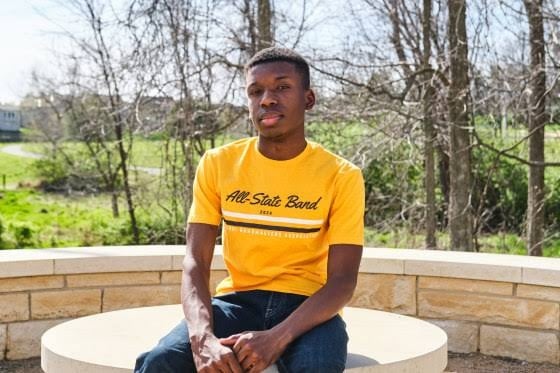
Although Andrew Lester’s death has brought the criminal proceedings to an end, the impact of the case is likely to endure for years.
For Ralph Yarl, the journey continues as he builds his future while carrying the memories of a night that changed his life forever.
For communities across America, the case serves as a reminder of how quickly ordinary encounters can become life altering events.
It also highlights the challenges courts face when balancing questions of self defense, accountability, aging defendants, and public expectations of justice.
Perhaps most importantly, the case underscores the lasting consequences that can emerge from a split second decision.
The legal chapter may be closed, but the broader conversations it inspired remain far from over. Questions about race, fear, firearm use, and responsibility continue to shape public discourse nationwide.
As America reflects on the final developments in the Ralph Yarl case, many will remember not only the courtroom proceedings but also the teenager whose simple mistake at the wrong address became one of the most talked about stories in recent years.