
For the first time, scientists have successfully used CRISPR gene-editing to remove a virus closely related to HIV from the DNA of immune cells in living organisms. The research, led by teams at Temple University and Excision BioTherapeutics, showed that a single injection of a CRISPR-based therapy could locate and cut out the viral genome embedded in the cells of SIV-infected monkeys—a major step toward developing a cure for HIV. The therapy, known as EBT-101, is now being tested in a human clinical trial authorized by the FDA.
This isn’t a hypothetical or distant concept. The study showed that CRISPR can be used to delete viral DNA from hard-to-reach reservoirs in the body, something current HIV medications can’t do. While it’s too early to call this a cure, it moves the field away from lifetime suppression and closer to possible elimination of the virus.

A First in Gene Editing: CRISPR Successfully Removes HIV-Like Virus from Immune Cells
Researchers at Temple University’s Lewis Katz School of Medicine have achieved a milestone: they used CRISPR gene-editing technology to remove a virus related to HIV from the DNA of immune cells in living animals. The virus in question, SIV, mimics HIV in non-human primates and has been a longstanding model for HIV research. By using a treatment called EBT-001, scientists were able to target and cut out viral DNA from infected cells across multiple tissues, including major viral reservoirs like the spleen and lymph nodes.
The study, published in Gene Therapy, showed that a single intravenous injection of EBT-001 led to widespread removal of SIV proviral DNA without causing damage to surrounding genes or tissues. This is significant because HIV hides in these cellular reservoirs, making it nearly impossible to fully eliminate with current antiretroviral therapies.
According to the researchers, the treatment didn’t just suppress the virus—it removed it from the genome. The team found no evidence of off-target effects, and the treated animals remained healthy, with some even gaining weight during the study period.
This research laid the groundwork for the FDA-authorized human clinical trial of EBT-101, a similar CRISPR-based therapy designed to target actual HIV in people. If successful, it could lead to the first therapy aimed at curing HIV by eliminating the virus from the body, not just controlling it.
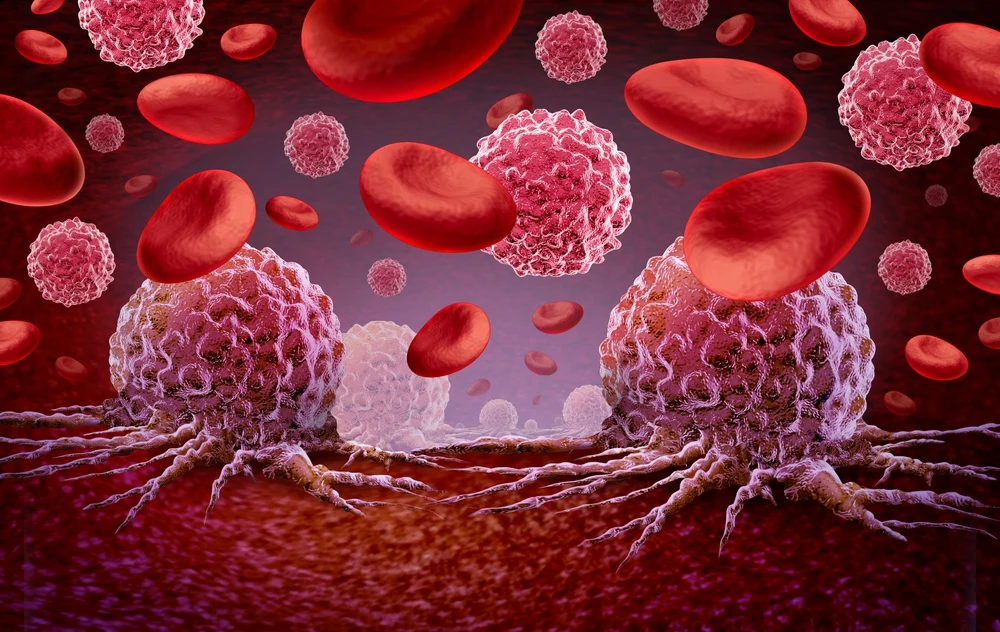
How EBT-101 Works: Going Beyond Suppression to Elimination
Traditional HIV treatments focus on controlling the virus, not removing it. Antiretroviral therapy (ART) can suppress HIV to undetectable levels in the bloodstream, but it doesn’t eliminate the virus. That’s because HIV embeds itself in the DNA of immune cells, creating what are known as viral reservoirs—areas in the body where the virus stays dormant, shielded from the immune system and untouched by ART. If treatment is paused, the virus can re-emerge. This is why HIV has remained a chronic, lifelong condition, despite the success of modern medications in managing it.
EBT-101 takes a fundamentally different approach. Instead of suppressing the virus, it aims to excise it. The therapy uses CRISPR-Cas9, a gene-editing tool that acts like molecular scissors to cut out specific segments of HIV’s genetic material from the host DNA. Delivered through an AAV9 viral vector, the CRISPR components are carried into infected cells, where they locate and remove key regions of the HIV genome. In preclinical trials using a version called EBT-001 in SIV-infected macaques, the treatment reached a wide range of tissues, including known viral reservoirs like lymph nodes and the spleen. What’s more, it was able to do this after a single injection, with no signs of toxicity or harmful off-target genetic changes.
This level of precision and distribution is what sets EBT-101 apart. Previous gene-editing approaches struggled to access deep viral reservoirs or raised safety concerns due to unintended genetic edits. But in this study, the treatment was well-tolerated even at high doses, and researchers found clear evidence of viral DNA removal in all key tissues. If the same results can be replicated in human trials, EBT-101 could mark the beginning of a new class of HIV therapies aimed not just at viral control but complete eradication.

What the Preclinical Data Actually Showed
To move from lab success to clinical application, the research team needed to prove that their gene-editing therapy could work safely and effectively in living organisms, not just in petri dishes. They chose rhesus macaques as their test subjects, since these animals respond to SIV, the simian equivalent of HIV, in much the same way humans respond to HIV. The animals were divided into control and treatment groups. Some received a single dose of EBT-001 delivered intravenously, while others were left untreated to serve as a comparison. Dosing levels varied to evaluate both effectiveness and tolerance. After three to six months, the animals were euthanized so researchers could closely analyze tissues where the virus typically hides out—places like the spleen, lymph nodes, and the gut, all known strongholds of viral latency.
What the scientists found was promising. EBT-001 was present in all major tissues of interest and successfully removed proviral DNA—the embedded viral genetic material—from key immune cells. Just as important, the treatment did this without harming healthy genes. One of the major concerns in gene-editing research is the potential for “off-target” effects, where unintended parts of the genome get altered, possibly triggering other health problems. But in this study, no such effects were detected. In terms of safety, the therapy was well-tolerated across all dose levels. There were no signs of organ damage, immune dysfunction, or systemic toxicity. Clinical observations even noted that the treated animals maintained or gained weight, suggesting no adverse metabolic or physical decline from the intervention.
The fact that a single injection could circulate throughout the body, reach multiple reservoirs, and eliminate embedded viral DNA without collateral damage is what makes these findings significant. The distribution of the treatment was broad and uniform, and the results were consistent across different dosage levels, reinforcing the robustness of the delivery method. This was a critical milestone for Excision Biotherapeutics and Temple University researchers because it addressed the two biggest barriers to HIV cure research: accessing the virus where it hides and removing it without harming the host. These findings satisfied FDA requirements to move forward with human testing and set a precedent for how gene-editing strategies might be used not just to manage chronic viral infections, but to attempt their complete eradication.
