
Table of Contents
- When a Simple Lawn Quietly Changes City Life
- A Lawn Designed Years Before It Became Viral
- Why the 110 Degree Angle Matters
- How Office Workers Turned It Into a Daily Ritual
- The Hidden Value of Micro Rest in Urban Life
- A Rare Oasis in a Dense Business District
- Why This Design Is Getting Global Attention
- Could Other Cities Adopt Similar Concepts
- The Balance Between Innovation and Simplicity
- A New Way of Thinking About Public Spaces
- What This Means for the Future of Urban Living
- A Quiet Innovation With Lasting Impact
When a Simple Lawn Quietly Changes City Life
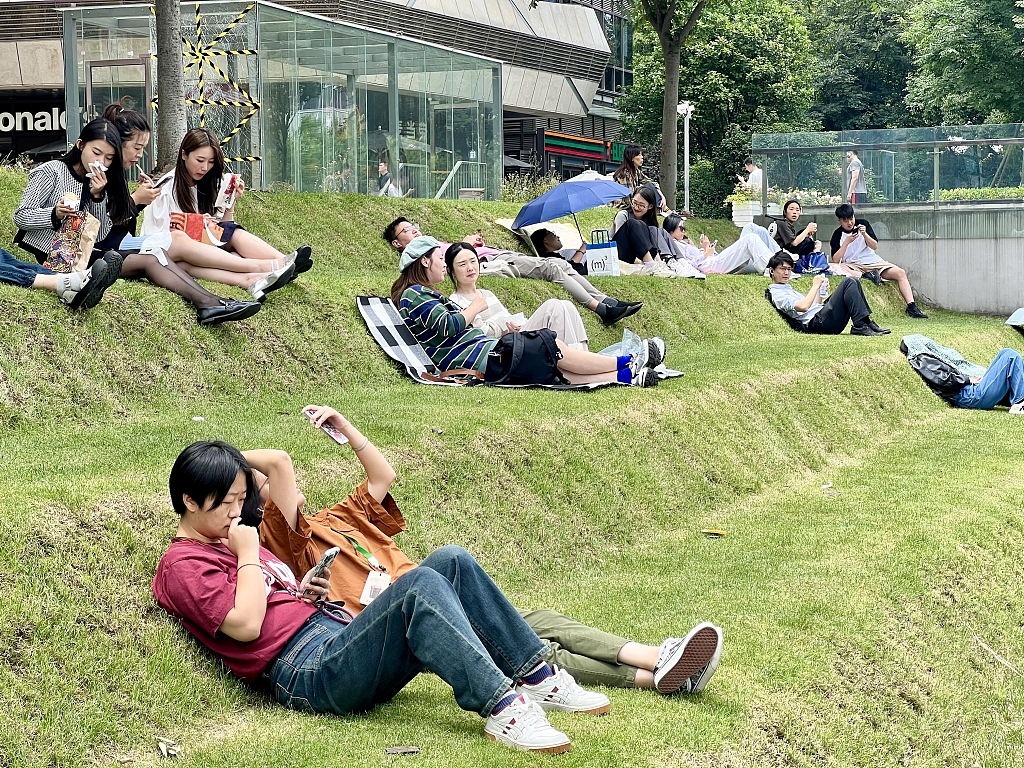
When news began circulating about office workers in Shanghai lying down on a grassy slope during lunch breaks, many people initially saw it as a quirky urban trend. But what quickly captured attention was not just the image of professionals resting outdoors, but the design behind it. This was not an ordinary patch of grass. It was a carefully engineered landscape created years earlier, now rediscovered as a daily refuge for people navigating one of the busiest cities in the world. The lawn, built with a 110 degree incline, offers a surprisingly comfortable resting angle that mimics a reclining chair. What follows is not just a story about a park, but a deeper look into how thoughtful design can reshape how people rest, recharge, and experience urban life.
A Lawn Designed Years Before It Became Viral
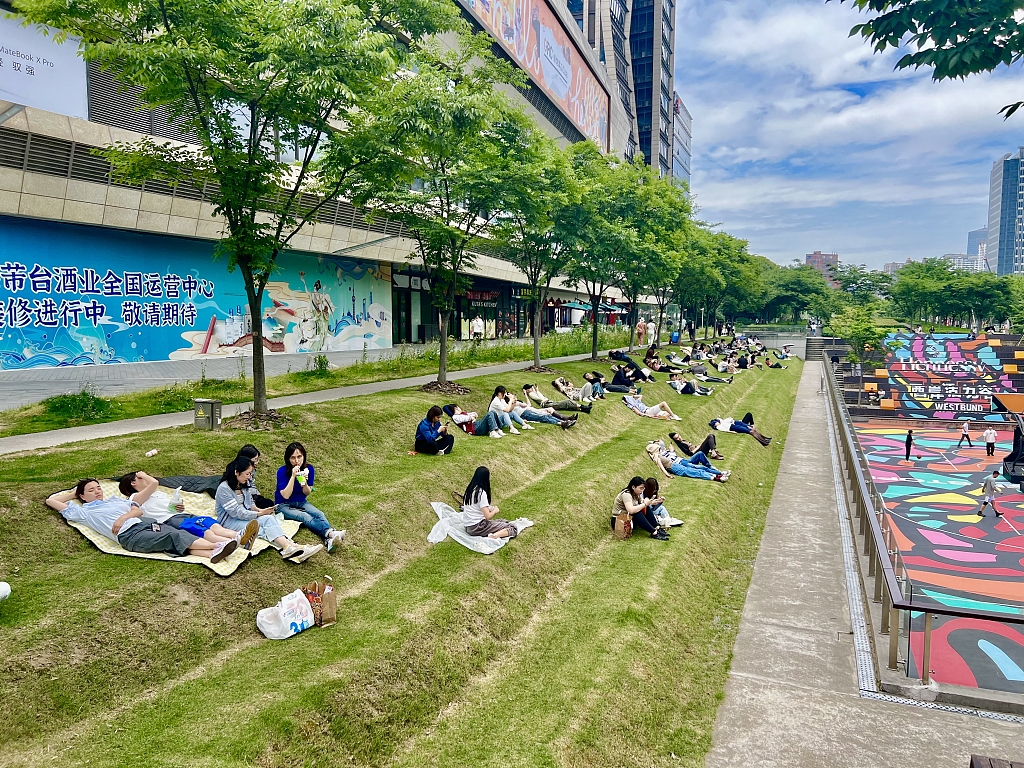
The sloped lawn was not created in response to a recent demand for outdoor rest spaces. It was part of a landscaping project completed about seven years ago in Shanghai’s business district. At the time, it was simply one element within a broader effort to enhance public space in a dense urban environment.
Like many city projects, it was designed with aesthetics and general usability in mind. However, its most defining feature, the angled incline, was based on ergonomic principles rather than visual appeal alone. The designers understood that a slight recline can significantly improve comfort, particularly for the human spine.
For years, the lawn remained relatively unnoticed as a special feature. People walked past it, sat on it occasionally, and used it like any other green space. It was only recently that its true value began to emerge, not through official promotion, but through everyday use by the people who needed it most.
Why the 110 Degree Angle Matters
At first glance, the idea of a lawn tilted at a 110 degree angle might sound unusual. But that specific angle plays a critical role in how the space functions. Ergonomically, a slight backward incline supports the natural curve of the spine and reduces pressure on the lower back.
This is the same principle used in reclining chairs, where the body is neither fully upright nor completely flat. Instead, it rests in a balanced position that allows muscles to relax while still maintaining alignment.
For office workers who spend long hours sitting at desks, this kind of support can feel surprisingly restorative. Lying flat on the ground may not provide the same comfort, and sitting upright may not offer enough relief. The slope bridges that gap, creating a position that feels both natural and relaxing.
This small design decision is what transforms the lawn from a simple green space into something much more functional.
How Office Workers Turned It Into a Daily Ritual
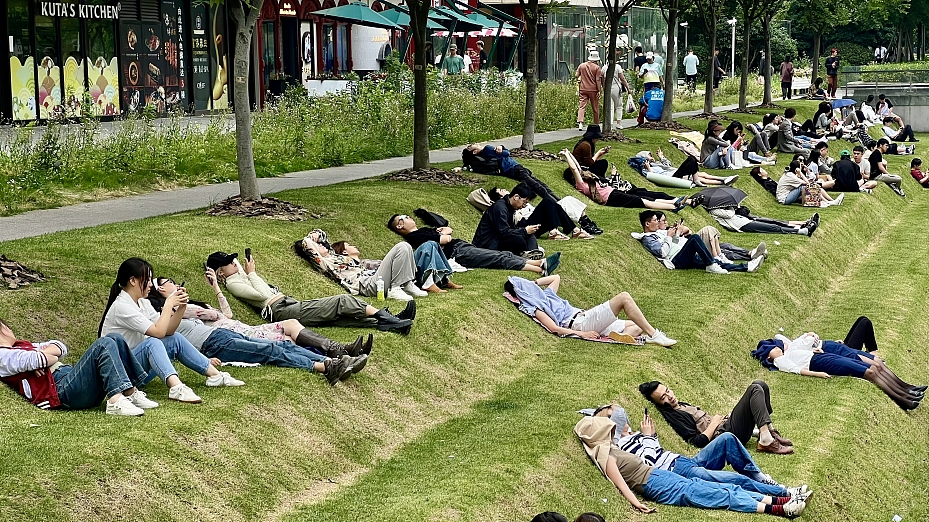
What makes the story compelling is not just the design, but how people have chosen to use it. Office workers in the surrounding business district have started incorporating the lawn into their daily routines.
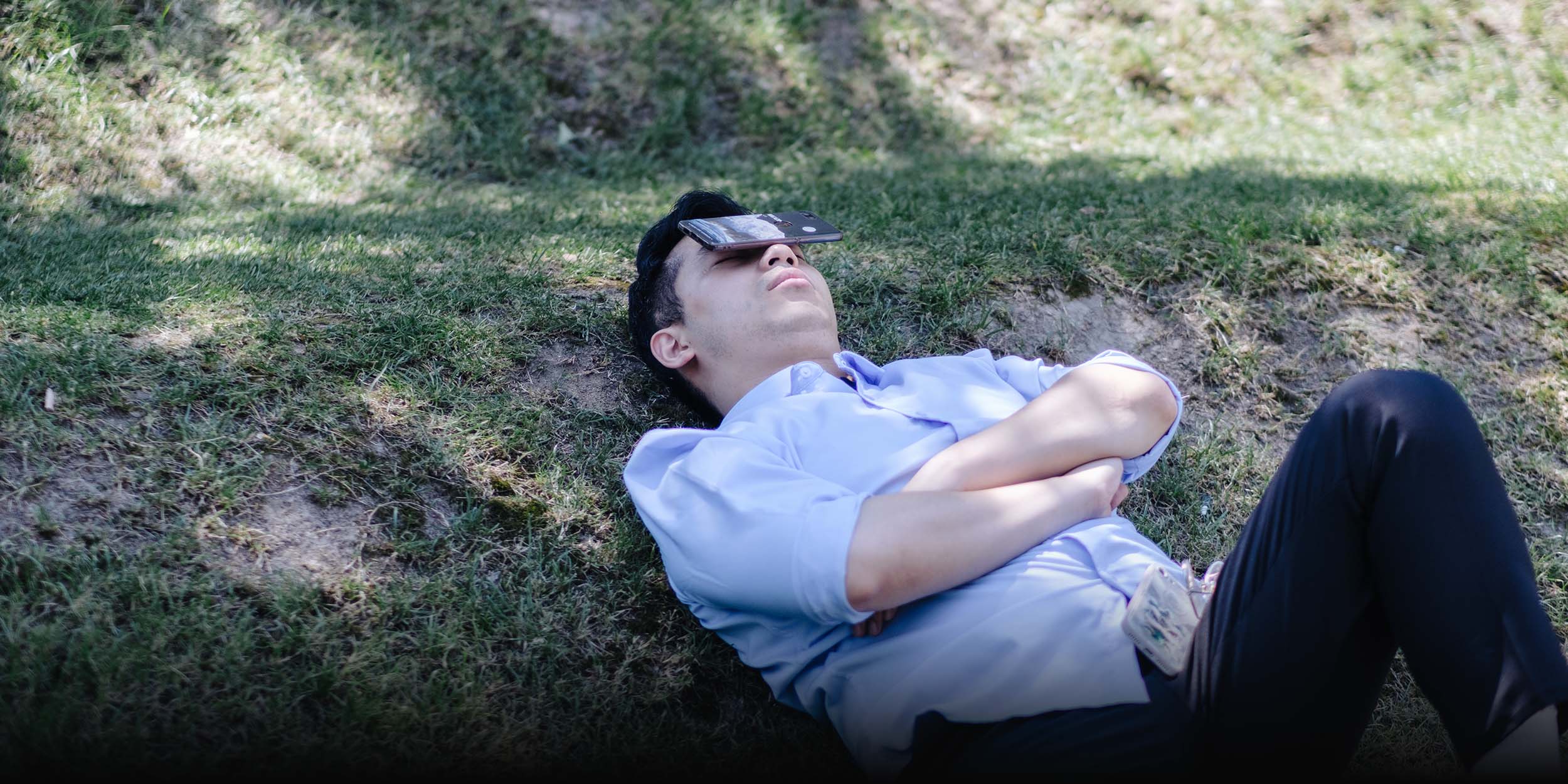
During lunch breaks, instead of staying indoors or sitting in crowded cafes, many now head to the slope. Some bring small mats or jackets, while others simply lie directly on the grass. Within minutes, the space fills with individuals resting quietly, eyes closed, taking short naps or simply enjoying a moment of stillness.
This behavior did not require any official campaign or instruction. It emerged naturally, driven by a shared need for rest in a fast paced environment.
In a city where time often feels compressed and schedules are packed, the ability to step outside and recharge in a comfortable, open space has proven to be incredibly appealing.
The Hidden Value of Micro Rest in Urban Life
The popularity of the sloped lawn highlights a broader concept that is gaining attention worldwide: micro rest. These are short periods of rest, often just 10 to 20 minutes, that can significantly improve mental clarity and energy levels.
In high pressure work environments, long breaks are not always possible. But brief moments of rest can still make a meaningful difference. The lawn provides exactly that opportunity.
By offering a space that encourages people to pause, even briefly, it supports both physical and mental well being. Workers return to their tasks feeling more refreshed, focused, and less fatigued.
This is not just about comfort. It is about productivity, health, and quality of life. The lawn demonstrates how even small interventions in urban design can have a measurable impact on daily routines.
A Rare Oasis in a Dense Business District
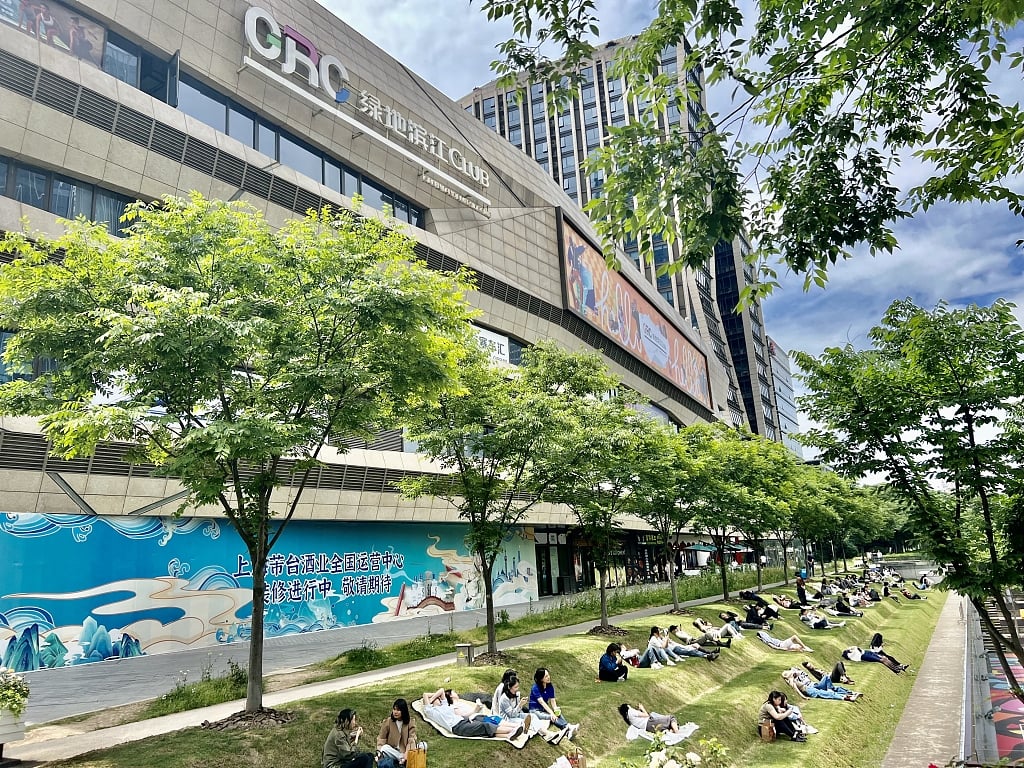
Shanghai is known for its towering buildings, busy streets, and relentless pace. In such an environment, quiet green spaces are not just decorative features. They are essential.
The sloped lawn stands out because it offers more than just greenery. It provides a sense of escape without requiring people to leave the city center. Workers can step out of their offices and, within minutes, find themselves in a calmer, more natural setting.
This contrast between the surrounding urban intensity and the tranquility of the lawn is part of its appeal. It creates a psychological boundary, a brief separation from noise, screens, and constant movement.
In many ways, it functions as a reset button embedded directly into the city.
Why This Design Is Getting Global Attention
As images and videos of the lawn spread online, people from around the world began to take notice. The idea that a simple slope could transform how people rest resonated with audiences far beyond Shanghai.
Urban planners, designers, and architects have started discussing the concept as an example of human centered design. Instead of focusing solely on appearance or capacity, the lawn prioritizes how people actually feel when they use the space.
This shift in perspective is becoming increasingly important in modern cities. As populations grow and urban environments become more complex, the need for thoughtful, functional design becomes more urgent.
The Shanghai lawn offers a clear and relatable example of how small design choices can create meaningful experiences.
Could Other Cities Adopt Similar Concepts
The success of the sloped lawn raises an important question: could this idea be replicated elsewhere. The answer is likely yes, but with careful consideration.
Every city has its own climate, culture, and urban structure. What works in Shanghai may need to be adapted for different environments. However, the underlying principle remains universal.
People need places to rest. They need spaces that support both physical comfort and mental relaxation. By incorporating ergonomic design into public landscapes, cities can create environments that better serve their residents.
This does not necessarily require large scale projects. Even small areas, if designed thoughtfully, can have a significant impact.
The Balance Between Innovation and Simplicity
One of the most striking aspects of the Shanghai lawn is its simplicity. It does not rely on advanced technology, complex systems, or expensive materials. It is, at its core, just grass shaped in a particular way.
Yet that simplicity is what makes it powerful. It shows that innovation in urban design does not always come from adding more, but from understanding how to use what already exists in a smarter way.
By focusing on human needs and natural movement, the designers created a space that feels intuitive and welcoming.
This approach contrasts with many modern developments that prioritize visual impact over usability. The lawn reminds us that the most effective designs are often the ones that feel effortless.
A New Way of Thinking About Public Spaces
The rise of the sloped lawn reflects a broader shift in how public spaces are perceived. They are no longer just areas to pass through or occasionally visit. They are becoming integral parts of daily life.
People are looking for spaces that support their routines, not just their leisure time. This includes places to rest, reflect, and recharge during the day.
As cities continue to evolve, this expectation will likely grow. Public spaces will need to do more than look appealing. They will need to function in ways that enhance well being.
The Shanghai lawn offers a glimpse into what that future might look like.
What This Means for the Future of Urban Living
In the end, the story of the sloped lawn is not just about a design feature. It is about a shift in priorities. It shows that even in the busiest cities, there is a growing recognition of the importance of rest, comfort, and balance.
As more people experience the benefits of spaces like this, demand for similar environments may increase. Cities that respond to this demand will likely see improvements not only in public satisfaction but also in overall productivity and health.
The lawn serves as a reminder that progress is not only measured in height, speed, or scale. Sometimes, it is measured in how well a city allows its people to pause.
A Quiet Innovation With Lasting Impact
The Shanghai sloped lawn may seem like a small innovation, but its impact is far reaching. It challenges assumptions about what public spaces can be and how they should function.
By combining simple design with a deep understanding of human comfort, it has created something that resonates on a global level.
As cities around the world search for ways to improve urban living, this humble patch of grass offers an unexpected but powerful lesson. Sometimes, the most meaningful changes begin not with grand ideas, but with a gentle slope that invites people to lie down, breathe, and rest.